What Is Considered Activewear? The Real Rules Behind the Label
- Cleo Fairchild
- 5 March 2026
- 0 Comments
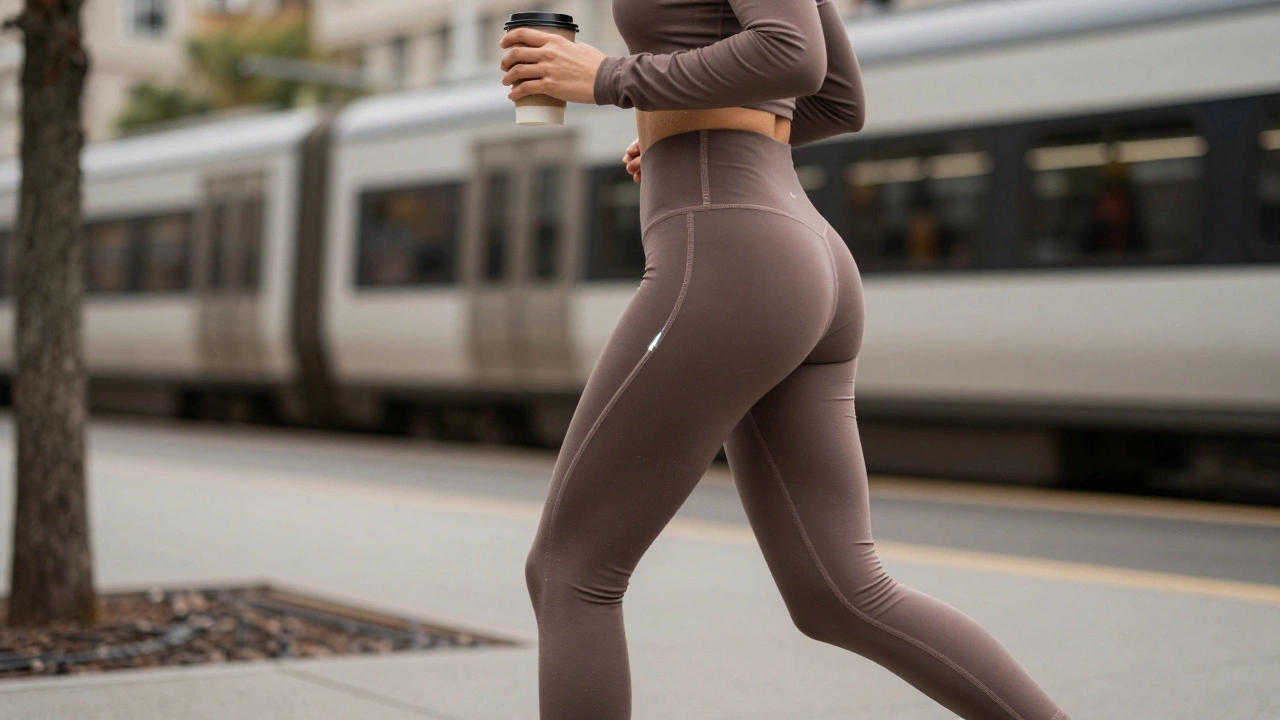
When you see someone in leggings, a fitted tank, and a lightweight jacket walking to the gym, you might call it sportswear. But if they’re wearing the exact same thing to grab coffee, run errands, or hop on a train, you’re probably looking at activewear. The line between workout gear and everyday clothes has blurred so much that many people don’t even realize the difference anymore. So what’s the real definition? What makes something activewear and not just casual wear with stretchy fabric?
It’s Not Just About the Fabric
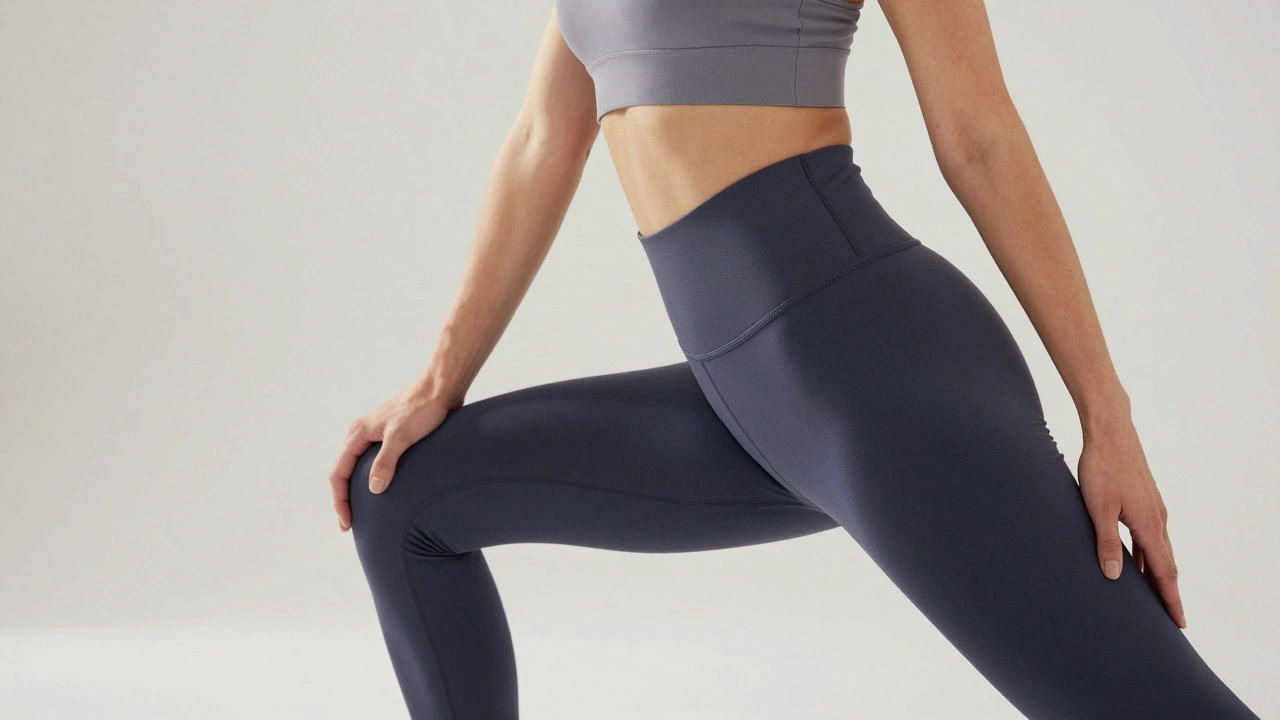
A lot of people think activewear is any clothing made from moisture-wicking polyester or spandex. That’s part of it-but not the whole story. Activewear is designed for movement, not just sweat. It has to let you squat, twist, reach, and sprint without restriction. That means seams are placed to avoid chafing during a run, waistbands stay put during burpees, and hems don’t ride up when you stretch overhead.Think about a pair of yoga pants from 15 years ago. They were just tight leggings. Today’s activewear has double-stitched hems, gusseted crotches, and flatlock seams. These aren’t decorative. They’re functional. Brands like Lululemon, Nike, and Adidas test their fabrics in real motion-not just in a lab. If you can’t do a full yoga flow in it without adjusting, it’s not true activewear.
Performance Features Matter More Than You Think
Activewear isn’t just about looking good. It’s engineered. Look at the details:- Moisture-wicking: The fabric pulls sweat away from your skin and dries fast. Cotton? It holds moisture. That’s why you rarely see 100% cotton in real activewear.
- Four-way stretch: It stretches up, down, left, and right. No tugging or pulling when you reach for a high shelf or do a deep lunge.
- Compression zones: Some leggings and tops have targeted compression to support muscles during movement. It’s not just tightness-it’s science.
- UV protection: If you’re running outside, your shirt should block UV rays. Look for UPF 30+ ratings.
- Reflective elements: For early morning or late-night workouts, visibility is safety. Tiny strips of reflective thread aren’t a fashion choice-they’re a necessity.
These features aren’t optional. If a brand calls something activewear but skips these, it’s probably just athleisure-clothing designed to look like sportswear, not perform like it.
The Rise of Athleisure vs. True Activewear
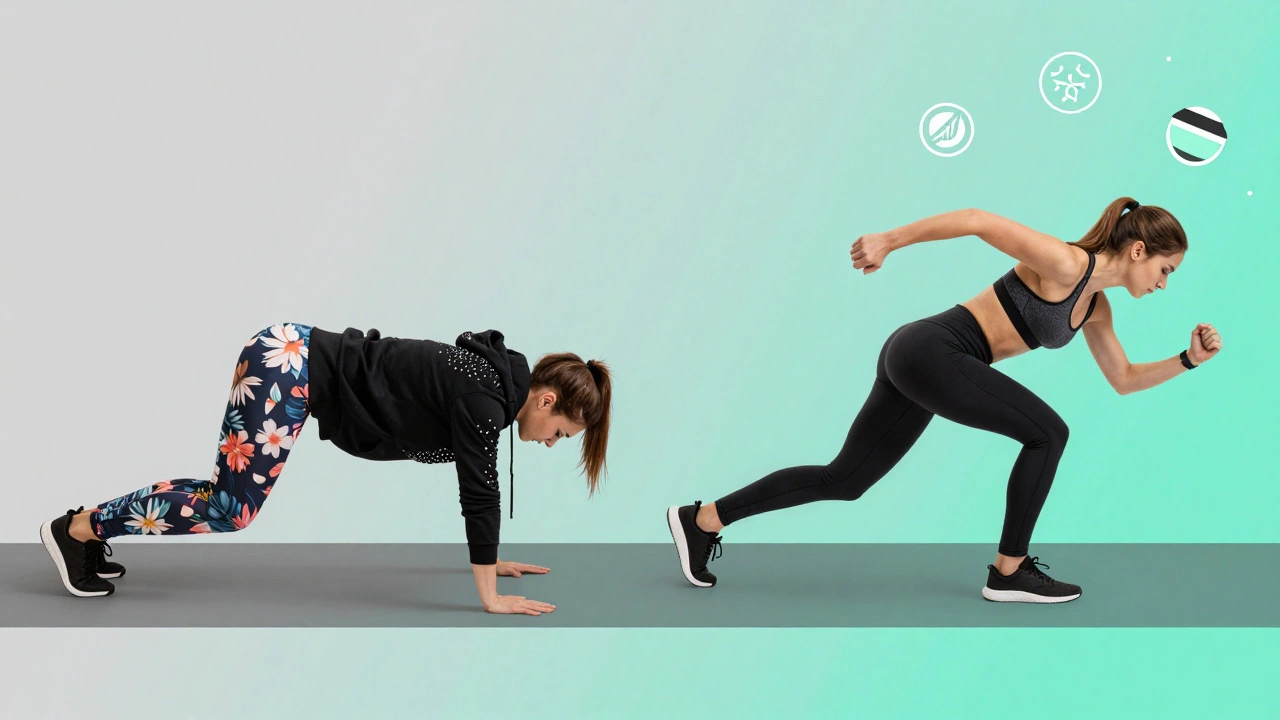
You’ve seen them: leggings with floral prints, hoodies with rhinestones, sneakers that can’t grip a treadmill. These are athleisure. And they’re everywhere. But athleisure and activewear aren’t the same thing.Athleisure is fashion-first. It’s made for social media, not sprint intervals. It might look like activewear, but it lacks the performance tech. You can wear it to brunch, but you’ll feel it when you try to do 10 burpees.
True activewear is performance-first. It’s built to handle high-intensity training, long-distance runs, or even hot yoga. The fabric breathes. The fit stays locked. The seams don’t dig in. You forget you’re wearing it-because it’s doing its job.
Here’s a simple test: if you’d feel weird wearing it to a 5K race or a spin class, it’s not activewear. If you’d wear it without thinking twice, then it passes the real test.
What Counts as Activewear? A Practical Guide
Not everything labeled "activewear" actually qualifies. Here’s what does-and what doesn’t:| Item | Is It Activewear? | Why? |
|---|---|---|
| Leggings with moisture-wicking fabric, gusseted crotch, and flat seams | Yes | Designed for movement, sweat management, and zero chafing |
| High-waisted yoga pants with decorative lace trim | No | Lace adds bulk, reduces stretch, and isn’t performance-tested |
| Running shirt with UPF 50+ and reflective piping | Yes | UV protection and visibility are performance features |
| Loose cotton t-shirt with a sports logo | No | Cotton holds sweat, doesn’t stretch, and isn’t engineered for motion |
| Compression shorts with graduated pressure zones | Yes | Supports muscles during endurance activity |
| Sneakers with cushioned midsole and grippy outsole | Yes | Designed for impact absorption and traction |
| Fashion sneakers with thin soles and no arch support | No | Looks athletic, but won’t protect your joints |
It’s Not Just for the Gym
One of the biggest myths is that activewear is only for workouts. That’s outdated. In cities like Bristol, London, or Berlin, you’ll see people in real activewear everywhere-on the bus, at the farmers market, even in coffee shops. Why? Because it’s comfortable, functional, and designed for life on the move.Modern activewear isn’t about hiding your workout gear. It’s about wearing clothes that work as hard as you do. A pair of running shorts might be worn for a morning jog, then for walking the dog, then for grabbing groceries. The fabric doesn’t sag. The waistband doesn’t roll. The pockets hold your phone without bouncing.
That’s the real shift: activewear has become lifestyle wear-not because it’s trendy, but because it’s better. It’s not a fashion statement. It’s a practical upgrade.
What to Look for When Buying
If you’re trying to find real activewear, here’s what to check before you buy:- Check the fabric blend. Look for at least 15% elastane (spandex) for stretch. Avoid 100% cotton for anything that involves sweat.
- Test the movement. Do a squat, a lunge, and a forward fold in the store. If the fabric pulls, rides up, or feels tight in weird places, skip it.
- Look for flatlock seams and tagless labels. These prevent irritation during long sessions.
- Check for UPF ratings if you’ll be outside. Not all dark fabrics block UV.
- Read reviews from people who use it for workouts-not just fashion.
Don’t be fooled by logos or price tags. A $10 pair of leggings from a fast-fashion brand might look like activewear, but if they lose shape after two washes, they’re not built for performance.
Activewear Isn’t a Trend. It’s a Standard.
The world of clothing has changed. We move more. We live more actively. Our clothes need to keep up. Activewear isn’t just for athletes or gym rats. It’s for anyone who walks, bikes, climbs stairs, plays with kids, or just wants clothes that don’t fight them.When you choose real activewear, you’re not buying into a trend. You’re choosing comfort that moves with you-through workouts, commutes, errands, and life.
Is activewear the same as sportswear?
They’re closely related, but not identical. Sportswear is a broader term that includes any clothing designed for sports-like baseball jerseys, football pads, or swimwear. Activewear is a subset focused on fitness activities like running, yoga, or HIIT. It’s designed for both performance and everyday wear. So all activewear is sportswear, but not all sportswear is activewear.
Can I wear activewear to work?
It depends on your workplace. In many modern offices, especially in tech, creative, or startup environments, activewear is totally acceptable. Look for pieces that are clean, well-fitted, and not overly technical (avoid neon colors or mesh panels if you’re in a conservative setting). A pair of black leggings with a tailored blazer or a fitted athletic top with a cardigan works well. It’s about blending function with professionalism.
Why do some activewear brands cost so much?
You’re paying for research, testing, and durability. High-end activewear uses proprietary fabrics that are tested in real conditions-like how they hold up after 50 washes, or how they perform in heat and humidity. Brands like Lululemon and Under Armour invest heavily in fit engineering and fabric innovation. A $120 pair of leggings might cost more upfront, but if they last 3+ years without pilling or losing shape, they’re cheaper in the long run than buying cheap ones every six months.
Does activewear need to be tight?
Not necessarily. Compression fit helps with muscle support during intense activity, but many activewear pieces now come in relaxed or regular fits. The key is mobility-not tightness. If you can move freely without the fabric riding up, bunching, or restricting your range of motion, it’s the right fit. Some people prefer looser tops for yoga or walking. It’s about function, not fashion rules.
What’s the difference between yoga pants and activewear leggings?
Yoga pants are usually softer, looser, and made with thicker, less technical fabric. They’re designed for low-impact movement and comfort. Activewear leggings are built for higher intensity. They have more compression, better moisture control, and often include features like hidden pockets, reinforced seams, and UV protection. A yoga pant might be fine for stretching at home, but won’t hold up during a 5-mile run.