What Is the Difference Between Sportswear and Activewear?
- Cleo Fairchild
- 18 January 2026
- 0 Comments
Sportswear vs Activewear Quiz
Which type of clothing is specifically designed for actual competition or high-intensity training?
What is a key difference in the fabric composition between sportswear and activewear?
When should you wear activewear instead of sportswear?
What is a common mistake people make regarding activewear and sportswear?
Ever bought a pair of leggings thinking they were for the gym, only to find out they’re better suited for coffee runs? You’re not alone. The line between sportswear and activewear has gotten blurry-so much so that even big brands mix them up on their websites. But here’s the truth: they’re not the same thing. And knowing the difference isn’t just about looking right-it’s about performing right, feeling comfortable, and making smart buys.
Sportswear Is Built for Performance
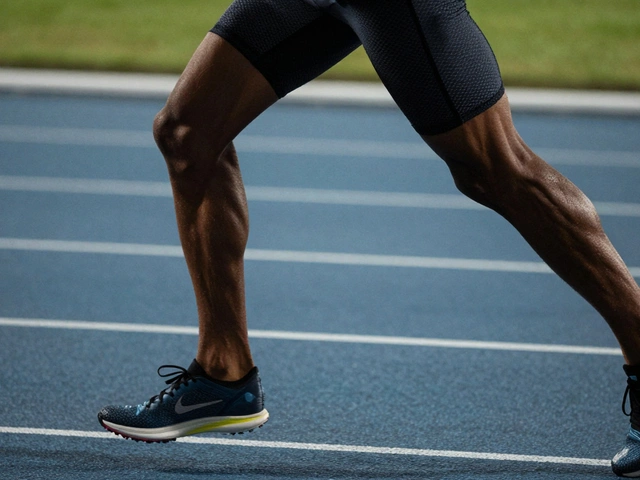
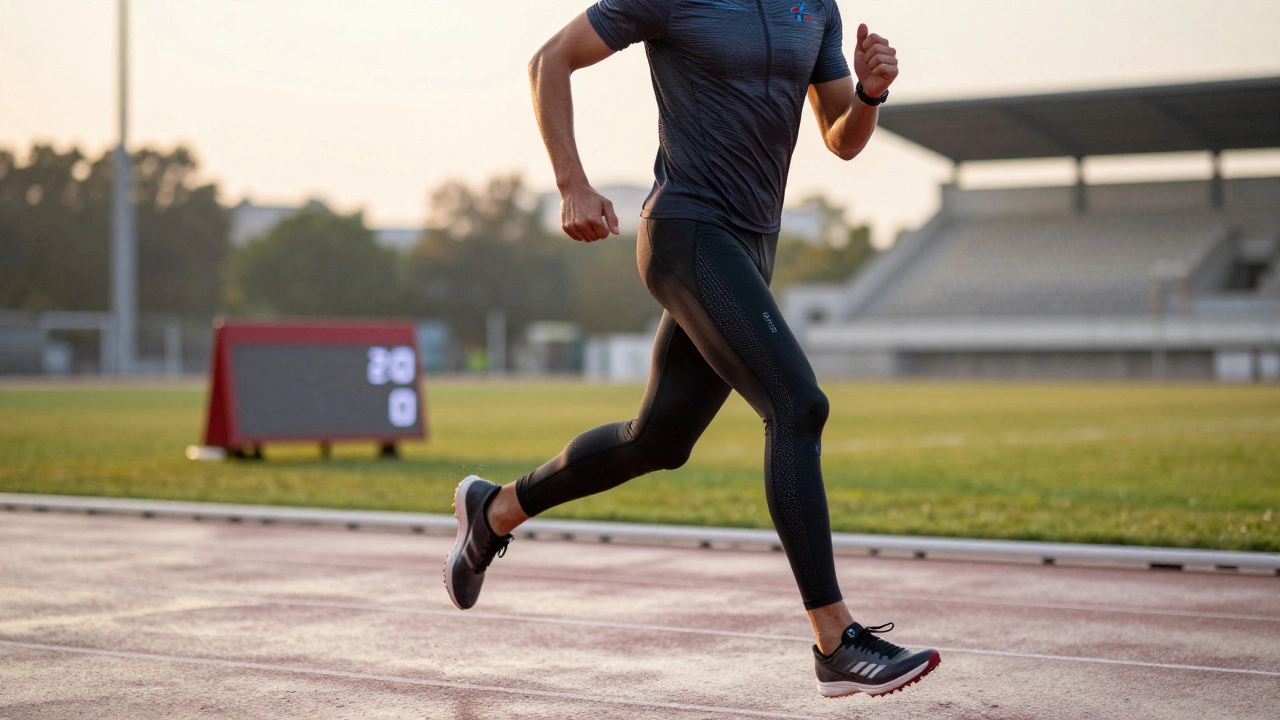
Sportswear is engineered for actual competition or high-intensity training. Think Olympic runners in compression tights, soccer players in moisture-wicking jerseys, or tennis players in breathable shorts. These aren’t just clothes-they’re gear. Every seam, fabric blend, and cut is chosen to handle sweat, impact, and motion under pressure.
Brands like Nike Pro, Under Armour HeatGear, and Adidas ClimaCool design sportswear with one goal: to give athletes an edge. That means fabrics like polyester-spandex blends that pull sweat away from the skin, flatlock seams to prevent chafing during long sprints, and reinforced knees or elbows for durability. You’ll also find built-in support-like compression panels in running tights or built-in bras in sports bras-that’s tested in labs, not just stitched in a factory.
Sportswear often has specific certifications. For example, many running tops meet UPF 50+ standards for sun protection, and swimwear is tested for chlorine resistance. If you’re playing a sport seriously-whether it’s basketball, cycling, or CrossFit-sportswear is what you need.
Activewear Is Made for Movement, Not Competition
Activewear is the everyday cousin of sportswear. It’s designed for low-to-moderate movement: yoga sessions, brisk walks, errands, or working from home in leggings. You’ll see it everywhere-from grocery stores to co-working spaces. Brands like Lululemon, Athleta, and Gymshark dominate this space because they’ve mastered the balance between function and fashion.
Activewear focuses on comfort, flexibility, and style. The fabrics are soft, often with a slight stretch and a smooth finish. You’ll find more cotton blends, bamboo fibers, or brushed polyester that feels cozy against the skin. Unlike sportswear, activewear doesn’t need to handle heavy sweat or extreme motion. A yoga pant might have a high waist for coverage, but it won’t have the compression zones of a running tight.
Here’s the key difference: activewear doesn’t need to perform under pressure. It’s made to look good while you move casually. That’s why you’ll see more prints, colors, and details like pocket flaps, decorative stitching, or faux lace trims. It’s fashion first, function second.
Material Matters
The fabric tells you everything. Sportswear is almost always synthetic: polyester, nylon, spandex. These materials are chosen because they don’t hold moisture, dry fast, and resist odor buildup. Some even use silver-ion tech to fight bacteria-critical for athletes who train daily.
Activewear uses those synthetics too, but often blends them with natural fibers. You’ll find bamboo-cotton mixes, TENCEL™ lyocell, or even organic cotton in activewear lines. These feel softer and are more breathable for casual use, but they don’t wick sweat as efficiently. If you sweat heavily during a HIIT class in bamboo leggings, you’ll notice the difference.
And don’t be fooled by marketing terms like "performance fabric" on activewear labels. That’s often just a buzzword. Real performance fabric has been tested in labs for moisture management, UV protection, and durability under stress. If a brand doesn’t list technical specs, it’s likely not sportswear.
Fit and Function Are Different
Sportswear fits like a second skin. Compression is intentional-it improves blood flow, reduces muscle vibration, and helps recovery. Running tights have targeted support around quads and hamstrings. Cycling shorts come with padded liners. Basketball shorts are cut high to allow full range of motion without riding up.
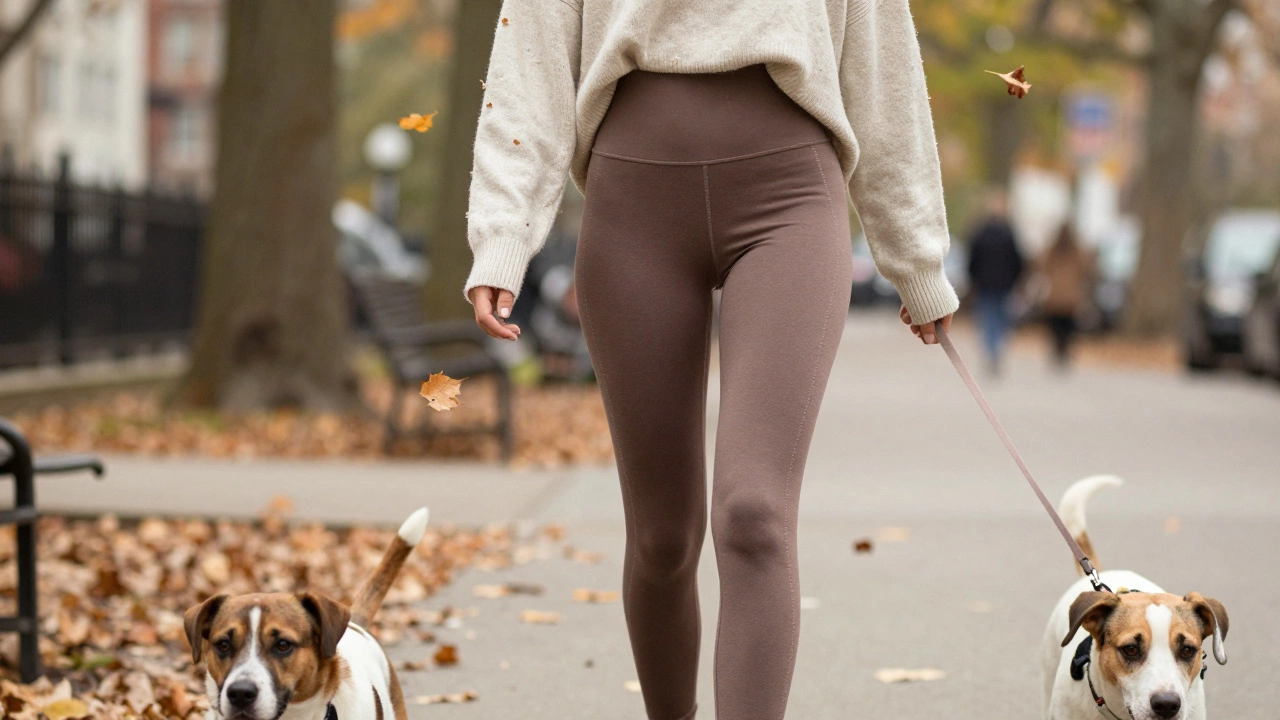
Activewear, on the other hand, is looser. It’s designed for comfort, not control. A pair of activewear leggings might have a wide waistband for comfort, but no compression. You can wear them all day without feeling restricted. That’s great for walking the dog or scrolling on the couch-but not for sprint intervals.
Also, sportswear often has hidden features: zippered pockets for keys, reflective strips for night runs, or ventilation panels under the arms. Activewear might have pockets too, but they’re usually decorative or too shallow for anything practical.
When to Wear What
Here’s a simple rule: if you’re sweating hard, pushing your limits, or competing-wear sportswear. If you’re moving gently, staying active between meetings, or just want to look put-together while being comfortable-activewear works.
Try this test: if you’d feel embarrassed wearing it to a race, it’s probably activewear. If you’d feel naked without it during a 5K, it’s sportswear.
For example:
- Wearing compression shorts to a spin class? That’s sportswear.
- Wearing the same shorts to a yoga class and then to brunch? That’s activewear.
- Running in leggings that sag at the knees after 20 minutes? Those aren’t sportswear-they’re poorly made activewear.
- Wearing a sports bra with no support during a jog? You’re risking injury. That’s not activewear-it’s a mistake.
Price and Value
Sportswear usually costs more. A pair of performance running tights from Nike or Saucony can run £70-£120. Why? Because they’re built to last through hundreds of miles and washes. The fabric doesn’t pill, the seams don’t unravel, and the support stays intact.
Activewear can be cheaper-£30-£60 for leggings-but it’s often not built for heavy use. You might get a great-looking pair that looks perfect on Instagram, but after three washes, the waistband loses its grip or the fabric turns see-through.
That doesn’t mean activewear is a bad buy. It’s just not meant for the same use case. If you’re not training hard, you don’t need the tech. But if you are, spending more on sportswear saves you money in the long run. You won’t need to replace it every six months.
Common Mistakes People Make
Here’s what goes wrong:
- Wearing activewear to the gym and wondering why your leggings get see-through when you bend over.
- Buying sportswear for casual wear and feeling too tight or restricted all day.
- Assuming "athletic wear" means the same thing as sportswear-brands use that term loosely to sell more.
- Choosing based on looks alone. Just because it’s on a model in a magazine doesn’t mean it’ll work for your body or activity.
The biggest mistake? Thinking they’re interchangeable. They’re not. It’s like using a hiking boot for a marathon-you might get by, but you’ll pay for it later.
Final Takeaway
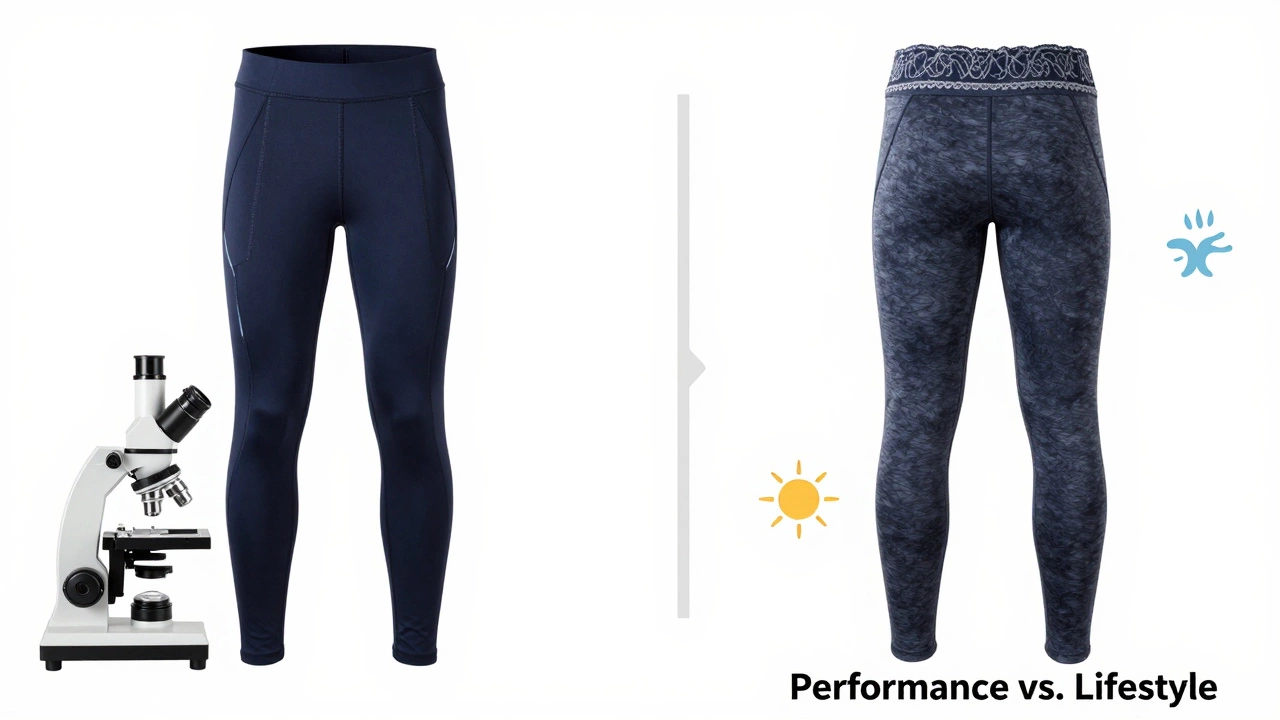
Sportswear = performance. Activewear = lifestyle.
You don’t need sportswear if you’re walking your dog or doing gentle yoga. But if you’re training hard, racing, or lifting heavy, you’re doing yourself a disservice by skimping on the right gear. And if you’re just moving through your day comfortably, activewear gives you style without the cost or restriction of performance gear.
Know your activity. Know your fabric. Know your need. Then choose wisely. Because the right clothes don’t just look good-they help you move better, feel better, and stay active longer.
Can I wear activewear for running?
You can, but you shouldn’t if you’re running regularly or at speed. Activewear lacks the moisture-wicking, compression, and durability of sportswear. You’ll likely get chafing, see-through fabric, or sagging waistbands after a few runs. For anything beyond a casual jog, sportswear is the better-and safer-choice.
Is sportswear too tight for everyday use?
Yes, often. Sportswear is designed to compress muscles and stay locked in place during intense movement. That makes it uncomfortable for sitting at a desk, commuting, or lounging. Activewear is softer, looser, and more breathable for all-day wear. Wear sportswear when you’re training, not when you’re relaxing.
Why do some brands call everything "athletic wear"?
It’s marketing. "Athletic wear" is a broad term that covers both sportswear and activewear. Brands use it to appeal to more customers-whether you’re training for a marathon or just want cute leggings. But the label doesn’t tell you the function. Always check the fabric, fit, and intended use-not the name.
Do I need separate gear for different sports?
Yes, if you’re serious. Running tights aren’t ideal for swimming. Basketball shorts don’t offer the core support needed for weightlifting. Even within sportswear, gear is specialized. A cycling jersey has padding for the saddle. A swimwear suit resists chlorine. Match the gear to the sport for safety and comfort.
Can activewear be worn as sportswear in a pinch?
For a one-time, low-intensity workout-yes. A yoga session or light walk won’t destroy activewear. But don’t rely on it. Over time, the fabric will break down faster, lose shape, and won’t perform. If you’re working out regularly, invest in proper sportswear. It’s not a luxury-it’s a necessity for safety and longevity.