What Does Sportswear Include? A Complete Guide to Athletic Apparel
- Cleo Fairchild
- 31 August 2026
- 0 Comments
Sportswear Classifier & Guide
Not sure if that new hoodie counts as sportswear? Select the primary use case and fabric type below to find out.
You’ve probably stood in a store aisle, staring at racks of leggings, jerseys, and moisture-wicking tees, wondering where the line is drawn. Is that hoodie sportswear? What about those stylish sneakers you wear to brunch? The term sportswear is clothing designed for physical activity or athletic events, characterized by functionality, comfort, and durability. But in today’s market, it has blurred into everyday fashion. Understanding what actually falls under this umbrella helps you build a wardrobe that works as hard as you do, whether you’re hitting the gym or just running errands.
The Core Definition: Function Over Fashion
At its heart, sportswear isn’t just about looking good while working out. It’s engineered performance gear. Unlike casual streetwear, which prioritizes aesthetics, sportswear focuses on how fabric interacts with your body during movement. Think breathability, flexibility, and moisture management. If a piece of clothing helps you run faster, lift heavier, or stay dry during a yoga session, it belongs in this category. This functional distinction is key when you’re trying to decide if a new purchase is truly athletic apparel or just trendy leisurewear.
Tops: Beyond the Basic Tee
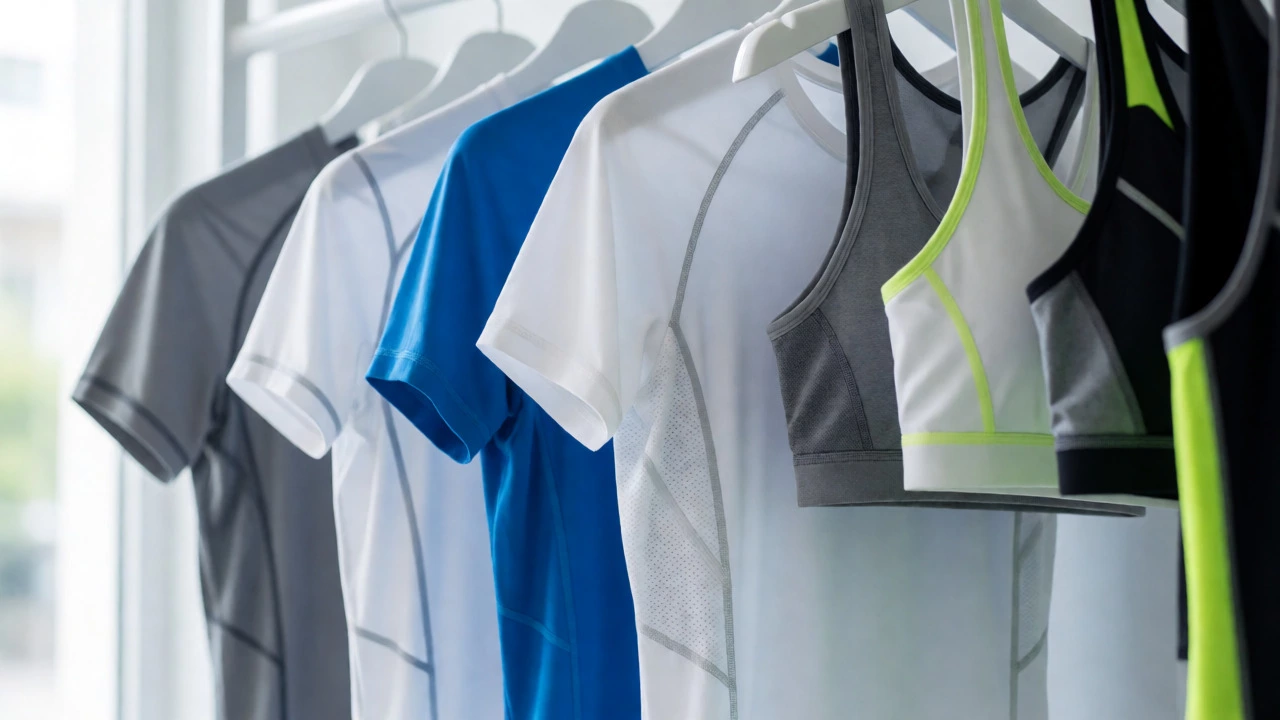
The top half of your kit does more than cover your torso. Modern performance tops use synthetic blends like polyester and elastane to wick sweat away from skin, keeping you cool and preventing chafing. You’ll find several distinct types here:
- Compression Shirts: These fit tightly against the skin to improve blood flow and reduce muscle fatigue. They are essential for runners and cyclists who need support during long-duration activities.
- Moisture-Wicking Tees: Standard workout shirts now feature hydrophobic fibers that pull sweat to the surface for quick evaporation. Cotton, by contrast, absorbs sweat and becomes heavy and cold.
- Sports Bras: Often overlooked, these are critical structural components for female athletes. High-impact bras minimize breast movement, protecting Cooper’s ligaments from strain during high-intensity workouts.
- Cycling Jerseys: Designed with aerodynamic cuts and rear pockets, these are specific to road cycling but often cross over into general fitness wear due to their lightweight nature.
Bottoms: Mobility and Support
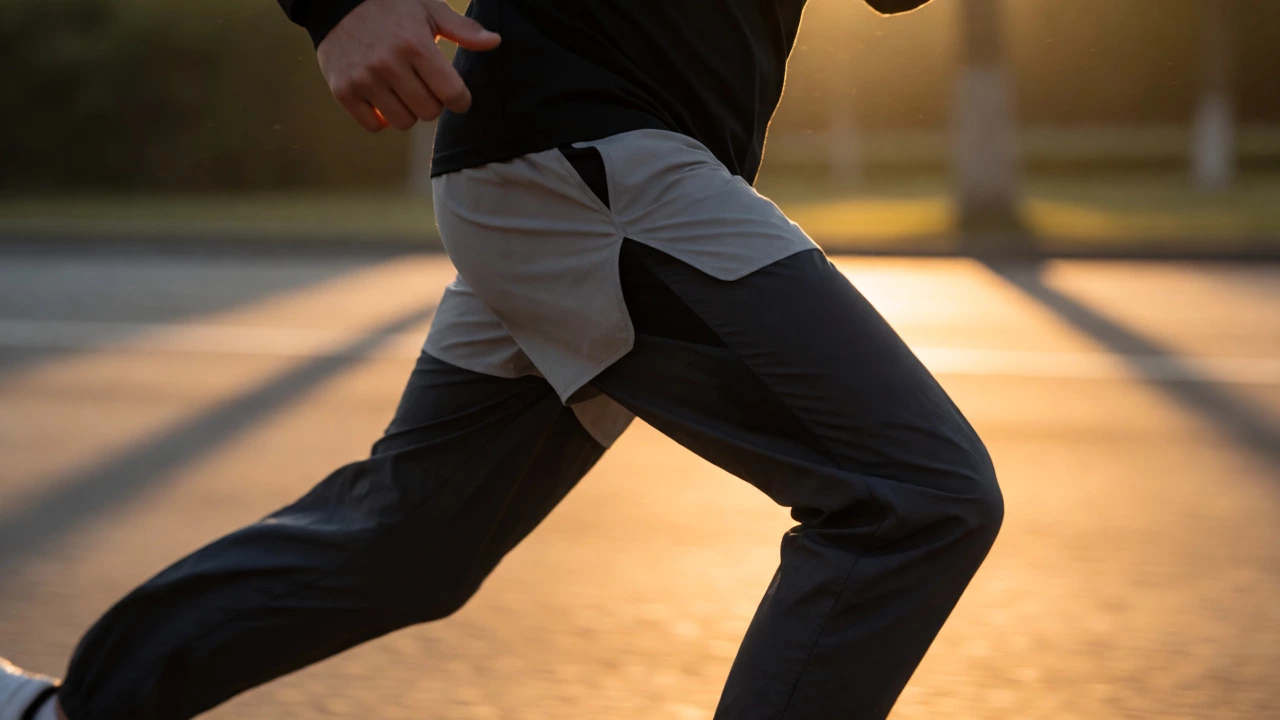
If tops manage heat, bottoms manage range of motion. The best athletic pants and shorts allow full extension without restricting stride or squat depth. Leggings have become a staple not just for yoga studios but for daily wear, thanks to four-way stretch fabrics that move in all directions. However, true sportswear bottoms vary significantly by discipline.
| Type | Primary Feature | Best For |
|---|---|---|
| Running Shorts | Lightweight, split-hem design for stride freedom | Long-distance running, track events |
| Training Tights | High compression, opaque fabric, pocket options | Gym workouts, weightlifting, HIIT |
| Cycling Bibs | Padded chamois for saddle comfort, suspenders | Road and mountain biking |
| Track Pants | Loose fit, tapered cuffs, wind-resistant material | Warm-ups, outdoor training in cold weather |
Footwear: The Foundation of Athletic Performance
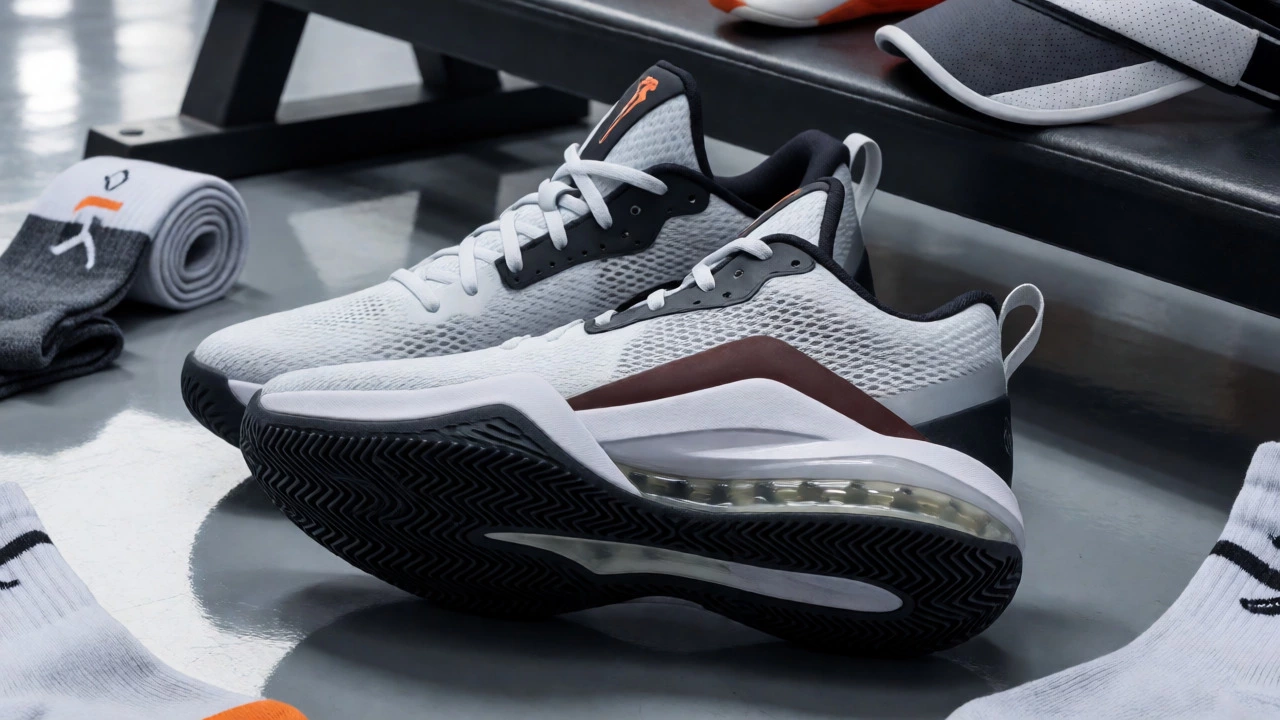
You can’t talk about sportswear without discussing shoes. While technically a separate category in retail, footwear is integral to the athletic ecosystem. Different sports demand different shoe architectures. Running shoes prioritize cushioning and forward motion, while basketball shoes offer lateral support for side-to-side jumps. Tennis shoes need durable soles for abrasive courts. Wearing the wrong shoe can lead to injury, so matching footwear to your primary activity is non-negotiable. Brands like Nike, Adidas, and Asics spend millions researching biomechanics to create these specialized tools.
Outerwear: Protection from the Elements
Outdoor athletes face wind, rain, and cold. This is where technical outerwear comes in. Unlike a standard denim jacket, a running windbreaker uses ripstop nylon that blocks wind but remains breathable enough to prevent overheating. Softshell jackets add water resistance and stretch for climbing or hiking. In winter, thermal base layers made from merino wool or synthetic fleece trap body heat without adding bulk. These pieces are designed to be layered, allowing you to adjust insulation as your body temperature rises during exercise.
Accessories: The Small Details That Matter
Small items often get ignored, yet they enhance performance significantly. Moisture-wicking socks prevent blisters by reducing friction and keeping feet dry. Headbands and wristbands keep sweat out of your eyes and hands. Compression sleeves aid recovery after intense sessions. Even hats play a role; visors shield eyes from sun glare during tennis matches, while beanies retain heat during cold-weather runs. These accessories complete the sportswear package, addressing minor discomforts that could otherwise distract from your workout.
Athleisure: When Sportswear Meets Streetwear
Here’s where things get tricky. Athleisure refers to clothing designed for both exercise and casual wear. Yoga pants worn to a coffee shop are athleisure. But are they sportswear? Technically, yes, because they originated as functional athletic gear. However, many athleisure brands sacrifice performance features for style. A pair of joggers might look like track pants but lack the moisture-wicking properties needed for a serious run. When shopping, check the fabric composition. If it’s mostly cotton, it’s likely lifestyle wear. If it’s a technical blend with elastane, it’s true sportswear.
How to Choose the Right Sportswear for Your Needs
Selecting the right gear depends on your primary activity. Consider these factors before buying:
- Activity Type: High-impact sports like running need supportive structures. Low-impact activities like Pilates require flexible, non-restrictive fits.
- Climate: Hot weather demands light colors and breathable meshes. Cold weather requires layering systems and thermal retention.
- Fabric Technology: Look for terms like "Dri-FIT," "Climalite," or "HeatGear." These indicate proprietary moisture-management technologies.
- Fit: Compression gear should feel snug but not constricting. Loose-fitting items shouldn’t flap excessively, which causes drag and distraction.
Is jeans considered sportswear?
No, traditional jeans are not sportswear. Denim is rigid, heavy when wet, and lacks the elasticity needed for dynamic movement. However, some modern "stretch denim" blends include elastane for better mobility, bridging the gap between casual wear and light activity, but they still don’t match the performance specs of dedicated athletic trousers.
Can I wear running shoes for the gym?
You can, but it’s not ideal for lifting. Running shoes have elevated heels and soft foam midsoles designed for heel-strike protection. This instability can compromise balance during squats or deadlifts. Flat-soled shoes or cross-trainers provide a stable base for weightlifting exercises.
What is the difference between sportswear and activewear?
The terms are often used interchangeably, but there is a subtle distinction. Sportswear typically refers to clothing designed for specific competitive sports (e.g., football kits, tennis dresses). Activewear is broader, encompassing any clothing suitable for physical activity, including gym classes, hiking, or casual exercise. All sportswear is activewear, but not all activewear is designed for competitive sport.
Why is polyester common in sportswear?
Polyester is hydrophobic, meaning it repels water rather than absorbing it. This allows sweat to evaporate quickly, keeping you dry. It also dries fast after washing and resists shrinking and wrinkling. While less breathable than natural fibers alone, modern polyester weaves are engineered for airflow, making it superior for intense workouts compared to cotton.
Do I need compression gear?
Not necessarily. Compression gear can help reduce muscle oscillation and improve proprioception (body awareness), which may benefit endurance athletes. For casual gym-goers, standard fitted athletic wear is usually sufficient. It’s most useful for long-distance running or recovery phases after intense exertion.