What Are Trainers in America? Sneakers vs. Trainers Explained
- Cleo Fairchild
- 5 November 2026
- 0 Comments
US Sneaker Vocabulary & Sizing Guide
Navigate the linguistic divide between British "Trainers" and American "Sneakers." Use this tool to find the right word for your location and ensure you buy the correct size.
Sneakers
The universal default in the Northeast. Used by everyone from kids to CEOs.
Common Terms Across the US
Sneakers
Standard term nationwide, especially in cities.
Tennis Shoes
Dominant in the South, even for non-tennis activities.
Kicks
Slang for stylish or expensive sneakers; common in urban areas.
Gym Shoes
Functional term often used in the Midwest for workout gear.
UK to US Shoe Size Converter
Note: This is a general approximation. Always try on shoes as fits vary by brand (e.g., Nike vs. New Balance).
Test Your Knowledge
Q1: In the Southern US, what is a common term for athletic shoes?
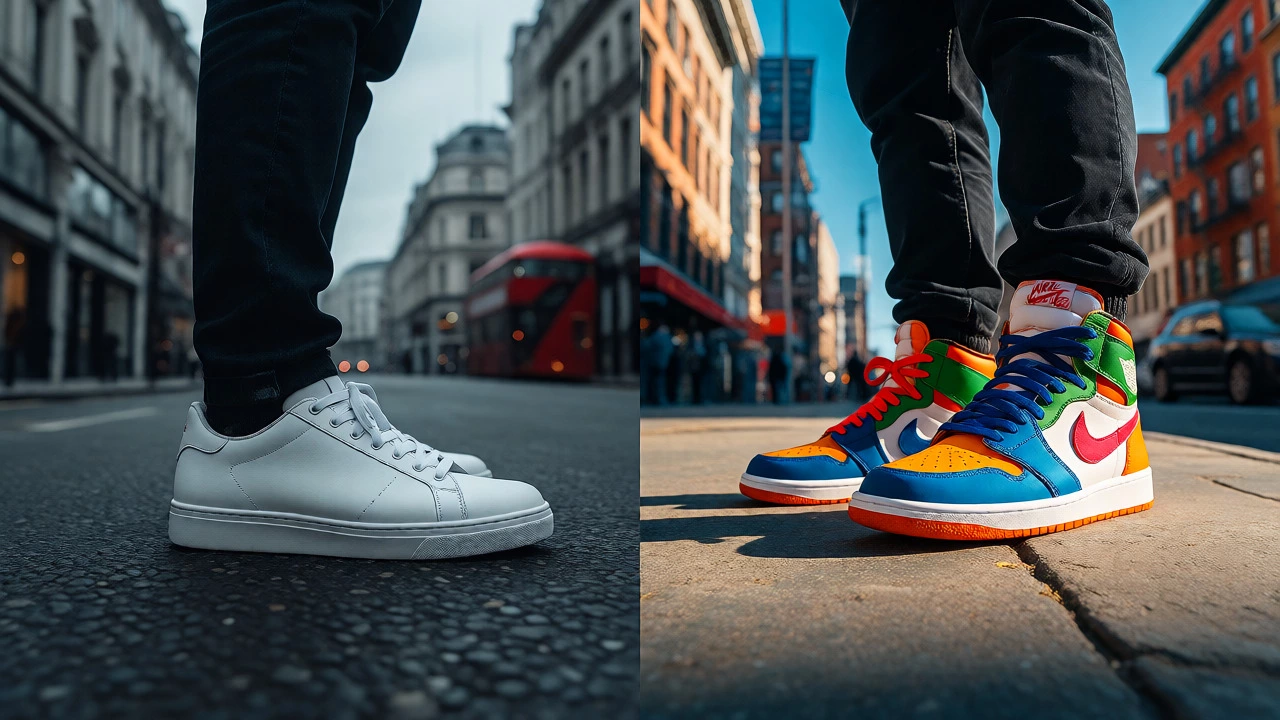
You walk into a store in London and ask for trainers. The clerk nods, points to the wall of rubber-soled shoes, and you’re happy. You fly to New York, do the same thing, and get blank stares. Why does a word that means "shoes" in half the English-speaking world barely register in the other half? It’s not just a translation error; it’s a cultural divide rooted in history, sports, and how Americans talk about their feet.
If you’ve ever wondered why your British friends call them trainers while everyone in the States calls them sneakers, you’re hitting on one of the most persistent linguistic quirks in modern fashion. In America, the word "trainer" isn’t wrong-it’s just rare. But understanding what Americans actually mean when they talk about this category of footwear requires looking past the label and into the shoe itself.
The Great Vocabulary Split: Sneakers vs. Trainers
Here is the hard truth: in the United States, if you say "trainers," people might think you are talking about a personal fitness coach who helps you lift weights. They won’t immediately picture a pair of Nikes or Adidas. The dominant term in American English is sneakers, which is a type of casual shoe with a flexible sole made of rubber or synthetic material, designed primarily for sports but widely worn for everyday comfort.
Why the difference? It comes down to etymology. The British term "trainer" is short for "training shoe." It emerged in the late 19th century as sports became more organized in schools and clubs across the UK. The name stuck because these shoes were literally used for training. In the US, the story took a different turn. The term "sneaker" dates back to the late 1800s too, but it focused on the noise-or lack thereof. Rubber soles allowed wearers to move quietly, or "sneak" around, unlike the clunky leather boots common at the time. That quiet advantage defined the identity of the shoe in America forever.
So, when an American hears "trainers," they might understand it if context is clear, especially among younger generations influenced by global pop culture. But if you want to shop effectively in Chicago or Los Angeles, you need to speak the local dialect. You aren't buying trainers; you're buying sneakers, tennis shoes, or kicks.
Regional Variations: Tennis Shoes and Beyond
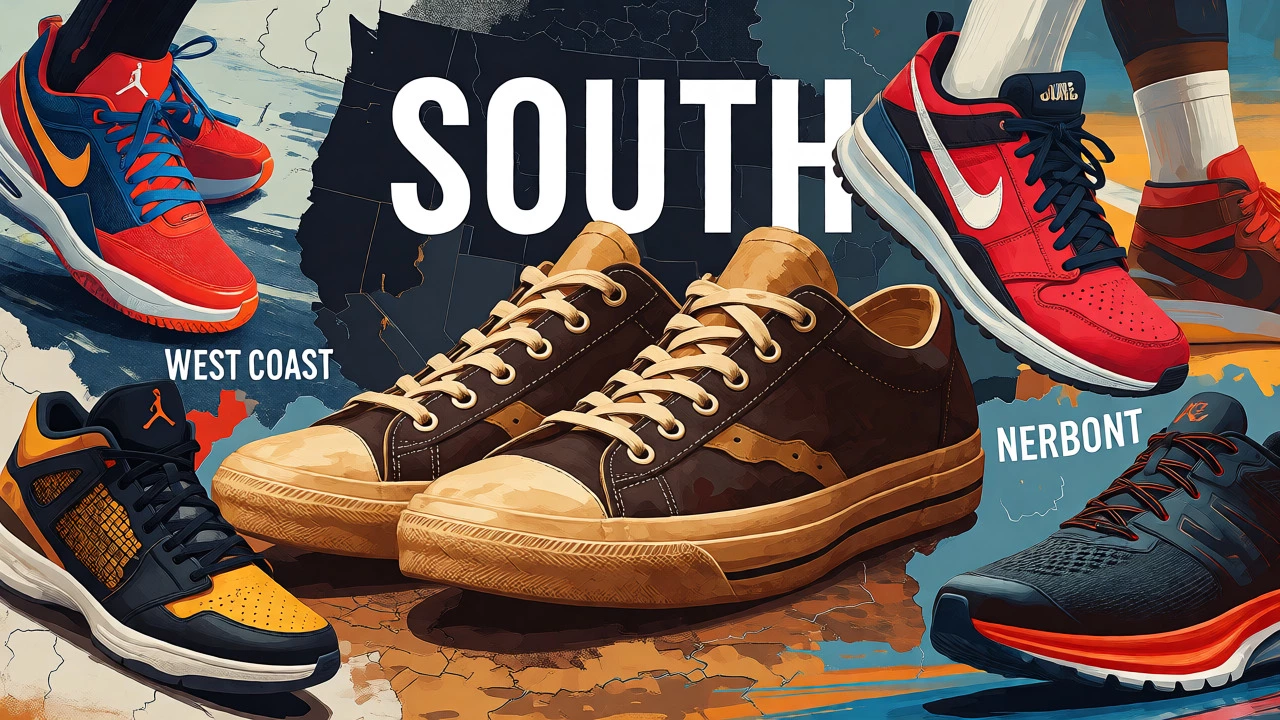
Even within the US, there isn’t total uniformity. If you travel from the Northeast to the South, the vocabulary shifts again. This is where things get interesting for anyone trying to navigate American retail.
| Region | Common Term | Context & Nuance |
|---|---|---|
| Northeast (NYC, Boston) | Sneakers | The universal default. Used by everyone from kids to CEOs. |
| South (Atlanta, Texas) | Tennis Shoes | Still widely used, even for running shoes. A holdover from mid-20th-century usage. |
| Midwest | Gym Shoes / Kicks | "Gym shoes" implies functionality; "kicks" is slang for stylish sneakers. |
| West Coast (LA, SF) | Kicks / Hypebeasts | Influenced heavily by streetwear culture. Focus on brand names like Jordan or Yeezy. |
Notice that "tennis shoes" is still very much alive in the South. My grandmother in Georgia would never call her white canvas shoes "sneakers." To her, they were tennis shoes, regardless of whether she played tennis. This regional persistence confuses visitors constantly. If you ask for sneakers in a small-town hardware store in Alabama, you’ll get help. If you ask for trainers, you might get a puzzled look until you point at your feet.
Then there is slang. "Kicks" is ubiquitous in urban centers and hip-hop culture. It refers specifically to fashionable, often expensive sneakers. If someone says, "Nice kicks," they are complimenting your style, not your athletic performance. Understanding these layers helps you blend in, whether you’re shopping at a high-end boutique or a discount outlet.
What Counts as a Trainer in the US?
Since we’ve established that Americans rarely use the word, let’s define what the category actually includes. When Brits say "trainers," they cover everything from lightweight running shoes to chunky retro basketball models. Americans segment this market differently, often based on function rather than just form.
- Athletic Performance: These are shoes engineered for specific sports. Running shoes have cushioned heels; basketball shoes have high tops for ankle support; cross-trainers offer lateral stability. Americans buy these based on activity.
- Lifestyle Sneakers: This is the biggest growth area. Think Converse Chuck Taylors, Vans Old Skools, or Nike Air Force 1s. People buy these for looks, not for lifting weights. They are comfortable enough for walking but styled for jeans and t-shirts.
- Retro Classics: Models like the Adidas Stan Smith or Reebok Club C. These originated as sports gear decades ago but now serve purely as fashion staples.
The key distinction in the US is utility versus aesthetics. In the UK, "trainers" is a broad umbrella. In the US, if you show up to a gym in vintage-style lifestyle sneakers, a personal trainer might tell you they aren't suitable for heavy squats. The categorization is stricter here because the fitness industry is massive and highly specialized.
The Rise of Sneaker Culture
You can’t talk about this topic without addressing the elephant in the room: hype. In America, sneakers aren’t just footwear; they are collectibles, status symbols, and sometimes investments. The term "sneakerhead" describes someone who collects limited-edition pairs, often paying thousands of dollars for shoes that retail for under $200.
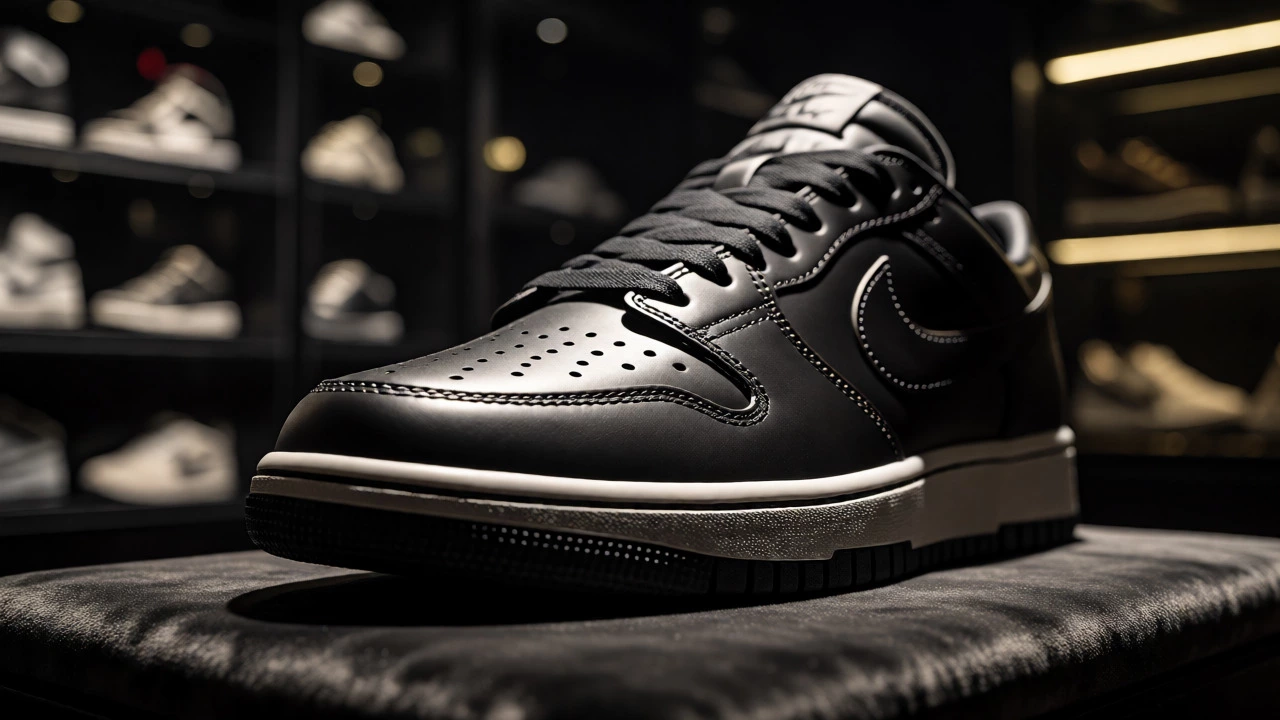
This phenomenon started in the 1980s with the launch of the Air Jordan 1, which revolutionized the sneaker industry by linking basketball performance with celebrity endorsement and scarcity marketing. Michael Jordan didn’t just play basketball; he created a brand. Today, drops from brands like Nike, Adidas, and New Balance create lines around stores at 4 AM. Resale markets thrive on platforms like StockX and GOAT, where a pair of "Dunks" can appreciate in value like stocks.
Does this affect the average person? Yes. Even if you don’t care about hype, the sheer volume of marketing shapes what is available. Stores prioritize trendy colorways over practical ones. If you want a simple, plain black running shoe, you might have to dig through racks of neon-colored, logo-heavy designs. The American market leans heavily toward visual impact.
Shopping Tips for Visitors
If you’re visiting the US and need new shoes, here’s how to navigate the confusion. First, ignore the word "trainer." It’s not helpful. Second, know your size conversion. US sizes are two numbers larger than UK sizes. A UK 9 is a US 11. Get this wrong, and you’ll be limping home.
Third, understand the return policies. American retail is generous with returns. Most major chains allow you to try shoes indoors and return them within 30 days if they don’t fit. This is crucial because sizing varies wildly between brands. A Nike size 10 might feel like a New Balance size 9.5. Always try before you buy, or order multiple sizes if shopping online.
Finally, consider the season. In winter, you might see "boots" marketed alongside sneakers. Waterproof sneakers exist, but they are niche. If you’re going to snowy regions, stick to dedicated winter footwear. In summer, breathable mesh sneakers dominate. The climate dictates the inventory.
Why Terminology Matters More Than You Think
Language shapes perception. By calling them "sneakers," Americans emphasize stealth and casualness. By calling them "trainers," Brits emphasize purpose and exercise. This subtle shift affects how people wear them. In London, wearing trainers to a nice dinner is increasingly acceptable. In many parts of the US, traditionalists still view sneakers as strictly casual or athletic. Wearing them to a formal event can be seen as sloppy, though this is changing rapidly in tech hubs like San Francisco.
The blurring of lines is happening globally, but the vocabulary remains a barrier. As globalization continues, will "trainer" eventually become common in the US? Unlikely to replace "sneaker," but it might enter the lexicon as a synonym, much like "pants" and "trousers" coexist. For now, stick to the local script. It saves you awkward moments and ensures you get the right pair of shoes.
Are trainers and sneakers the same thing?
Yes, physically they are the same type of shoe: casual footwear with rubber soles. The difference is purely linguistic. "Trainers" is British English, while "sneakers" is American English. However, in the US, the term "trainer" is almost exclusively reserved for people who work out others, not the shoes themselves.
Why do Southerners call them tennis shoes?
This is a regional dialect variation. Historically, canvas shoes were associated with playing tennis, and the term stuck in the Southern US long after other regions switched to "sneakers." It persists today as a common colloquialism, regardless of whether the wearer plays tennis.
Can I buy trainers in America?
You can buy the shoes, but you shouldn't ask for them by that name. Use terms like "sneakers," "athletic shoes," or specify the brand (e.g., "Nikes"). If you ask for "trainers," staff may direct you to the fitness section or look confused.
Is it rude to wear sneakers in America?
Generally, no. Sneakers are acceptable in almost all casual and semi-casual settings. However, in very formal business environments or upscale restaurants, clean, minimalist sneakers are becoming more accepted, but traditional dress shoes are still the safer bet for strict formal occasions.
What is the US equivalent of "plimsolls"?
Americans typically call plimsolls "canvas sneakers" or refer to them by brand, such as "Keds" or "Converse." The term "plimsoll" is virtually unknown in the US.