Top 3 Women's Boot Brands: A 2026 Buyer’s Guide
- Cleo Fairchild
- 16 November 2026
- 0 Comments
Women's Boot Brand Finder
Answer three quick questions to find the perfect boot for your needs.
You’re standing in a shop or scrolling through an online store, staring at a pair of boots that costs more than your weekly grocery run. You wonder: is this just hype, or are you actually buying quality? It’s a fair question. The boot market is flooded with options, but only a handful of brands consistently deliver the durability, comfort, and style that justify their price tags. If you want to stop guessing and start investing wisely, you need to know which names actually hold up over time.
Why Brand Reputation Matters for Boots
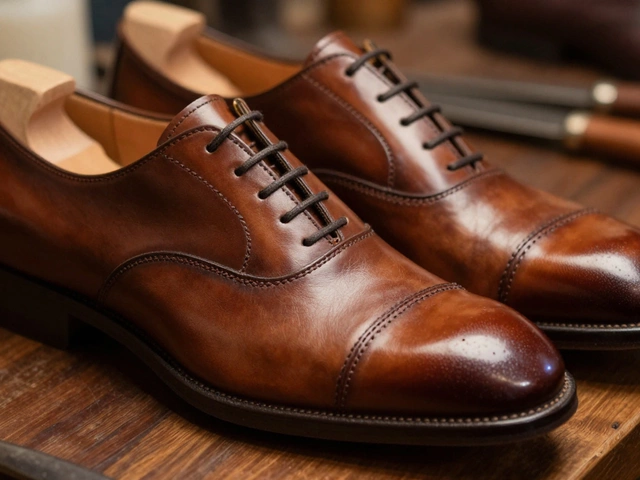
Not all shoes are created equal. While sneakers might last a year or two with heavy use, a good pair of boots should survive five winters, multiple job changes, and countless rainy days in Bristol. Why does brand matter here? Because construction methods vary wildly. Cheap boots use glue; expensive ones often use Goodyear welt or Blake stitch construction, meaning they can be resoled. When you buy from a reputable brand, you aren’t just paying for a logo. You’re paying for leather sourcing standards, ergonomic design teams, and supply chain transparency.
Think about it this way: if you buy a $50 pair of synthetic boots, you might replace them three times before you break even on a $150 pair of genuine leather boots that lasts six years. The math favors quality, provided you pick the right manufacturer. So, who are the winners?
Dr. Martens: The Icon That Keeps Going
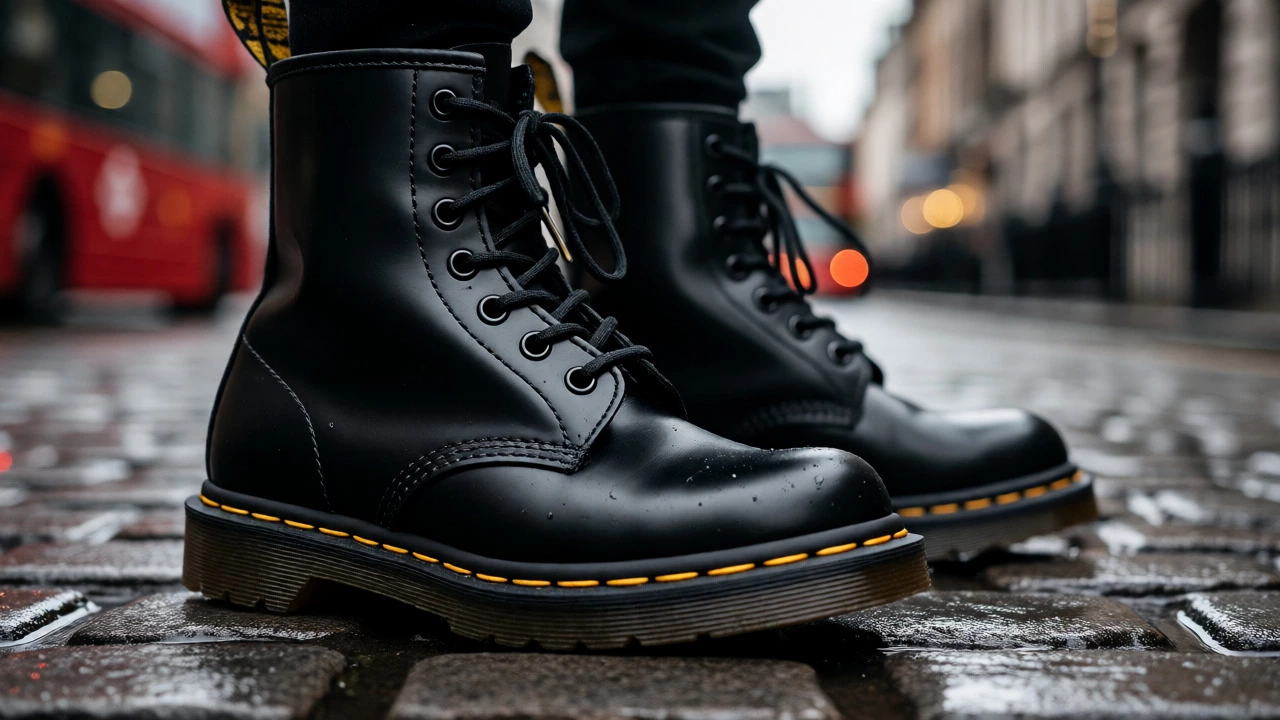
If you ask anyone under forty what comes to mind when they hear "boots," they’ll likely say Dr. Martens. Founded in Germany in 1947 by Klaus Märtens and later refined by Bill Griggs in England, this brand has become synonymous with alternative fashion and practical durability. Their signature yellow stitching and air-cushioned sole are instantly recognizable.
| Attribute | Detail |
|---|---|
| Origin | Germany/UK |
| Key Feature | AirWair Sole (shock absorbing) |
| Material | Smooth Leather, Vegan Options |
| Lifespan | 5-10 years with care |
| Best For | Urban wear, casual styling |
The reason Dr. Martens remains a top contender isn't just nostalgia. The AirWair sole technology provides excellent shock absorption, which saves your knees after walking on concrete pavements all day. However, there is a catch. New pairs require a breaking-in period that can feel brutal. Some users report blisters for the first two weeks. But once broken in, they mold to your foot shape like no other mass-produced boot. They are also highly customizable-you can paint them, add laces, or polish them. If you value style and longevity over immediate comfort, this is your pick.
Timberland: Built for Tough Weather
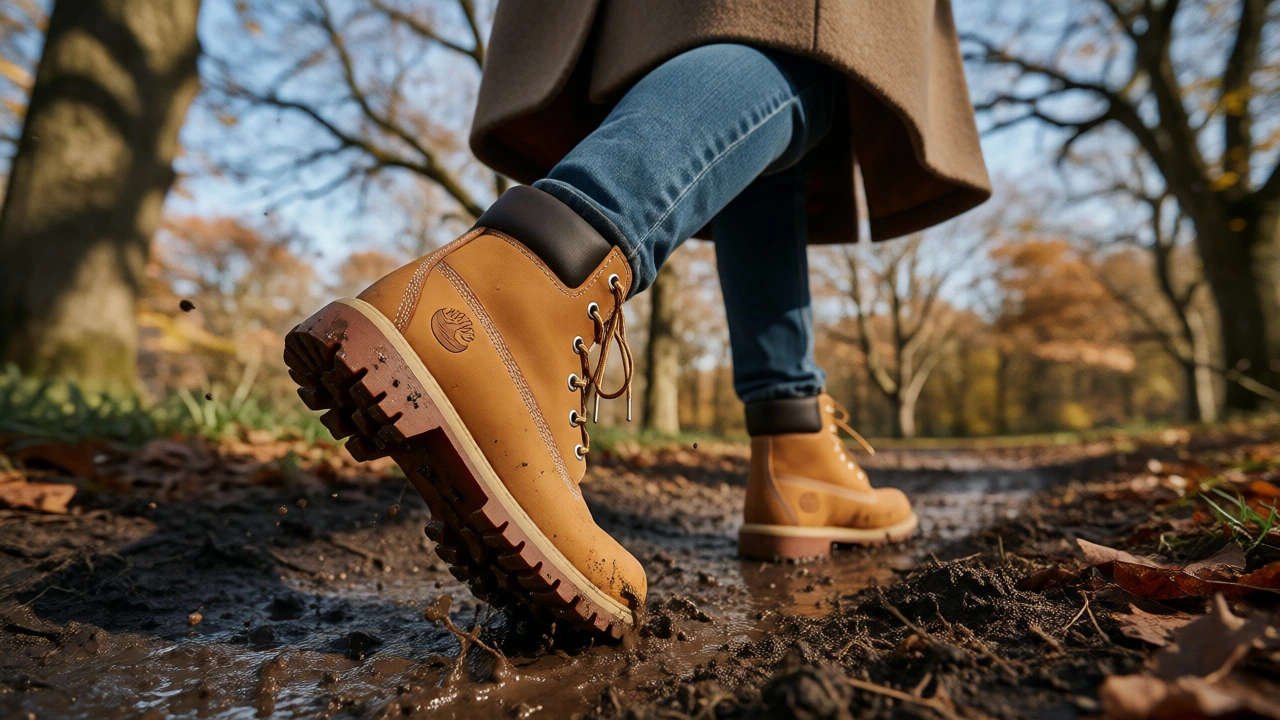
While Dr. Martens owns the pavement, Timberland owns the mud. Originally launched in 1973 as the "Yellow Boot," Timberland revolutionized workwear by creating a waterproof boot that didn’t look like it belonged on a construction site. Today, they balance rugged utility with streetwear appeal.
What makes Timberland stand out is their commitment to sustainability and weather resistance. Their premium boots often feature eco-conscious materials, such as recycled plastic bottles used in the lining. More importantly, they use seam-sealed waterproof construction. In a place like the UK, where rain is a lifestyle rather than an event, this matters. You can step into a puddle without worrying about wet socks ruining your day.
- Waterproofing: High-grade leather treated with natural oils.
- Grip: Anti-fatigue footbeds with aggressive tread patterns.
- Versatility: Works equally well for hiking trails and city offices.
Critics sometimes argue that modern Timberlands have lost some of their original ruggedness compared to the 1990s models. There is truth to this-mass production has softened the leather slightly for quicker comfort. Yet, for the average person needing one pair of boots to handle commute, weekend walks, and unexpected downpours, Timberland offers the best balance of protection and ease of use.
Sorel: The Winter Specialist
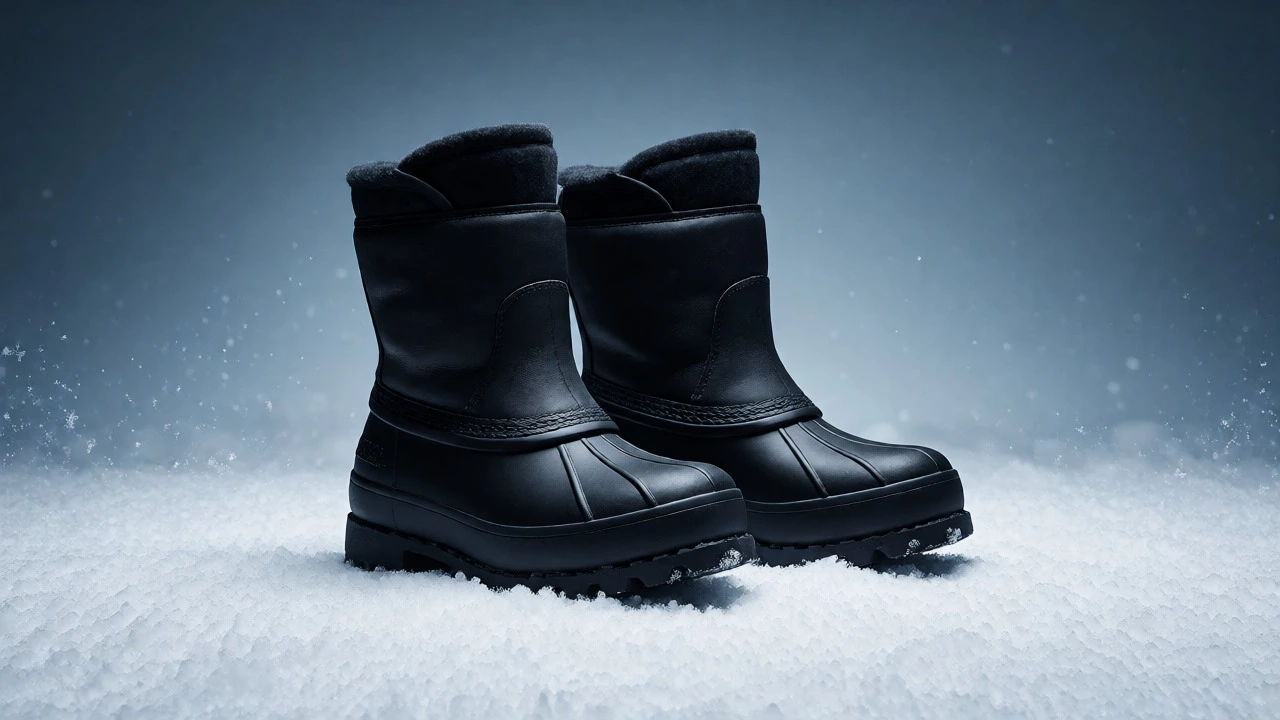
If you live somewhere cold, Dr. Martens will leave your toes numb, and Timberlands might let moisture seep in through the tongue. Enter Sorel. Established in Canada in 1908, Sorel was built specifically for extreme cold. Their boots are not designed for looking sleek; they are designed for survival.
Sorel uses a combination of rubber shells and insulated inner boots. This two-part system means you can remove the inner liner to dry it out overnight-a lifesaver if your feet sweat during the day. Their insulation ratings are transparent, often listing specific temperature limits (e.g., rated to -40°C). This specificity helps you choose exactly what you need rather than hoping for the best.
Are they stylish? Historically, no. They were bulky and utilitarian. But recent collaborations with fashion designers have made Sorel surprisingly chic. You now see them paired with dresses and tailored coats. The trade-off is weight. These boots are heavier than the other two. If you walk ten miles a day, you might find them tiring. But if you prioritize warmth and dryness above all else, Sorel is unbeatable.
How to Choose Between Them
So, which one goes in your closet? It depends on your daily reality. Let’s break it down by scenario.
Choose Dr. Martens if: You spend most of your time indoors or on flat urban surfaces. You care about aesthetics and want a boot that ages gracefully, developing creases that tell a story. You are willing to endure a short pain period for long-term comfort.
Choose Timberland if: You face variable weather. You need a do-it-all boot that transitions from office to outdoor errands. You prefer a softer leather feel right out of the box and appreciate sustainable manufacturing practices.
Choose Sorel if: You live in a region with harsh winters. You value thermal insulation and waterproof integrity over slim silhouettes. You don’t mind carrying extra weight on your feet in exchange for guaranteed warmth.
Maintenance Tips to Double Lifespan
Buying the right brand is half the battle. Keeping them alive is the rest. Most people throw away boots because they neglect basic care.
- Clean regularly: Mud dries hard and cracks leather. Wipe off dirt after every muddy walk with a damp cloth.
- Condition leather: Every three months, apply a conditioner suitable for the material. Dry leather cracks; conditioned leather flexes.
- Rotate your pairs: Never wear the same boots two days in a row. Leather needs 24 hours to dry out completely from internal sweat.
- Store properly: Use shoe trees to maintain shape and prevent deep creasing at the toe box.
Ignoring these steps turns a $150 investment into a $150 regret. Spend ten minutes a month on maintenance, and those boots will still look decent in 2031.
Which brand is better for wide feet?
Timberland generally offers wider fits compared to Dr. Martens, which tend to run narrow. Sorel also accommodates wider feet due to their bulkier design, especially in their snow boot lines. Always check size charts, as sizing varies by model.
Are Dr. Martens vegan options durable?
Yes, Dr. Martens' vegan leather (often called Smooth Vegan) is quite durable and water-resistant. However, it may not breathe as well as genuine leather, potentially leading to warmer feet in summer. With proper cleaning, they can last several years, though they may show scuffs differently than real hide.
Can I resole Timberland boots?
Most standard Timberland boots are cemented (glued), making resoling difficult and often not cost-effective. However, their higher-end heritage lines sometimes use stitched constructions that can be repaired. Check the specific model's construction method before purchasing if resoling is a priority.
Which brand holds its resale value best?
Dr. Martens tends to hold value well, especially limited editions or classic styles like the 1460. Vintage pairs sell quickly. Timberlands have moderate resale value, while Sorel boots typically depreciate faster unless they are rare collaborations.
Is Sorel too heavy for everyday city walking?
For short distances, Sorel is fine. For extensive city walking (5+ miles), they can feel fatiguing compared to lighter options like Dr. Martens or Timberland. Consider using Sorel primarily for weekends or very cold days, and keep a lighter pair for daily commutes.