Best Leather Shoe Brands: A Buyer's Guide for Durability, Style, and Value
- Cleo Fairchild
- 10 May 2026
- 0 Comments
Leather Shoe Brand Finder
Select your priorities below to find the perfect leather shoe brand for your needs.
Why this choice?
Loading...
- Construction -
- Price Range -
- Durability -
- Weather Resistance -
Pro Tip:
Check out our care guide to ensure your new shoes last for years.
Walking into a shoe store can feel like stepping into a minefield of marketing jargon. You see labels promising "genuine leather" on pairs that might fall apart in six months, while other pairs costing three times as much promise to last decades. The truth is, the best brand for leather shoes isn't a single name-it depends entirely on what you need them for. Are you hunting for a workhorse that survives daily commutes? Do you need something sharp for formal events? Or are you looking for the perfect balance between price and longevity?
Finding the right pair means understanding how shoes are built, not just who makes them. In this guide, we break down the top contenders across different categories, explain the construction methods that actually matter, and help you decide which brand deserves your money.
Quick Takeaways
- For Heritage & Longevity: Alden Shoes is an American heritage brand known for durable Goodyear welted construction and premium calfskin.
- For Office Versatility: Allen Edmonds is a Wisconsin-based manufacturer offering resoleable shoes with a wide range of styles.
- For Budget-Friendly Quality: Look for brands using Blake Stitching is a construction method that creates a slimmer profile but offers less water resistance than Goodyear welting.
- For Modern Comfort: Brands integrating EVA Midsoles is a lightweight, shock-absorbing foam material used in modern footwear to reduce foot fatigue. provide better all-day wear without sacrificing style.
The Construction Matters More Than the Logo
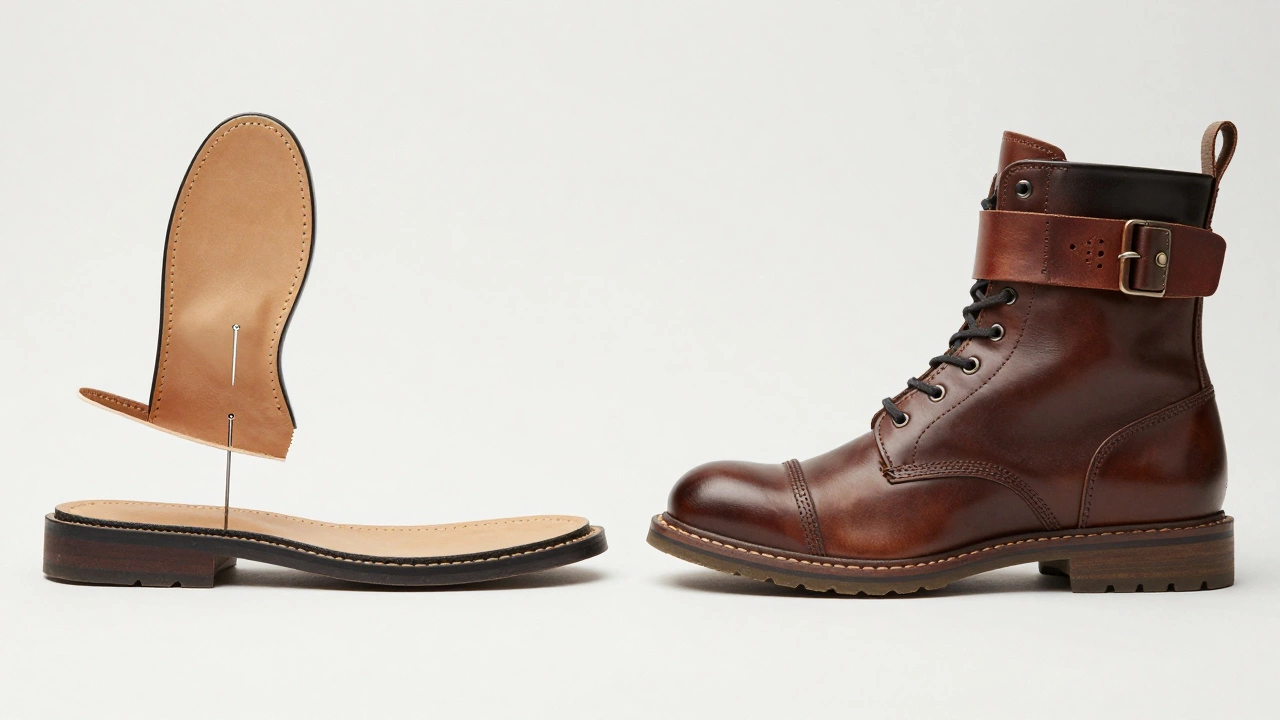
Before picking a brand, you need to understand the skeleton of the shoe. Most people judge leather shoes by their look, but durability comes from how the upper connects to the sole. If you buy a cemented shoe (where glue holds everything together), it’s disposable once the sole wears out. No amount of expensive leather will save it.
To get shoes that last years, look for these two construction types:
- Goodyear Welted: This method stitches a strip of leather (the welt) around the edge of the shoe, attaching both the upper and the sole. It’s bulky but incredibly durable. You can resole these shoes multiple times. Brands like John Lobb is a luxury British shoemaker renowned for hand-welted craftsmanship and superior fit. excel here.
- Blake Stitched: Here, the needle goes through the insole to stitch the upper directly to the sole. It’s sleeker and lighter but harder to resole and less waterproof. Ideal for dress shoes worn indoors.
If a brand doesn’t disclose its construction method, assume it’s cemented. Avoid those if you want long-term value.
Top Brands for Different Needs
No single brand wins every category. Your choice should align with your lifestyle, budget, and climate. Here is how the major players stack up against each other.
| Brand | Construction | Price Range | Best For | Key Attribute |
|---|---|---|---|---|
| Allen Edmonds | Goodyear Welted | $300 - $500 | Office Wear | Resole Service |
| Alden Shoes | Goodyear Welted | $450 - $700+ | Heritage/Durability | Premium Calfskin |
| Crockett & Jones | Goodyear Welted | $600 - $900 | Formal Elegance | British Craftsmanship |
| Grenson | Goodyear Welted | $400 - $600 | Modern Casual | Stylish Designs |
| Rockport | Cemented/Boardlasted | $150 - $250 | Budget/Comfort | Technological Cushioning |
The Heritage Heavyweights
If you want shoes that age beautifully and can be repaired indefinitely, heritage brands are your best bet. These companies have been making shoes for decades or even centuries, refining their lasts (the molds that shape the shoe) over time.
Allen Edmonds is a staple in American menswear, offering consistent quality at accessible prices. Their Park Avenue oxford is arguably the most recognizable business shoe in the US. They offer a free resoling service for life, which is a massive value add. However, their sizing can run large, so try them on first.
Alden Shoes is known for using high-quality leathers from tanneries like Horween and Shell Cordovan. They make shoes in the US but also source some models from Italy. Alden shoes often have a wider toe box, making them comfortable for people with broader feet. They are more expensive upfront but retain value well.
For European flair, Crockett & Jones is a Northamptonshire manufacturer that produces some of the finest dress shoes in the world. Their lines are sleek, elegant, and perfect for suits. If you live in a rainy city, though, you’ll need to treat them regularly because their thin soles aren’t meant for heavy mud.
Modern Comfort Meets Classic Style
Traditional leather shoes can be stiff. Breaking them in takes weeks. Newer brands are blending traditional aesthetics with modern comfort technology. This is where ECCO is a Danish brand famous for direct-injected PU soles that offer excellent flexibility and water resistance. ECCO uses direct injection molding, meaning the sole is fused to the footbed during manufacturing. It’s not resoleable in the traditional sense, but the shoes are incredibly comfortable from day one and last longer than cheap alternatives.
Clarks is a British brand that pioneered air-cushioned heels and remains popular for casual leather loafers. While not suitable for formal occasions, Clarks offers great value for everyday wear. Their Desert Boot is iconic, though note that many current versions use suede rather than smooth leather.
Budget-Friendly Options That Don’t Sacrifice Quality
You don’t need to spend $500 to get decent leather shoes. If you’re on a budget, focus on construction over brand prestige. Florsheim is an affordable American brand that offers Goodyear welted options under $300. They are widely available and easy to find in department stores. The leather quality is good, though not exceptional.
Rockport is known for incorporating athletic shoe technology into dress shoes. They use EVA midsoles and flexible outsoles. While purists criticize them for lacking structure, they are genuinely comfortable for people who stand all day. Just accept that they won’t last as long as welted shoes.
How to Choose Based on Your Climate
Your location dictates your shoe needs. Living in Seattle requires different footwear than living in Phoenix.
- Rainy Climates: Avoid thin leather soles. Look for rubber soles or commandos (lugged soles). Brands like Timberland is known for rugged, waterproof boots and shoes suitable for harsh weather conditions or Alden with rubber soles are ideal. Treat your leather with wax regularly.
- Hot Climates: Breathability is key. Suede or perforated leather works well. Loafers and monk straps allow more airflow than closed laces. Avoid thick insulation.
- Mixed Climates: Go for versatility. A dark brown Goodyear welted shoe with a leather sole can handle dry days, while a black version with a rubber sole handles rain.
Caring for Your Investment
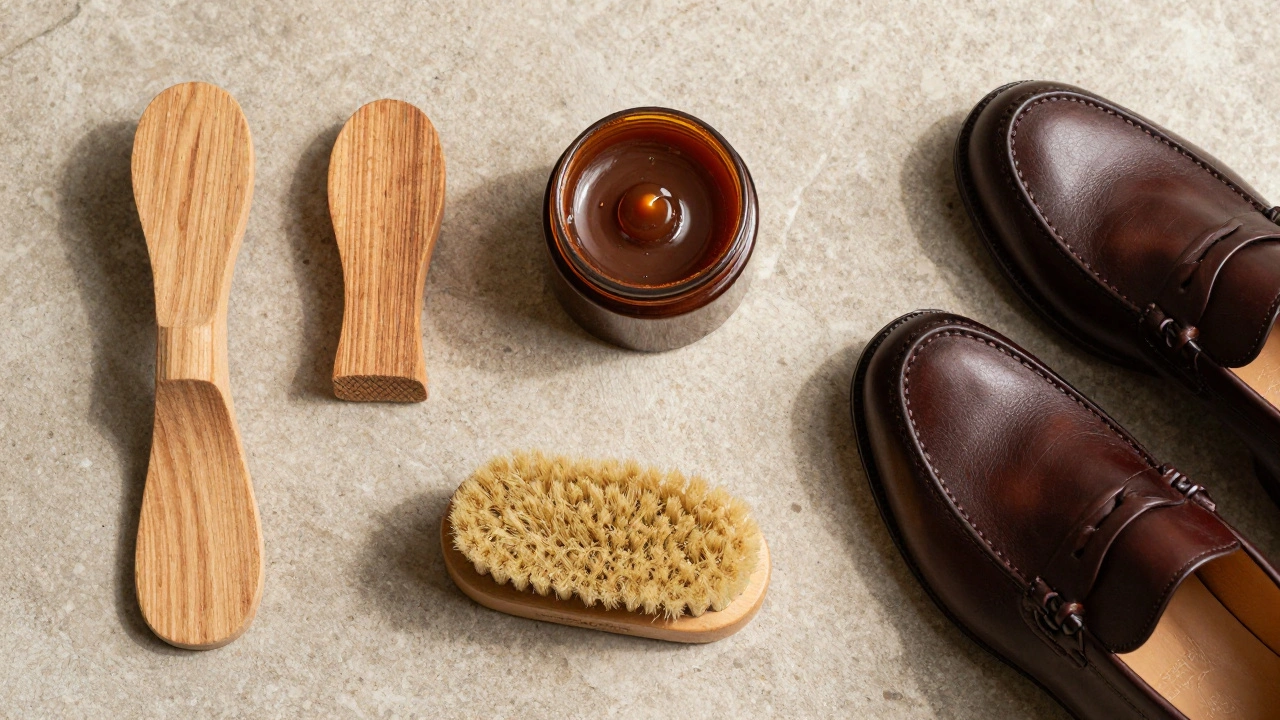
Even the best brand fails if you neglect maintenance. Leather is skin; it dries out and cracks without care. Here is your basic routine:
- Use Shoe Trees: Cedar shoe trees absorb moisture and maintain the shape. Never put away wet shoes without them.
- Rotate Your Pairs: Don’t wear the same shoes two days in a row. Leather needs 24 hours to dry out completely.
- Condition Regularly: Apply a leather conditioner every 3-6 months. This keeps the fibers supple.
- Polish Before Storage: Remove scuffs and polish before putting shoes away for the season.
Ignoring these steps turns a $500 shoe into a $50 disaster within two years.
Common Mistakes to Avoid
Many buyers make costly errors when shopping for leather shoes. Avoid these pitfalls:
- Buying "Genuine Leather": This term often means low-quality split leather with a synthetic coating. Look for "Full Grain" or "Top Grain" instead.
- Ignoring Fit: A shoe should fit snugly but not pinch. There should be a thumb’s width of space between your longest toe and the end of the shoe.
- Overpaying for Trends: Fashion trends fade. Classic styles like Oxfords, Derbies, and Loafers never go out of style. Stick to timeless designs.
What is the most durable leather shoe brand?
Alden Shoes and John Lobb are widely considered the most durable due to their Goodyear welted construction and high-quality materials. These shoes can be resoled multiple times, potentially lasting decades with proper care.
Are expensive leather shoes worth it?
Yes, if you plan to keep them long-term. Expensive shoes use better leather that breathes and ages well, and construction methods like Goodyear welting allow for repairs. Cheap shoes must be replaced frequently, costing more over time.
Which brand is best for wide feet?
Alden Shoes and Allen Edmonds offer multiple width options. Alden is particularly known for its generous toe boxes. Always try on shoes in person and request specific widths (e.g., E or EE).
Can I walk in Goodyear welted shoes every day?
You can, but they require a break-in period. Once broken in, they are very comfortable. However, rotating pairs is essential to prevent excessive wear and allow the leather to recover its shape.
What is the difference between full grain and genuine leather?
Full grain leather is the highest quality, retaining the natural grain and imperfections of the hide. It develops a patina over time. Genuine leather is a marketing term that often refers to lower-quality split leather treated to look like full grain.