How to Look Prettier in Summer: Summer Dresses That Actually Flatter
- Cleo Fairchild
- 16 March 2026
- 0 Comments
Summer isn’t just about heat and sunscreen-it’s about feeling light, confident, and like yourself in clothes that move with you, not against you. Too many people think looking prettier in summer means wearing more skin or following trends that don’t suit their body. The truth? It’s about choosing the right summer dresses-ones that fit your shape, your life, and your comfort level.
Know Your Shape, Not Your Size
You don’t need to be a size zero to look great in a summer dress. What matters is how the dress fits your body’s natural lines. A dress that drapes well over your hips, cinches gently at your waist, or flows away from your midsection will always look better than one that’s too tight or too boxy. Try this: if you can’t comfortably take a deep breath in the dress, or if it pulls across your shoulders or back, it’s not the right fit. No amount of tanning or makeup fixes a bad silhouette.Fabric Matters More Than You Think
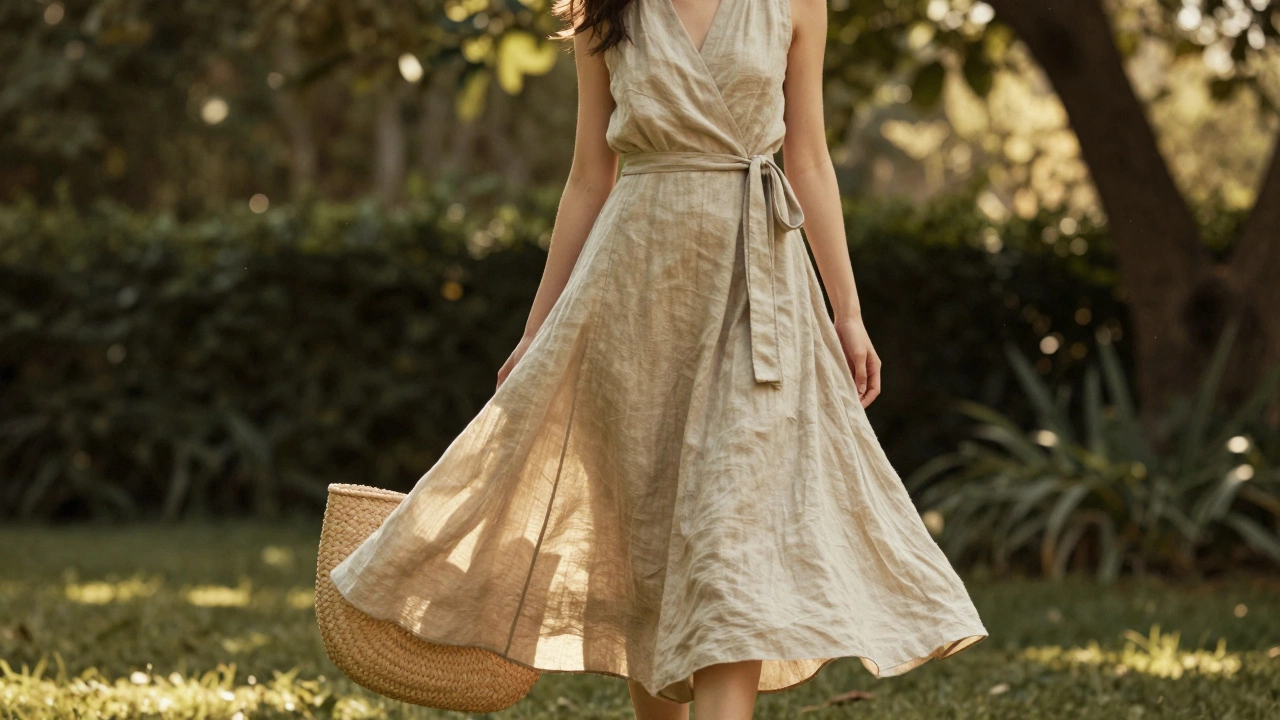
Not all cotton is created equal. A cheap, thin cotton dress will cling, shrink, and turn see-through when you sweat. Look for fabrics like linen, rayon, or TENCEL™. These breathe better, drape softly, and don’t stick to your skin. Linen wrinkles? Yes. But those wrinkles look intentional-like you just stepped out of a seaside café, not a gym. Avoid polyester blends unless they’re labeled as moisture-wicking. Most polyester just traps heat and makes you look shiny.Length Is Your Secret Weapon
Knee-length dresses are the sweet spot for most body types in summer. They’re long enough to feel put-together, short enough to stay cool. Midi lengths (mid-calf) are having a moment, especially if they have slits or A-line cuts-they add elegance without overheating. Avoid maxis unless you’re in a cool climate or walking through air-conditioned spaces. A floor-length dress in 90-degree heat looks like you’re trying too hard. And no, high slits don’t automatically make you look prettier. They can look cheap if they’re not balanced with modest coverage elsewhere.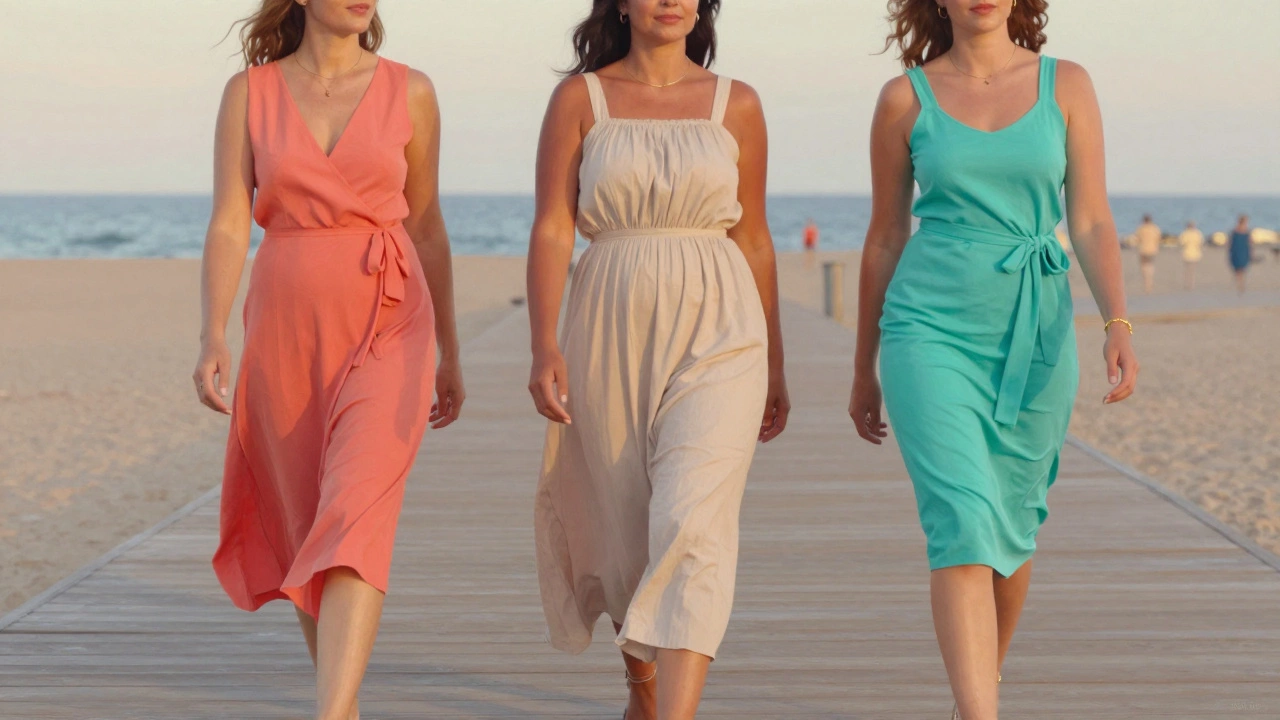
Color and Print: What Actually Works
White and cream are classic, but they’re not foolproof. If you’re pale or prone to redness, off-white or oat tones look more flattering than stark white. Bright colors like coral, turquoise, or emerald green work well on most skin tones-they reflect light and add energy. Avoid neon shades unless you’re at a festival. As for prints, small florals or subtle stripes are timeless. Big, busy patterns can overwhelm your frame. A dress with a print that’s too large makes you look smaller, not more stylish. Stick to prints where the motif is no bigger than the size of your palm.Accessories That Do the Heavy Lifting
A simple dress doesn’t need much. But the right accessories can turn an ordinary look into a standout one. A woven straw bag, thin gold chain necklace, or leather sandals make you look intentional-not lazy. Skip the chunky jewelry-it competes with the dress, not complements it. Sunglasses aren’t just for UV protection; they frame your face and give you instant polish. And don’t forget shoes: a flat sandal with a slight heel (1 inch max) gives you lift without pain. If you’re on your feet all day, choose cushioned soles. No one looks prettier when they’re limping.Fit Is Everything
A dress that’s too loose looks sloppy. One that’s too tight looks uncomfortable. The goal is effortless elegance. Look for dresses with elastic waistbands, adjustable straps, or smocking. These details give you flexibility without needing to size up. If you’re shopping online, check the model’s height and measurements. If the model is 5’10” and you’re 5’3”, that dress will hit differently. Always read the size chart-not just the label. Many brands now include bust, waist, and hip measurements. Compare them to your own.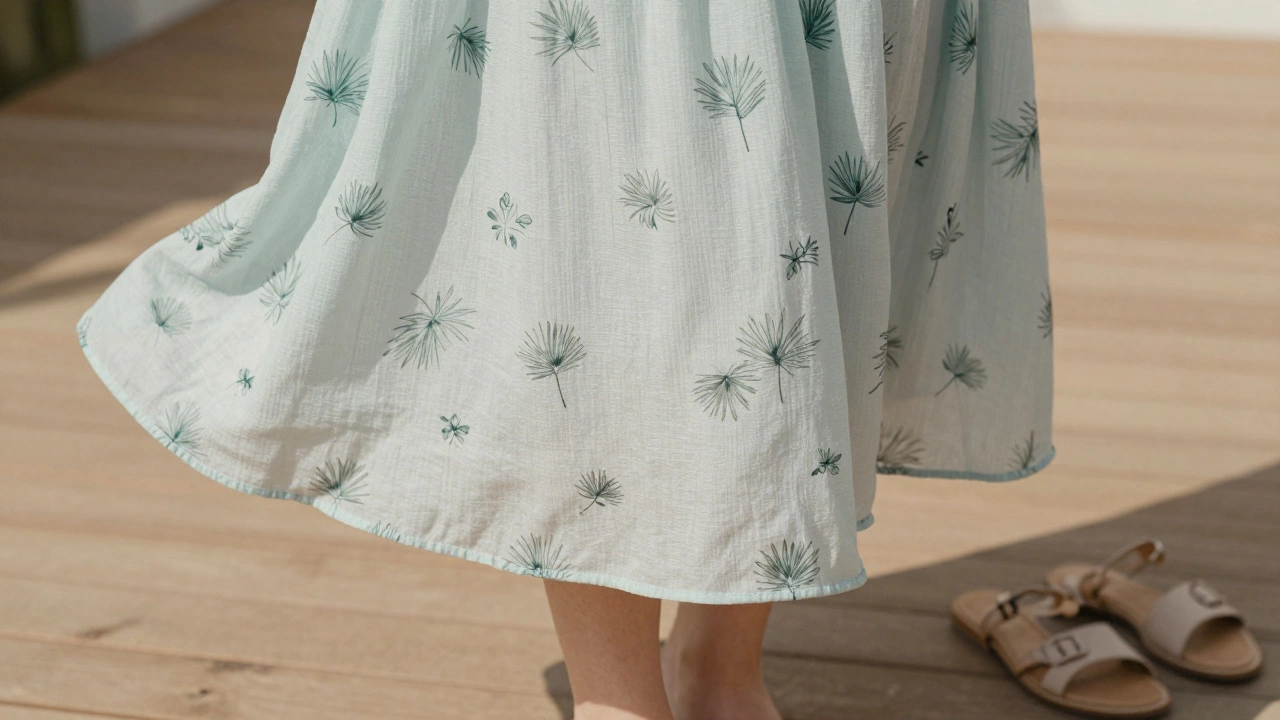
What to Skip
Some summer dress trends are traps. Avoid:- Dresses with ruffles on the hips-they add bulk where you don’t want it.
- Sheer overlays without lining-they’re either too revealing or too clingy.
- High necklines with short sleeves-they create a weird contrast that looks dated.
- Matching sets sold as dresses-they often look like pajamas.
Real Examples That Work
Here’s what actually works for real people:- For pear shapes: A wrap dress with a V-neck and flowy skirt. It draws the eye up and lets the skirt balance your hips.
- For apple shapes: A shift dress with a slightly raised waist and empire cut. It hides the midsection without squeezing it.
- For hourglass: A belted sheath dress in a soft fabric. It hugs your curves gently.
- For petite frames: A tea-length dress with vertical seams or a small print. It adds length without overwhelming you.
These aren’t magic formulas-they’re starting points. Try them, tweak them, and keep what feels like you.
Style Is About Confidence, Not Perfection
You don’t need to look like a magazine cover to look prettier in summer. You just need to feel comfortable in your own skin. If you’re moving, laughing, dancing, or just sitting in the shade with iced tea, and you feel good in what you’re wearing-that’s the real definition of looking prettier. It’s not about how much skin you show. It’s about how much of yourself you own.What’s the best fabric for summer dresses?
Linen, rayon, and TENCEL™ are the top choices. They breathe well, drape naturally, and don’t cling when you sweat. Avoid polyester unless it’s specifically labeled as moisture-wicking. Cotton works too-but only if it’s medium to heavy weight. Thin cotton turns see-through and shrinks easily.
Should I wear white in summer?
White can look crisp and clean, but it’s not for everyone. If you have fair skin or tend to flush easily, off-white, cream, or oat tones are more flattering. White also shows sweat stains and stains easily. If you wear white, choose a slightly textured fabric like seersucker or linen-it hides imperfections better than smooth cotton.
Are maxi dresses a good choice for summer?
Only if you’re in a cool climate or moving between air-conditioned spaces. In hot weather, a floor-length dress traps heat and can feel suffocating. If you love the look, go for a maxi with a slit, loose fit, and lightweight fabric. Otherwise, stick to knee-length or midi dresses-they’re cooler, more practical, and still elegant.
How do I pick a dress that hides my tummy?
Look for empire waistlines, A-line cuts, or wrap styles. These draw the eye upward and create a smooth line over the midsection. Avoid tight bodices, horizontal stripes, or ruching around the waist-it can make you look wider. A slightly loose top with a flared skirt is the most forgiving combination.
Do I need to wear heels with summer dresses?
No. Flat sandals, espadrilles, or low block heels are better for summer. You’re more likely to be walking on hot pavement, sand, or uneven ground. Heels that are too high look stylish but end up making you uncomfortable. A 1-inch heel gives you a little lift without the pain. Comfort doesn’t ruin style-it enhances it.