Summer Style Guide: How to Dress for Hot Weather and Stay Cool
- Cleo Fairchild
- 13 April 2026
- 0 Comments
Summer Fabric & Style Finder
Select your primary goal or environment to get the best fabric and style recommendations.
Best Fabric
Best Silhouette
Pro Tip
Quick Tips for Beating the Heat
- Stick to light colors (white, beige, pastels) to reflect sunlight.
- Prioritize natural fibers over synthetic ones.
- Choose loose, flowy silhouettes to allow airflow.
- Invest in a few high-quality basics for a versatile capsule wardrobe.
- Don't forget the functional accessories like polarized sunglasses and wide-brimmed hats.
The Magic of Fabric Choice
Before you even look at the style of a garment, check the inner tag. This is where most people go wrong. Many "summer" clothes are actually made from polyester, which is essentially plastic. It traps heat and moisture against your skin, making you feel hotter. To stay cool, you need breathable fabrics is textiles that allow air and moisture to pass through the weave, preventing heat buildup .
The gold standard is Linen. Made from the flax plant, it has a loose weave that allows heat to escape your body. Yes, it wrinkles the second you sit down, but that's part of the "relaxed summer" aesthetic. If you can't stand the wrinkles, try a linen-cotton blend. Then there is Organic Cotton, which is soft, absorbent, and keeps you cool, provided the weave isn't too tight. For those who want something more technical, Tencel (or Lyocell) is a sustainable choice that feels like silk but breathes much better and wicks moisture away from the skin.
| Fabric | Breathability | Wrinkle Resistance | Best Use Case |
|---|---|---|---|
| Linen | Excellent | Poor | Beach days, tropical vacations |
| Cotton | Good | Fair | Everyday casual, T-shirts |
| Tencel | Very Good | Good | Workwear, elevated dinners |
| Polyester | Poor | Excellent | Avoid in high heat |
Mastering the Summer Silhouette
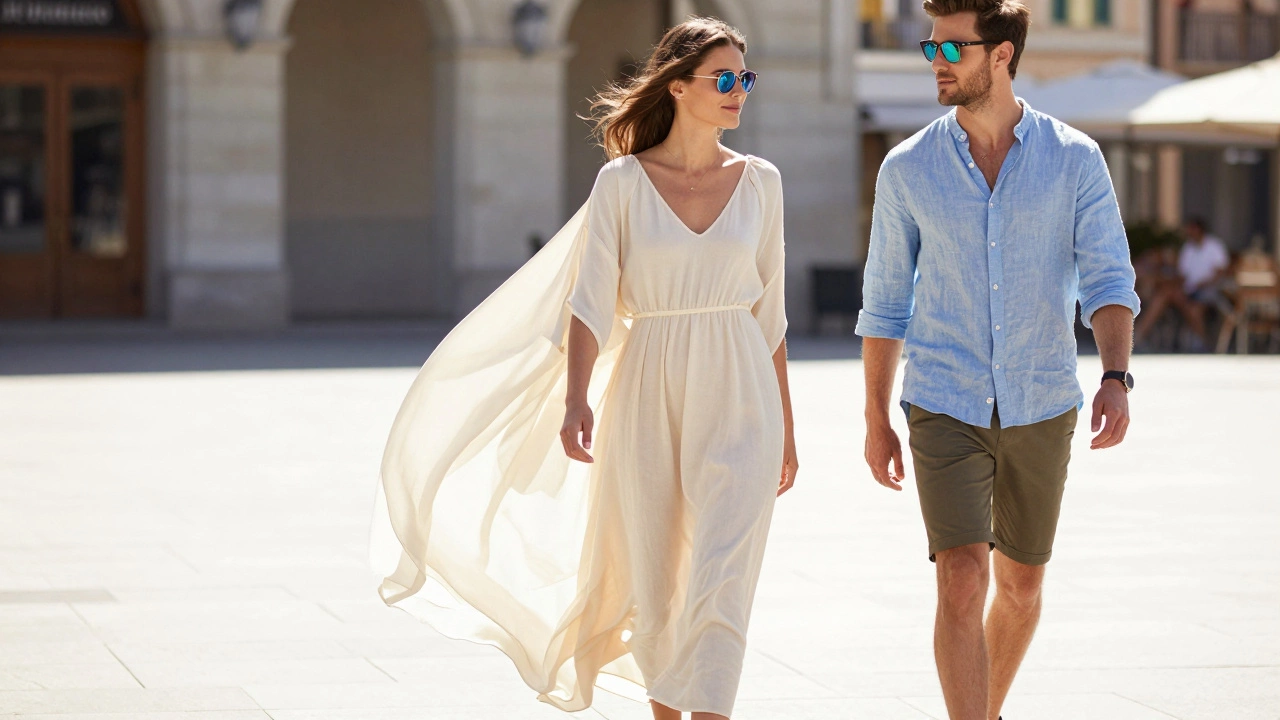
Tight clothes are the enemy of coolness. When fabric clings to your skin, it stops air from circulating, which prevents your sweat from evaporating-the very process your body uses to cool down. This is why Oversized Clothing has become such a trend; it's not just fashion, it's physics.
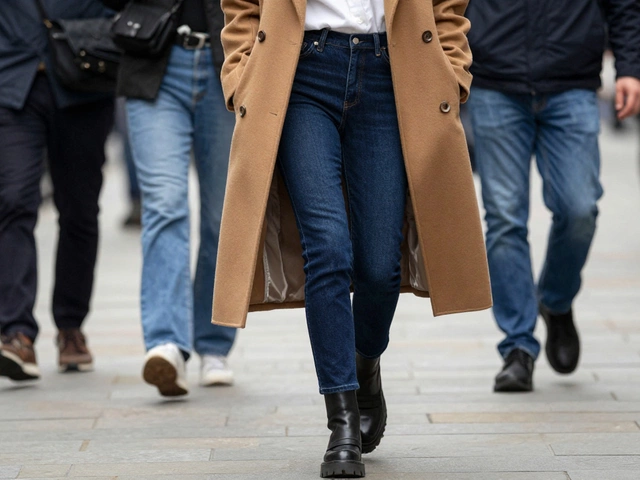
For women, a Maxi Dress is a powerhouse move. It provides full coverage from the sun but allows a breeze to flow underneath. If you prefer pants, go for wide-leg trousers in a light shade. Avoid skinny jeans at all costs during a heatwave; they act like a thermal layer that traps heat. Instead, look for "palazzo" styles or linen culottes that give you the structure of pants with the airflow of a skirt.
For men, the shift toward "camp collars"-those open, flat collars on short-sleeve shirts-is a game changer. They provide a relaxed look and a wider neck opening that helps release heat. Pairing these with tailored linen shorts that hit just above the knee keeps the look sharp without feeling like you're wearing pajamas.
Building a Summer Capsule Wardrobe
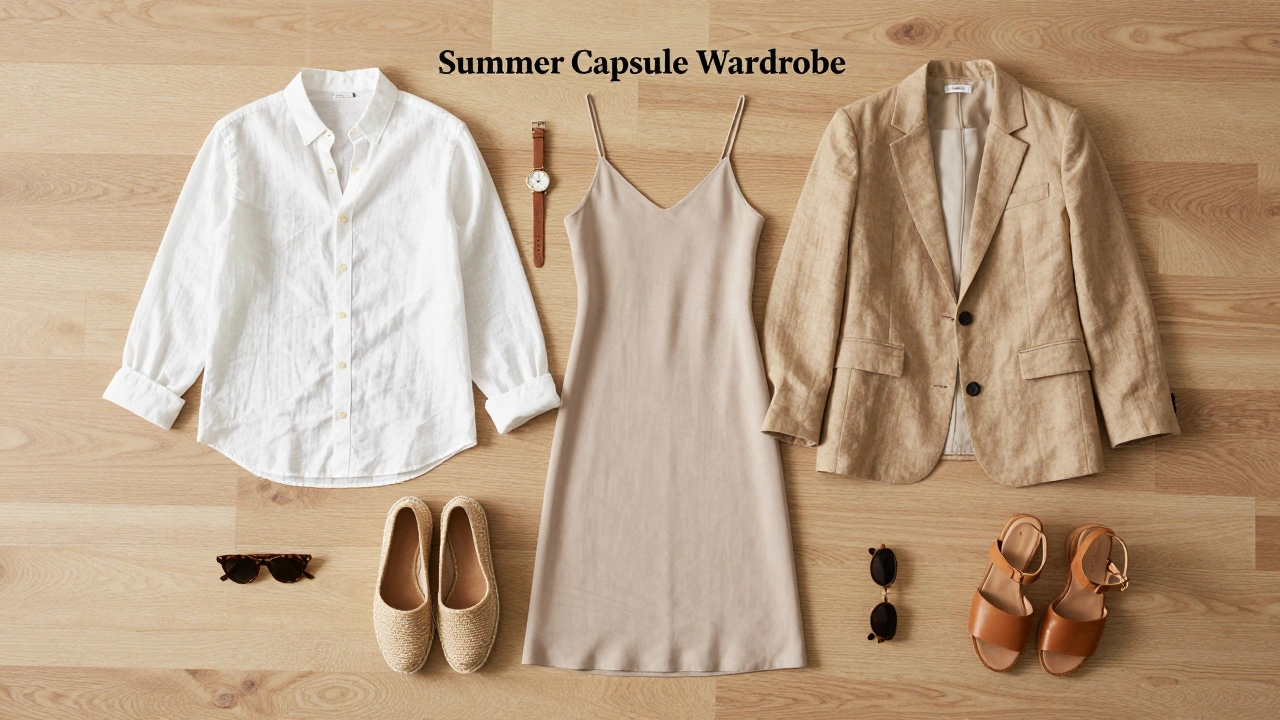
You don't need a hundred different outfits to survive the season. A few strategic pieces can be mixed and matched to cover everything from a coffee date to a summer wedding. The goal is a Capsule Wardrobe, which is a curated collection of essential items that all work together, reducing the need for constant shopping and decision fatigue.
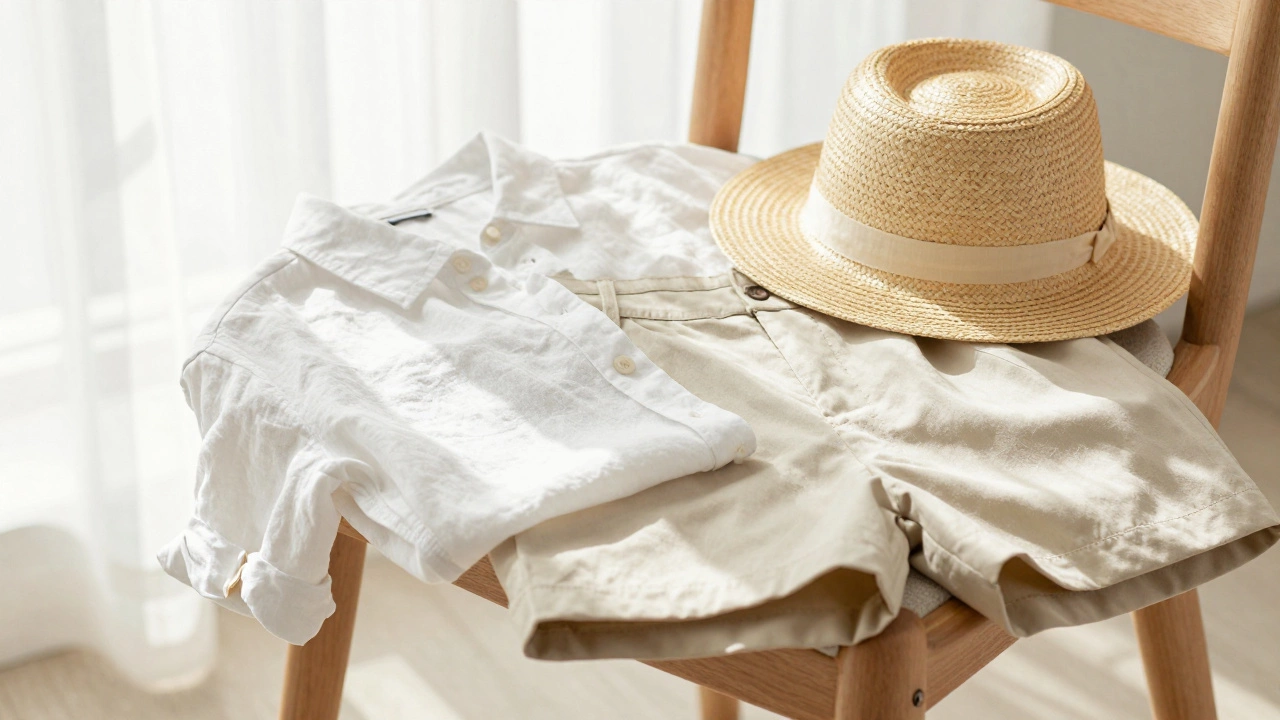
- The White Linen Shirt: This is the Swiss Army knife of summer. Wear it open over a tank top, buttoned up for a meeting, or as a beach cover-up.
- Neutral Tailored Shorts: Stick to tan, olive, or navy. These colors hide sweat better than light grey and pair with everything.
- A Lightweight Knit: Even in summer, air conditioning in offices and malls can be brutal. A thin cotton cardigan or a light linen blazer prevents the "AC shock."
- The Versatile Slip Dress: For women, a midi-length slip dress in a breathable fabric can be dressed down with sneakers or up with strappy sandals.
- Breathable Footwear: Trade the heavy leather boots for Espadrilles or high-quality leather sandals. Your feet have thousands of sweat glands, so giving them air is non-negotiable.
How to Handle Summer Workwear
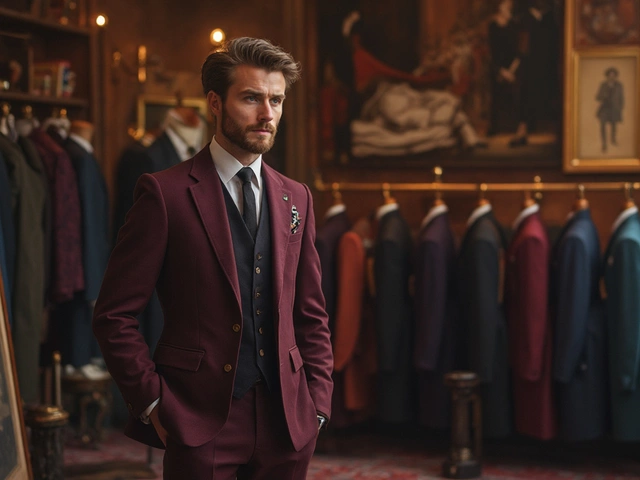
The hardest part of summer is often the office. You can't exactly show up in a swimsuit, but a full suit is a recipe for a panic-induced sweat session. The key here is "smart fabrics." Look for suits made from "tropical wool" or linen blends. These are woven more loosely than winter wool, allowing air to pass through while maintaining a crisp, professional silhouette.
Switch out your heavy button-downs for poplin shirts. Poplin is a tightly woven plain weave cotton that feels cool and crisp. If your office allows business casual, a polo shirt in a mercerized cotton blend looks polished but feels like a T-shirt. For footwear, loafers without socks (or with "no-show" socks) keep the look formal without overheating your feet.
Footwear and Accessory Essentials
Accessories aren't just for looks; in summer, they are tools for survival. A Straw Hat or a wide-brimmed fedora provides critical shade for your face and neck, significantly lowering your perceived temperature. Combine this with UV Protection Sunglasses to protect your eyes from the harsh glare of the midday sun.
When it comes to shoes, avoid rubber-soled sneakers if you'll be walking long distances in the heat. Rubber traps heat and can cause your feet to blister faster. Instead, opt for canvas sneakers or open-toed sandals. If you're wearing sandals, make sure they have a supportive sole-flip-flops are fine for the pool, but they'll wreck your arches if you use them for a full day of city exploring.
Common Summer Dressing Mistakes
One of the biggest mistakes people make is wearing black. While black looks sleek, it absorbs all wavelengths of light and converts them into heat. If you're standing in the sun, a black T-shirt will make you feel significantly hotter than a white or beige one. If you must wear dark colors, make sure the fit is extremely loose to allow air to circulate.
Another pitfall is relying too heavily on "moisture-wicking" synthetic athletic gear for non-sport activities. While these are great for the gym, they often have a distinct "plastic" smell once they get warm and sweaty. For casual outings, stick to natural fibers that manage odor and temperature more gracefully.
Is linen actually better than cotton for summer?
Yes, generally. Linen is made from thicker fibers than cotton, but the weave is looser, which allows more air to circulate. It also absorbs more moisture and dries faster than cotton, making it the superior choice for extreme humidity.
How do I stop my linen clothes from wrinkling so much?
You can't stop them entirely-that's the nature of the fabric. However, you can minimize it by steaming your clothes instead of ironing them, and by choosing linen-cotton blends, which hold their shape better than 100% linen.
What are the best colors to wear to stay cool?
Light colors like white, cream, light grey, and pastels are best because they reflect sunlight. Dark colors, especially black and navy, absorb heat and will make you feel warmer in direct sun.
Can I wear sneakers in the summer?
Yes, but choose canvas or mesh materials. Avoid leather or heavy synthetic sneakers, as they don't breathe and can cause your feet to overheat and sweat excessively.
What is a summer capsule wardrobe exactly?
It is a small collection of versatile, high-quality clothing items that can be mixed and matched to create many different outfits. The goal is to have fewer clothes but more options, focusing on neutral colors and timeless styles.
Next Steps for Your Wardrobe
If you're starting from scratch, don't go out and buy a whole new closet. Start by auditing what you have. Toss out the heavy polyesters and keep the natural fibers. Your first purchase should be a high-quality white linen shirt-it's the most versatile piece you can own. Next, look for one pair of wide-leg linen trousers and a few breathable basics. Once you have the foundation, you can add pops of color or trendier pieces that complement your base.