Pick Stitching on Suits: Is it Worth It for Your Wardrobe?
- Cleo Fairchild
- 4 April 2026
- 0 Comments
Suit Stitching Style Advisor
Not sure whether to choose pick stitching for your next suit? Answer a few questions to get a tailored recommendation.
Our Recommendation
Please select your options to see the recommended stitching style.
Quick Takeaways
- Pick stitching is a row of visible stitches along the edges of lapels and pockets.
- Hand-done pick stitching is a hallmark of bespoke quality; machine-done is a common aesthetic choice.
- It adds a tactile, artisan feel to a suit but can make it look too casual for ultra-formal events.
- Choose it for business-casual or creative professional looks; skip it for strict black-tie elegance.
What exactly is pick stitching?
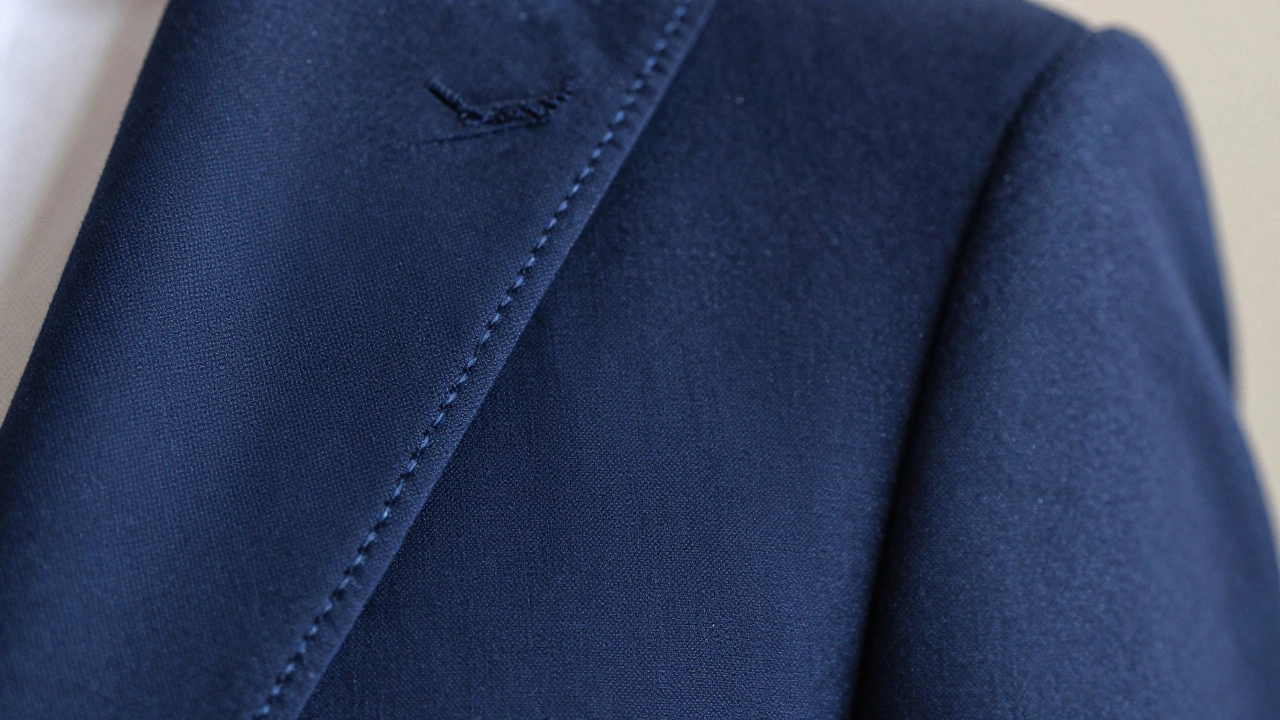
To get a handle on this, we need to define what we're looking at. Pick stitching is a decorative hand-sewn or machine-sewn stitch that runs along the outer edges of a suit's lapels, pockets, and seams. In the world of AMF stitching (a specific machine method), it mimics the look of a human hand. Instead of a hidden seam, the thread is slightly offset from the edge, creating a subtle, dotted line that frames the garment.
Why do tailors do this? Originally, it wasn't about looks. In traditional Bespoke Tailoring, these stitches helped hold the canvas and the outer fabric in place during the construction process. Today, it's largely a stylistic choice. It tells the world that the suit was crafted with attention to detail rather than just slapped together in a factory.
Hand-stitched vs. Machine-stitched: Spotting the Difference
Here is where most people get tripped up. Not all pick stitching is created equal. If you're shopping for a suit, you need to know if you're paying for a craftsman's time or a programmed machine. A Singer Sewing Machine can produce a very consistent line, but a human hand produces something far more interesting.
Hand-done stitching has tiny irregularities. Some stitches are a fraction of a millimeter longer than others. This is actually the goal-it's called 'character.' Machine stitching, often referred to as AMF stitching (named after the American Machine and Foundry company), is perfectly uniform. While it looks clean, seasoned sartorialists can spot it from a mile away. If the dots are mathematically perfect, it's a machine. If they have a slight organic rhythm, it's hand-worked.
| Feature | Hand-Stitched | Machine (AMF) |
|---|---|---|
| Appearance | Slightly irregular, organic | Perfectly uniform, precise |
| Cost | High (labor intensive) | Moderate to Low |
| Vibe | Artisanal, Luxury | Clean, Polished |
| Durability | Very high if done correctly | Consistent but rigid |
Does it actually make you look better?
The real question is whether you pick stitching should be a priority for your next purchase. The short answer is: it depends on the 'language' you want your suit to speak. Pick stitching adds visual texture. It draws the eye to the architecture of the suit, highlighting the roll of the lapel and the sharpness of the pocket.
If you're wearing a navy blue suit to a creative agency or a high-end dinner, pick stitching adds a touch of sophistication. It suggests you care about the nuances of clothing. However, if you're aiming for a minimalist, ultra-modern look, these stitches can feel like unnecessary clutter. Think of it like a watch-do you want a clean, smooth bezel, or one with a textured finish? Both are great, but they send different signals.
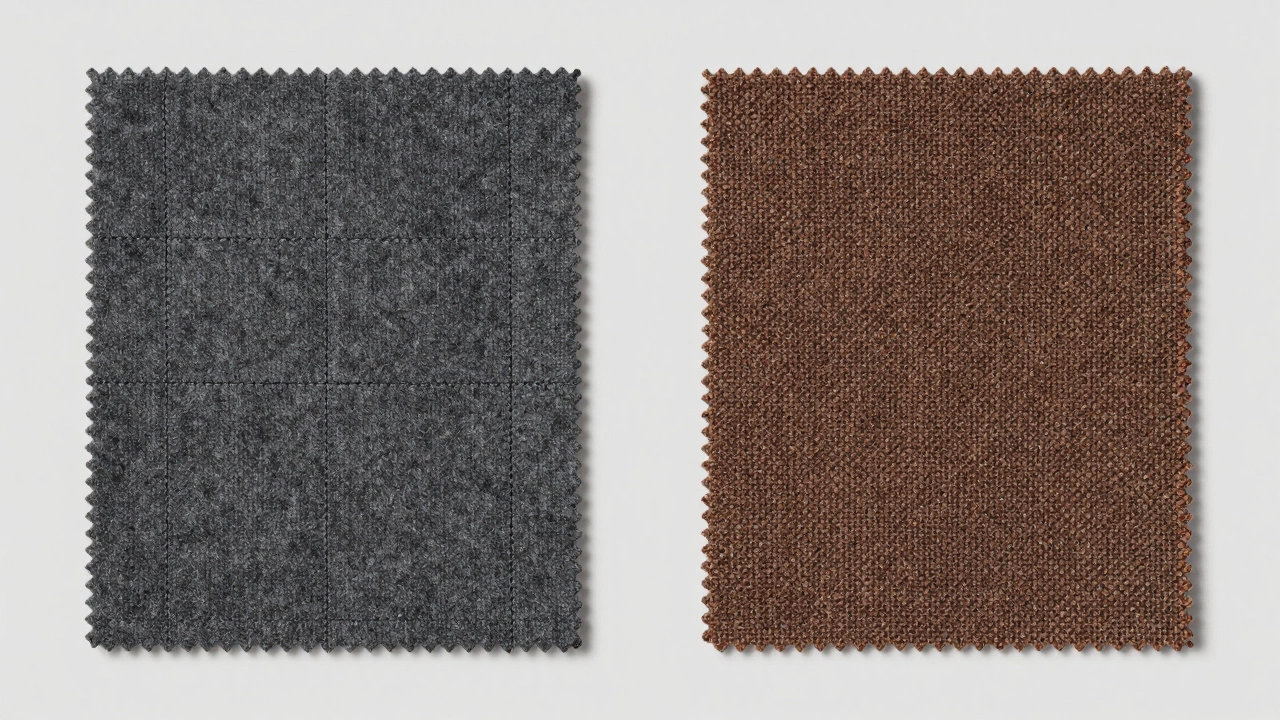
Consider the fabric too. On a heavy Flannel or a textured Tweed, pick stitching blends in and adds to the rugged, heritage feel. On a super-fine, high-twist wool (like a Super 150s), the stitching stands out much more. If the contrast is too high, it can look a bit 'costumey' or try-hard.
When to absolutely skip the stitching
There are a few scenarios where pick stitching is a mistake. First, the ultra-formal territory. If you're getting a Tuxedo or a dinner jacket, keep it clean. Formalwear is all about smooth, unbroken lines. Adding visible dots to a black silk lapel disrupts the elegance and can make the jacket look like a casual blazer that's just pretending to be formal.
Second, avoid it if the quality of the suit is low. There is nothing worse than a cheap, polyester-blend suit with fake machine pick stitching. It's like putting a gold-plated hubcap on a beat-up sedan-it doesn't make the car luxury; it just highlights that it's trying to be something it isn't. If the fit isn't perfect and the fabric is flimsy, the stitching will only draw attention to the flaws.

The 'Job-to-be-Done' Guide: Choosing Your Style
Since you're likely deciding on a specific suit right now, let's break this down by the goal you're trying to achieve:
- Goal: The Power Broker. You want to look authoritative and timeless. Go for a charcoal grey suit with subtle, hand-done pick stitching. It shows wealth and taste without shouting.
- Goal: The Creative Professional. You want to show you have an eye for detail. A light brown or olive suit with prominent pick stitching on the lapels and pockets works perfectly here.
- Goal: The Minimalist. You want a sleek, architectural silhouette. Skip the pick stitching entirely. Let the cut and the fabric do the talking.
- Goal: The Budget Upgrade. You're buying a mid-range suit and want it to look more expensive. Opt for AMF (machine) stitching. It's an easy way to add a 'premium' look without paying bespoke prices.
How to maintain your stitched edges
Once you have those beautiful edges, you can't just treat them like a gym sweatshirt. Pick stitching is more prone to snagging than a standard hidden seam. If you're rubbing against a rough wall or a sharp corner, those tiny threads can pull.
The best way to protect your investment is to avoid over-pressing. When you take your suit to the dry cleaner, tell them specifically not to press the edges of the lapels too hard. Excessive heat and pressure can flatten the 'roll' of the lapel and make the pick stitching look crushed and lifeless. A light steam is always better than a heavy iron.
Does pick stitching make a suit more expensive?
Generally, yes. If the stitching is done by hand, it adds significant labor hours to the production, which increases the price. Machine-done stitching (AMF) adds a smaller cost but is often used by mid-tier brands to justify a 'premium' price point.
Can I add pick stitching to a suit I already own?
It is very difficult to add pick stitching after a suit is finished. A skilled tailor might be able to add some decorative stitching to the pockets, but adding it to the lapels usually requires opening the garment's internal structure, which is risky and often costs more than the suit is worth.
Is pick stitching considered too 'flashy' for a job interview?
Not at all, provided it's subtle. Most people won't even notice it unless they are standing very close to you. Subtle pick stitching in a dark color is perfectly professional and simply looks like a well-made garment.
What colors of thread are used for pick stitching?
In 95% of cases, the thread matches the fabric exactly. This creates a textured look rather than a color contrast. 'Contrasting' pick stitching (e.g., white thread on a blue suit) is very rare and is generally considered too casual or 'country' for city wear.
Will pick stitching fray over time?
Because the stitches are slightly on the surface, they are more exposed than internal seams. While they don't typically 'unravel,' a loose thread can occur. A quick snip with small scissors usually fixes this; just never pull the thread, as you could distort the lapel edge.
Final Checks and Troubleshooting
Before you sign off on that custom order or head to the checkout, do a quick sanity check. If the suit is for a wedding or a funeral, lean toward the traditional. If the suit is for your daily 9-to-5 in a modern office, the pick stitching is a great way to separate yourself from the 'corporate uniform' crowd.
If you find that your current suit has pick stitching that looks sloppy-meaning the gaps between stitches are uneven in a way that looks like a mistake rather than art-take it to a local tailor. They can't easily 'remove' it without leaving marks, but they can often tighten loose threads to keep the garment looking sharp.