What Is a Smart Elegant Dress Code? Your Guide to Evening Dresses That Impress
- Cleo Fairchild
- 15 December 2025
- 0 Comments
Ever shown up to a fancy dinner and felt like you were either overdressed or underdressed? You’re not alone. The phrase smart elegant dress code shows up on invites all the time-but no one ever explains what it actually means. It’s not black tie. It’s not casual. It’s that confusing middle ground where you risk looking like you’re trying too hard-or not trying at all.
Smart elegant isn’t a style. It’s a mindset. It’s about dressing with intention-clean lines, refined fabrics, and quiet confidence. No glitter, no sequins, no shoulder pads from the 80s. This is the dress code for gallery openings, upscale dinners, wedding receptions, and business galas where you want to look polished but not like you’re in a pageant.
What Smart Elegant Actually Looks Like
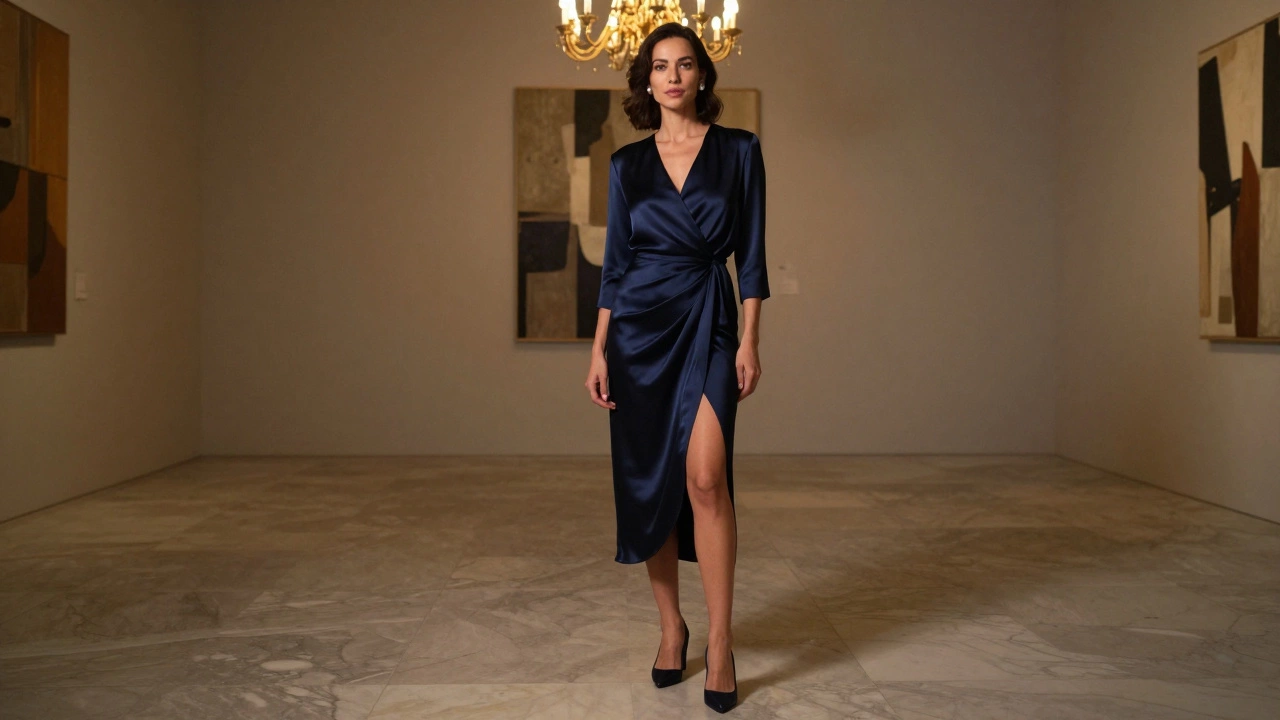
Think less "red carpet" and more "quiet luxury." A smart elegant evening dress fits like it was made for you-not too tight, not too loose. It doesn’t scream. It whispers. That whisper comes from details: a silk bias cut, a single pleat at the hip, a subtle V-neck, or a back that reveals just enough without showing too much.
For women, the ideal length falls anywhere between mid-calf and just above the ankle. Floor-length gowns are reserved for black tie. Mini dresses? Too casual. A knee-length dress can work if it’s made from heavy crepe, velvet, or satin and has structured shoulders or a tailored silhouette. Think of it like a well-tailored suit-but in dress form.
Color matters. Black is safe, but it’s not the only option. Deep navy, emerald green, burgundy, and charcoal all read as elegant. Avoid neon, pastels, or anything with a print unless it’s a fine, subtle jacquard or micro-embroidery. White? Only if it’s a high-end designer piece and you’re confident you won’t look like a bride.
Fabrics That Make the Difference
Texture is everything. A cheap polyester dress will look cheap no matter how expensive it costs. Smart elegant dress codes demand natural fibers. Silk, satin, crepe, wool blend, and velvet are your best friends. They drape, they move, they catch light softly. They feel expensive because they are.
Avoid anything that looks shiny under fluorescent lights. Matte finishes are the quiet winners here. A silk crepe dress with a slight sheen is perfect. A satin dress with a mirror finish? That’s for awards season, not a dinner in Bristol.
And don’t forget the lining. A poorly lined dress slips, clings, and shows every seam. A well-lined one glides. It’s the difference between looking put-together and looking like you’re fighting your outfit.
What to Avoid
Here’s what never works under a smart elegant dress code:
- Sequins, rhinestones, or glitter-unless it’s a single, tiny accent
- Off-the-shoulder styles with excessive ruffles
- Sheer panels without proper coverage
- High slits that go above the thigh
- Costume jewelry-stick to pearls, simple gold, or platinum
- Open-toe sandals with thick straps
That last one? Open-toe shoes are fine-but they need to be elegant. Think strappy heels with thin straps, or closed-toe pumps with a slender heel. If your shoes look like they came from a nightclub, you’ve crossed the line.
Footwear and Accessories: Less Is More
Shoes should match the dress in tone and texture. Nude heels elongate the leg. Black heels are timeless. Metallics? Only if they’re matte and understated. Avoid anything with a chunky heel or platform-this isn’t a club.
Clutches are your only bag option. A small structured clutch in leather or satin. No tote bags. No crossbodies. Even a small shoulder bag can look too casual. Keep it minimal.
Jewelry? One statement piece max. A single pair of pearl studs, a delicate chain, or a thin bangle. If you’re wearing a high neckline, skip the necklace. If you’ve got a low back, let that be your focal point. Don’t layer. Don’t stack. Don’t overdo it.
When Smart Elegant Isn’t Black Tie
People mix these up all the time. Black tie means tuxedos and floor-length gowns. Smart elegant is the step below. It’s what you wear when the invitation says "elegant attire" or "formal evening wear" but doesn’t demand a ballgown.
Think of it this way: if the venue has chandeliers and marble floors, you’re in smart elegant territory. If it’s a ballroom with a string quartet, you might be flirting with black tie. When in doubt, lean toward the more conservative side. It’s easier to add a blazer than to cover up a dress that’s too short.
Real Examples from Real Events
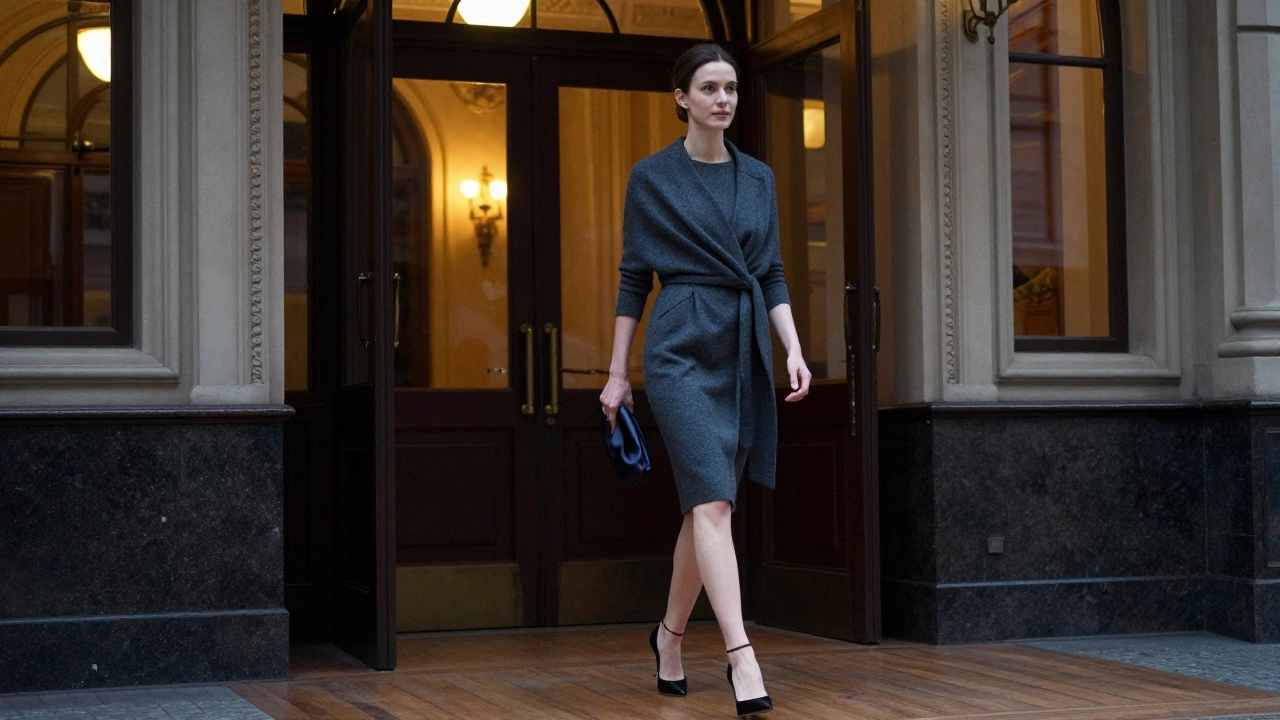
Last month, a friend attended a charity gala at the Bristol Old Vic. Her dress? A navy silk wrap dress with a high slit that stopped just above the knee. No embellishments. No lace. Just clean lines and a matching satin clutch. She wore classic pointed-toe pumps and pearl earrings. She looked like she belonged-not because she spent a fortune, but because she understood the unspoken rules.
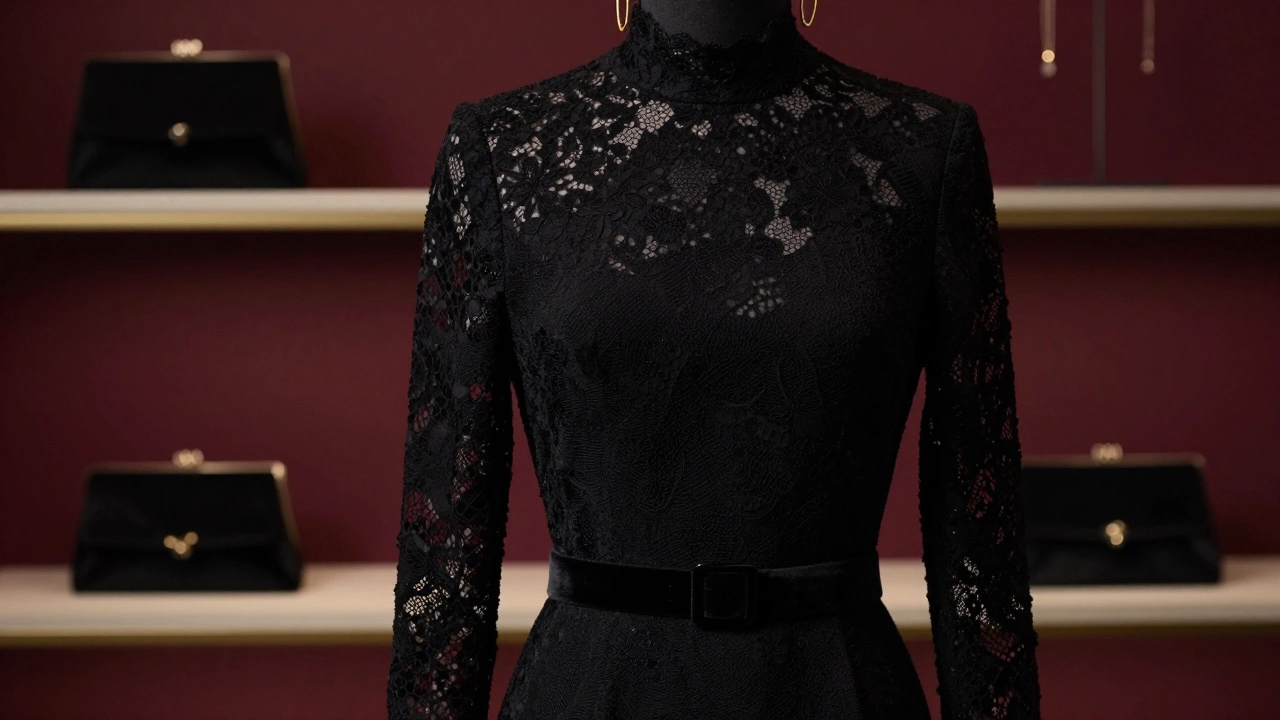
Another woman wore a black lace dress with a high neck and long sleeves. It looked romantic, not risqué. The lace was fine, not see-through. She paired it with a velvet belt and simple gold hoops. No one asked if she was dressed for the occasion. That’s the goal.
Where to Shop for Smart Elegant Dresses
You don’t need to go to a luxury brand to get this right. Many high-street stores now have excellent options:
- Reiss - Tailored silhouettes, premium fabrics, perfect for British evenings
- Selfridges Edit - Curated selection of minimalist designers
- & Other Stories - Affordable silk dresses with clean lines
- Anthropologie - For subtle boho elegance (avoid the loud prints)
- Net-a-Porter - For investment pieces that last years
Don’t overlook vintage shops. A 90s silk slip dress or a 70s velvet wrap can be more elegant than something new from a fast-fashion label. Just make sure it fits well and the fabric hasn’t degraded.
Seasonal Adjustments
Winter? Add a tailored wool coat or a cashmere wrap. Don’t wear a fur stole unless you’re at a gala in Vienna. A simple draped shawl in merino wool works better.
Summer? Lighter fabrics-linen blends, lightweight silk, or chiffon. Avoid anything that clings or wrinkles instantly. A dress that looks perfect at 6 p.m. and rumpled by 8 is not smart elegant.
And always check the venue’s lighting. If it’s dim and warm, darker colors glow. If it’s bright and cool, go for jewel tones or soft metallics.
Final Rule: Confidence Is the Accessory
The smartest thing you can wear isn’t the dress. It’s the way you carry yourself. Stand tall. Move with ease. Don’t fidget with your hem. Don’t apologize for being dressed up. If you feel calm, collected, and comfortable, you’ve nailed it.
Smart elegant isn’t about following rules. It’s about respecting the space you’re in-and yourself. It’s the quiet power of looking like you’ve got it figured out, even if you’re just trying not to spill your wine.
Is a little black dress smart elegant?
Yes-if it’s well-tailored, made from quality fabric like silk or crepe, and free of flashy details. A simple LBD with a high neckline, long sleeves, or a clean A-line cut works perfectly. Avoid anything with sequins, cutouts, or extreme slits. The key is restraint.
Can I wear pants instead of a dress?
Absolutely. A smart elegant dress code doesn’t require a dress. A tailored wide-leg pant in silk or velvet, paired with a fitted blouse or a structured turtleneck, works just as well. Add elegant heels and a clutch. The rule is about polish, not gendered garments.
What if the event is in the evening but not formal?
If it’s labeled "evening attire" without "smart elegant" or "formal," you can be slightly more relaxed. A dressy blouse with tailored trousers or a midi skirt still works. But if the invite says "smart elegant," stick to the rules. When in doubt, err on the side of more formal.
Are open-toe shoes acceptable?
Yes, but only if they’re refined. Thin-strapped heels, pointed toes, and minimal hardware are ideal. Avoid chunky sandals, flip-flops, or anything with rhinestones. The goal is to look intentional, not like you’re heading to the beach.
Do I need to wear heels?
Not necessarily. Elegant flats can work if they’re structured and made from luxe materials-think patent leather, satin, or velvet. But if you’re wearing a longer dress, heels help balance the silhouette. Choose comfort only if you can still look polished.
Smart elegant isn’t about trends. It’s about timelessness. It’s the dress you’ll still feel proud of in five years. The one you’ll dig out again for another dinner, another celebration, another moment worth remembering. You don’t need to spend a fortune. You just need to choose well-and wear it like you belong there.