Should Slippers Be Tight or Loose? The Perfect Fit Guide
- Cleo Fairchild
- 27 July 2026
- 0 Comments
Slipper Fit Calculator
Use this tool to determine the ideal fit and sizing strategy for your slippers based on material and foot conditions.
You know that sinking feeling when you slide your feet into a pair of house shoes and they feel wrong. Maybe they pinch your toes, making every step an annoyance. Or maybe they flop around so much that you feel like you’re dragging dead weight with every stride. It’s a common dilemma: should slippers be tight or loose?
The short answer is neither extreme works well. You don’t want them squeezing your feet like a vice, but you also don’t want them hanging off your heels. The ideal fit sits somewhere in the middle-snug enough to stay on your feet without slipping, but loose enough to let your toes wiggle freely. Getting this balance right changes how you move around your home and protects your long-term foot health.
Why "Loose" Often Feels Like the Wrong Choice
We often think of slippers as relaxation gear, so we assume looser is better. After all, who wants to restrict their feet after a long day? But there’s a difference between roomy and sloppy. If your slippers are too loose, your foot slides forward inside the shoe. This creates friction against the front of the toe box. Over time, this rubbing can lead to blisters, even indoors. You might not notice it immediately, but by the end of the week, your skin could be raw.
There’s also a safety angle. When slippers are too big, your heel lifts out with every step. This forces your foot to grip the interior just to keep the shoe attached. Instead of relaxing, your muscles are working overtime. This constant gripping can cause fatigue in your arches and calves. Plus, loose footwear increases the risk of tripping. If the slipper catches on a rug or tile edge because it isn’t secured to your foot, you’re more likely to stumble.
Think about walking barefoot versus wearing oversized boots. Barefoot feels natural because your foot has full contact with the ground. Oversized boots feel clumsy because your foot is disconnected from the sole. Slippers should mimic that barefoot stability while providing cushioning. If you have to clamp your toes down to keep them on, they’re too loose.
The Problem with Too-Tight Slippers
On the flip side, tight slippers are a recipe for pain. Many people buy slippers based on their outdoor shoe size, assuming they’ll stretch out. While some materials like leather do soften over time, others like synthetic foams or rigid plastics never really give. If they hurt now, they’ll probably still hurt in six months.
Tightness restricts blood flow. Your feet swell throughout the day due to gravity and activity. If your slippers are snug in the morning, they might become painfully constrictive by evening. Restricted circulation can lead to numbness, tingling, or cold toes. For people with diabetes or poor circulation, this is especially dangerous. Even for healthy individuals, chronic compression can contribute to issues like bunions or hammertoes.
Another issue is pressure points. Tight slippers often squeeze the sides of your feet or press down on the top of your foot (the instep). This can cause sore spots that linger long after you’ve taken the slippers off. You shouldn’t need to break in house shoes. They should feel good from the first step.
Finding the Goldilocks Zone: Snug But Not Squeezed
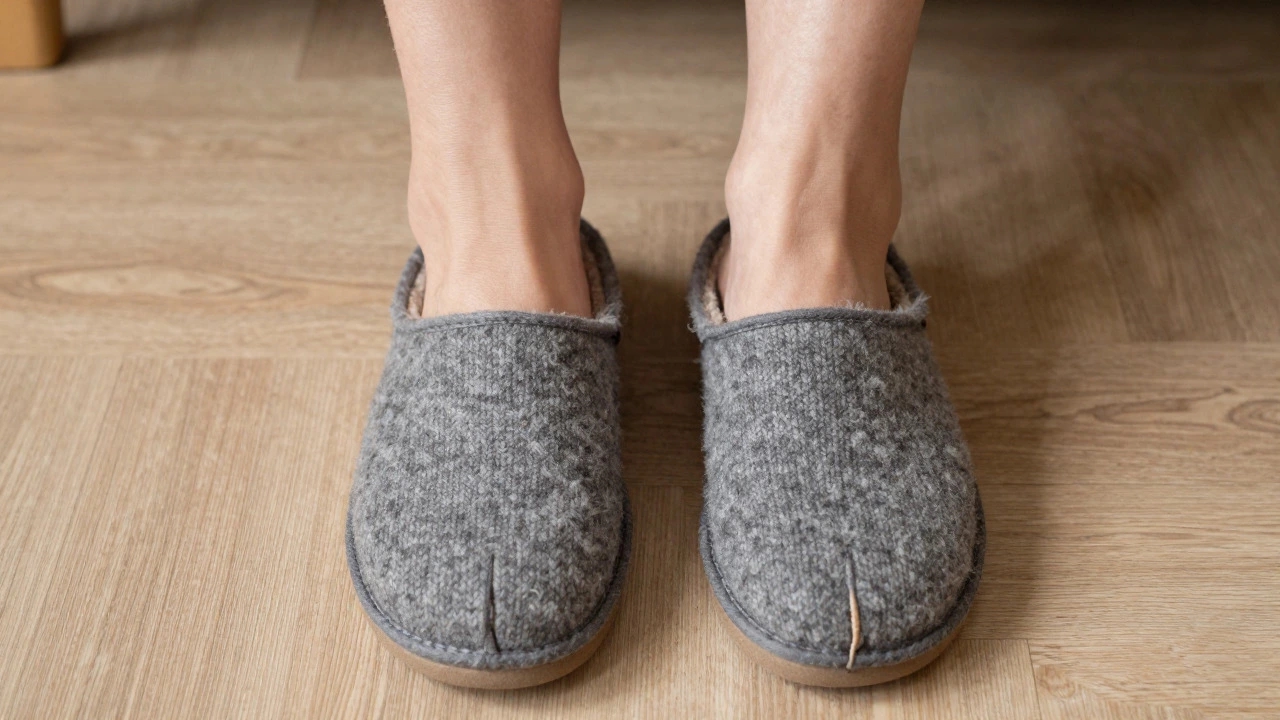
So what does the perfect fit actually look like? Imagine your foot resting naturally in the slipper. There should be a small amount of space at the very tip of your longest toe-about the width of a pinky finger. This allows for natural movement and swelling. Your heel should sit flush against the back of the slipper without lifting significantly when you walk. The sides of your foot should feel supported, not pinched.
A good test is the "toe wiggle." Slide your foot in and try to wiggle your toes. If they hit the front wall immediately, the slipper is too short. If you can lift your entire foot out easily without bending your ankle, it’s too long. The material across the top of your foot should lay flat without digging in. If you see red marks after taking them off, they’re too tight.
Consider the type of closure. Slip-on moccasins rely entirely on friction and shape. These need to be slightly tighter initially because they won’t adjust once you put them on. Backless slides or loafers depend on the strap or upper holding your foot in place. These can afford to be a bit roomier since the structure keeps them secure. Zip-up or Velcro styles offer adjustable fit, allowing you to customize the tightness around your instep.
Material Matters: How Fabric Affects Fit
The material of your slippers plays a huge role in how they fit over time. Natural fibers like wool, cotton, and suede tend to mold to your foot. Wool blends, for instance, provide warmth and flexibility. They compress slightly where your foot presses hardest, creating a custom fit. Suede stretches gradually, accommodating wider feet or higher arches.
Synthetic materials like polyester or EVA foam behave differently. They often retain their original shape more rigidly. If a synthetic slipper feels tight today, it likely will tomorrow. However, they may offer more consistent support if you prefer a structured feel. Memory foam insoles are popular for comfort, but remember that memory foam compresses under weight. A slipper with thick memory foam might feel roomy when empty but snug when worn. Always try them on with socks if you plan to wear socks with them.
Leather is another option. High-quality leather breathes well and stretches moderately. It’s durable and can last for years if cared for properly. Lower-quality faux leather might crack or lose its shape faster. When buying leather slippers, expect a brief break-in period where they feel stiff before softening up.
| Material | Stretch Level | Breathability | Best For |
|---|---|---|---|
| Wool Blend | Moderate | High | Cold climates, sensitive feet |
| Suede | High | Medium | Wide feet, custom molding |
| Leather | Moderate | High | Durability, classic style |
| Synthetic Foam | Low | Low | Budget options, quick comfort |
Special Considerations for Foot Conditions
If you deal with specific foot issues, your fit requirements change. People with bunions need extra width in the toe box. A narrow slipper will aggravate the bunion, causing inflammation and pain. Look for brands that offer wide sizes or asymmetric designs that accommodate the bump.
Those with plantar fasciitis benefit from firm arch support. A floppy, overly loose slipper offers no support for the fascia band running along the bottom of your foot. This can worsen morning pain. Choose slippers with a contoured footbed that matches your arch height. The fit should be snug around the midfoot to hold the arch in place.
Diabetics require careful attention to seams and pressure points. Any tight spot can lead to ulcers. Seamless interiors or smooth linings are crucial. The fit must be roomy enough to prevent friction but secure enough to avoid tripping. Regular inspection of your feet for redness is essential when wearing any new footwear.
How to Test Fit Before Buying
Buying slippers online can be tricky. Here’s a simple checklist to ensure you get the right fit:
- Measure your feet in the afternoon. Feet swell during the day, so measuring then ensures you account for maximum size.
- Check the return policy. If they don’t fit perfectly out of the box, you need an easy way to exchange them.
- Read reviews for sizing notes. Many reviewers mention if a product runs large or small. This is invaluable data.
- Try them on with intended socks. If you always wear thick socks indoors, buy slippers that fit with those socks on.
- Walk around the house. Don’t just stand still. Walk on different surfaces-carpet, hardwood, tile-to see how the slipper behaves.
Pay attention to how your foot moves inside the slipper. Is there excessive sliding? Does your heel pop out? Do your toes curl to grip? These are signs of poor fit. Adjust accordingly.
Maintaining the Right Fit Over Time
Even well-fitting slippers degrade. Insoles flatten, materials stretch, and soles wear down. If your slippers start feeling loose after six months, it might be time to replace the insole or the entire pair. Worn-out soles reduce traction, increasing slip risks. Stretched-uppers fail to support your foot, leading to the instability issues mentioned earlier.
Care matters too. Washing slippers according to instructions helps maintain their shape. Some materials shrink in the dryer, which can make them suddenly too tight. Air drying is usually safer. Rotating between two pairs can extend their life by giving each pair time to recover its shape.
Should I size up or down for slippers?
Generally, stick to your true shoe size. Sizing up leads to slipping and tripping hazards. Sizing down causes pain and circulation issues. If you’re between sizes, check the brand’s specific guide. Some recommend sizing up for bulky materials like shearling, while others suggest staying true to size for flexible fabrics.
Do slippers stretch out over time?
Natural materials like wool, suede, and leather do stretch slightly with wear. Synthetic materials and rigid foams tend to hold their shape. If you buy tight slippers expecting them to stretch, you risk prolonged discomfort. Aim for a snug fit that doesn’t pinch.
Is it bad to wear slippers that are too big?
Yes. Oversized slippers force your foot to grip internally to stay attached, causing muscle fatigue. They increase friction, leading to blisters. Most importantly, they raise the risk of tripping because the heel lifts out of the shoe with each step.
How do I know if my slippers are too tight?
Look for red marks on your feet after removing them. Feel for numbness, tingling, or cold toes. If your toes touch the front wall when standing normally, they’re too short. Pain on the top of your foot indicates the instep is being compressed.
Can tight slippers cause bunions?
Tight slippers can exacerbate existing bunions or contribute to their development over time. Constant pressure on the side of the big toe joint pushes the bone outward. Choosing wide-toe-box slippers reduces this pressure and helps prevent worsening deformities.