Sundress vs Summer Dress: Clear Differences and How to Choose

- Cleo Fairchild
- 5 February 2026
- 0 Comments
You’ve probably heard both terms used interchangeably, but there’s a key difference between a sundress is a specific style of dress designed for warm weather, typically featuring sleeveless straps and a loose, flowing silhouette. and a summer dress. Let’s clear up the confusion once and for all.
What is a summer dress?
The term summer dress is a broad category of dresses worn during warm weather, encompassing various styles like maxi, slip, or shift dresses. is pretty broad. It just means any dress you’d wear during the warmer months. This could be a maxi dress, a slip dress, or even a casual cotton shift dress. The main thing is that it’s designed to keep you cool when it’s hot outside. Unlike specific styles like sundresses, 'summer dress' isn’t a technical term-it’s more about the season than the cut or fabric. For example, a silk sheath dress for a summer wedding or a linen shirt dress for a casual day out both fall under the 'summer dress' category. The key is that it’s suitable for warm weather, regardless of the exact style. A summer dress can vary widely in fabric, fit, and details. You might find a silk slip dress with a sleek silhouette for evening events, or a flowy maxi dress with a bold print for a beach vacation. The only common thread? They’re all designed to keep you comfortable when temperatures rise.
What is a sundress?
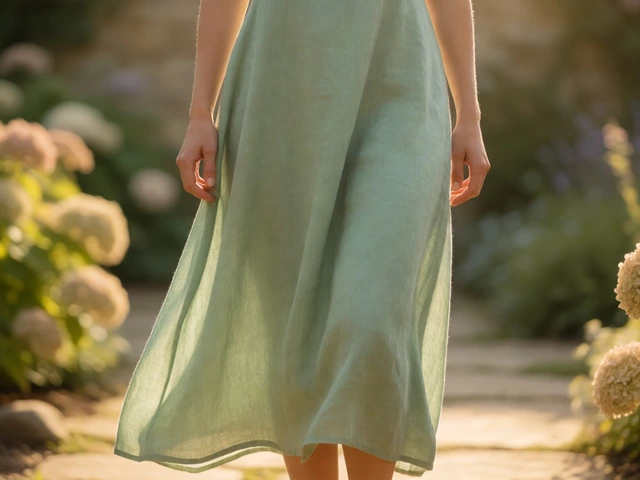
sundress is a specific style of dress designed for warm weather, typically featuring sleeveless straps and a loose, flowing silhouette. It’s usually made from lightweight fabrics like cotton or linen. You’ll often see sundresses with floral prints, bright colors, or simple patterns. They’re designed for comfort and ease-perfect for beach days, picnics, or running errands on a hot afternoon. A classic sundress has a loose A-line cut, thin straps, and no sleeves. Some variations might have an empire waist or a wrap design, but they all share that relaxed, casual feel. Unlike other summer dresses, sundresses are almost always sleeveless and intended for very casual settings. For example, a cotton sundress with a gathered waist is perfect for hot days because it allows air circulation. Sundresses rarely have pockets or structured elements-they’re all about simplicity and ease of movement. This makes them a go-to choice for everyday summer wear.

Key differences between sundress and summer dress
| Attribute | Sundress | Summer Dress |
|---|---|---|
| Sleeve Length | Always sleeveless | Can be sleeveless or have sleeves |
| Fabric | Cotton, linen, rayon | Varies (silk, chiffon, cotton, etc.) |
| Fit | Loose, flowy | Can be fitted or loose |
| Occasion | Casual (beach, picnics) | Casual to semi-formal |
| Typical Features | Floral prints, empire waist, A-line cut | Varies by style (sheath, maxi, shift) |
When to wear each
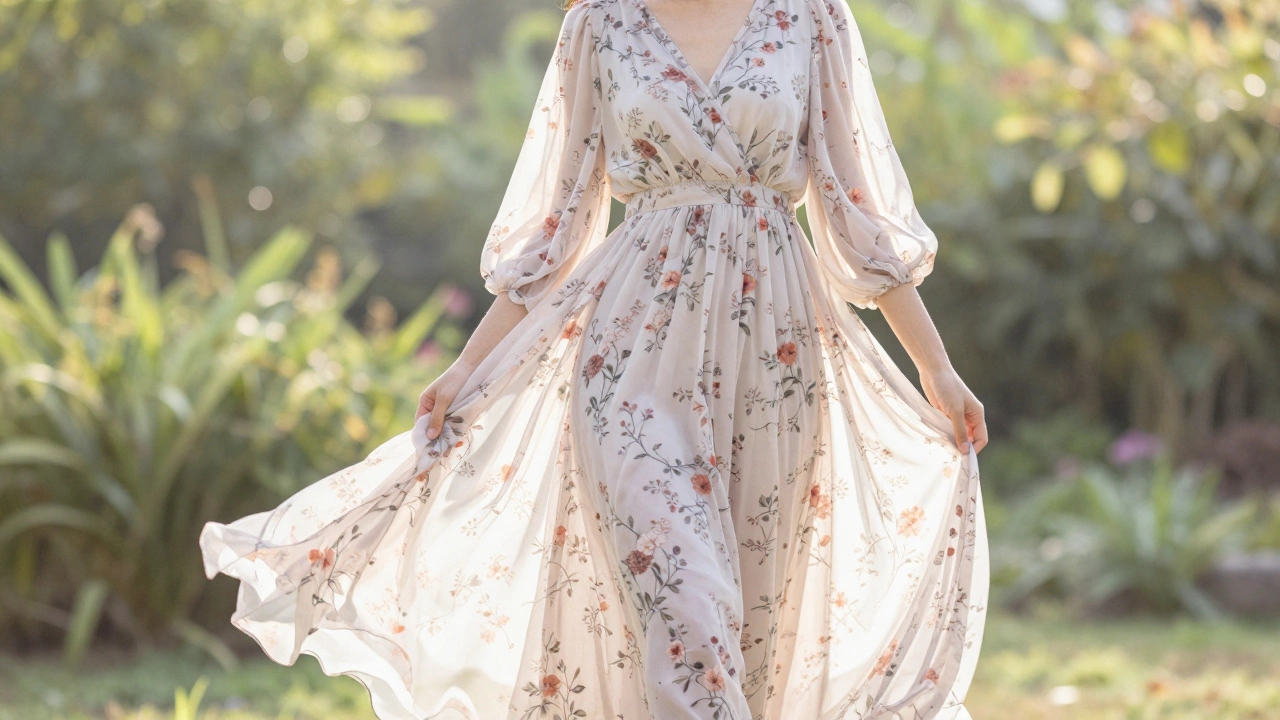
Choosing between a sundress and a summer dress depends on the occasion. If you’re heading to a casual event like a beach party or a farmers' market, a sundress is your best bet. Its sleeveless design and lightweight fabric keep you cool without trying too hard. On the flip side, if you need something a bit more polished-like a summer wedding or a garden party-opt for a summer dress that’s not a sundress. A silk slip dress or a tailored sheath dress in a light fabric would work perfectly here. Remember, the main difference is the level of formality. Sundresses are strictly casual, while summer dresses can be dressed up or down depending on the style. For instance, a linen shirt dress with short sleeves is a great summer dress option for a casual office setting, while a sundress would be too informal. Conversely, a maxi dress with long sleeves might still be a summer dress if the fabric is lightweight, but it wouldn’t qualify as a sundress due to the sleeves.
Frequently Asked Questions
Is a sundress always sleeveless?
Yes, a sundress is always sleeveless. It typically has thin straps or no straps at all. If a dress has sleeves-even short ones-it’s not considered a sundress. The sleeveless design is a defining feature that keeps it cool and casual.
Can a summer dress have sleeves?
Absolutely. Summer dresses can have sleeves, especially if they’re made from lightweight fabrics like cotton or linen. For example, a short-sleeved cotton shirt dress is a popular summer dress option. The key is that it’s designed for warm weather, regardless of sleeve length.
What’s the difference between a sundress and a maxi dress?
A maxi dress refers to the length-it’s ankle-length. A sundress is about the style-sleeveless and casual. A maxi dress can be a sundress if it’s sleeveless and has a loose fit, but not all maxi dresses are sundresses. For example, a sleeveless maxi with a flowy silhouette is a sundress, while a long-sleeved maxi dress would be a summer dress but not a sundress.
Are all sundresses casual?
Yes, sundresses are designed for casual wear. They’re not suitable for formal events like weddings or business meetings. For those occasions, you’d choose a different type of summer dress, such as a silk sheath dress or a tailored shift dress in a more structured fabric.
Can you wear a sundress to a wedding?
Only for very casual weddings, like a beach ceremony with a relaxed dress code. For most weddings, a sundress would be too informal. Instead, opt for a summer dress in a more polished style-like a chiffon dress with a subtle print or a structured sheath dress. Always check the invitation for dress code guidelines.
Can you layer a sundress?
Yes, but only with lightweight layers. A sundress can work under a light cardigan or denim jacket for cooler evenings. However, it’s not designed for layering like a more structured dress. Avoid heavy layers that would make it uncomfortable in summer heat.
What’s the difference between a sundress and a shirt dress?
A shirt dress typically has a button-front closure, collar, and belt, making it more structured. A sundress is sleeveless and casual, without those elements. While both can be summer dresses, a shirt dress is usually more tailored and can be worn in semi-formal settings, whereas a sundress is strictly casual.