What Is the Best Color for an Evening Dress? A Complete Guide to Choosing the Right Shade
- Cleo Fairchild
- 2 July 2026
- 0 Comments
Evening Dress Color Selector
Customize Your Look
Look at wrist veins: Blue/Purple = Cool, Green = Warm, Mixed/Blue-Green = Neutral.
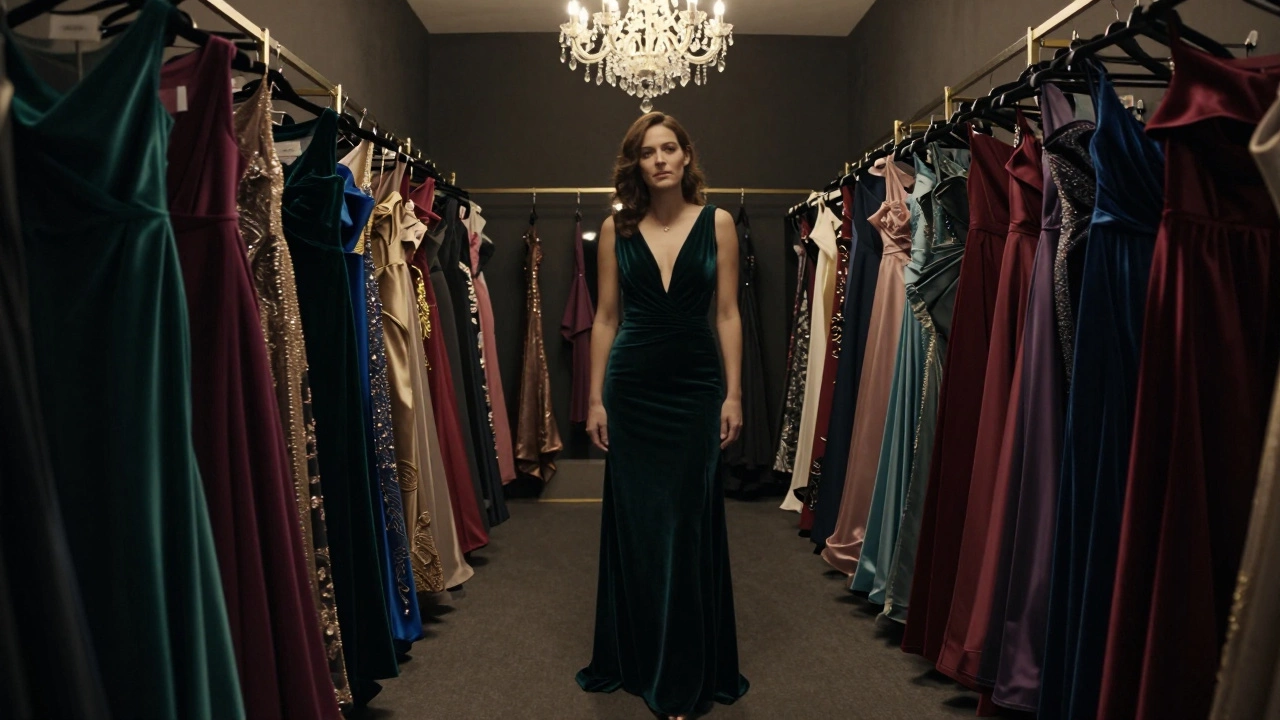
Standing in front of a rack of gowns, you might feel paralyzed by choice. The cut is perfect, the fabric feels luxurious, but does that deep emerald green scream "power" or whisper "elegant"? Does navy blue hide flaws or make you look washed out under chandelier lighting? There is no single magic shade that works for every body type, skin tone, and venue. However, there are rules-based on color theory, lighting physics, and social etiquette-that will help you pick the one color that makes you look like you belong in the spotlight.
The "best" color depends entirely on three factors: where you are going, what time it is, and who you are wearing it for (spoiler: it’s usually you). Let’s break down how to choose a shade that commands attention without shouting for it.
1. Decode the Invitation: Time and Venue Matter
Before you even think about your skin undertones, look at the invite. In formal wear, timing dictates temperature. This isn’t just tradition; it’s about visual weight. Darker colors absorb light, making them appear heavier and more serious. Lighter colors reflect light, appearing airy and casual.
| Event Type | Time of Day | Recommended Colors | Avoid |
|---|---|---|---|
| Gala / Black Tie | After 6 PM | Black, Midnight Blue, Emerald, Burgundy | Pastels, White (unless bride) |
| Cocktail Party | 5 PM - 9 PM | Jewel tones, Metallics, Bold Reds | Overly bright neon |
| Daytime Wedding | Before 4 PM | Soft Pinks, Lavender, Mint, Light Grey | Jet Black, Heavy Velvet |
| Summer Garden Party | Any time | Floral prints, Coral, Sky Blue | Dark earth tones |
If you’re attending a black-tie event at night, wearing a pale yellow chiffon dress can make you look like you wandered in from a brunch date. The contrast between your outfit and the formal atmosphere creates cognitive dissonance for everyone else in the room. Stick to darker, richer hues for evening events to match the gravity of the occasion.
2. Skin Tone Matching: It’s About Undertones, Not Shade
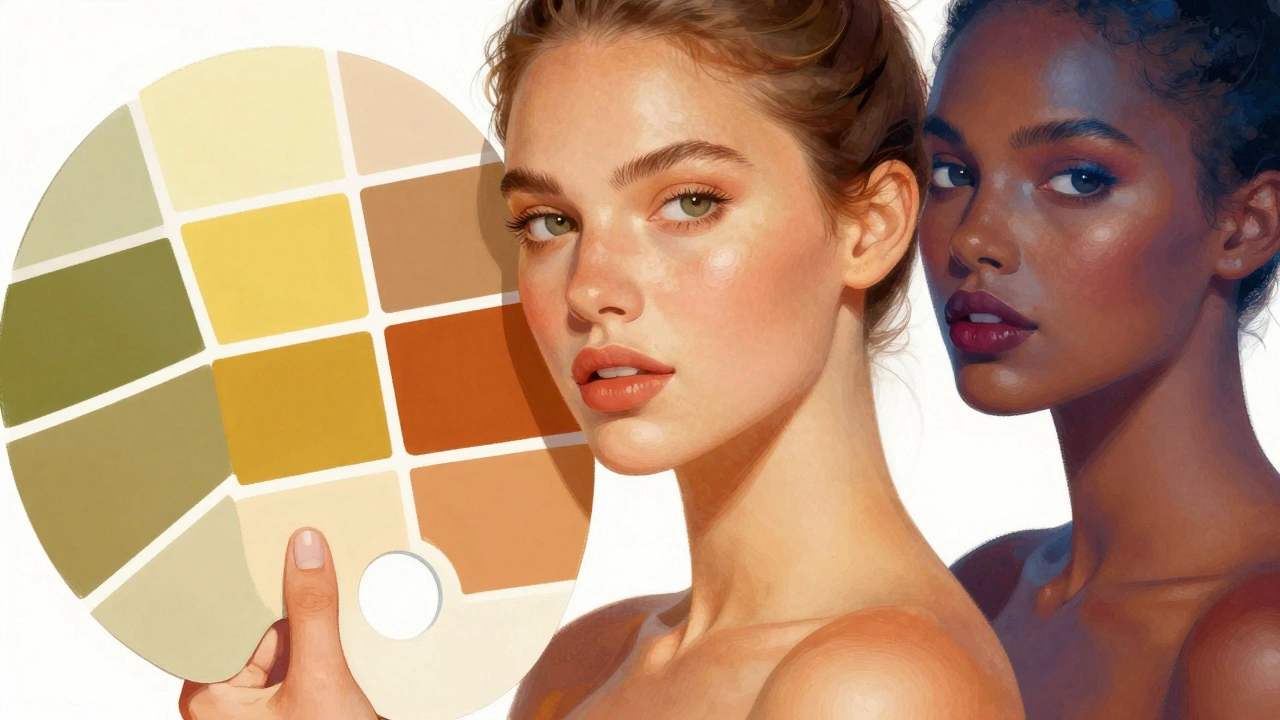
Most people try on dresses based on their surface skin color (fair, medium, dark), but that’s the wrong metric. You need to know your undertone. This determines whether metals look good on you and which colors enhance your natural glow versus washing you out.
Here is a quick test: Look at the veins on your wrist under natural light. If they look blue or purple, you have cool undertones. If they look greenish, you have warm undertones. If you can’t tell, or if they look blue-green, you’re neutral.
- Cool Undertones: You shine in jewel tones. Think sapphire blue, emerald green, ruby red, and icy pastels. Silver jewelry complements these shades perfectly. Avoid orange-based colors like rust or pumpkin spice, which can clash with your pinkish base.
- Warm Undertones: Earthy and golden hues are your friends. Olive green, mustard yellow, burnt orange, and chocolate brown work wonders. Gold jewelry enhances this palette. Steer clear of stark black or icy blues, which can make you look tired.
- Neutral Undertones: You are lucky. Almost anything works, but muted tones like dusty rose, sage green, and soft lavender tend to look most sophisticated because they don’t overpower your balanced complexion.
For example, a woman with warm undertones wearing a bright royal blue dress might look slightly off, as the blue competes with her golden skin. Switching that same dress to a teal or turquoise often harmonizes better because those colors contain hints of green, bridging the gap between blue and gold.
3. The Power of Specific Shades
Let’s talk about the heavy hitters. Certain colors carry specific psychological weights and visual effects that you should leverage depending on your goal.
Black: The Ultimate Chameleon
Black is not just a color; it’s a silhouette enhancer. It absorbs all light wavelengths, creating a slimming effect by removing visual boundaries. For an evening dress, black is safe, elegant, and timeless. However, it can be flat. To fix this, play with texture. A matte black velvet dress looks completely different from a shiny black satin slip dress. The former whispers luxury; the latter screams modern chic.
Navy Blue: The Sophisticated Alternative
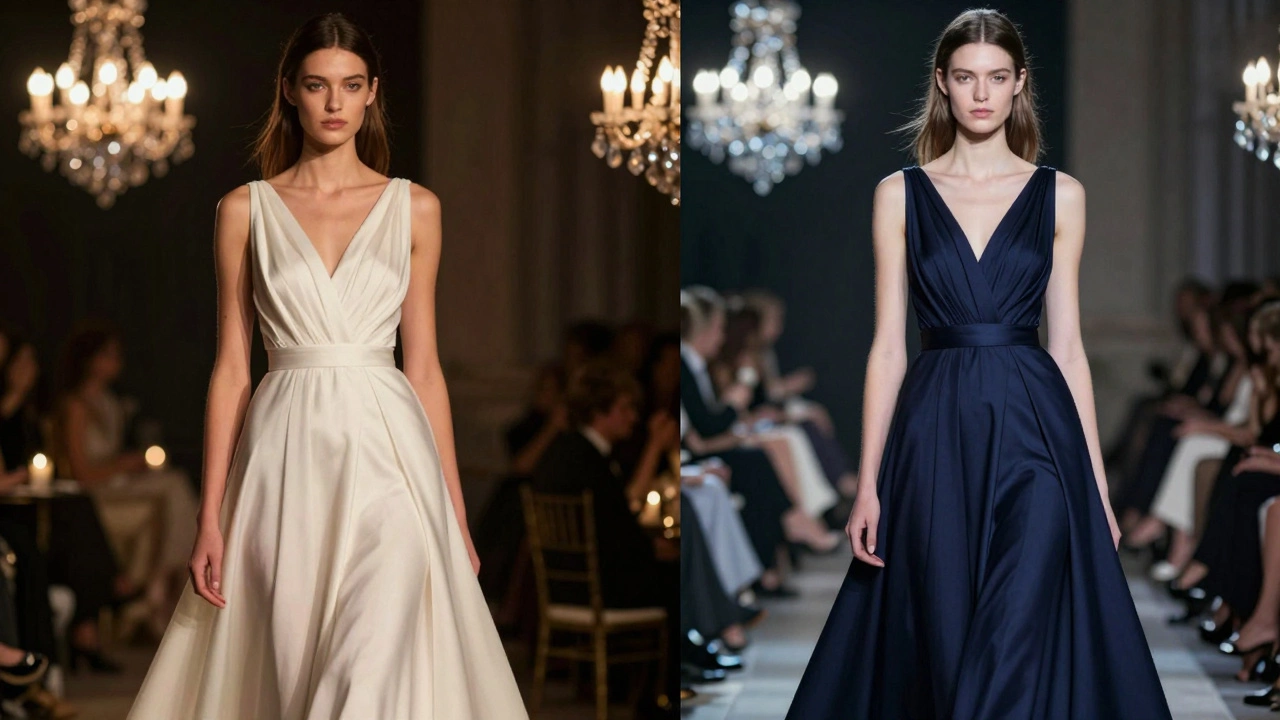
If black feels too severe, navy is your best friend. It offers the same slimming properties but reflects a tiny bit more light, giving your face a softer frame. Navy pairs beautifully with gold accessories, adding warmth that black sometimes lacks. It’s particularly effective for autumn and winter events.
Red: The Attention Magnet
Red increases heart rate and draws the eye immediately. If you want to be remembered, wear red. But choose your shade wisely. Bright fire-engine red is energetic and youthful. Deep burgundy or wine red is mature, romantic, and powerful. A crimson dress demands confidence; if you’re shy, the color might overwhelm your personality rather than amplify it.
Jewel Tones: The Rich Choice
Emerald, amethyst, and sapphire are rich, saturated colors that photograph incredibly well. They add depth to your appearance without being as aggressive as red. These colors work exceptionally well for people with deeper skin tones, as the saturation matches the richness of their complexion.
4. Lighting Conditions: The Hidden Variable
You’ve picked the perfect color in the store, but why do you look grey in the photos? Lighting changes everything. Indoor evening events often use warm, yellow-toned incandescent lights or dim ambient lighting. Cool daylight balances (like outside) make colors look true-to-life.
In warm indoor lighting:
- White dresses can turn creamy or yellowish.
- Bright whites and silvers may glare or look harsh.
- Deep blues and greens retain their vibrancy best.
If the event is outdoors at dusk, the "golden hour" light enhances warm tones. A peach or coral dress will glow naturally. As night falls and artificial lights take over, those same warm tones might fade, while metallics (gold, copper, bronze) start to sparkle. Always consider where the majority of the event will take place.
5. Body Shape and Visual Weight
Color affects perception of size and shape. Dark colors recede, making areas look smaller. Light colors advance, making areas look larger. You can use this strategically.
If you want to draw attention to your waist, a two-tone dress with a darker bodice and lighter skirt can create an hourglass illusion. Conversely, a monochromatic look (same color top and bottom) elongates the body, making you look taller and leaner. Breaking up your silhouette with contrasting colors cuts your height visually.
For plus-size figures, bold patterns and bright colors are not forbidden-they are encouraged. Many plus-size women stick to black because they believe it’s the only slimming option. But a well-fitted emerald green gown can be far more flattering than a baggy black one. Fit matters more than shade. A structured dress in a vibrant color holds its shape, whereas a loose black dress can swallow your figure.
6. Seasonal Context
While you can wear any color year-round, seasonal palettes help you blend in or stand out appropriately. Spring calls for pastels and florals. Summer favors brights and whites. Autumn leans into earth tones and deep reds. Winter embraces blacks, navys, and jewel tones.
Wearing a heavy black velvet dress in July might make you look out of place, not because black is bad, but because velvet is a winter fabric. Similarly, a sheer white lace dress in December might feel too bridal or casual. Match the fabric weight to the season, and let the color follow suit.
7. Common Mistakes to Avoid
- Wearing White or Ivory: Unless you are the bride, avoid white. It’s reserved for weddings in Western cultures. Even off-white can be risky at daytime weddings.
- Ignoring Accessories: Your shoes and bag should complement, not clash. If your dress is patterned, pick one dominant color from the print for your accessories.
- Choosing Neon: Neon colors reflect too much light and can distort facial features in photos. They also age poorly. Opt for saturated non-neon versions instead.
- Matching Too Perfectly: You don’t need your lipstick, nails, and clutch to match your dress exactly. Contrast adds interest. A red dress with nude lips and clear nails looks modern and chic.
Final Thoughts: Trust Your Instinct
Rules are helpful, but confidence is the most attractive accessory. If you love a certain color, wear it. Just ensure the fit is impeccable and the context is appropriate. The best evening dress color is the one that makes you feel powerful, comfortable, and ready to own the room.
What is the most flattering color for an evening dress?
There is no single most flattering color, as it depends on your skin undertone. Generally, jewel tones like emerald green, sapphire blue, and deep burgundy are universally flattering because they add richness to the complexion. Black is also a safe bet for its slimming effect, provided the fit is good.
Can I wear black to a wedding?
Yes, you can wear black to a wedding, especially for evening or formal events. Avoid wearing black to daytime or summer outdoor weddings unless the invitation specifies black-tie. Add colorful accessories or a sparkly shawl to soften the look and ensure it doesn’t appear mournful.
What colors should I avoid for a formal gala?
Avoid pastel shades, bright neons, and white. Pastels can look too casual for a formal gala, while neons can be distracting and photograph poorly. White is reserved for the bride. Stick to dark, rich colors like black, navy, emerald, or deep purple for a sophisticated look.
How do I know if my skin tone is warm or cool?
Look at the veins on your wrist under natural light. If they appear blue or purple, you have cool undertones. If they look greenish, you have warm undertones. If you see both or can't decide, you likely have neutral undertones. Another test is seeing if gold or silver jewelry looks better on you; gold suits warm tones, silver suits cool tones.
Does color affect how slim I look?
Yes, darker colors like black, navy, and charcoal tend to recede visually, creating a slimming effect. Lighter colors reflect light and can make areas appear larger. Monochromatic outfits (wearing one color from head to toe) also create a long, unbroken line that elongates the body.