Are Ripped Jeans Outdated in 2026? The Truth About Distressed Denim
- Cleo Fairchild
- 6 July 2026
- 0 Comments
2026 Denim Style Audit
Select the options that best describe your favorite pair of jeans to see how they stack up against 2026 style standards.
Result Title
Result description goes here.
Expert Advice:
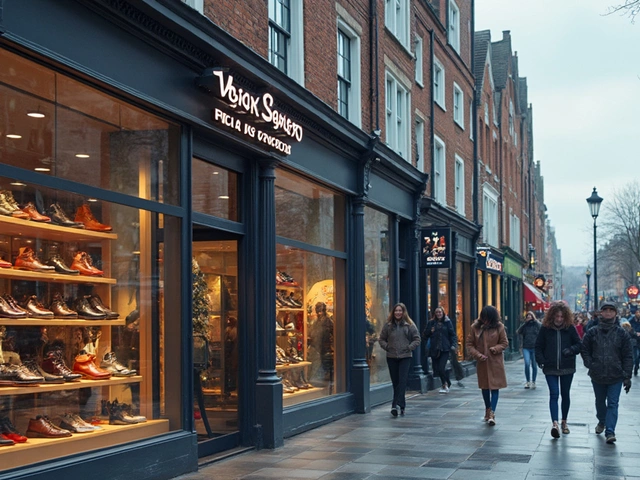
Walk down the high street in Bristol right now, and you’ll notice a shift. The aggressive, knee-baring rips that dominated our wardrobes for nearly a decade have quietly retreated to the back of the closet. But are they truly dead? Or is this just another fashion cycle trying to scare us into buying new trousers?
The short answer is: it depends on how you wear them. The era of extreme distressing-where the fabric was barely holding together-is largely over. However, the concept of worn-in denim isn’t going anywhere. In 2026, we’re seeing a move toward subtlety, quality, and intentionality. If your pair looks like it survived a car crash, it might be time to let go. But if they have a few strategic, faded frays, they’re still very much alive.
The Shift from "Destroyed" to "Distressed"
To understand where ripped jeans stand today, we need to look at what happened to them. Around 2015, the trend hit peak intensity. We were talking about "destroyed" jeans. Brands competed to see who could remove the most material. It was chaotic, loud, and often uncomfortable.
By 2024, the pendulum swung hard in the opposite direction. Clean, straight-leg, and wide-leg jeans became the uniform of choice. This wasn't just a whim; it was a reaction against fast fashion’s excess. People wanted clothes that looked durable, classic, and versatile. A pristine pair of Levi’s 501s or a simple pair of Uniqlo straight jeans suddenly felt more valuable than a £30 pair with holes punched by a laser.
In 2026, we aren’t seeing a total banishment of rips. Instead, we’re seeing a refinement. The term has shifted from "ripped" to "distressed." There is a big difference. Ripped implies damage. Distressed implies character. Think of a well-loved leather jacket or a vintage band t-shirt. The wear tells a story. When applied to denim, this means small, natural-looking frays at the hem or subtle whiskering around the thighs, rather than gaping holes at the knees.
Why the Trend Changed: Comfort and Practicality
Fashion doesn’t exist in a vacuum. Our lifestyles dictate what we wear. For years, remote work allowed us to dress casually, but as offices reopened and social activities returned to normal, people needed clothing that transitioned better between settings. You can’t easily wear aggressively ripped jeans to a casual Friday at an office or a nice dinner without looking underdressed.
Comfort also played a role. Many extreme ripped jeans used stiff, non-stretch denim to hold the shape of the tears. Over time, this became uncomfortable. The rise of stretch denim and softer washes meant that people preferred fabrics that moved with them, not against them. A clean pair of high-quality denim offers structure without the irritation of loose threads catching on everything.
Furthermore, there’s a growing awareness of sustainability. Producing heavily distressed jeans requires significant labor and chemical processes to create the artificial aging. Consumers in 2026 are increasingly asking questions about the origin of their clothes. Buying a pair of jeans that looks old because it *is* old (vintage) is seen as cooler and greener than buying new jeans that are artificially destroyed.
How to Wear Ripped Jeans in 2026
If you still love the look of distressed denim, you don’t have to throw them out. You just need to adjust how you style them. The goal is balance. If your bottoms are busy, keep the rest of your outfit calm.
- The "One Hole" Rule: Look for jeans with minimal distressing. A single small fray at one knee or some fading along the thigh is acceptable. Avoid pairs with multiple large gaps.
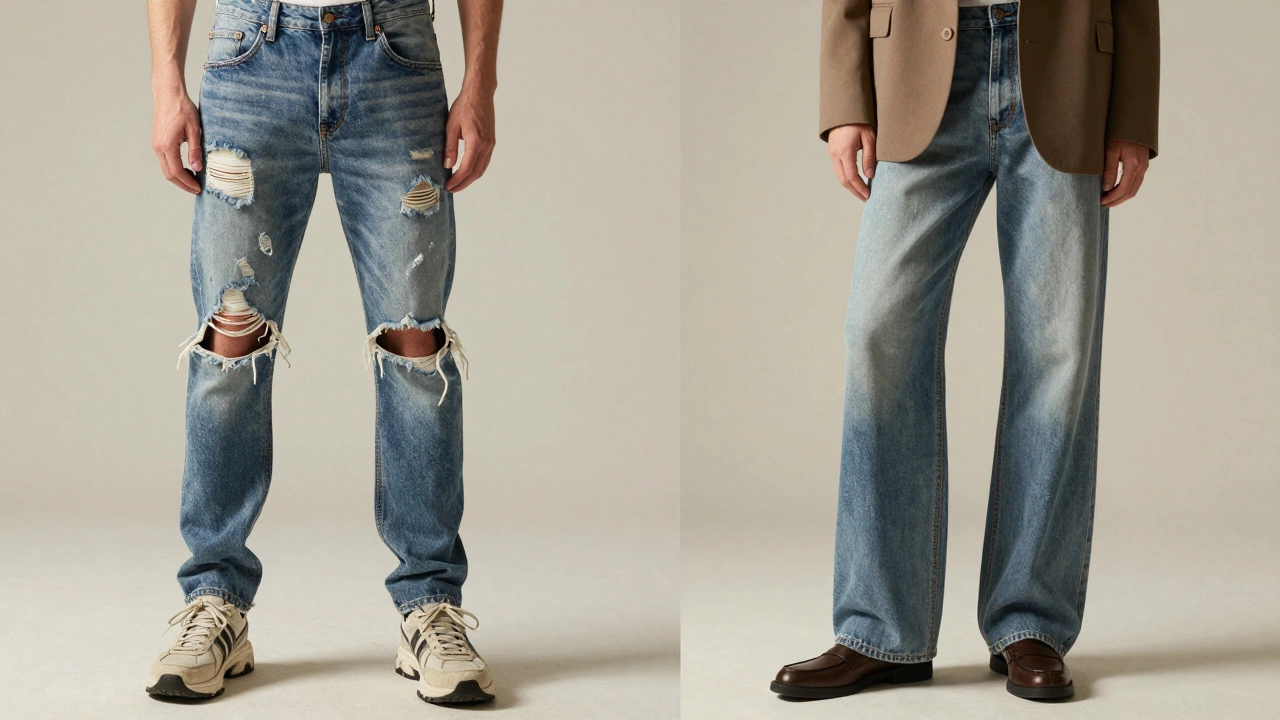
- Pair with Structure: Balance the casualness of rips with structured pieces. A crisp white shirt, a tailored blazer, or a sleek trench coat elevates the look. This signals that you’re wearing the jeans intentionally, not just because they’re all you had.
- Footwear Matters: Skip the chunky sneakers that scream 2018. Opt for minimalist leather sneakers, loafers, or even ankle boots. Cleaner shoes ground the outfit and make the distressed denim feel more sophisticated.
- Fit is King: Skinny jeans with massive rips are a hard sell in 2026. Wide-leg or straight-leg jeans with subtle distressing are much more fashionable. The silhouette should be relaxed, not skin-tight.
Vintage vs. Fast Fashion Distressing
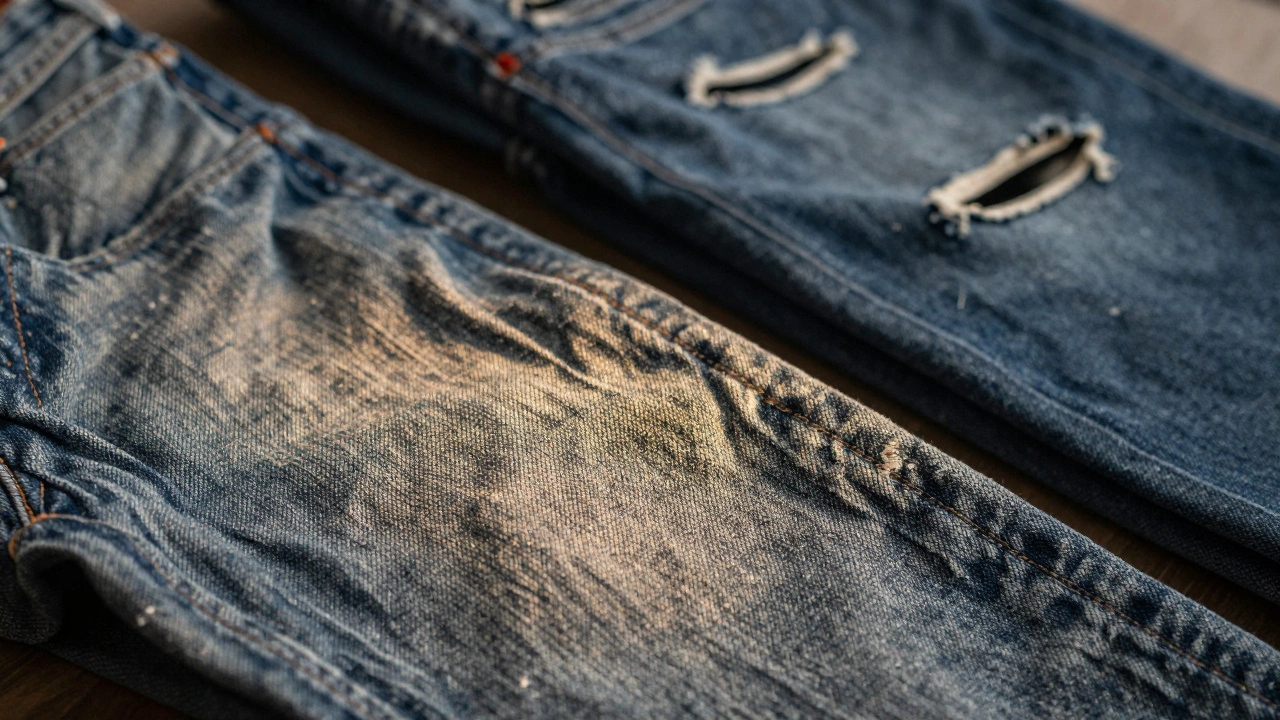
This is perhaps the most important distinction to make. Not all ripped jeans are created equal. There is a massive cultural difference between a pair of vintage Levi’s from the 90s that naturally wore out and a pair of fast-fashion jeans that were machine-distressed in a factory.
| Feature | Vintage/Natural Wear | Artificial/Fast Fashion |
|---|---|---|
| Origin | Years of actual use and washing | Factory sandblasting or laser cutting |
| Appearance | Random, organic patterns | Symmetrical, repetitive patterns |
| Durability | Fabric is weakened but stable | Rips may unravel quickly after purchase |
| Fashion Status | Highly desirable, unique | Seen as dated or cheap |
| Sustainability | Eco-friendly (reused) | Resource-intensive production |
If you want the aesthetic, hunt for second-hand stores. A pair of 90s mom jeans with a natural hole at the knee has character. It fits into the current "quiet luxury" and "grandpa core" aesthetics that favor individuality over mass-produced trends. New, artificially ripped jeans often lack this soul. They look uniform, which makes them feel less special.
The Rise of Clean Denim Alternatives
If you’re unsure whether to keep your ripped jeans, consider what you’d replace them with. The current market is flooded with excellent alternatives that offer similar comfort but a cleaner look.
Wide-Leg Jeans: These provide volume and movement without needing visual noise. They drape beautifully and hide imperfections. A dark wash wide-leg jean is incredibly versatile, working for both day and night.
Raw Denim: For those who appreciate the journey of denim, raw (unwashed) jeans are gaining popularity. They start stiff and dark but fade uniquely based on how you wear them. This creates a personalized map of your life, which is far more interesting than pre-made rips.
Cropped Straight Legs: Showing a bit of ankle or shoe is a modern way to add interest to an outfit. It breaks up the line of the leg without destroying the fabric. It’s chic, practical, and timeless.

When Ripped Jeans Are Still Appropriate
Fashion rules are guidelines, not laws. There are specific contexts where ripped jeans remain perfectly acceptable, even stylish.
First, creative industries. If you work in music, art, or design, a slightly more distressed look can signal creativity and non-conformity. Second, casual weekends. Running errands, meeting friends for coffee, or hanging out at home? Your comfort comes first. If your favorite pair of jeans has a rip, and they fit well, wear them. Don’t let internet trends dictate your daily happiness.
Third, specific subcultures. Punk, grunge, and skate cultures have always embraced damaged clothing as part of their identity. Within these communities, the meaning of the rip is different-it’s about rebellion and history, not following a seasonal trend. If you identify with these styles, the mainstream fashion cycle matters less to you.
Maintaining Your Distressed Denim
If you decide to keep your ripped jeans, proper care is essential. Distressed areas are weak points. Without care, a small fray can become a large tear that renders the jeans unwearable.
- Wash Less Frequently: Denim doesn’t need washing after every wear. Air them out instead. This preserves the fabric integrity and the color.
- Turn Inside Out: Always wash jeans inside out on a cold, gentle cycle. This reduces friction on the outer surface, protecting the rips from unraveling further.
- Air Dry: Never put jeans in the dryer. The heat shrinks the cotton and stresses the fibers. Hang them to dry naturally.
- Reinforce Weak Spots: If a rip is starting to grow, consider taking them to a tailor. They can stitch the edges discreetly to prevent further damage. Sashiko stitching is a popular Japanese technique that adds decorative strength to worn areas.
Final Thoughts: Confidence Over Trends
So, are ripped jeans outdated? The extreme, aggressive style is. But the idea of worn-in, comfortable denim is timeless. In 2026, fashion is moving away from logos and loud statements toward quality, fit, and personal style. Whether you choose a pristine pair of wide-leg jeans or a subtly distressed vintage find, the most important factor is how you feel in them.
Don’t throw away your wardrobe based on a headline. Assess your jeans. Do they fit well? Do they reflect your personality? If yes, keep them. If they’re falling apart and making you uncomfortable, it might be time to upgrade to something cleaner and more durable. Fashion should serve you, not the other way around.
Can I wear ripped jeans to work in 2026?
It depends on your workplace culture. In creative fields or casual tech offices, subtly distressed jeans might be acceptable if paired with a blazer or smart top. However, in traditional corporate environments, ripped jeans are generally considered too informal. Opt for clean, dark-wash chinos or trousers for a safer bet.
What is the difference between ripped and distressed jeans?
Ripped jeans typically refer to garments with large, obvious holes, often created artificially. Distressed jeans encompass a broader range of wear effects, including fading, whiskering, and small frays. In 2026, "distressed" is the preferred term as it implies a more subtle, intentional look compared to the chaotic nature of "ripped" jeans.
Are skinny jeans with rips still in style?
Skinny jeans themselves have fallen out of favor for wider silhouettes like straight-leg and wide-leg cuts. Combining a tight fit with heavy distressing is particularly dated. If you prefer skinny jeans, look for clean, unblemished pairs. Pairing them with modern footwear can help update the look, but the combination of skinny + ripped is best avoided in 2026.
How do I fix a rip in my jeans?
For small frays, you can trim loose threads with small scissors to prevent unraveling. For larger holes, consider patching from the inside with a piece of matching fabric or using decorative embroidery (like Sashiko) to reinforce the area. Tailors can also perform invisible mending to extend the life of your favorite jeans.
What jeans are trending in 2026?
The top trends for 2026 include wide-leg jeans, straight-leg cuts, and cropped styles. Colors are leaning towards medium and light washes for spring/summer, and deep indigos for autumn/winter. Clean, unbleached denim is highly valued for its versatility and timeless appeal. Vintage finds from the 90s and early 2000s remain popular for their unique fits and sustainable credentials.