Is Lululemon an Athleisure Brand? Defining the Sporty-Chic Standard
- Cleo Fairchild
- 12 July 2026
- 0 Comments
Lululemon Collection & Athleisure Finder
What are you doing today?
Select Options
Choose your activity and priority above to discover the best collection for your lifestyle.
Why it fits:
Explanation goes here.
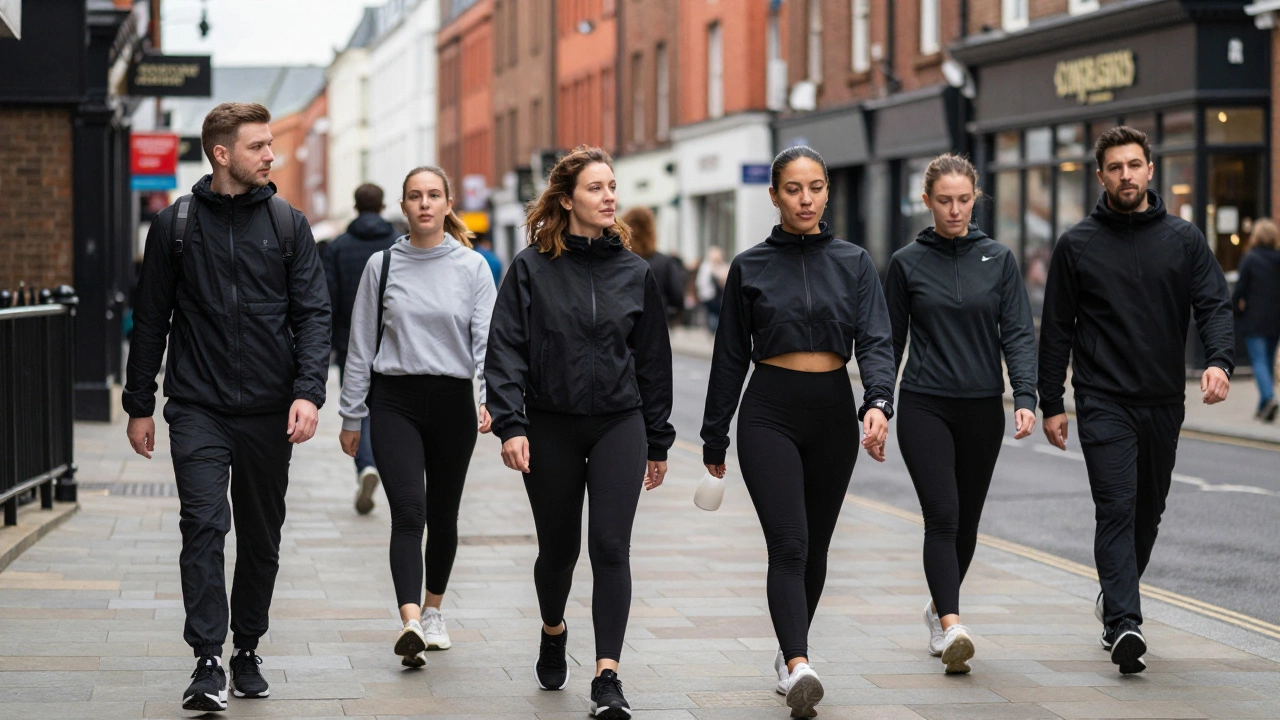
Walk down any high street in Bristol or browse your social media feed, and you’ll see it everywhere: black leggings, a cropped jacket, and a pair of sneakers. You might assume everyone is heading to the gym. But look closer. That person is likely grabbing coffee, picking up groceries, or sitting in a Zoom meeting. This shift in how we dress-and where we wear our workout gear-is the heartbeat of the modern fashion industry. At the center of this storm sits one name: Lululemon, a premium athletic apparel company known for revolutionizing yoga wear and popularizing the concept of dressing comfortably for everyday life while maintaining a polished aesthetic. The question on everyone’s mind isn’t just about what they sell, but how we define their place in the market. Is Lululemon strictly an athletic brand, or did they effectively invent the term "athleisure"?
The Origin Story: From Yoga Mat to Mainstream
To understand if Lululemon fits the bill as an athleisure giant, we have to rewind to its roots. Founded in 1998 by Chip Wilson in Vancouver, Canada, the brand didn't start with the intention of creating casual Friday outfits. It started with a specific problem: existing yoga pants were either too baggy, made of scratchy cotton, or simply ugly. Wilson wanted to create a garment that moved with the body during practice.
This focus on function first was crucial. The introduction of Luon fabric, Lululemon's original proprietary blend of nylon and Lycra elastane designed for sweat-wicking and four-way stretch, which became the gold standard for yoga apparel in the early 2000s changed the game. For years, people wore these pants exclusively for exercise. However, as the 2010s progressed, something interesting happened. People stopped changing out of them after class. The comfort factor outweighed the need for traditional office attire. This wasn't an accident; it was a cultural shift that Lululemon rode like a pro surfer catching the perfect wave.
The brand expanded beyond women’s yoga wear into men’s clothing, running gear, and eventually, non-athletic categories like hoodies and shorts. By broadening their scope, they blurred the lines between "gym clothes" and "street clothes." Today, when you walk into a Lululemon store, you aren't just looking at equipment for sports; you're looking at a lifestyle ecosystem.
Defining Athleisure: More Than Just Sweatpants
So, what exactly is athleisure? It’s not just wearing sweatpants to bed. The term combines "athletic" and "leisure," referring to clothing designed for physical activity that is also fashionable enough to be worn in public settings outside of the gym. Key attributes include:
- Performance Fabrics: Materials that wick moisture, resist odor, and offer stretch (like polyester blends or technical nylons).
- Aesthetic Appeal: Designs that look intentional and stylish, not sloppy or purely utilitarian.
- Versatility: Pieces that transition seamlessly from a workout to a casual social setting.
If we apply this definition to Lululemon, the answer becomes clearer. Their products are undeniably performance-driven. They use advanced textiles like Nulu fabric, an ultra-soft, lightweight material used in Lululemon's Align collection, known for its buttery feel and second-skin fit, which has become iconic in the athleisure space. But they also prioritize aesthetics. The cuts are tailored, the colors are curated, and the branding is subtle yet recognizable. This dual focus is the hallmark of true athleisure.
Compare this to a brand like Nike. While Nike makes incredible athletic gear, their primary identity remains rooted in competitive sports and performance metrics. Lululemon, on the other hand, built its empire on the idea that feeling good in your clothes enhances your daily life, whether you’re doing a downward dog or buying avocados. This psychological approach to marketing cements their status as an athleisure leader rather than just another sportswear manufacturer.
The Product Mix: Where Performance Meets Style
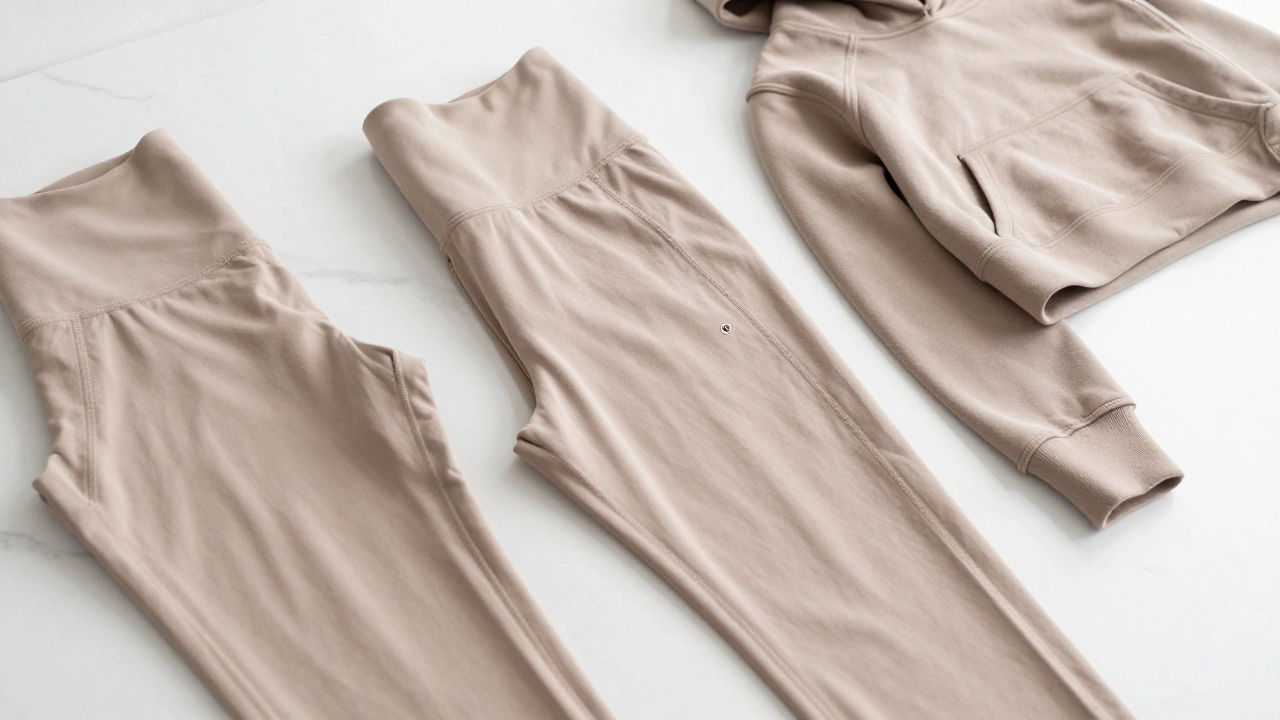
Let’s break down the actual products. If Lululemon were purely an athletic brand, their catalog would consist mostly of compression shirts, running shorts, and specialized training gear. Instead, their bestsellers tell a different story. The Align Pant is arguably the most famous piece of clothing in the athleisure world. It’s marketed for yoga, but millions of pairs are worn to brunch, work, and travel.
| Collection Name | Primary Use Case | Fabric Type | Athleisure Factor |
|---|---|---|---|
| Align | Yoga, Lounge | Nulu (Nylon/Lycra) | High - Soft, seamless look |
| Fast and Free | Running, HIIT | Swift (Polyester/Nylon) | Medium - Technical, shiny finish |
| ABC (Anti-Ball Crunch) Pant | Office, Casual | Warpstreme (Polyester/Elastane) | Very High - Looks like chinos, feels like sweatpants |
| Scuba Hoodie | Streetwear, Layering | Fleece | High - Cropped, oversized, fashion-forward |
Notice the ABC Pant. It’s technically part of their menswear line, designed to bridge the gap between formal trousers and sweatpants. It has pockets, a belt loop, and a sharp crease, but it stretches like athletic wear. This product alone proves that Lululemon is thinking beyond the gym. They are solving problems for people who want comfort without sacrificing professionalism. That is the essence of athleisure.
Cultural Impact: Beyond the Clothing
Being an athleisure brand isn't just about what you sell; it's about the community you build. Lululemon pioneered the idea of grassroots marketing through ambassadors. Instead of paying huge athletes to endorse their gear, they partnered with local yoga instructors, runners, and fitness enthusiasts. These ambassadors wore the clothes in their daily lives, showing that the brand was part of a holistic, healthy lifestyle.
This strategy created a sense of belonging. Wearing Lululemon signaled that you valued wellness, mindfulness, and self-care. It wasn't just about looking good; it was about signaling your identity. In the UK and globally, this resonated deeply. The brand became synonymous with a certain type of urban professional-someone who works hard, plays hard, and values quality over quantity.
In 2025 and moving into 2026, this cultural capital remains strong. Despite economic fluctuations, Lululemon maintains premium pricing because customers perceive value beyond the fabric. They are buying into a lifestyle narrative. Competitors may copy the cut or the color, but replicating that community connection is much harder. This intangible asset reinforces their position as a lifestyle brand first, and a sportswear brand second.
Controversies and Challenges: Staying Relevant
No discussion about Lululemon is complete without addressing the challenges they’ve faced. Like any major player, they’ve had hurdles. Issues with fabric pilling, transparency in supply chains, and internal corporate culture scandals have tested their reputation. Critics argue that the high price point excludes many consumers, making athleisure a luxury rather than a universal trend.
However, these challenges haven’t derailed their core identity. In fact, they’ve forced the brand to innovate. They’ve introduced more sustainable materials, expanded size inclusivity, and diversified their product range to include sleepwear and outerwear. Each step forward shows a commitment to evolving with their audience. The fact that they continue to dominate search results for "best leggings" and "comfortable work pants" suggests that consumers still trust the brand’s ability to deliver on its promise.
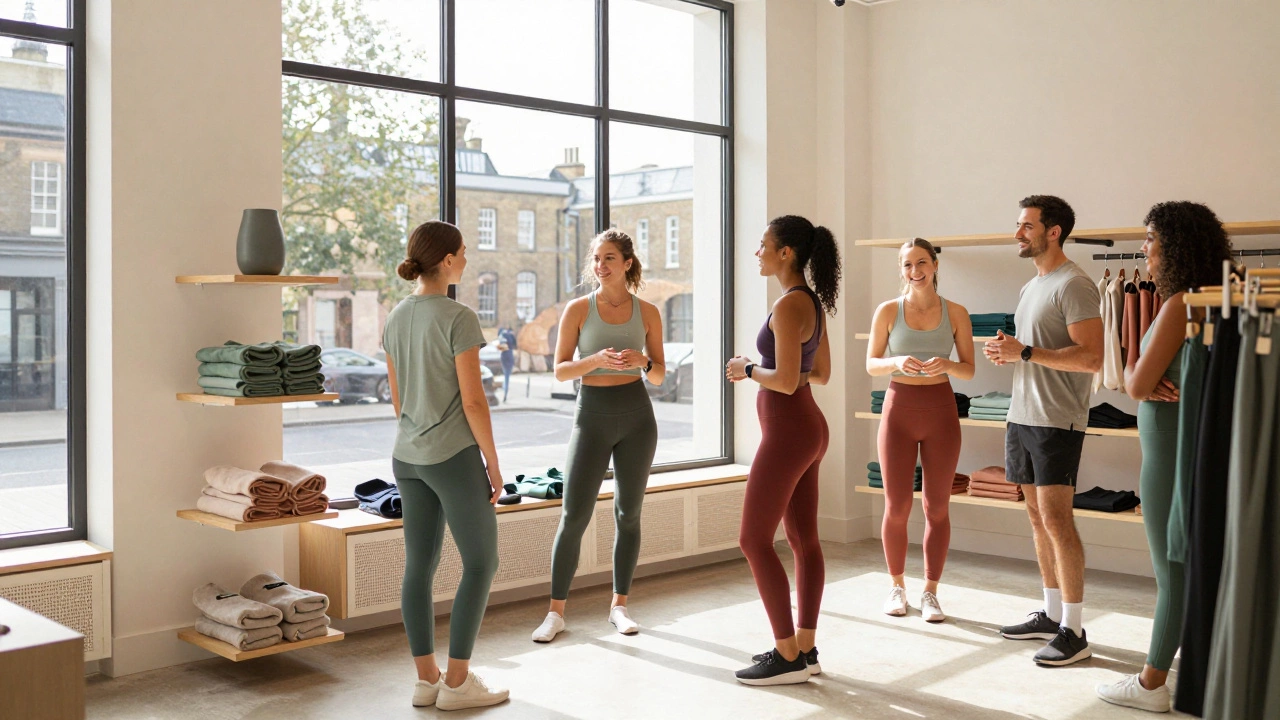
Moreover, the rise of direct-to-consumer competitors like Gymshark and Alo Yoga has intensified competition. Yet, Lululemon retains its edge through superior retail experiences. Their stores are designed as community hubs, often hosting free classes and events. This physical presence strengthens the emotional bond with customers, something online-only brands struggle to match.
Why the Distinction Matters
You might wonder, why does it matter if Lululemon is classified as athleisure or sportswear? The distinction affects how you shop and what you expect. If you view Lululemon solely as a sportswear brand, you might overlook pieces like the Scuba hoodie or the ABC pant, which aren't meant for intense workouts. Conversely, if you see them purely as a fashion label, you might miss the technical benefits of their fabrics, such as moisture-wicking properties that keep you cool during a commute.
Understanding Lululemon as an athleisure brand helps you make smarter purchasing decisions. You can mix and match items based on the day’s activities. Wear Align pants for a relaxed workday, swap to Fast and Free tights for an evening run, and throw on a City Sweat for a casual weekend outing. The versatility is the selling point. It’s about having a wardrobe that adapts to your life, not the other way around.
In the broader context of the fashion industry, Lululemon’s success has paved the way for other brands to explore similar territories. We now see traditional denim companies adding stretch and tech fabrics, and luxury houses releasing sneaker lines. Lululemon didn’t just join the athleisure trend; they helped define it. Their influence extends far beyond yoga studios, shaping how we think about comfort, style, and functionality in our daily wardrobes.
Is Lululemon considered high-end or luxury?
Lululemon occupies a "premium" or "accessible luxury" space. Prices are higher than mass-market retailers like H&M or Decathlon, reflecting quality materials and construction. However, it doesn't reach the price points or exclusivity of true luxury brands like Gucci or Chanel. It’s positioned for professionals who invest in durable, versatile staples.
What is the difference between Lululemon and Nike?
Nike focuses heavily on performance, innovation, and competitive sports, with a broad appeal across all demographics. Lululemon centers on wellness, mindfulness, and lifestyle integration, targeting primarily urban professionals seeking comfort and style. Nike is about achieving peak performance; Lululemon is about enhancing daily well-being.
Are Lululemon clothes worth the price?
For many, yes. The durability, fit, and fabric technology justify the cost for frequent wearers. Items like the Align pant often last years without losing shape. If you value versatility and plan to wear pieces multiple times a week, the cost-per-wear drops significantly compared to cheaper alternatives that may pill or fade quickly.
Does Lululemon make clothes for men?
Yes, Lululemon has a robust menswear line. Popular items include the ABC Pant, Metal Vent Tech shirt, and various hoodies and shorts. Their menswear follows the same athleisure philosophy, blending comfort with a polished look suitable for office or casual settings.
How do I care for Lululemon garments to make them last?
Machine wash cold on a gentle cycle, inside out. Avoid fabric softeners and bleach, as they can damage the elastic fibers. Air drying is recommended to prevent heat damage. Following these steps helps maintain the shape, color, and functionality of the fabrics for longer.