Does Kate Middleton Receive a Salary? The Truth About Royal Income and Evening Dresses
- Cleo Fairchild
- 10 August 2026
- 0 Comments
Royal Wardrobe Cost Calculator
Estimate Your Royal Evening Wear Budget
Based on the article, custom royal evening dresses range from £5,000 to over £20,000. Calculate how many outfits you could afford with different budgets.
Results
Calculating...Outfits You Can Buy:
Remaining Balance:
Enter a budget to see analysis.
Did You Know?
- Fact Most royal evening dresses are donated by designers as marketing gifts.
- Myth Taxpayers do NOT pay for Kate's personal wardrobe expenses.
- Reality The "Kate Effect" boosts brand sales globally when she wears their designs.
Sovereign Grant Covers:
- Travel & Security
- Palace Maintenance
- Staff Salaries
- Official Duties Logistics
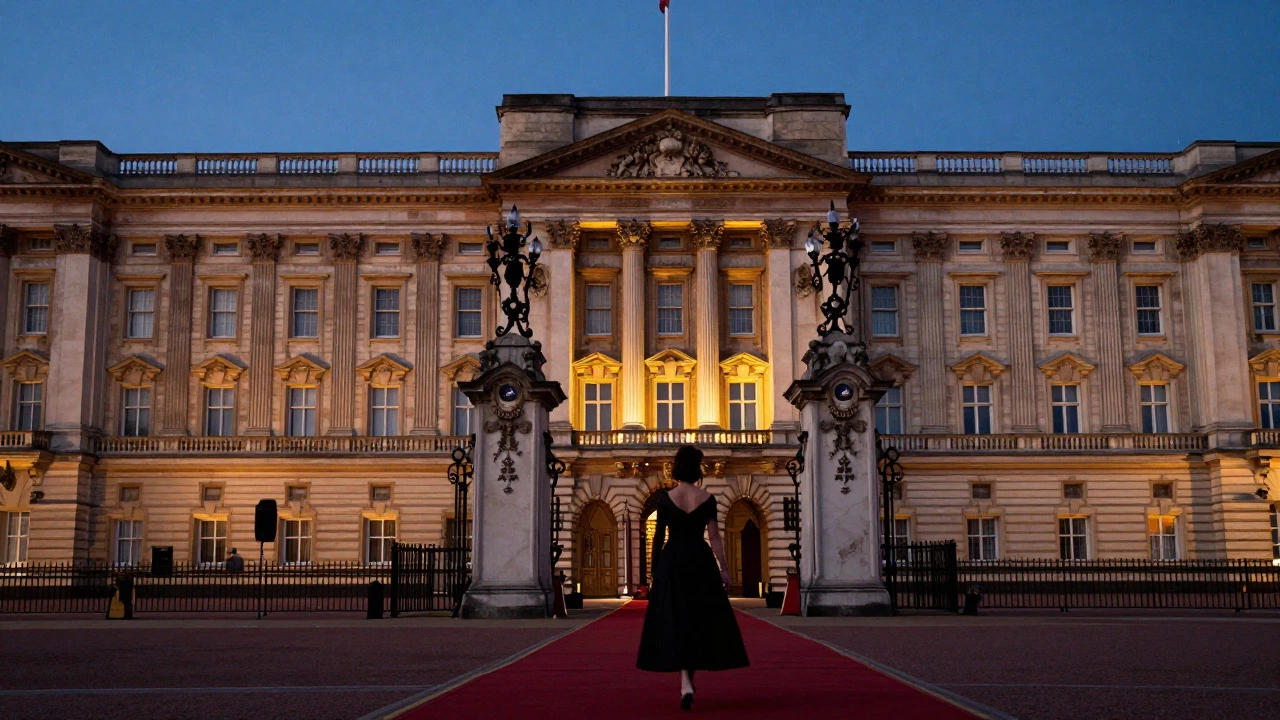
When you see Kate Middleton, currently the Princess of Wales, gliding down a red carpet in a stunning custom-made evening dress, it’s easy to assume that someone is paying her handsomely for the privilege. The question "Does Kate Middleton receive a salary?" pops up constantly, especially when we consider the sheer volume of public engagements she undertakes. But the reality of how royals get paid is far more complex than a simple paycheck from an employer.
The short answer is no, not in the traditional sense. She does not have a boss who cuts her a check at the end of the month. However, saying she has "no income" would be misleading. Her financial situation is tied directly to her status as a senior working member of the British Royal Family. To understand where the money comes from-and why it matters for her wardrobe choices-we need to look at the three main buckets of royal finance: the Sovereign Grant, private wealth, and official allowances.
The Sovereign Grant: Public Money for Public Duties
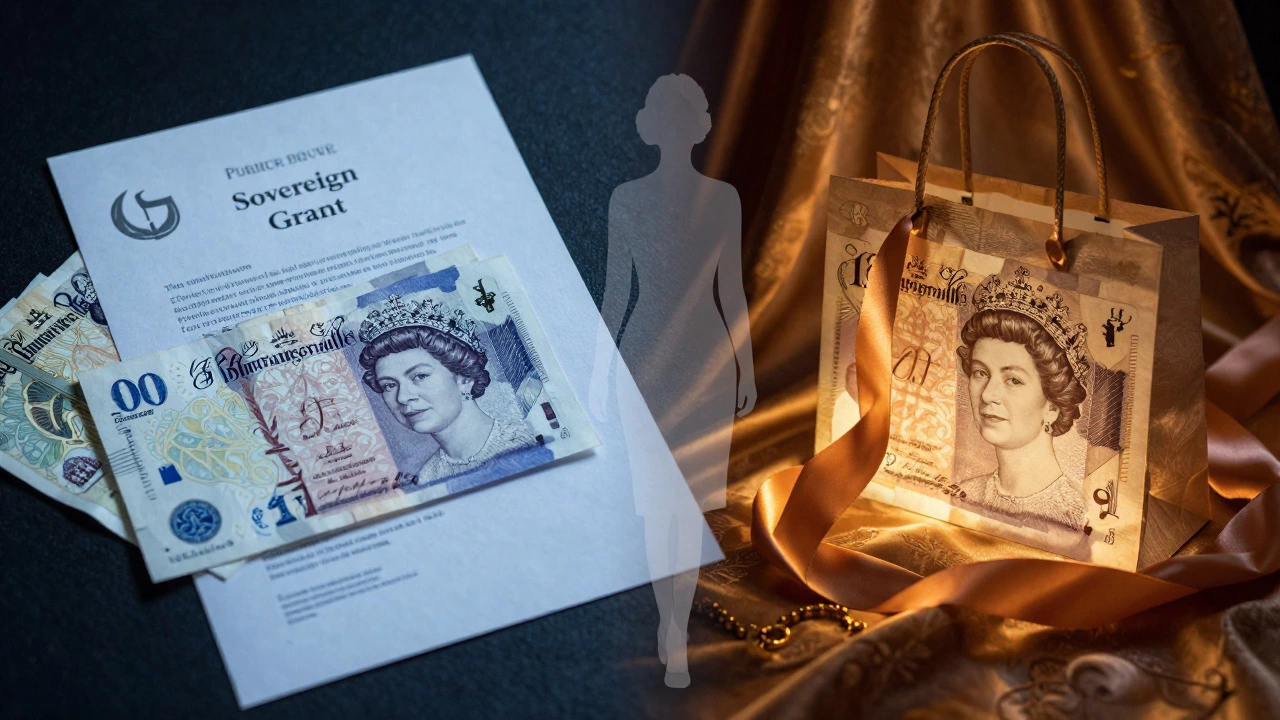
The largest source of funding for the Royal Family is the Sovereign Grant. This is public money allocated by the UK government to support the monarch and their immediate family. It covers things like travel costs, staff salaries, and the maintenance of royal residences such as Buckingham Palace. In recent years, this grant has been set at roughly 15% to 25% of the Crown Estate's profits. The Crown Estate is a massive portfolio of land and assets owned by the monarch in right of the Crown, but the profits go to the Treasury, with a portion returned as the Sovereign Grant.
For Kate, this means that while she doesn't get a personal salary line item, the work she does-attending state openings, charity events, and diplomatic trips-is funded by taxpayers. If she flies to Canada for a tour, the plane fuel comes from here. If she needs security detail for a hospital visit, that’s covered too. This system ensures that the monarchy can function without dipping into private pockets for official duties. However, it also means there is scrutiny over how every pound is spent, including on clothing.
Private Wealth: The Middleton and Spencer Fortunes
Where does the rest come from? This is where private wealth plays a huge role. Before marrying Prince William, Catherine Middleton came from a comfortable middle-class background. Her parents, Carole and Michael Middleton, built a successful business empire centered around Party Pieces, a party supply company they sold for millions. While exact figures are private, it is widely reported that the Middletons remain financially secure.
On the other side, Kate married into the Spencer family, which has significant historical wealth and estates, particularly Althorp. While she may not have direct access to all Spencer funds, being part of this network provides a level of financial stability that many public figures lack. More importantly, since becoming a senior royal, Kate and William have received substantial gifts and trusts set up for them and their children. For instance, it is known that they have received large sums from the Queen (now King Charles III) for weddings and births, which are invested and generate passive income.
Official Allowances and Grants-in-Aid
Beyond the Sovereign Grant, there are specific allowances. The most notable is the Grant-in-Aid, which is a specific allocation of public funds for maintaining royal palaces and supporting charitable activities. Historically, this helped cover the upkeep of Kensington Palace, where the Duke and Duchess of Cambridge live. Although some reports suggest they now pay rent or contribute to maintenance costs to appear more self-sufficient, the underlying infrastructure is still publicly supported.
This distinction is crucial for understanding her lifestyle. When Kate attends a gala in a bespoke gown, is it bought with taxpayer money? Not exactly. Most high-profile outfits are either borrowed from designers, gifted, or purchased using private funds. The public purse pays for the event attendance, not the dress itself. This separation helps maintain the perception that the royals are not living lavishly off the public dime, even though their visibility is a public service.
The Cost of Looking Good: Evening Dresses and Fashion
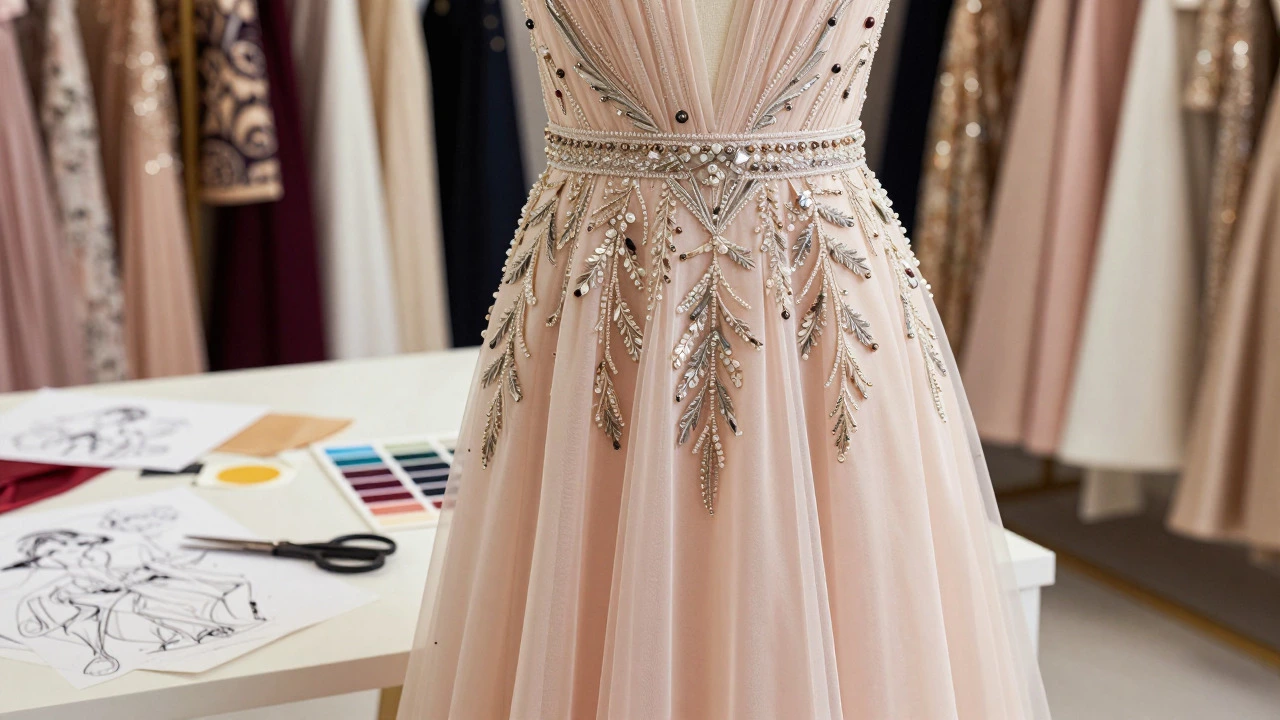
This brings us to the core of your interest: evening dresses. These are formal gowns worn by royalty at state banquets, galas, and diplomatic receptions. A single custom-made evening dress can cost anywhere from £5,000 to over £20,000. Designers like Alexander McQueen, Stella McCartney, and Zuhair Murad frequently create pieces for Kate. Why so expensive? Because these aren’t off-the-rack items. They are tailored specifically to her measurements, often featuring hand-sewn beads, intricate embroidery, and premium fabrics like silk chiffon or velvet.
So, who pays? In most cases, the designer donates the dress as a form of marketing. Being seen in a new collection boosts sales globally-a phenomenon known as the "Kate Effect." When she wears a certain brand, its stock prices often rise, and online traffic spikes. For example, after she wore an Alexander McQueen dress to a state banquet, the brand saw a significant surge in international interest. Therefore, the dress is effectively free to the royal household, serving as a powerful advertising tool for the designer.
However, if a dress is purchased outright, it likely comes from private funds. There is no rule stating that taxpayers must buy every outfit a royal wears. In fact, transparency reports show that very little of the Sovereign Grant goes toward clothing. Most wardrobe expenses are considered personal or are covered by the aforementioned designer partnerships. This allows Kate to maintain a polished image without burdening the public budget.
Comparison: Royal Funding Sources vs. Personal Expenses
| Expense Type | Funding Source | Paid By Taxpayers? |
|---|---|---|
| Travel & Security | Sovereign Grant | Yes |
| Palace Maintenance | Grant-in-Aid / Private Funds | Partially |
| Evening Dresses (Custom) | Designer Gifts / Private Funds | No |
| Daily Clothing | Private Funds | No |
| Charity Events | Sovereign Grant (Logistics) | Yes (Logistics only) |
Why Does This Matter for Fashion Lovers?
If you’re interested in royal fashion, understanding the economic dynamics behind celebrity and royal wardrobes changes how you view what you see on screen. You’re not just looking at a pretty dress; you’re seeing a strategic partnership between a global icon and a luxury brand. The fact that Kate doesn’t receive a salary means she relies on these partnerships to sustain her public image. It’s a symbiotic relationship: she gets free, high-quality clothing, and the brands get priceless exposure.
For everyday consumers, this highlights the difference between accessible fashion and haute couture. While you might never afford a £20,000 Zuhair Murad gown, knowing that it was likely gifted rather than tax-funded makes the spectacle less about elitism and more about commerce. It also explains why certain brands dominate royal appearances-they invest heavily in relationships with the palace team.
Common Misconceptions About Royal Paychecks
Many people believe that because royals have titles, they must have government jobs. This is a misconception. Titles confer status and duty, not employment contracts. Another myth is that the King pays everyone out of his own pocket. As mentioned, the Crown Estate profits go to the Treasury, not the King’s personal bank account. He receives the Sovereign Grant to perform his duties, which he then shares with his family based on their workload.
Furthermore, the idea that Kate lives entirely off William’s earnings is outdated. While William earns an income from his military service and later from his royal duties, Kate has her own financial independence through her family’s wealth and investments. This autonomy allows her to choose her charities, her causes, and yes, her style, without needing permission from a payroll department.
Does Kate Middleton get a monthly paycheck?
No, she does not receive a traditional monthly salary. Instead, her expenses are covered through a combination of the Sovereign Grant for official duties and private funds for personal items.
Who pays for Kate Middleton's evening dresses?
Most high-profile evening dresses are donated by designers as marketing gifts. If purchased, they are paid for with private funds, not taxpayer money.
How much is the Sovereign Grant?
The Sovereign Grant is typically set at 15-25% of the Crown Estate's annual profits, amounting to hundreds of millions of pounds annually for the entire royal household.
Is Kate Middleton rich before marriage?
Yes, she comes from a wealthy family due to her parents' successful business ventures, providing her with financial security independent of her royal role.
Do taxpayers pay for royal clothing?
Generally, no. Official travel and security are funded by taxpayers, but personal clothing, including evening dresses, is usually sourced through designer partnerships or private funds.