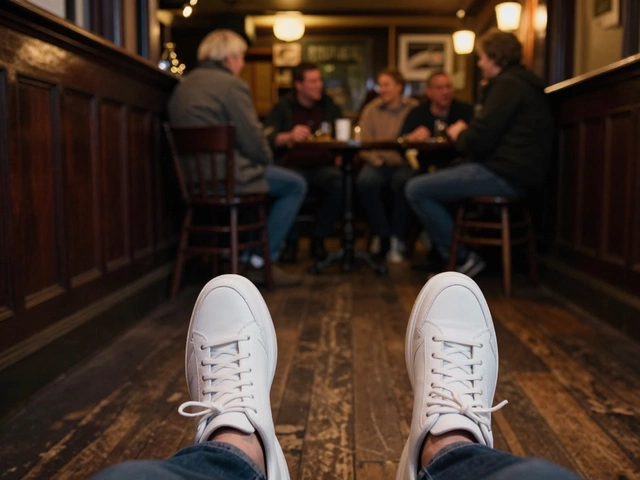
Is It Bad to Wear Leather Shoes Every Day? The Truth About Durability
- Cleo Fairchild
- 20 August 2026
- 0 Comments
Leather Shoe Longevity & Cost Estimator
Input your usage habits to see how they impact the lifespan and cost-effectiveness of your leather footwear.
Estimated Outcome
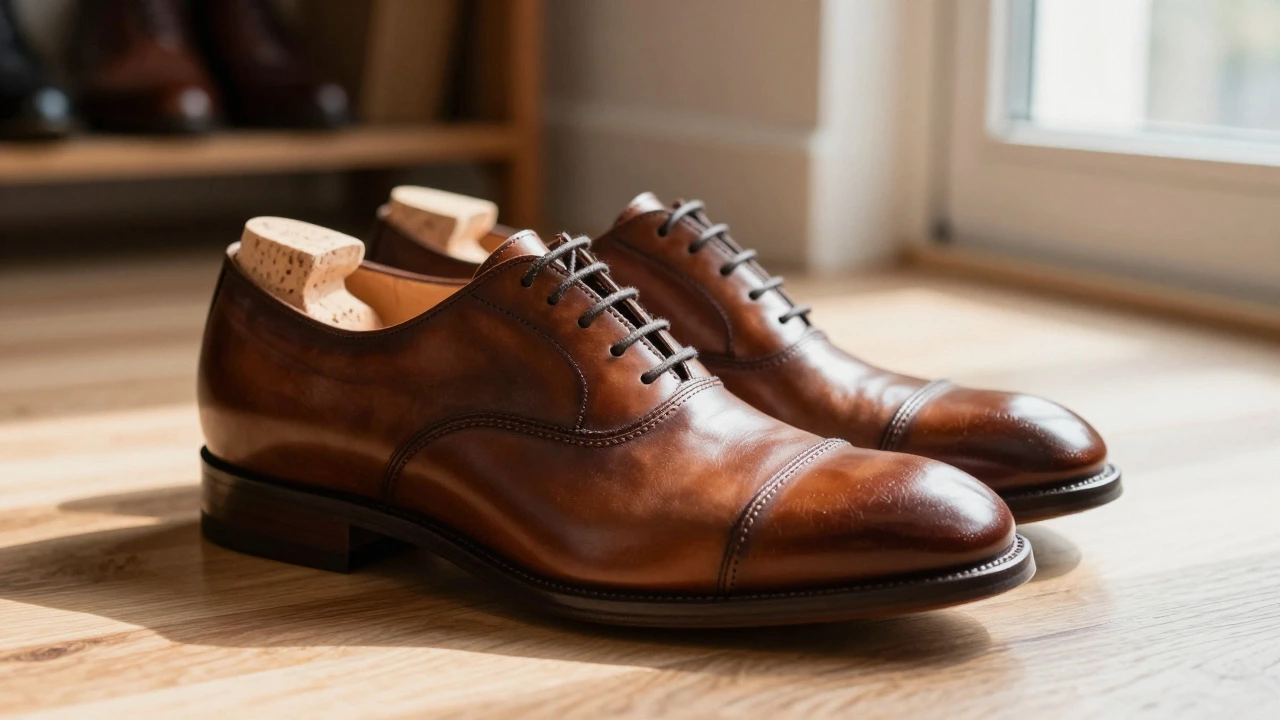
You probably own a pair of leather shoes is footwear crafted from animal hide known for its durability and classic aesthetic. They look sharp, they last, and they make you feel put-together. But there’s a nagging question that keeps coming up: can you really wear them every single day without ruining them? The short answer is yes, but with conditions. If you treat them right, a good pair of leather shoes can handle daily use for years. If you neglect them, they’ll crack, fade, and lose their shape within months.
The core issue isn’t the material itself-it’s how moisture, friction, and lack of rest affect the structure of the leather. When you walk, your feet sweat. That moisture gets trapped inside the shoe. If the leather doesn’t dry out properly, it weakens. Over time, this leads to permanent creases and stiffness. So, the real risk of wearing leather shoes daily isn’t the walking; it’s the environment you create inside the shoe after you take them off.
How Daily Wear Affects Leather Structure
To understand if daily wear is bad, you have to look at what happens on a microscopic level. Leather is a natural material made of collagen fibers. These fibers are flexible when dry but become brittle when saturated with water or excessive sweat. When you wear shoes all day, your feet produce between 0.5 and 1 liter of sweat. Most of this stays inside the shoe because leather is not fully breathable like canvas or mesh.
If you put the same pair back on the next morning while the interior is still damp, you’re compressing wet fibers. This breaks the internal bonds that give the shoe its shape. After a few weeks of this cycle, you’ll notice deep, unfixable creases across the toe box. You might also see the leather stiffen up, making the shoe uncomfortable to bend. This is why cobbler shops often recommend rotating pairs. It gives the fibers time to relax and dry completely.
However, modern leather treatments have changed the game. Many contemporary brands use full-grain leather with specialized tanning processes that improve resistance to moisture. Brands like Clarks and Allen Edmonds have developed linings that wick away moisture faster than older styles. If your shoes have a high-quality lining and you use cedar shoe trees, the impact of daily wear drops significantly.
The Moisture Trap: Why Drying Matters More Than Rest
People often think "resting" shoes means taking them off for 24 hours. While true, the critical factor is actually drying. Leather needs to release absorbed moisture into the air. If you store your shoes in a closed closet immediately after work, you’re trapping humidity against the material. This creates an ideal environment for mold and odor-causing bacteria.
Here is a practical rule of thumb: never put on leather shoes that feel cool or damp to the touch. If you must wear them daily, you need to accelerate the drying process. Using cedar shoe trees is the most effective method. Cedar absorbs moisture naturally and releases a scent that deters insects. Unlike newspaper stuffing, which can stain light-colored leather, cedar is safe for all finishes. You should insert the trees immediately after removing your shoes and leave them in until the next morning.
If you live in a humid climate, like much of the UK during summer, consider using a boot dryer set on low heat. High heat damages leather by stripping natural oils, but gentle warmth helps evaporate sweat without cracking the surface. Just keep the dryer at least six inches away from the shoe to avoid hot spots.
Friction and Sole Wear: The Hidden Cost of Daily Steps
It’s not just the upper part of the shoe that suffers. The soles take a beating too. Leather shoes typically come with leather or rubber soles. Leather soles are elegant but wear down faster on rough pavement. If you walk more than 8,000 steps a day, you might go through a pair of leather soles in 18 to 24 months. Rubber soles last longer but can trap dirt and grime, which scratches the leather above them over time.
Daily wear accelerates the breakdown of the stitching that holds the sole to the upper. This is called delamination. Once the sole starts to separate, it’s a costly repair. To prevent this, check your heels monthly. If you see white threads appearing or a slight gap forming, get it re-soled before it worsens. A simple resole costs less than half the price of a new pair and extends the life of your investment by another two years.
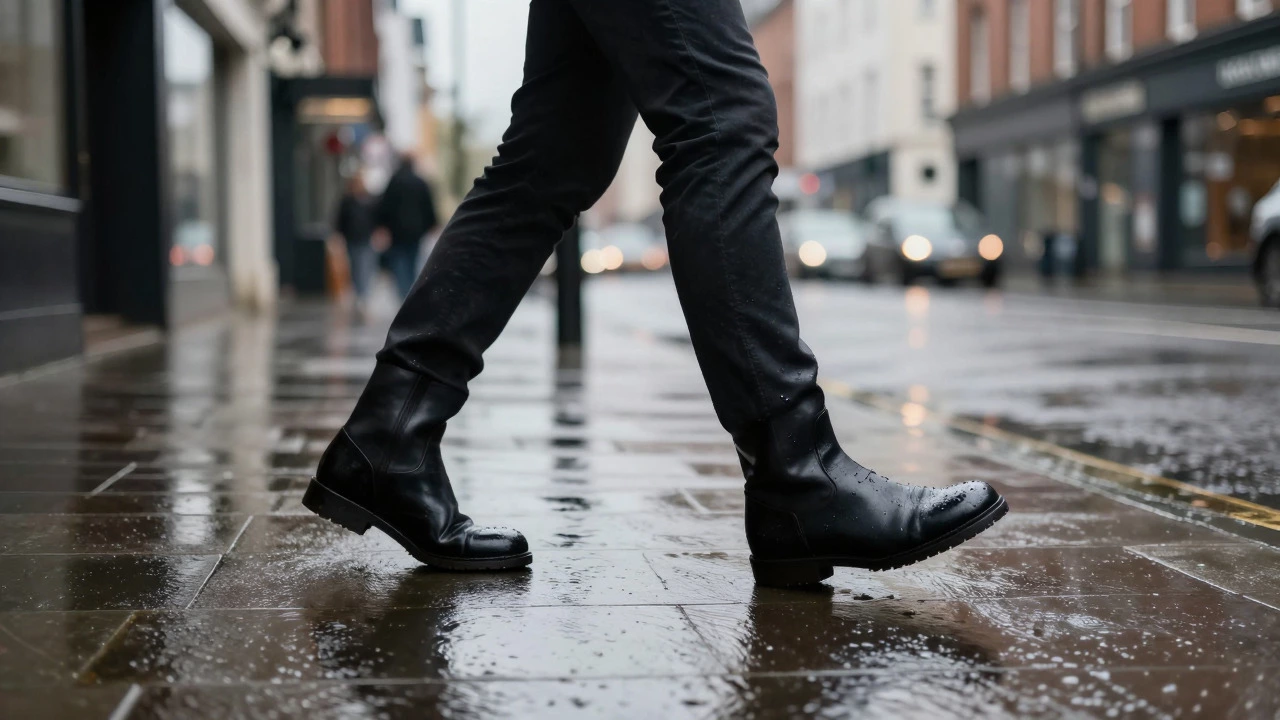
Also, pay attention to where you walk. Wet streets cause immediate damage to untreated leather. Rainwater penetrates the pores and stains the material permanently. In cities like Bristol, where rain is frequent, waterproofing is non-negotiable. Apply a silicone-based protector every three months. This creates a barrier that beads off water instead of absorbing it.
Care Routine for Daily Worn Leather Shoes
If you decide to wear your leather shoes every day, you need a consistent care routine. Skipping these steps turns daily wear into destructive wear. Here is a simple schedule that protects your investment:
- Daily: Remove shoes, insert cedar shoe trees, and let them air dry in a well-ventilated area. Avoid direct sunlight or radiators.
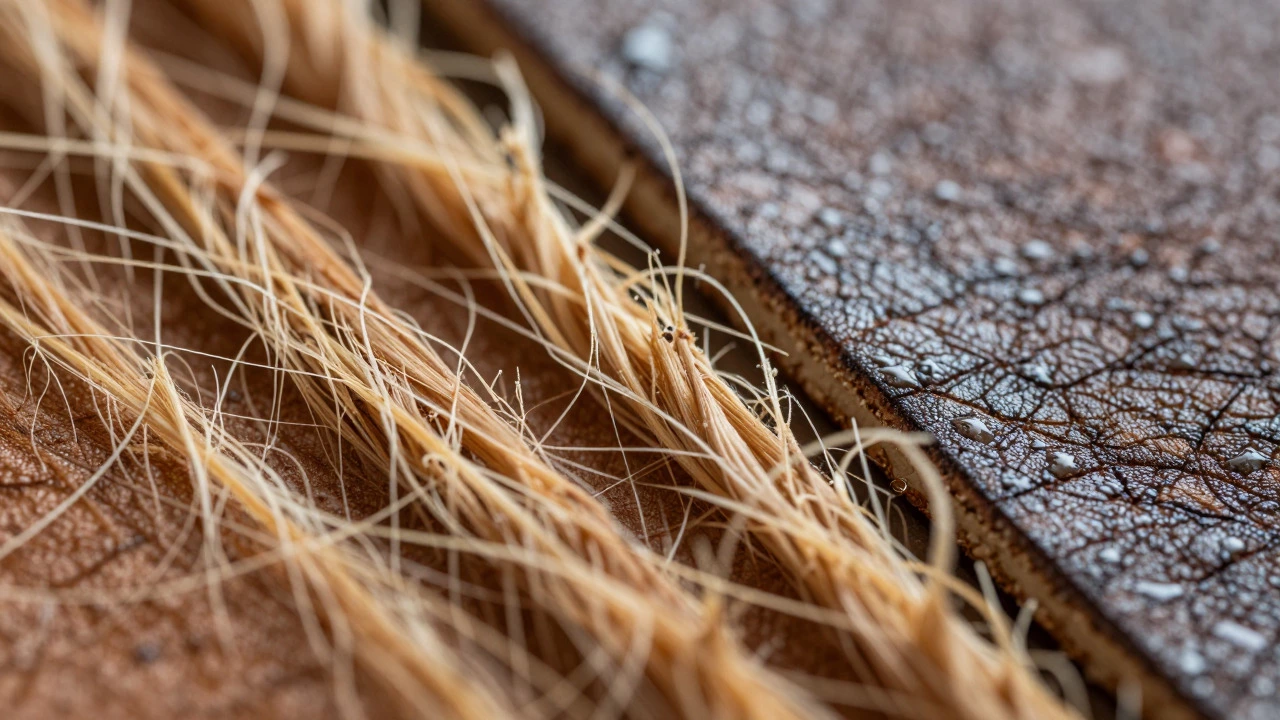
- Weekly: Brush the shoes with a horsehair brush to remove dust and dirt. This prevents abrasive particles from scratching the finish.
- Monthly: Clean the leather with a damp cloth and mild soap. Condition the leather with a cream polish to replenish lost oils. This keeps the material supple and prevents cracking.
- Quarterly: Apply a waterproofing spray. Check the soles for wear and rotate your heel caps if needed.
Conditioning is the most important step. Leather loses its natural oils as it ages. Without replacement, it becomes dry and prone to splitting. Use a neutral cream polish for black and brown shoes. For colored leathers, match the shade to avoid discoloration. Apply a thin layer, let it sit for 10 minutes, then buff with a soft cloth. This takes five minutes but adds years to the shoe’s lifespan.
When Daily Wear Becomes Too Much
There are limits to how much stress leather can handle. If you work in an environment where you’re on your feet for 10+ hours, daily wear might be pushing it. Your feet expand throughout the day due to blood flow and swelling. By evening, your feet are larger than in the morning. This constant stretching stresses the seams and the leather upper. Over time, the shoe may stretch out permanently, becoming loose and uncomfortable.
Signs that your shoes are overstressed include:
- Persistent creases that don’t smooth out after resting.
- Peeling or flaking of the finish on the toe box.
- A sour smell that persists even after cleaning.
- Soles separating from the upper despite recent repairs.
If you notice any of these, it’s time to rotate your wardrobe. Own at least two pairs of leather shoes. Alternating them allows each pair to recover fully. This simple habit can double the usable life of your footwear. It’s cheaper than buying new shoes every year and better for the planet, too.
Comparison: Daily Wear vs. Rotated Wear
To help you decide, here’s a comparison of how different usage patterns affect the longevity of a standard pair of dress shoes.
| Usage Pattern | Avg. Lifespan (with care) | Risk of Creasing | Maintenance Effort | Cost per Year |
|---|---|---|---|---|
| Daily Wear (1 pair) | 1-2 years | High | High (daily drying) | £300-£500 |
| Rotated Wear (2 pairs) | 3-5 years | Medium | Medium (every other day) | £150-£250 |
| Occasional Wear (2x/week) | 5-8 years | Low | Low (weekly) | £75-£125 |
As you can see, rotating pairs offers the best balance of cost and convenience. You get the style of leather shoes without the high maintenance burden. If budget is tight, start with one high-quality pair and commit to the care routine. If you can afford it, buy a second pair in a different color. This gives you flexibility and extends the life of both.
Frequently Asked Questions
Can I wear leather shoes in the rain?
Yes, but only if they are treated with a waterproofing spray. Untreated leather will absorb water, leading to stains and stiffness. If you do get them wet, stuff them with paper towels to absorb moisture and let them dry naturally away from heat sources.
How long should leather shoes rest between wears?
Ideally, 24 hours. This allows the leather to dry out completely and the internal structure to relax. If you must wear them daily, ensure they are thoroughly dried overnight using cedar shoe trees.
Do leather shoes stretch over time?
Yes, leather is a natural material that molds to your foot shape. With daily wear, expect some stretching, especially in the toe box and heel. This is normal, but excessive stretching indicates poor fit or lack of conditioning.
What is the best way to clean dirty leather shoes?
Use a soft, damp cloth to wipe away surface dirt. For deeper stains, apply a small amount of saddle soap with a brush, then rinse with a clean damp cloth. Always follow up with a conditioner to restore moisture.
Are suede shoes suitable for daily wear?
Suede is more delicate than smooth leather and requires more careful handling. It can be worn daily if you use a suede brush regularly and avoid wet conditions. However, smooth leather is generally more durable for everyday use.