What Does Activewear Include? A Simple Breakdown of Essential Pieces
- Cleo Fairchild
- 22 January 2026
- 0 Comments
Sports Bra Support Level Calculator
Select Your Activity Type
When you hear the word activewear, you might picture yoga pants and a matching sports bra. But that’s just the start. Activewear isn’t just one thing-it’s a whole system of clothing designed to move with you, not against you. Whether you’re running, lifting, cycling, or just walking the dog, what you wear matters more than you think.
What Exactly Counts as Activewear?
Activewear includes any clothing made specifically for physical activity, but it’s also worn for comfort in daily life. It’s not the same as regular sportswear, which is often designed for professional athletes. Activewear is made for real people doing real things-whether that’s a 5 a.m. HIIT class or chasing kids around the park.
The core pieces you’ll find in any solid activewear collection are:
- Moisture-wicking tops (short-sleeve, long-sleeve, or tank styles)
- Compression or stretch leggings and shorts
- Sports bras with varying levels of support
- Lightweight, breathable hoodies or zip-ups
- Performance socks and athletic footwear
These items aren’t just labeled as ‘activewear’-they’re built with specific tech. Look for fabrics like polyester blends, nylon, spandex, or recycled materials like ECONYL. These fabrics pull sweat away from your skin, dry fast, and don’t get stiff or heavy when wet.
Why Fabric Matters More Than You Think
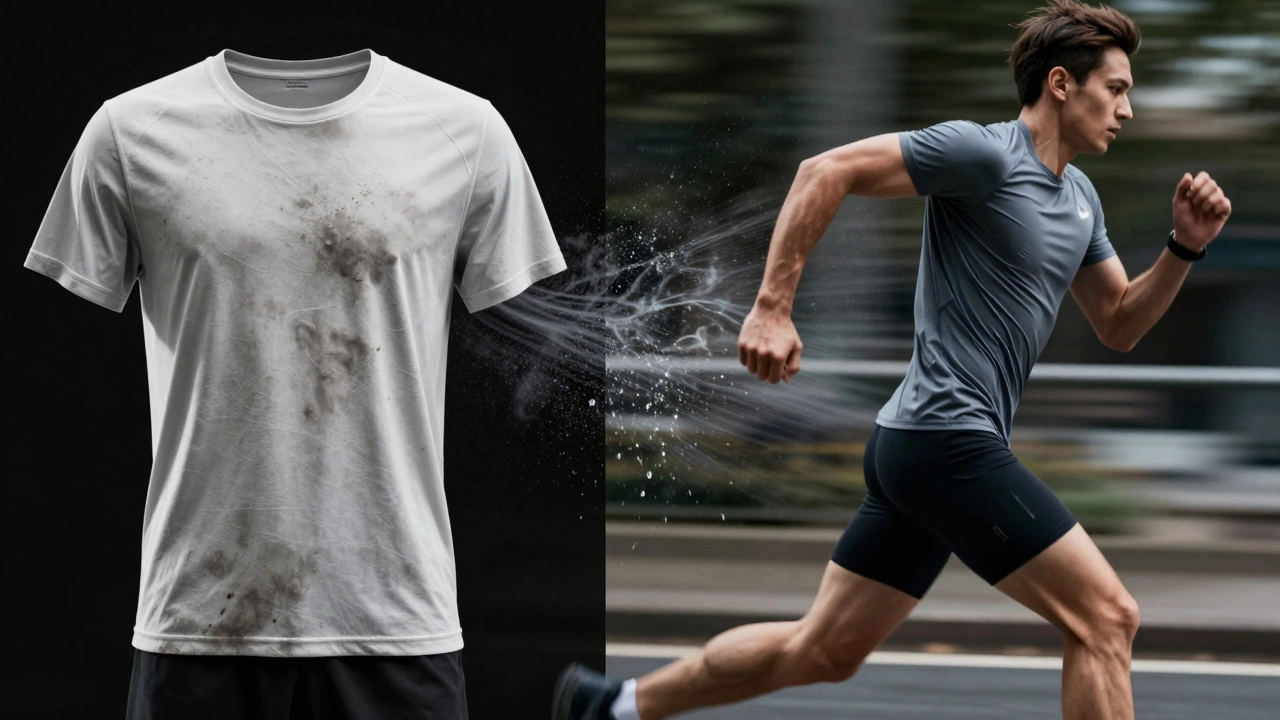
Not all workout clothes are created equal. A cotton T-shirt might feel soft, but it turns into a soggy towel during a run. That’s why activewear uses synthetic blends. Polyester, for example, can move moisture 50% faster than cotton, according to textile testing labs like AATCC. Brands like Lululemon, Nike, and Under Armour invest heavily in fabric science because it directly affects how you feel during and after exercise.
Compression fabrics, often found in leggings and tops, aren’t just for pro athletes. Studies show they can reduce muscle fatigue and improve circulation during long workouts. Even if you’re not racing a marathon, that slight pressure helps your legs feel less tired after a 45-minute spin class.
The Role of Support: Sports Bras Are Non-Negotiable
A sports bra isn’t an optional accessory-it’s essential. Without proper support, high-impact movements can cause permanent tissue damage. The American Council on Exercise recommends different support levels based on activity:
- Low impact (yoga, walking): light support, soft cups
- Medium impact (cycling, weight training): medium support, encapsulation style
- High impact (running, jumping): high support, compression or encapsulation with wide straps
Most women don’t realize their sports bra needs replacing every 6-12 months. The elastic breaks down with washing and sweat. If the band rides up or the straps dig in, it’s time for a new one.
Leggings, Shorts, and Bottoms: Fit Is Everything
Leggings should hug your skin without squeezing too tight. You shouldn’t have to tug them up after squatting. High-waisted styles stay in place during movement and offer gentle core support. Look for flat seams-they prevent chafing-and a gusseted crotch for mobility.
Shorts come in different lengths: 3-inch for runners, 5-inch for gym sessions, and 7-inch for yoga or casual wear. Many now include built-in liners or compression shorts underneath, so you don’t need to layer. That’s one less thing to think about before heading out.
Outer Layers: Hoodies, Jackets, and Layering
Activewear isn’t just about what you wear during the workout-it’s also about what you wear before and after. A lightweight, water-resistant zip-up hoodie keeps you warm after sweating. Many now have thumbholes to keep sleeves in place and hoodies with hidden phone pockets.
Windbreakers and running jackets are designed to be packable. You can roll one into its own pocket and toss it in your gym bag. They’re not meant to be fashion statements-they’re functional shields against wind, light rain, or chilly morning air.
Accessories That Actually Help
Activewear includes more than just tops and bottoms. Performance socks with arch support and cushioning zones reduce foot fatigue. Headbands made from moisture-wicking fabric keep sweat out of your eyes. Some even come with built-in earbud holders.
Hand weights, resistance bands, and yoga mats aren’t clothing, but they’re often grouped with activewear because they’re part of the same ecosystem. You buy them from the same stores, wear them together, and use them as a set.
What Activewear Doesn’t Include
Just because something looks sporty doesn’t mean it’s activewear. A baggy cotton T-shirt from a thrift store? Not activewear. Denim jeans? No. Even some ‘athleisure’ pieces-like skinny jeans with a faux-mesh panel-are just fashion with a sporty twist. They don’t wick sweat or move with your body.
True activewear has to pass three basic tests:
- Does it move with your body during motion?
- Does it dry quickly after you sweat?
- Does it stay in place without constant adjusting?
If it fails any of those, it’s not activewear-it’s just clothing you’re pretending is workout gear.
How to Build a Basic Activewear Wardrobe
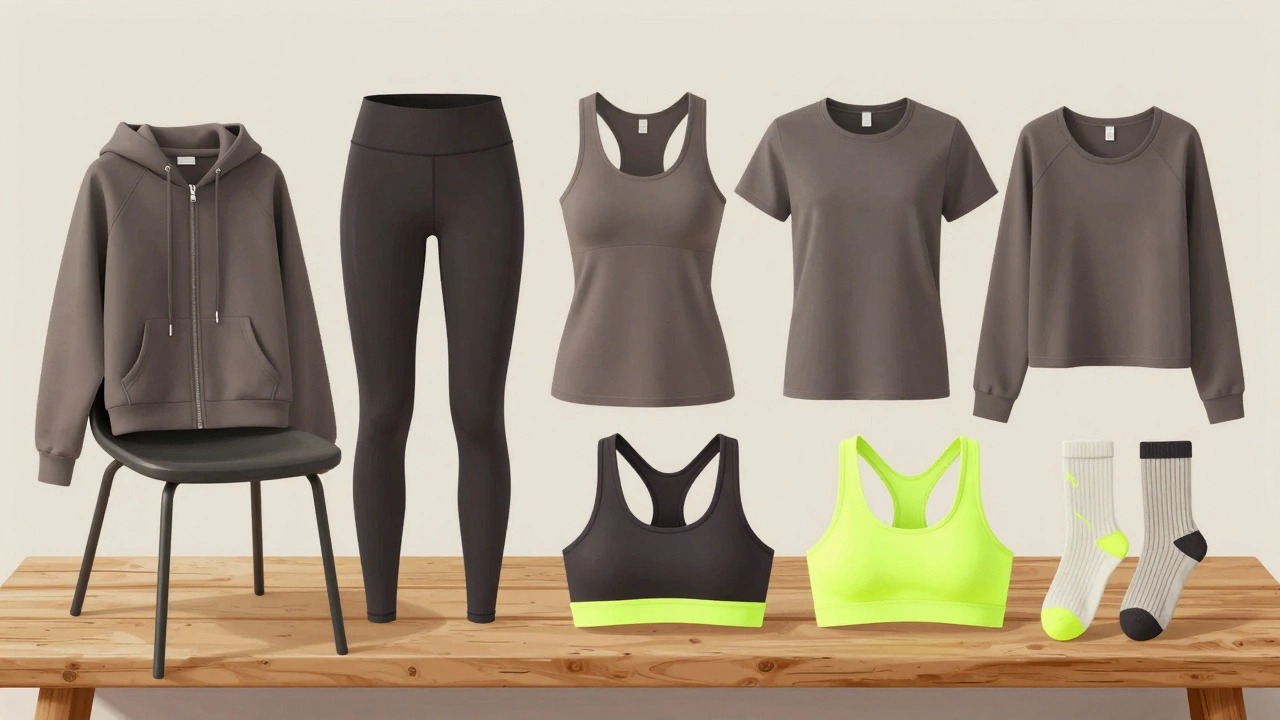
You don’t need 20 pairs of leggings. Start with these five essentials:
- Two pairs of leggings (one for high impact, one for low)
- Three tops (one tank, one short-sleeve, one long-sleeve)
- Two sports bras (one for low impact, one for high)
- One lightweight zip-up hoodie
- One pair of performance socks
That’s it. You can mix and match. Wash them after every wear. Replace them when they lose shape or elasticity. Quality over quantity always wins.
Final Thought: Activewear Is About Function, Not Fashion
Yes, activewear looks good. But it wasn’t designed to be Instagram-worthy. It was designed to help you move better, feel stronger, and stay comfortable. The best piece of activewear is the one you forget you’re wearing-because it just works.
Is activewear the same as sportswear?
No. Sportswear is designed for professional athletes and high-performance competition. Activewear is made for everyday movement-whether you’re working out, running errands, or just sitting at your desk. Activewear focuses on comfort, breathability, and flexibility for non-pro users.
Can I wear activewear every day?
Yes, and many people do. Activewear is designed to be comfortable and durable, making it ideal for daily wear. But if you’re wearing the same leggings or sports bra every day without washing, you’re risking skin irritation and odor buildup. Wash after each use, even if you didn’t sweat much.
What should I look for when buying activewear?
Check the fabric: it should be a blend of polyester, nylon, or spandex-not 100% cotton. Look for flat seams, moisture-wicking labels, and a snug but not tight fit. Try moving in it: squat, reach, twist. If it rides up, digs in, or feels stiff, skip it.
Do I need different activewear for different workouts?
You can use the same pieces for most activities, but some gear is better suited for specific sports. Running needs lightweight, breathable shorts and a high-support bra. Yoga benefits from stretchy, form-fitting leggings. Weightlifting might require thicker fabric to handle friction from bars and benches. Match the gear to the movement.
How long does activewear last?
With proper care-washing in cold water, air drying, no fabric softener-activewear lasts 1-2 years. Sports bras lose elasticity faster, usually after 6-12 months of regular use. If the fabric pills, stretches out, or smells even after washing, it’s time to replace it.