Is an Evening Dress Long or Short? What to Wear for Formal Events in 2026
- Cleo Fairchild
- 9 March 2026
- 0 Comments
Evening Dress Length Calculator
When you're invited to a black-tie event, a charity gala, or a fancy wedding, one question always comes up: is an evening dress long or short? It’s not just about style-it’s about fitting the moment. The answer isn’t as simple as ‘long is formal’ or ‘short is casual.’ The truth is, it depends on the event, the time, the venue, and even the culture around it. Let’s cut through the confusion.
What Exactly Is an Evening Dress?
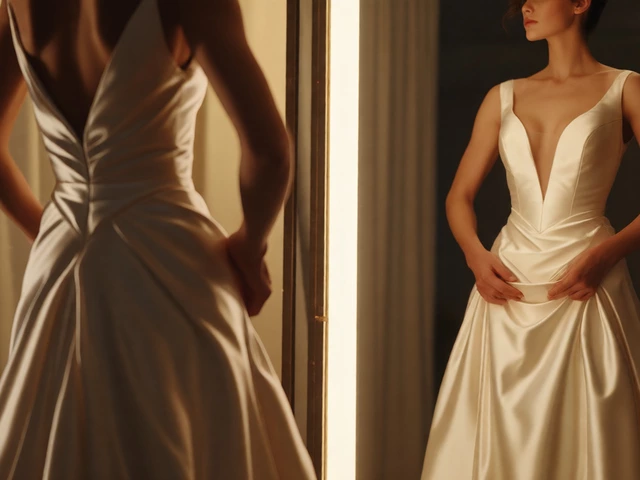
An evening dress isn’t just any fancy outfit. It’s a category of clothing designed for formal events after 6 p.m., typically held in elegant settings like ballrooms, upscale restaurants, or theaters. Historically, evening dresses were always floor-length. Think Audrey Hepburn in Breakfast at Tiffany’s or Grace Kelly at the Oscars. But fashion doesn’t stay still. In 2026, the rules have softened-without disappearing.The term ‘evening dress’ now covers a range of silhouettes, from full-length gowns to knee-length cocktail dresses. The key difference lies in the level of formality. If you’re unsure, look at the invitation. Words like ‘black-tie,’ ‘white-tie,’ or ‘formal’ mean one thing. ‘Cocktail’ or ‘semi-formal’ mean another.
When Long Is Required
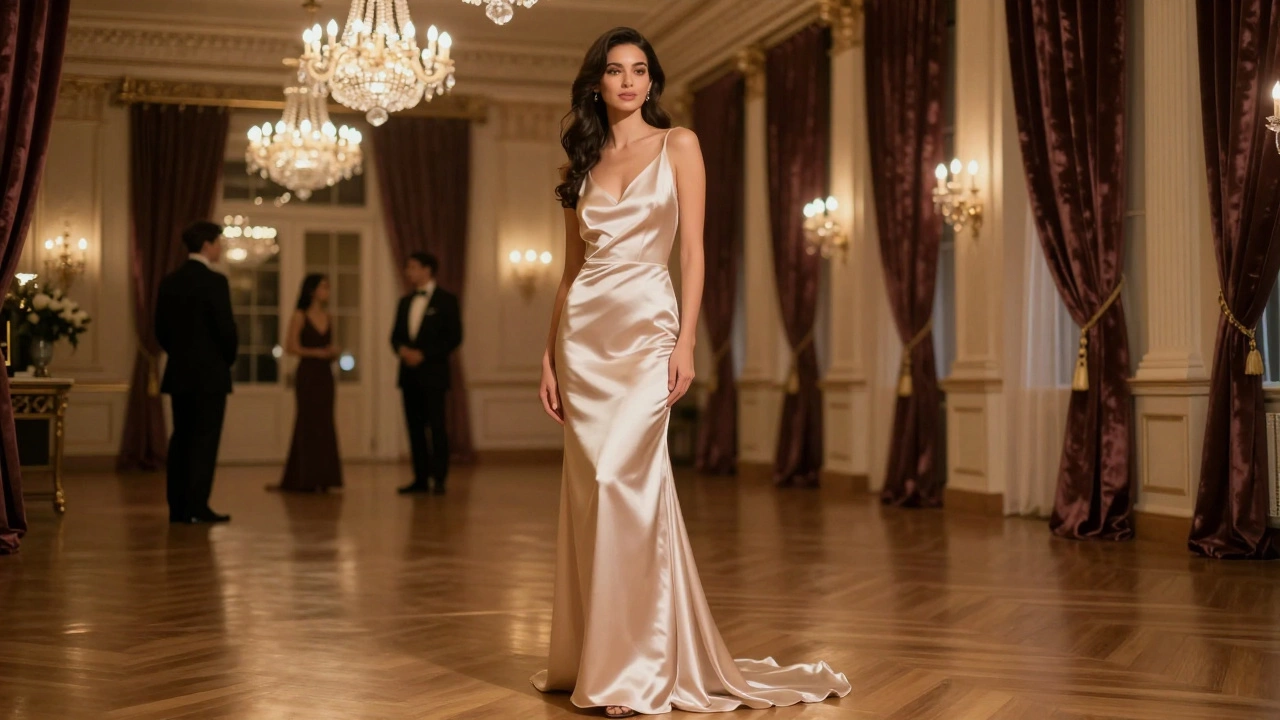
If the invitation says ‘white-tie,’ you’re looking at the most formal dress code possible. In this case, women are expected to wear full-length evening gowns. These aren’t just long-they’re elegant, often with train details, luxurious fabrics like silk satin or velvet, and minimal embellishment. Think ballgowns with structured bodices and flowing skirts. No exceptions. This isn’t fashion advice-it’s protocol.For black-tie events, long dresses are still the standard. Most guests wear floor-length gowns, though some modern variations allow for tea-length (just above the ankle) if the design is sophisticated enough. In London, Paris, or New York, you’ll see more variation. But in Bristol, at the Royal Theatre or the Ashton Court Estate, you’ll still notice most women opting for full-length.
Why? Because long dresses signal effort. They’re tied to tradition, to the idea that some occasions demand a level of reverence. A floor-length gown doesn’t just cover legs-it covers expectations.
When Short Is Acceptable
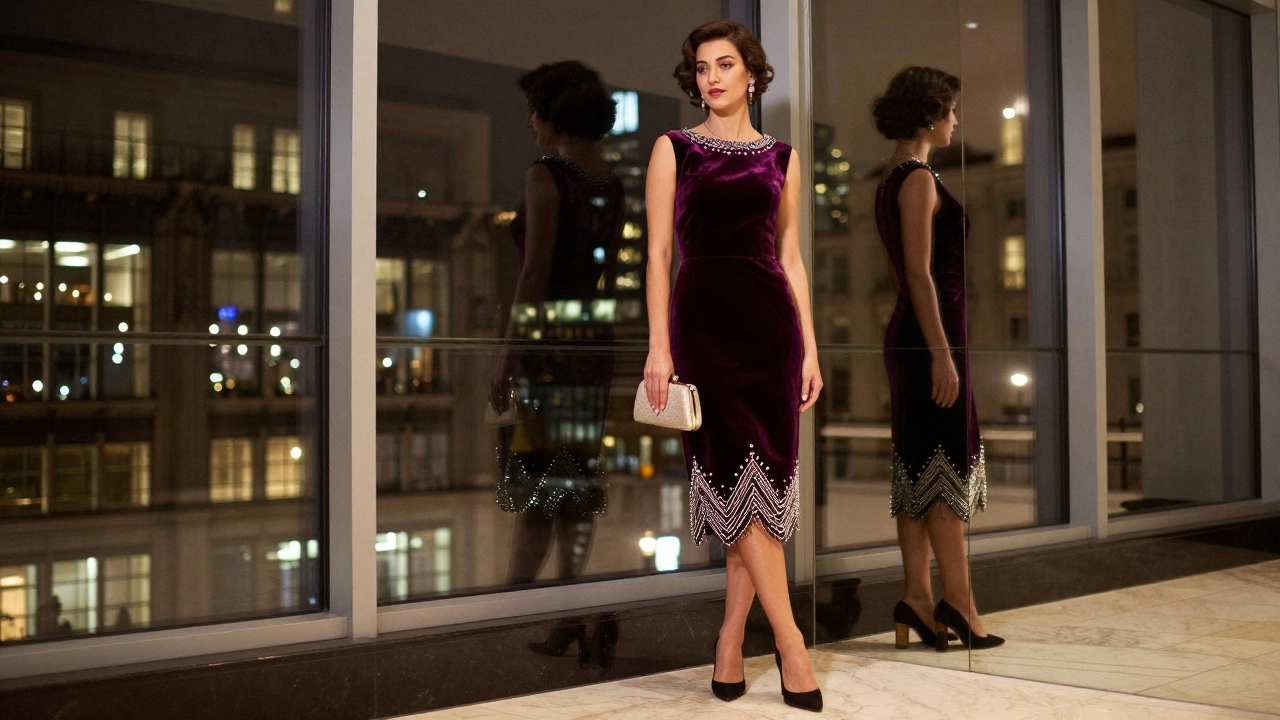
Now, let’s talk about the rise of the cocktail dress. In the last five years, ‘evening dress’ has expanded to include dresses ending at the knee or just below. This shift started with younger professionals and has now become mainstream. Why? Because formal events are no longer just for gala dinners. Think art gallery openings, rooftop weddings, or upscale birthday parties. These aren’t white-tie events-but they’re not jeans-and-tees either.A well-tailored knee-length dress in a rich fabric-think velvet, lace, or metallic brocade-can absolutely count as an evening dress. Pair it with elegant heels, statement earrings, and a clutch, and you’re dressed appropriately. The key is quality. A cheap sequin mini from a fast-fashion brand won’t cut it. But a structured, minimalist black dress from a designer like Simone Rocha or a British label like Emilia Wickstead? That’s evening wear.
In 2026, fashion magazines like Vogue UK and Harper’s Bazaar report that 42% of women at formal events now choose cocktail-length dresses. That’s nearly half. And it’s not because they’re lazy-it’s because the definition of ‘formal’ has evolved.
The Middle Ground: Tea-Length and Midi
There’s a sweet spot between long and short: the tea-length dress (ending mid-calf) and the midi dress (hitting between knee and ankle). These are becoming increasingly popular, especially in the UK. They offer elegance without the weight of a full train, and they’re easier to move in-perfect for dancing or navigating crowded venues.Tea-length dresses were popular in the 1950s and have made a quiet comeback. They’re ideal for spring and summer events, where you want to show off a little leg without going too far. A midi dress with a high slit or subtle lace detailing can look just as luxurious as a floor-length gown, especially when paired with a tailored jacket or a delicate cape.
For women over 40, this length is often preferred. It’s flattering, practical, and still feels special. For younger guests, it’s a stylish way to stand out without breaking tradition.
What Fabric and Detailing Matter
Length isn’t everything. The material and details tell the real story. A short dress in cheap polyester looks like a costume. A long dress in the same fabric looks like a mistake.For evening wear, stick to:
- Silk, satin, or charmeuse
- Lace with intricate patterns
- Velvet for winter events
- Metallic brocade or sequins (used sparingly)
- Sheer overlays with lining
Avoid:
- Cotton
- Spandex blends
- Plastic-like synthetics
- Overly casual prints (florals, polka dots)
Even if your dress is short, if it’s made from silk with a delicate beaded hem and a structured bodice, it reads as evening wear. The fabric tells the story. The length just sets the stage.
Season and Venue Change Everything
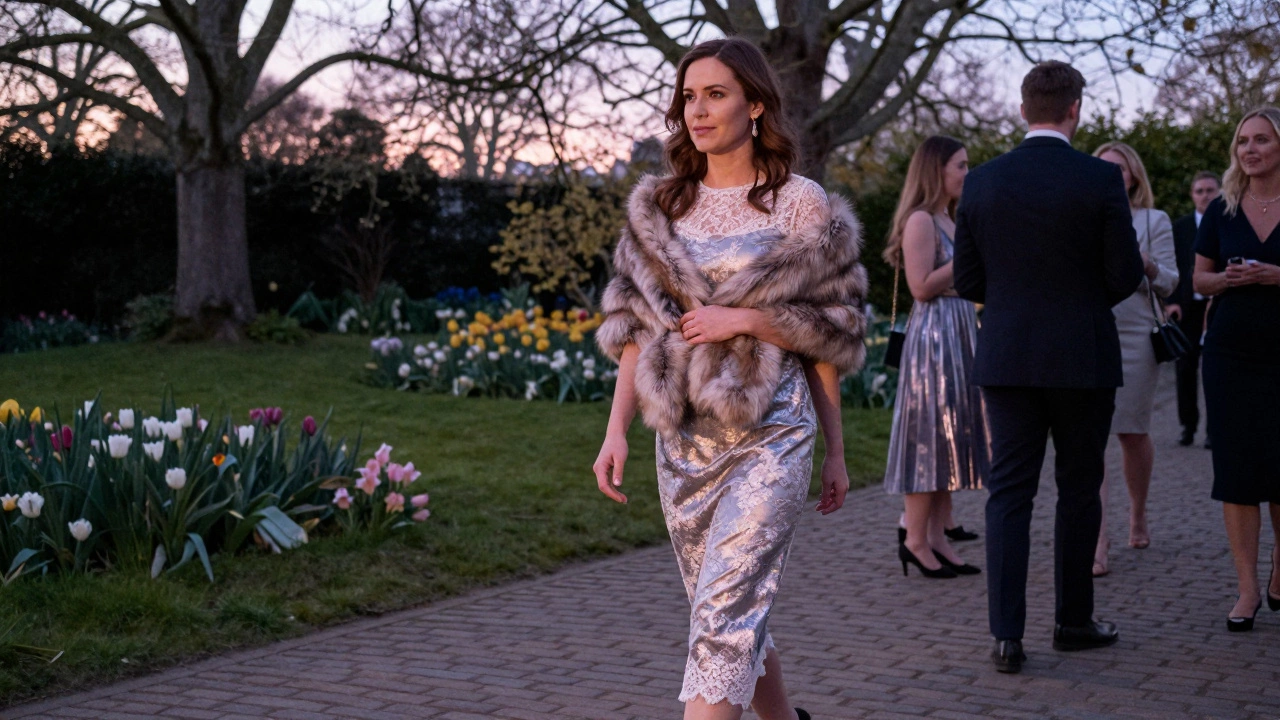
A floor-length gown in July at a garden party? You’ll be sweating and tripping over grass. A knee-length dress in December at a cold ballroom? You’ll be shivering.In Bristol, where the weather shifts fast, layering matters. A long dress can be paired with a faux fur stole or a tailored wrap. A short dress? Add a long-sleeve lace bodysuit underneath or a structured blazer. It’s not about hiding-it’s about adapting.
Indoor events? Go for drama. Outdoor? Think practical elegance. A mid-calf dress with a slight train gives you the best of both worlds.
What to Do When You’re Unsure
Still stuck? Here’s a simple rule: when in doubt, go longer. It’s easier to dress down a long dress than to dress up a short one. A floor-length gown can be paired with simple heels and minimal jewelry to feel modern. A short dress can’t be made to look more formal without changing the whole outfit.Check the venue’s website. Many hotels and event spaces list dress codes. Look at photos from past events. If you see mostly gowns, go long. If you see a mix, you’re safe with a cocktail dress.
Ask the host. Not in a direct way-just say, ‘I’m trying to decide between a gown and a shorter dress-do you have any guidance?’ Most people are happy to help.
2026 Trends in Evening Dress Length
This year, fashion designers are playing with asymmetry. One shoulder, one long sleeve, a slit up the thigh on a midi dress. It’s not about breaking rules-it’s about redefining them. Celebrities like Florence Pugh and Emma Corrin have worn knee-length gowns to the BAFTAs. That’s not rebellion-it’s evolution.British designers like Simone Rocha and Molly Goddard are leading the shift. Their evening collections now include both floor-length and knee-length pieces, labeled equally as ‘evening wear.’ That tells you everything.
Bottom line: Your evening dress doesn’t have to be long to be formal. But it does have to be intentional.
Can I wear a short dress to a black-tie event?
Technically, no-not if it’s truly black-tie. Black-tie events expect floor-length gowns. While some modern events are more relaxed, sticking to a long dress avoids any risk of underdressing. If you want to wear a shorter dress, aim for a cocktail dress only if the invitation says ‘black-tie optional’ or ‘semi-formal.’
Is a tea-length dress appropriate for evening wear?
Yes, absolutely. Tea-length dresses (ending mid-calf) are classic, elegant, and increasingly popular for evening events. They’re perfect for spring and summer galas, and they’re easier to move in than full-length gowns. Just make sure the fabric is luxurious and the cut is refined.
What’s the difference between a cocktail dress and an evening dress?
A cocktail dress is typically knee-length and worn to events between 6 p.m. and midnight. An evening dress is designed for formal occasions after dark and can be either floor-length or mid-calf. The key difference is formality: evening dresses use richer fabrics and more structured designs. In 2026, the lines have blurred-but the fabric still tells the truth.
Do I need to wear heels with an evening dress?
Heels are traditional, but not required. Elegant flats with embellishments or low block heels are now acceptable, especially for longer events. The goal is balance: if your dress is long and dramatic, go for heels. If it’s shorter and modern, you can opt for stylish loafers or embellished sandals. Just avoid sneakers, flip-flops, or overly casual shoes.
Can men wear tuxedos with short dresses?
This question mixes genders, but the answer is yes-if the dress is appropriate. A man in a tuxedo is expected at black-tie events regardless of what the woman wears. The dress code for men doesn’t change based on the length of a woman’s dress. The focus should be on the woman’s outfit matching the event’s formality, not on how it pairs with the man’s attire.
Final Thought
There’s no universal rule that says evening dresses must be long. But there’s also no rule that says short is automatically okay. It’s about context. The best evening dresses aren’t the longest-they’re the ones that feel right for the moment. Whether you choose floor-length silk or a sleek knee-length lace, make sure it’s made with care, fits perfectly, and lets you walk into the room with confidence. That’s what really matters.