What Do British People Call Boots and Shoes?

- Cleo Fairchild
- 23 March 2026
- 0 Comments
In the UK, the word "boots" doesn’t mean what you might think if you’re from the US. And "shoes"? It’s way more specific than most outsiders realize. If you walk into a shop in Bristol and ask for "boots," you’re not talking about hiking gear or cowboy boots-you’re likely talking about anything that covers your ankle and goes higher. But here’s the twist: what Americans call "boots," Brits might just call "footwear," and what Americans call "shoes," Brits often call "trainers."
Trainers: The UK’s Universal Shoe
If you ask a British person what they’re wearing on their feet, the most common answer isn’t "sneakers" or "athletic shoes." It’s "trainers." That’s right-the word "trainers" covers everything from running shoes to basketball kicks to casual slip-ons with a rubber sole. It’s not just slang. It’s standard English. Walk into any high street shop in Manchester, Edinburgh, or Cardiff, and you’ll see signs that say "New Trainers Just In."Why "trainers"? It comes from the 19th century, when these shoes were originally designed for athletes to train in. Over time, the term stuck-even for people who never set foot on a track. A 2023 survey by the British Shoe Association found that 87% of UK adults under 45 refer to all types of athletic footwear as "trainers." Even my 72-year-old mum calls her Nike Air Forces "trainers."
Boots: More Than Just Weatherproof
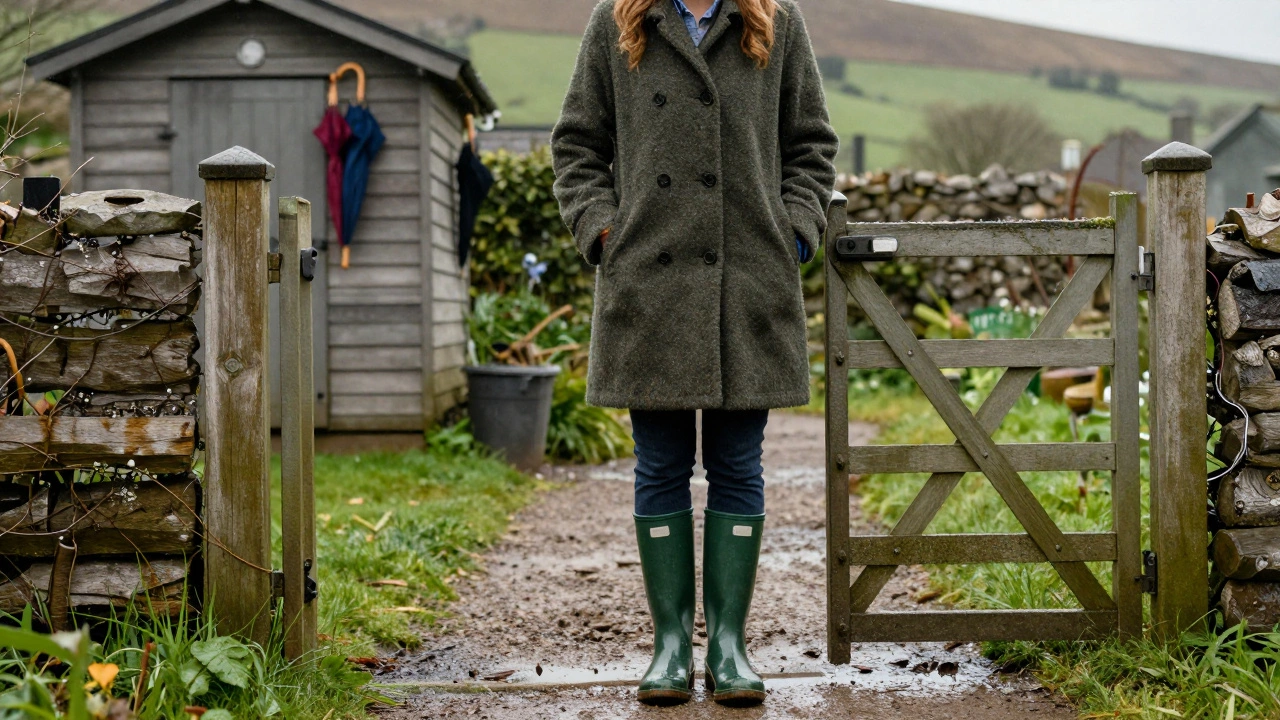
When Brits say "boots," they’re not always talking about something rugged. In fact, boots can be anything from ankle-high Chelsea boots to knee-high fashion boots. You’ll hear people say "I’m wearing my boots today" on a rainy Tuesday in November-and they might mean their leather loafers with a slight heel. But if you’re talking about winter, "boots" almost always means waterproof, insulated, and laced-up. Think Timberland-style work boots or wellies (short for Wellingtons), which are the go-to for muddy fields and puddle-jumping."Wellies" is a uniquely British term. Named after the Duke of Wellington in the 1800s, these rubber boots are as common in rural Wales as umbrellas are in London. You’ll find them in garden sheds, school cloakrooms, and even in city flats where people wear them to the post office on wet days. There’s no equivalent word in American English. "Rain boots"? That’s a translation, not a cultural term.
Shoes: The Formal Side
In British English, "shoes" usually means something you wear to work, a wedding, or a job interview. Think Oxfords, brogues, loafers, or court shoes (what Americans call "pumps"). If you say "I need new shoes," Brits assume you’re heading to a formal event-not a gym. A pair of black leather Oxfords? That’s "shoes." A pair of Converse? That’s "trainers."There’s a clear hierarchy: trainers for casual, shoes for smart, boots for practical. And yes, there’s a third category: "slippers." Not the fuzzy kind you wear at home (though those exist too), but the indoor slip-on shoes you might wear in a hotel room or a university dorm. In the UK, slippers aren’t just for lounging-they’re a cultural artifact.
Why This Matters: Language and Identity
The way we name our shoes isn’t just about convenience-it’s about belonging. If you move to the UK and say "I bought some new sneakers," people will understand you. But they’ll also notice. You’re using American English. The moment you start saying "trainers," you’re signaling you’ve picked up the local rhythm.It’s the same with "wellies." Saying "I need my wellies" tells people you’ve been outside, maybe on a farm, or walked through a park after rain. It’s not just footwear-it’s a story. And in a country where weather dictates daily life, your shoes often tell others what kind of day you’ve had.
Common Confusions for Visitors
If you’ve ever been confused by UK shoe terms, you’re not alone. Here’s a quick cheat sheet:- Trainees → Not a word. It’s "trainers."
- Sneakers → Understood, but rarely used. Say "trainers" to fit in.
- Boots → Can mean anything from ankle to thigh-high. Context matters.
- Wellies → Rubber rain boots. No other term works.
- Shoes → Formal leather footwear. Not casual.
- Slippers → Indoor footwear. Sometimes worn outside in rural areas.
And don’t be surprised if someone says "I’m going to get some new soles." That doesn’t mean they’re buying new feet-it means they’re replacing the bottom of their boots or shoes. Sole repair shops are still common in towns across the UK. You can get your favourite pair re-soled for under £30.

What About Kids and School?
In UK schools, the rules are strict. Most require black "shoes"-meaning leather, no laces, no logos. But for PE, it’s always "trainers." No exceptions. I’ve seen kids get sent home for wearing white sneakers to school. The headteacher’s rule? "They’re not trainers. They’re sneakers. And we don’t allow sneakers."Parents often buy "school shoes" in bulk before term starts. Brands like Clarks and ECCO dominate. They’re not flashy. They’re durable. And yes, they’re called "shoes," not "boots" or "trainers."
Regional Differences
Even within the UK, there are variations. In Scotland, "boots" often means heavy-duty outdoor gear, especially in the Highlands. In Northern Ireland, "wellies" are sometimes called "rubbers," though that’s fading. In London, "trainers" can be a status symbol-limited editions, designer logos, rare colourways. A pair of Yeezys? That’s not just footwear. It’s a conversation starter.And in Cornwall? You’ll hear "gumboots" instead of "wellies." That’s a holdover from the 1950s mining culture. It’s rare now, but older folks still use it.
How to Talk Like a Local
If you want to blend in, here’s what to say:- "I need new trainers for the weekend." (Not sneakers.)
- "My boots are leaking." (Even if they’re ankle-high.)
- "I’m wearing my wellies today." (Always use "wellies" for rubber rain boots.)
- "I’ve got a pair of brogues for the wedding." (Not "dress shoes." Say "brogues." It’s more precise.)
- "I’m getting my soles replaced." (You’ll sound like you’ve lived here for years.)
And if you’re ever unsure, just ask: "What do you call these?" Most Brits will happily explain. We’re proud of our words. We don’t just wear our shoes-we live in them. And the language we use to describe them? That’s part of the culture.
What do British people call sneakers?
British people call sneakers "trainers." It’s the standard term used across the UK, from London to Liverpool. While you might hear "sneakers" from younger people influenced by American media, "trainers" is still the dominant word in shops, schools, and conversations.
Are boots and wellies the same thing in the UK?
No. "Boots" is a broad term that includes leather, suede, or fabric footwear that covers the ankle or higher. "Wellies" (short for Wellingtons) are specifically waterproof rubber boots designed for rain and mud. All wellies are boots, but not all boots are wellies.
Why do Brits say "trainers" instead of "sneakers"?
The term "trainers" comes from the 1800s, when these shoes were designed for athletes to train in. The word stuck because it was practical and descriptive. Unlike "sneakers," which refers to quiet soles (from "sneak"), "trainers" focuses on function. British English has always favoured functional terms over descriptive ones.
Do British people wear loafers as shoes or trainers?
Loafers are considered "shoes" in the UK. They’re formal enough for work or weddings, so they’re not called trainers. Even if they’re casual, like a penny loafer, they’re still "shoes." Trainers are strictly for athletic or sporty styles with rubber soles.
Is "gumboots" still used in the UK?
"Gumboots" is a regional term mostly heard in Cornwall and parts of the Southwest, rooted in mining history. It’s rare today, especially under 50. Most people now say "wellies." But you might still hear it from older generations or in rural areas.
Can you wear trainers to a job interview in the UK?
In creative industries like design, media, or tech-yes. In law, finance, or government? No. Most professional settings expect "shoes"-black leather Oxfords or brogues. Wearing trainers to a traditional job interview could be seen as disrespectful. Always check the company culture first.