Are Jeans Too Hot for 90 Degrees? A Summer Heat Survival Guide
- Cleo Fairchild
- 20 July 2026
- 0 Comments
Summer Heat Survival Guide
Outfit & Environment Check
Enter your details to see if your outfit is safe for the heat.
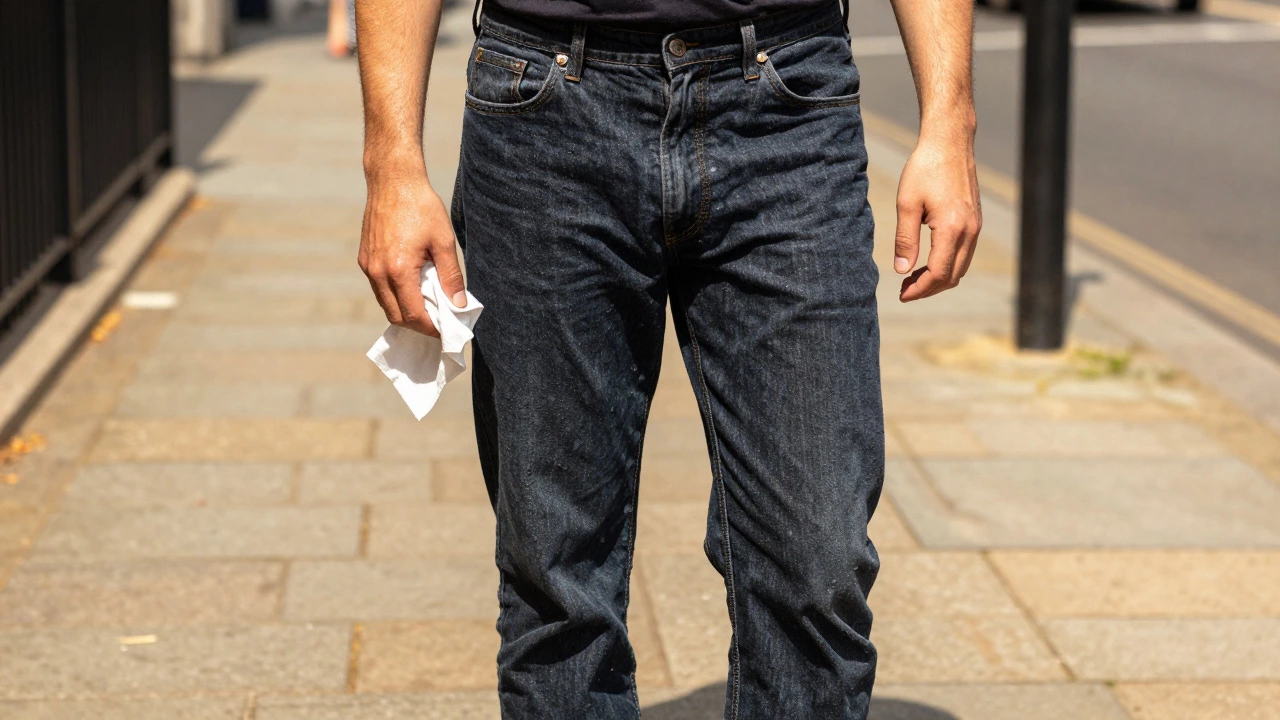
Imagine stepping outside on a July afternoon when the thermometer hits 90 degrees Fahrenheit. The sun is blazing, the pavement feels like it’s melting, and you’re wearing your favorite pair of dark denim jeans. Within ten minutes, you’re sweating through your shirt, feeling sticky, and wondering if you made a terrible mistake. You are not alone. Many people reach for their closet staples without considering how fabric interacts with extreme heat. But are jeans actually too hot for 90-degree weather, or is it just about picking the right pair?
The short answer is yes, traditional heavy denim can be uncomfortable and even risky in high heat. However, modern fashion has evolved. With lighter washes, thinner weaves, and stretch blends, you might still pull off the look without suffering. Let’s break down why denim struggles in the heat, what happens to your body when you wear it, and what alternatives keep you cool and stylish.
Why Denim Traps Heat
To understand why jeans feel like an oven mitt in summer, you need to look at the material itself. Cotton is a natural fiber known for its breathability and absorbency. In theory, this sounds perfect for summer. But standard denim is woven tightly. This tight weave creates a barrier that blocks airflow. When air cannot circulate around your skin, your body cannot release heat efficiently through evaporation.
Furthermore, most jeans are dyed with indigo. Dark colors absorb sunlight rather than reflecting it. Think about wearing a black t-shirt versus a white one on a sunny day. The black shirt gets significantly hotter. Combine that heat absorption with a thick, non-breathable fabric, and you create a microclimate around your legs that stays warm long after you’ve stepped into the shade.
Traditional raw denim can weigh up to 14 ounces per square yard. That is heavy. Heavy fabric restricts movement and adds physical weight to your body, making you work harder to walk, which generates more internal body heat. It’s a vicious cycle. You sweat, the cotton absorbs the moisture, but because the weave is tight, the water sits against your skin instead of evaporating quickly. This leaves you feeling clammy and overheated.
The Health Risks of Wearing Heavy Clothes in Extreme Heat
It’s not just about comfort; it’s about safety. When the temperature reaches 90 degrees, especially with high humidity, your body works overtime to cool down. Sweating is your primary cooling mechanism. If your clothes trap that sweat, your core temperature rises. This can lead to Heat Exhaustion, a condition characterized by heavy sweating, weakness, dizziness, and nausea.
If ignored, heat exhaustion can progress to Heat Stroke, a life-threatening emergency where the body’s temperature regulation fails. Symptoms include confusion, rapid pulse, and hot, dry skin (because sweating stops). While wearing jeans won’t directly cause heat stroke on its own, combining them with direct sun exposure, lack of hydration, and physical activity significantly increases the risk.
In Bristol, where I live, 90-degree days are rare. But in many parts of the United States, Europe, and Asia, these temperatures are common in July and August. People often underestimate how quickly their bodies overheat. If you must wear pants in this weather, understanding the physiological impact helps you make safer choices. Listen to your body. If you feel lightheaded or excessively sweaty, change your outfit immediately.
Can You Wear Jeans in 90-Degree Weather? The Exceptions
Not all denim is created equal. If you are attached to the look of jeans, there are ways to mitigate the heat. Look for specific features that improve breathability and reduce weight.
- Lightweight Weave: Seek out "summer weight" denim. These fabrics are often under 10 ounces per square yard. They feel softer and drape better, allowing more air circulation.
- Light Washes: Opt for pale blue, white, or acid-washed styles. Lighter colors reflect sunlight, keeping your legs cooler than dark indigo or black jeans.
- Stretch Blends: Modern jeans often contain elastane or spandex. While synthetic fibers don’t breathe as well as pure cotton, a small percentage (1-3%) allows the fabric to move with your body, reducing friction and heat buildup from tightness.
- Distressed Details: Rips, tears, and frayed hems aren’t just trendy; they functionally increase airflow. A pair of distressed skinny jeans allows more ventilation than a solid pair.
- Loose Fits: Avoid skinny or bootcut jeans that hug your legs tightly. Choose relaxed, wide-leg, or boyfriend cuts. Air needs space to flow between the fabric and your skin.
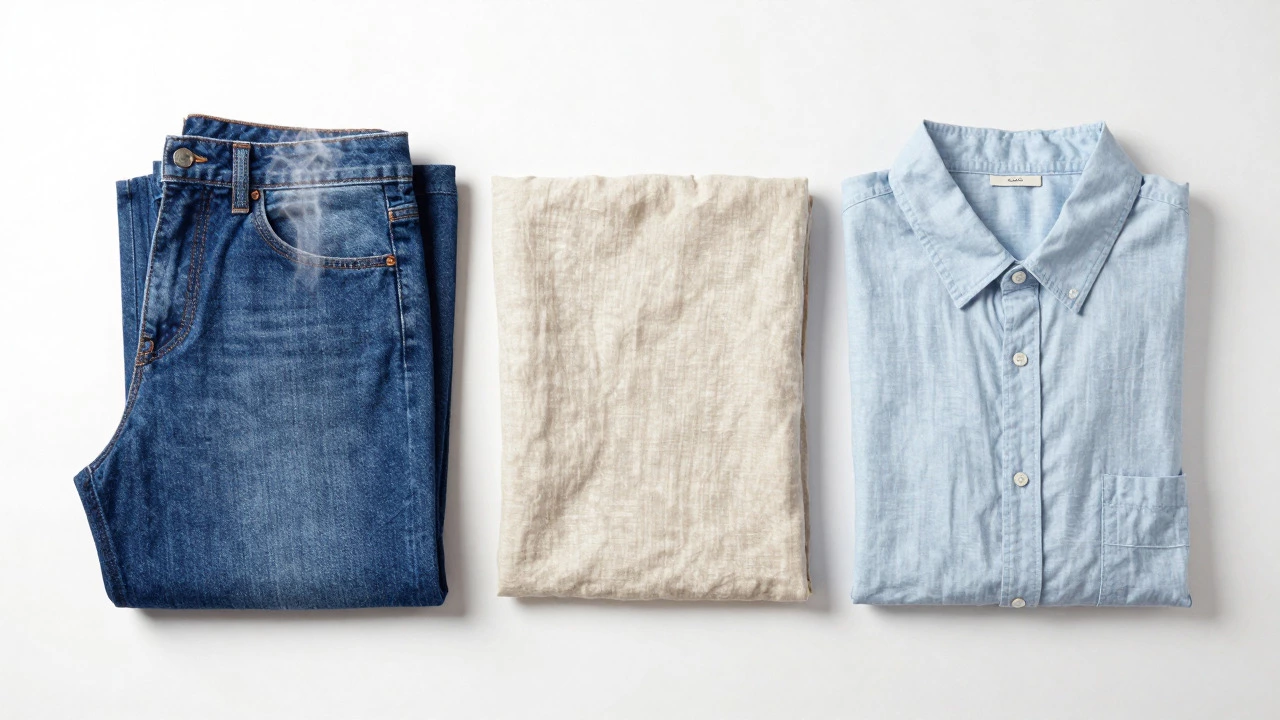
Even with these modifications, jeans will never be as cool as linen or chambray. But for a quick errand or an evening event where the temperature drops slightly, they can work. Just avoid wearing them during peak sun hours (10 AM to 4 PM) if possible.
Better Alternatives: What to Wear Instead
If you want to stay cool without sacrificing style, consider swapping denim for fabrics designed for heat. Here are some top-performing options for 90-degree weather.
| Fabric Type | Breathability | Moisture Wicking | Weight | Best For |
|---|---|---|---|---|
| Traditional Denim | Low | Poor (absorbs but holds) | Heavy | Cool evenings, winter |
| Linen | Very High | Good (dries quickly) | Light | All-day summer wear |
| Chambray | High | Moderate | Light-Medium | Casual office, brunch |
| Seersucker | High | Moderate | Light | Formal summer events |
| Viscose/Rayon | Moderate | Good | Light | Dresses, blouses |
Linen is a plant-based fiber made from flax, known for exceptional airflow and quick-drying properties. It wrinkles easily, but that’s part of its charm. Linen trousers or shorts are ideal for extreme heat. The loose weave allows maximum ventilation.
Chambray looks similar to denim but is constructed differently. It uses a plain weave instead of a twill weave, making it much lighter and softer. Chambray shirts and pants offer the casual aesthetic of jeans without the thermal penalty.
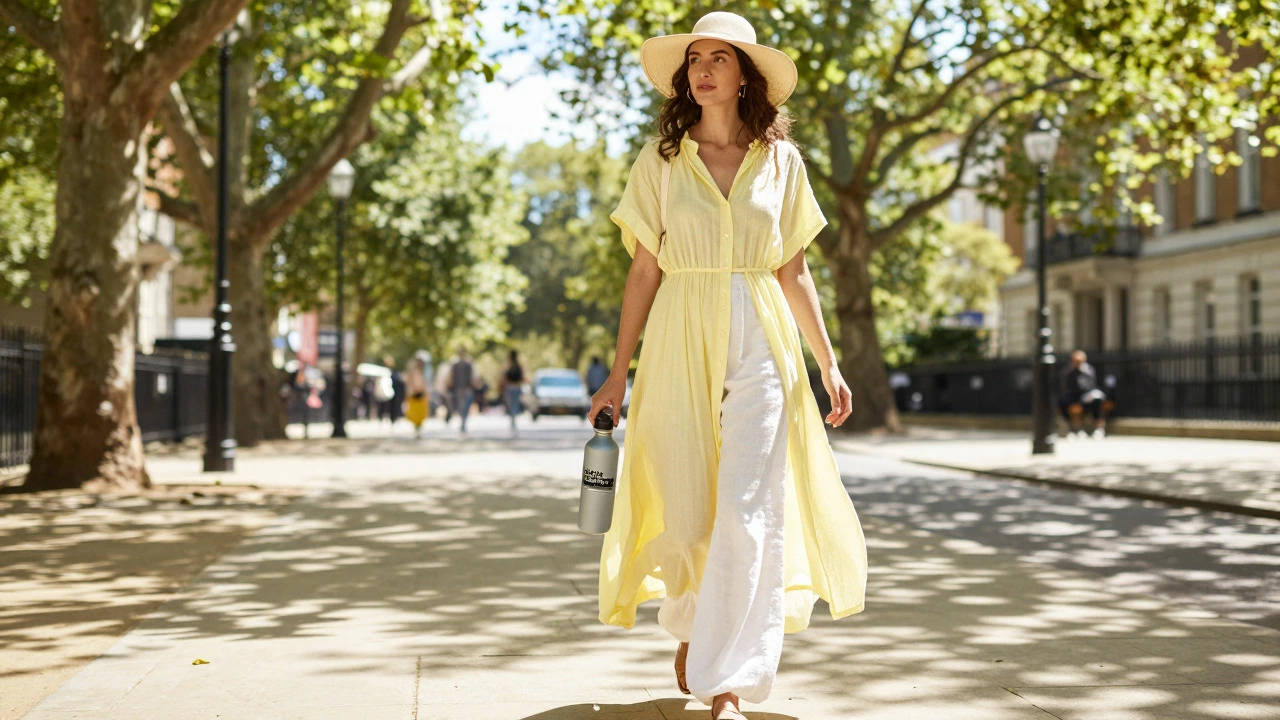
For women, Summer Dresses made from lightweight cotton, silk, or rayon provide full-body coverage while maintaining airflow. Maxi dresses with open backs or side slits enhance cooling. Pair them with sandals and a wide-brimmed hat for complete sun protection.
Pro Tips for Staying Cool in Any Outfit
Your choice of pants is only one factor. How you style your entire outfit matters. Here are practical strategies to beat the heat:
- Layer Smartly: Avoid bulky layers. If you need coverage for sun protection, choose loose, sheer overlays rather than thick cardigans.
- Choose Natural Fibers: Stick to cotton, linen, hemp, and wool (yes, lightweight merino wool is great for summer due to its moisture-wicking abilities). Avoid polyester and nylon unless they are specifically designed for athletic performance with mesh panels.
- Hydrate Internally: Drink water before you feel thirsty. Dehydration reduces your ability to sweat effectively, raising your core temperature faster.
- Use Cooling Accessories: Carry a portable fan, misting spray, or cooling towel. These tools provide immediate relief when your clothes aren’t enough.
- Plan Your Timing: Schedule outdoor activities for early morning or late evening. Midday sun is the most intense and makes any fabric feel hotter.
Also, consider the fit. Tight clothing restricts blood flow and traps heat. Loose-fitting garments allow air to circulate freely. Even if you wear jeans, ensure they aren’t constricting around your waist or thighs.
Conclusion: Prioritize Comfort Over Trends
Are jeans too hot for 90 degrees? Generally, yes. Traditional denim traps heat, absorbs moisture, and restricts airflow, leading to discomfort and potential health risks. However, lightweight, light-wash, and loose-fitting denim can work for short periods or cooler parts of the day. For extended time outdoors, switch to breathable alternatives like linen, chambray, or summer dresses. Your body will thank you.
Fashion should enhance your life, not hinder it. Don’t suffer through a sweltering day just to stick to a rigid wardrobe rule. Experiment with different fabrics and fits. Find what keeps you cool and confident. After all, looking good starts with feeling good.
What is the best fabric to wear in 90-degree weather?
Linen is widely considered the best fabric for extreme heat due to its high breathability and quick-drying properties. Lightweight cotton and chambray are also excellent choices. Avoid synthetic materials like polyester unless they are performance-grade activewear designed for moisture wicking.
Can I wear skinny jeans in the summer?
Skinny jeans are generally not recommended for 90-degree weather because they fit tightly against the skin, trapping heat and sweat. If you must wear them, choose a lightweight, light-wash pair with some stretch, and limit outdoor exposure to short durations.
How do I know if I’m getting heat exhaustion?
Signs of heat exhaustion include heavy sweating, cold/clammy skin, fast weak pulse, nausea, muscle cramps, and fatigue. If you experience these symptoms, move to a cooler area, loosen your clothing, sip water, and apply cool compresses. Seek medical help if symptoms worsen or persist.
Is black clothing hotter than white clothing?
Yes, black clothing absorbs more sunlight and converts it into heat, making you feel warmer. White and light-colored clothing reflect sunlight, helping to keep your body temperature lower. This effect is significant in direct sunlight.
What should I wear instead of jeans in high heat?
Consider linen trousers, chambray pants, cotton shorts, or summer dresses. These options offer better airflow and moisture management. For women, maxi dresses made from lightweight fabrics provide both style and cooling benefits.