How Often Should a Man Buy a New Suit? A Practical Guide
- Cleo Fairchild
- 17 August 2026
- 0 Comments
Suit Longevity & Replacement Calculator
Check any issues you currently notice:
Analysis Result
Recommendation
Care Tips for You
- • Hang on padded hangers after wearing.
- • Use a horsehair brush to remove dust.
- • Store in breathable cotton bags.
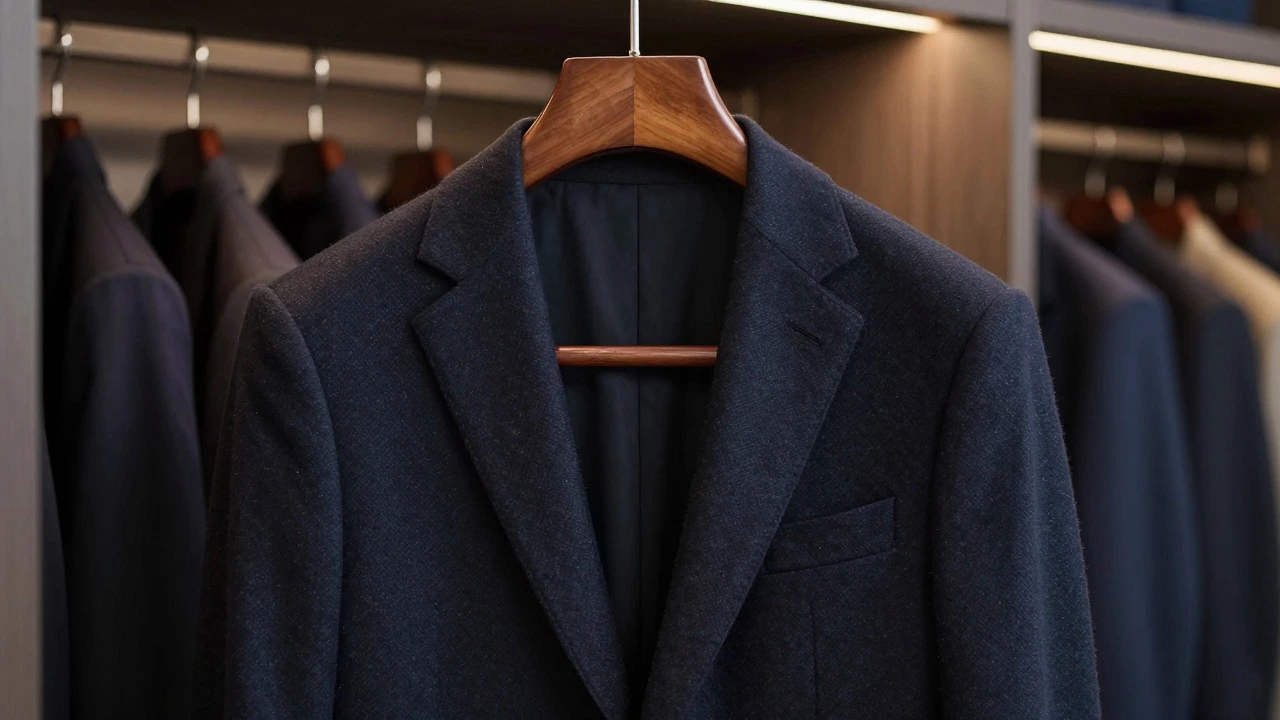
Most men buy a new suit is a set of matching trousers and jacket, typically made from wool or wool blends, designed for formal or business attire. because they hit a milestone-a promotion, a wedding, or a sudden change in body shape. But how often do you actually need to replace one? The answer isn't a fixed number of years. It depends on how hard you work that garment, what it's made of, and whether you know how to care for it. A well-made suit can last decades; a cheap one might fall apart after two seasons. Here’s how to figure out when it’s time to upgrade.
The Golden Rule: Quality Over Quantity
Before we talk about timelines, let’s look at the material. Not all suits are created equal. A $150 department store suit usually uses synthetic blends like polyester-wool mixes. These fabrics hold their shape poorly and pill easily. In contrast, a mid-range suit ($400-$800) made from 100% virgin wool has natural elasticity. It breathes, resists wrinkles better, and recovers its shape after sitting. If you wear a suit once a week, a high-quality wool suit can last 10 to 15 years with proper care. A low-quality blend might only last 3 to 5 years before looking tired.
The "job-to-be-done" here is simple: maximize value per wear. If you only wear a suit twice a year for weddings or funerals, you don’t need a new one every few years. You need one durable piece that looks sharp for a decade. But if you’re a sales professional wearing suits five days a week, your rotation needs to be different.
Calculating Your Wear Frequency
Your usage pattern dictates replacement frequency more than any other factor. Let’s break this down into three common scenarios:
- The Occasional Wearer (1-2 times/month): You likely have one or two suits. They sit in the closet most of the time. These suits can last 10+ years. Replace them only if the fit changes significantly or the fabric degrades due to poor storage.
- The Business Professional (3-5 times/week): This is where wear and tear happens fast. Friction at the elbows, knees, and seat causes thinning. Pockets get stretched. For these users, expect to rotate through 2-3 suits to let them rest. Each suit should last 5-7 years before needing replacement.
- The Daily Driver (Mon-Fri): Rare, but possible in strict corporate environments. You need at least 3 suits minimum to allow for recovery. With constant washing (which should be rare), lifespan drops to 3-4 years.
Signs It’s Time to Retire a Suit
Instead of watching the calendar, watch the suit. Here are specific indicators that your current suit has reached the end of its useful life:
- Elbow Bubbles: If the fabric above the elbow creates a permanent bubble or hole, the weave is broken. Tailors can patch it, but it often signals general weakness in the shoulder area.
- Pilled Fabric: Small balls of fiber on the surface indicate friction damage. While removable, heavy pilling means the fabric lacks resilience.
- Stretched Pockets: If your phone or wallet pulls the pocket lining outward, the structure is compromised. Reinforcing pockets is easy, but if the surrounding fabric is distorted, it’s time to move on.
- Fading: Sunlight and dry cleaning chemicals fade wool over time. If your navy suit looks grayish compared to a new one, the color integrity is gone.
- Fit Issues: Weight gain or loss is the #1 reason men buy new suits. If you’ve gained or lost more than 10 pounds, tailoring might help, but drastic changes often require a new base.

Care Tips to Extend Suit Life
You can double the life of your suit by changing how you treat it. Most men ruin suits by over-cleaning them. Dry cleaning strips natural oils from wool, making it brittle. Instead, follow these rules:
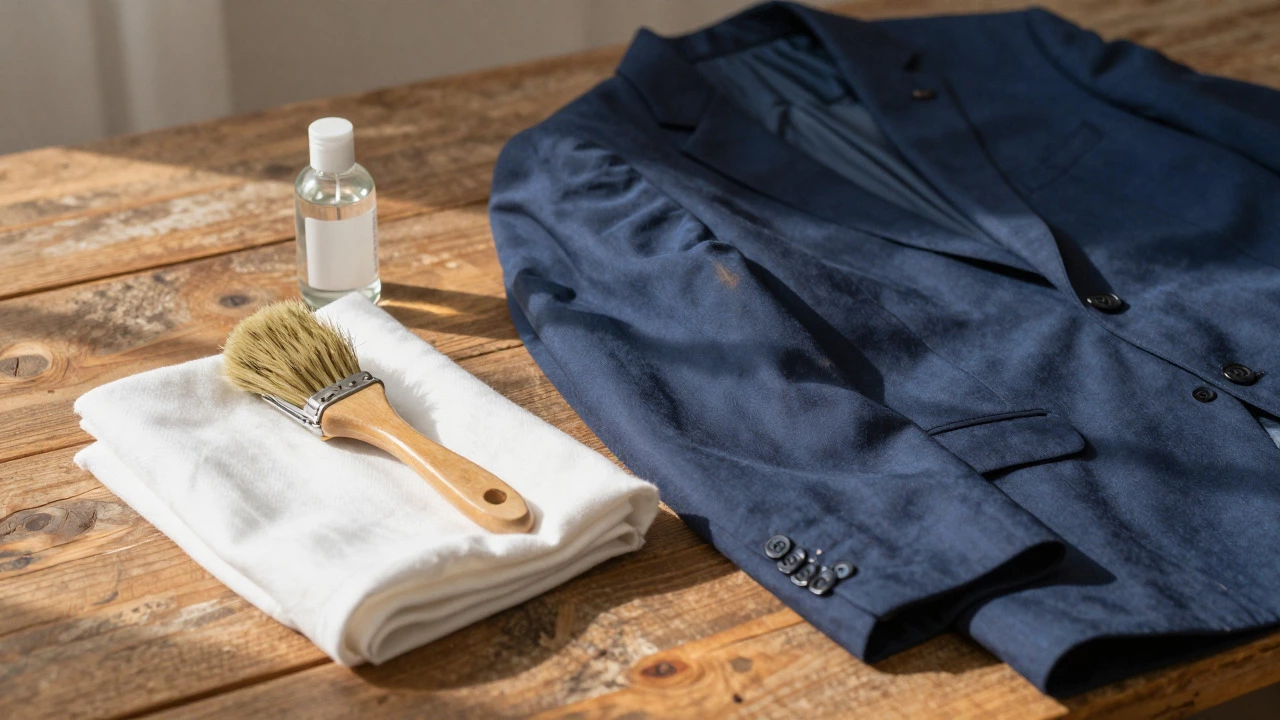
Air it out. After wearing, hang your suit on a wide, padded hanger in a ventilated area for 24 hours. This lets moisture evaporate and resets the fibers. Brush regularly. Use a horsehair brush to remove dust and lint. This prevents dirt from embedding in the weave. Limit dry cleaning. Only dry clean when there’s a visible stain. For a weekly wearer, this might mean once every 6-8 weeks. For an occasional wearer, maybe once a year.
Proper storage matters too. Avoid plastic covers that trap moisture. Use breathable cotton garment bags instead. Keep suits away from direct sunlight to prevent fading.
When to Buy vs. When to Repair
Not every flaw means you need a new suit. Sometimes, a small investment saves you from buying a whole new outfit. Here’s a quick decision guide:
| Issue | Cost to Fix | Recommendation |
|---|---|---|
| Torn seam | $15-$30 | Always repair |
| Loose button | $5-$10 | Always repair |
| Stubborn stain | $20-$50 | Repair if valuable, else replace |
| Worn-out elbows | $50-$100 | Replace if frequent wearer |
| Major fit change | $100-$200 | Replace if >10 lbs change |
If your suit is high-quality and you love the cut, spend the money on repairs. A tailored suit that fits perfectly is worth more than a cheap off-the-rack one that looks good but feels wrong.
Building a Sustainable Wardrobe
Think of your wardrobe as a system, not a collection of single items. A sustainable approach involves owning fewer, better pieces. Start with a versatile dark navy or charcoal gray suit. These colors go with almost any shirt and tie. Once you master that core piece, add a lighter option like tan or medium gray for warmer weather or less formal settings.
By rotating between two or three suits, you reduce wear on each individual garment. This strategy extends the life of every piece and ensures you always have a fresh-looking option ready for important events. It’s not about buying more; it’s about buying smarter.
Frequently Asked Questions
How long does a good suit last?
A high-quality wool suit worn a few times a week can last 10 to 15 years. With minimal wear and excellent care, some suits last even longer. Low-quality synthetic blends typically last 3 to 5 years.
Should I buy a new suit every year?
No, unless you are a fashion model or have extreme weight fluctuations. For most men, replacing a suit every 5-7 years is sufficient if you maintain a rotation of at least two suits.
What is the best fabric for longevity?
100% virgin wool is the gold standard for durability and recovery. Wool blends with a high wool content (80%+) are also good options. Avoid high-polyester blends if longevity is a priority.
How many suits do I need for daily wear?
If you wear suits Monday through Friday, you need at least three suits. This allows each suit to rest for 48 hours, which helps the fibers recover their shape and reduces the need for frequent dry cleaning.
Is it cheaper to repair or replace a damaged suit?
For minor issues like seams or buttons, repair is almost always cheaper. For major structural damage like worn elbows or significant fading, replacement is usually more cost-effective, especially if the original suit was inexpensive.