When Should You Stop Wearing a Pair of Leather Shoes? Signs It’s Time to Replace Them
- Cleo Fairchild
- 15 October 2026
- 0 Comments
Leather Shoe Lifespan Checker
Answer the following questions about your current pair of shoes to get a recommendation.
Recommendation:
You know that feeling when you slip on your favorite pair of leather shoes and they feel less like a trusted companion and more like a liability? Maybe the heel wobbles slightly with every step, or the sole has developed a strange curve that makes walking feel off-balance. We tend to hold onto good pairs of shoes for years, especially if they’re high-quality leather. But holding on too long can actually hurt your feet, posture, and even your knees. So, how do you know when it’s genuinely time to retire them?
There is no fixed expiration date on a box. A well-cared-for pair of Goodyear-welted boots can last over a decade, while a glued-on sneaker might give up in six months. The answer lies in inspecting specific parts of the shoe. If you ignore the warning signs, you risk developing foot pain or changing your gait without realizing it. Let’s break down exactly what to look for so you stop guessing and start making smart decisions about your wardrobe.
The Sole: Where the Rubber Meets the Road
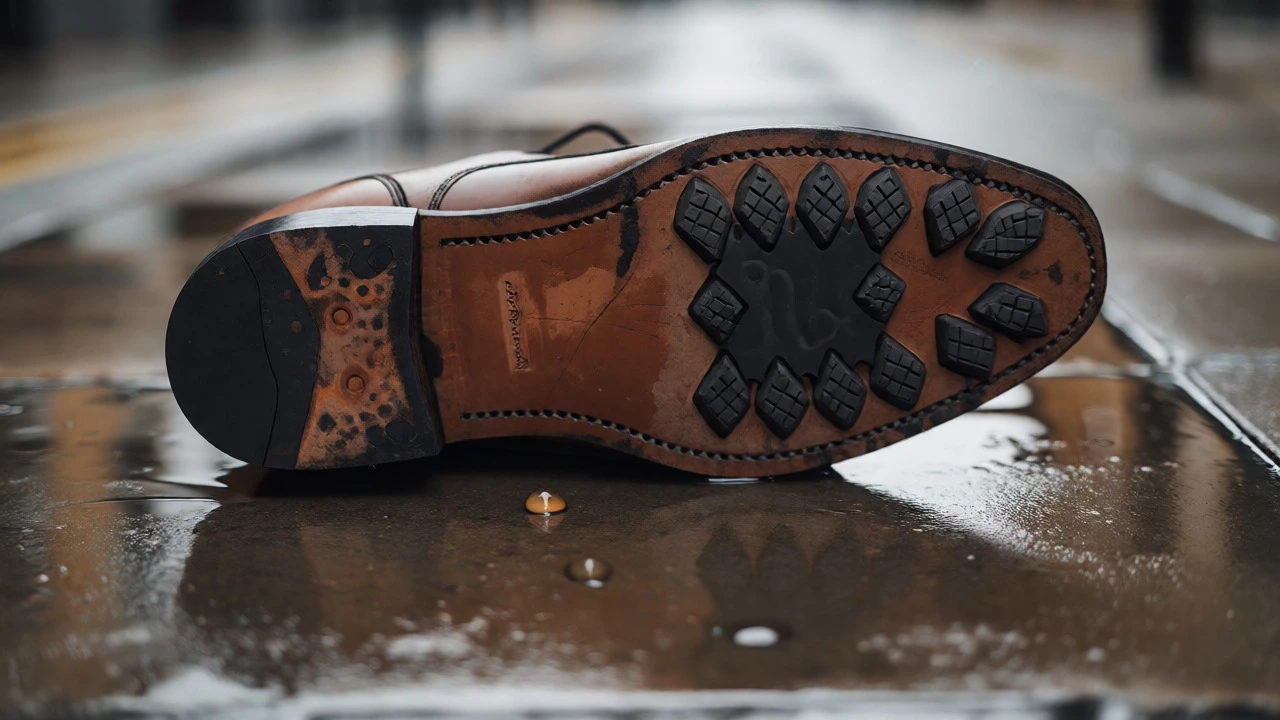
The outsole is the first line of defense between your foot and the pavement. Once this layer wears thin, the structural integrity of the shoe collapses. For most casual rubber-soled shoes, once the tread pattern disappears completely, you’ve lost traction. This is dangerous on wet Bristol pavements. But what about dressier options?
If you wear shoes with leather soles, watch for uneven wear patterns. It is normal for heels to wear down faster than toes, but if one side of the heel is significantly lower than the other, your body is compensating. This asymmetry forces your ankles and hips to work harder to keep you upright. When the leather sole becomes so thin that you can feel every pebble or crack in the sidewalk through the shoe, it’s gone past its prime. At this point, resoling might be possible, but only if the midsole hasn’t degraded.
A critical component often overlooked is the midsole. In many modern athletic and casual shoes, this foam layer provides cushioning. Unlike leather, foam does not recover. Once compressed, it stays flat. Press your thumb into the heel area of an old running shoe. If it feels rock-hard or leaves a permanent dent, the shock absorption is gone. Continuing to run or walk miles in these shoes transfers impact directly to your joints.
The Upper: Cracks, Tears, and Structural Failure
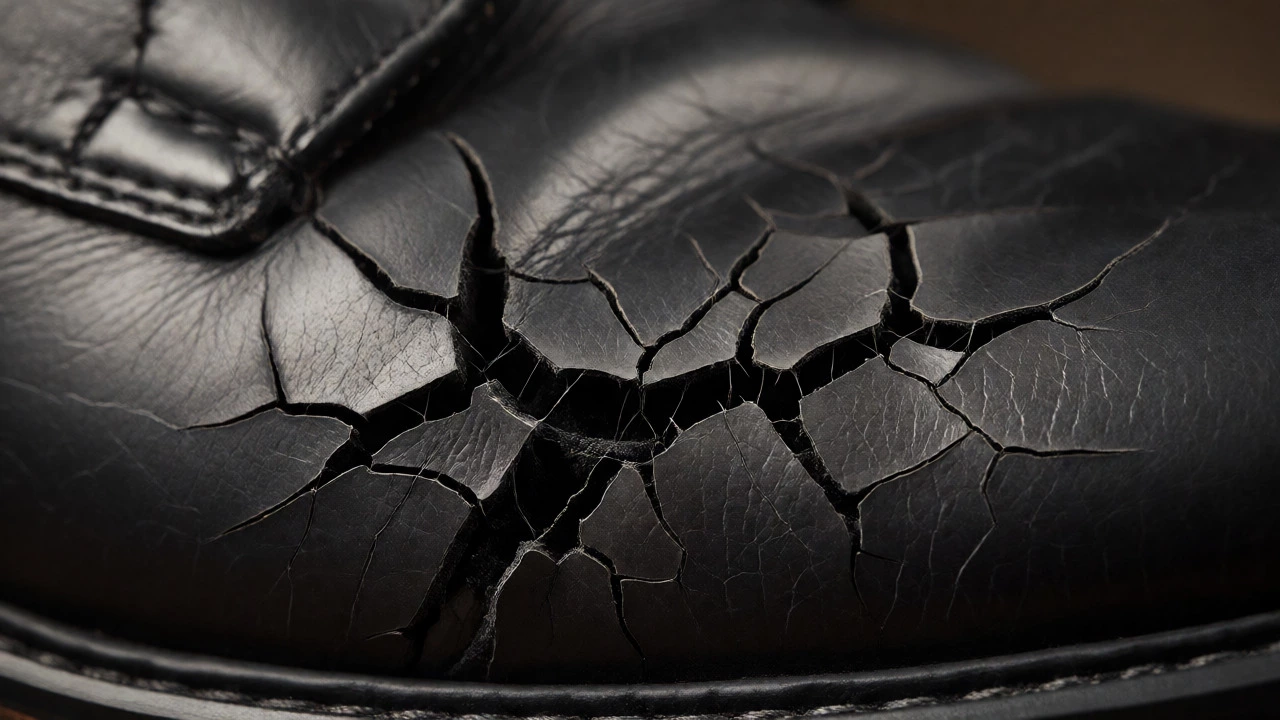
The upper part of the shoe-whether it’s full-grain leather, suede, or synthetic-protects your foot and holds the shape of the shoe. Small scuffs are cosmetic; deep cracks are structural. Full-grain leather develops a patina, which is desirable. However, if the leather dries out completely, it becomes brittle. Look closely at the flex points-the areas where your foot bends naturally. If you see spiderweb cracks forming there, the fibers are breaking down. No amount of conditioner will reverse this process.
Another red flag is delamination. This happens when the upper separates from the sole. You’ll see a gap opening up, usually around the toe or the outer edge. While some cobblers can glue this back together, it’s often a sign that the adhesive bond has failed permanently. If the shoe starts flapping open as you walk, water gets in, dirt gets in, and the internal structure rots from the inside out.
Suede requires different scrutiny. Because it lacks a protective finish, it absorbs moisture easily. If your suede boots have hardened into a stiff, cardboard-like texture after getting wet multiple times, the natural oils have been stripped away. They won’t regain their flexibility. At this stage, they offer zero comfort and minimal protection against the elements.
The Insole and Footbed: The Hidden Comfort Killer
Most people check the outside of the shoe but ignore the inside. The footbed takes the brunt of your weight. Over time, the cushioning material compresses and loses its ability to support the arch. Take the insole out of your shoe. Hold it up to the light. Is it warped? Does it have a distinct hole worn through the fabric under the ball of your foot?
A collapsed footbed changes how your foot sits in the shoe. Your toes may slide forward, hitting the front of the shoe, causing blisters or black toenails. More seriously, lack of arch support leads to plantar fasciitis. If you wake up with sharp pain in your heel, your shoes might be the culprit. Replacing removable insoles is cheap and easy. But if the footbed is stitched into the shoe (common in expensive dress shoes), and it’s flattened beyond repair, the shoe itself needs replacing.
The Heel Counter: Keeping Your Foot Stable
The heel counter is the stiff cup at the back of the shoe that cradles your heel bone. Its job is to prevent excessive rolling inward or outward. Grab the back of your shoe and squeeze the sides. It should feel rigid. If it feels soft, mushy, or folds easily, it has lost its structural strength.
A broken heel counter is particularly bad for runners and walkers. Without proper stability, your ankle twists with every step. This increases the risk of sprains and strains. You can test this by placing the shoe on a flat surface. Push the heel sideways. If it tilts more than 10-15 degrees before springing back, it’s too loose. A stable shoe should resist significant lateral movement.
Odor and Hygiene: Beyond Just Smell
We all get sweaty feet occasionally. But persistent odor that doesn’t go away after airing out or using deodorizers indicates bacterial buildup. Bacteria thrive in the porous materials of the shoe interior. If you’ve had athlete’s foot recently, consider retiring those shoes entirely. Spores can linger in the fabric and reinfect you repeatedly.
Mold is another serious issue. If you live in a damp climate like the UK, check the tongue and lining for fuzzy spots. Mold isn’t just gross; it’s a health hazard. Cleaning mold from fabric linings is difficult and rarely effective. If the smell is sour or musty rather than just "stale sweat," it’s time to bin them.
Cost-Benefit Analysis: Repair vs. Replace
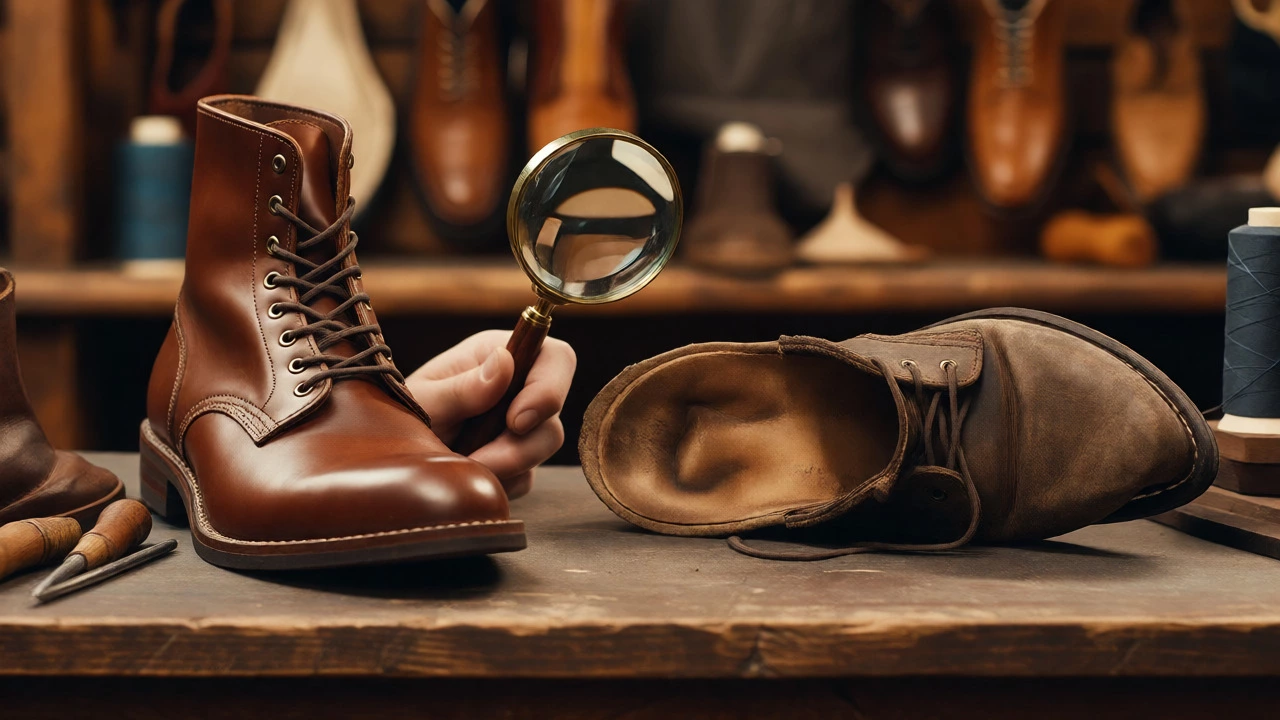
Should you fix them or ditch them? This depends on the construction method and the cost of the original shoe. Here is a simple rule of thumb:
| Shoe Type | Construction | Repair Viability | Recommendation |
|---|---|---|---|
| Dress Boots | Goodyear Welt | High | Resole if upper is intact. Can extend life by 5+ years. |
| Casual Sneakers | Cemented/Glued | Low | Replace. Glue fails quickly; repairs rarely last. |
| Hiking Boots | Vibram Sole | Medium | Resole if waterproofing is intact. Check seams first. |
| Leather Loafers | Blake Stitch | Medium | Resole if sole is thin but upper is healthy. |
For a $300 pair of welted boots, spending $80 on a resole is a smart investment. For a $40 pair of canvas sneakers, paying $30 for a patch job is nonsense. Buy new ones.
Signs You Need New Shoes Right Now
- Pain: Any joint pain (knees, hips, ankles) that improves when you switch shoes.
- Traction Loss: Slipping on smooth floors or wet surfaces.
- Water Intrusion: Wet socks during light rain due to cracked seams.
- Shape Distortion: The shoe looks twisted or leans to one side when placed on a table.
- Insole Collapse: Visible holes or extreme flattening of the internal padding.
Frequently Asked Questions
How long do leather shoes typically last?
It varies wildly based on quality and usage. High-quality Goodyear-welted boots can last 5-10 years with regular resoling. Cheap cemented shoes might last 6-12 months of daily wear. Rotating between two pairs extends the life of both by allowing them to dry out fully.
Can I fix cracked leather shoes?
Surface scratches can be buffed out, but deep cracks cannot be repaired structurally. Conditioning can prevent future cracking, but once the fibers are severed, the leather is compromised. If the crack exposes the inner lining or causes the upper to separate from the sole, replacement is necessary.
Is it worth resoling expensive shoes?
Yes, if the upper is in good condition. Resoling restores the foundation of the shoe. However, if the shoe is glued together (cemented construction), resoling is often impractical because the glue bond weakens further during the removal process. Always check the construction type before paying for repairs.
Do shoes expire even if I don't wear them?
Yes. Polyurethane (PU) midsoles, common in many athletic shoes, undergo hydrolysis. This chemical reaction breaks down the foam over time, even in storage. After 5-7 years, unworn sneakers may crumble when you finally try to wear them. Leather also dries out if not conditioned periodically.
How often should I rotate my shoes?
Ideally, never wear the same pair two days in a row. Alternating allows moisture from sweat to evaporate completely, preserving the leather and preventing bacterial growth. Having three pairs in rotation significantly extends the lifespan of each pair compared to wearing one pair exclusively.