What Do You Call a T-Shirt With a Collar? The Ultimate Guide to Polo Shirts
- Cleo Fairchild
- 17 May 2026
- 0 Comments
Polo Shirt Style & Fit Advisor
Why this works:
Styling Tip:
You’ve seen them everywhere. They’re the uniform of country clubs, the go-to for business casual offices, and the staple in every golfer’s wardrobe. But when someone asks you what that specific shirt is-a short-sleeved top with a collar but no buttons all the way down-you might hesitate. Is it a t-shirt? A dress shirt? Something else entirely?
The answer is simple: it’s a polo shirt. While many people casually refer to it as a "collared t-shirt," that term is technically incorrect and can lead to confusion when shopping or styling your wardrobe. Understanding exactly what this garment is, where it came from, and how to wear it will help you build a sharper, more intentional closet.
Quick Summary: Key Takeaways
- A t-shirt with a collar is correctly called a polo shirt.
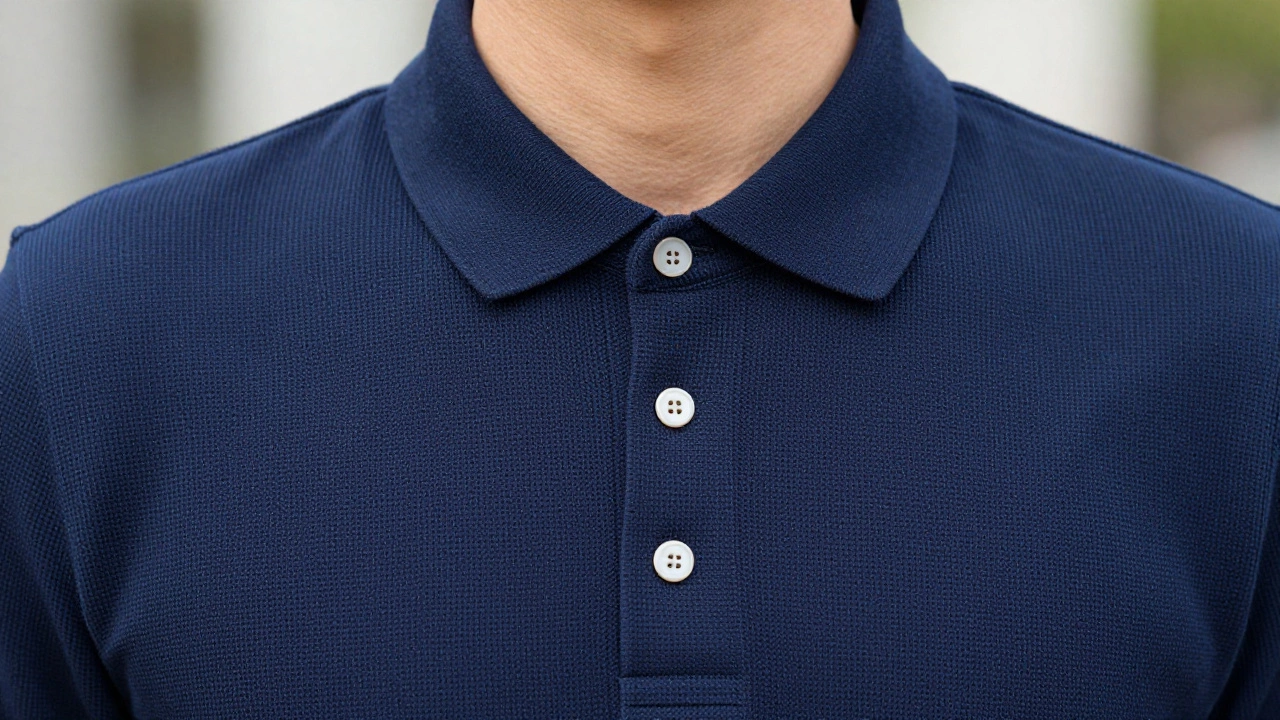
- It features a soft collar, a placket with two or three buttons, and usually a ribbed hem.
- The classic fabric is pique (a waffle-like texture), though jersey knits are also common.
- It originated from tennis player René Lacoste in the 1920s.
- Unlike a dress shirt, it has no full button placket; unlike a t-shirt, it has structure.
The Anatomy of a Polo Shirt
To understand why it’s not just a "t-shirt with a collar," you need to look at its construction. A standard crew-neck t-shirt is made from a single piece of fabric for the body, with sleeves attached. It relies on the elasticity of the neckband to stay up. A polo shirt is constructed differently. It has a distinct collar that stands away from the neck, providing structure and formality that a t-shirt lacks.
The most defining feature is the placket. This is the vertical strip of fabric at the front opening where the buttons are sewn. Most polos have two or three buttons. This allows you to adjust the fit around the neck-unbuttoned for a relaxed look, buttoned for a sharper appearance. Additionally, polo shirts often have a side vent or a longer back tail, which prevents the shirt from riding up when you move. Many also include a small logo patch on the chest, a tradition started by Ralph Lauren to signify brand identity.
If you’re looking for the classic feel, pay attention to the fabric. The traditional polo is made from pique cotton. Pique is a knit fabric with a raised, waffle-like pattern. This texture adds thickness and durability, helping the shirt hold its shape better than smooth jersey cotton. Pique breathes well, making it ideal for warm weather, while the structure keeps it from clinging to your body like a thin t-shirt might.
How Did the Polo Shirt Get Its Name?
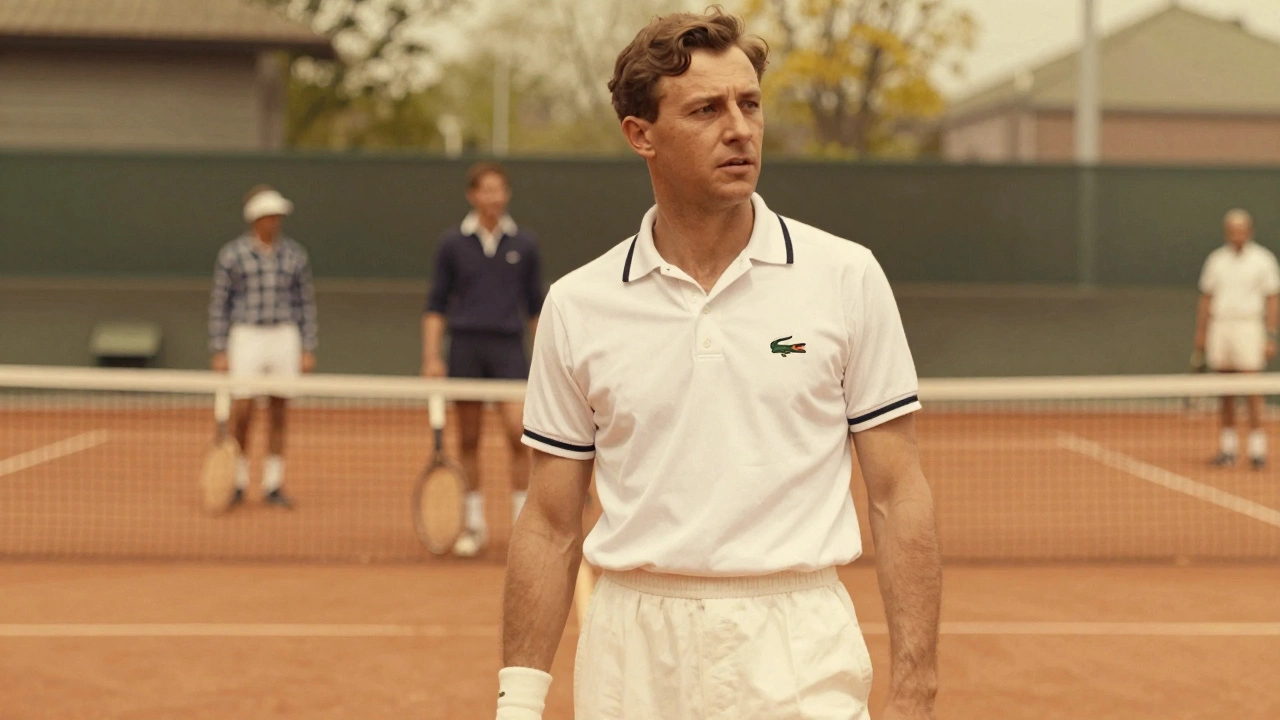
The history of the polo shirt is surprisingly tied to tennis, not horseback riding. In the early 1920s, French tennis champion René Lacoste was frustrated with the heavy, long-sleeved flannel shirts players wore at the time. He wanted something lighter and more comfortable. He worked with his friend Jean Montagne to create a short-sleeved shirt made of breathable cotton jersey. It featured a reinforced collar and a few buttons at the neck.
Lacoste launched the shirt in 1933 under his own name, and it became an instant hit among athletes and fashion-conscious individuals. The crocodile logo he added became iconic. Decades later, in the 1970s, Ralph Lauren popularized the term "polo" by marketing his version of the shirt as part of an aspirational American preppy aesthetic. Even though the original design was for tennis, the name stuck because it evoked the sport of polo, which requires riders to wear collared shirts for protection against branches and debris.
This historical context matters because it explains the shirt’s versatility. It was designed for movement and comfort but retained enough structure to look polished. That’s why it sits comfortably between athletic wear and smart casual attire.
Polo vs. T-Shirt: What’s the Real Difference?
People often group polos and t-shirts together because they’re both knit tops worn in casual settings. But there are clear distinctions that affect how you style them.
| Feature | Polo Shirt | Crew-Neck T-Shirt |
|---|---|---|
| Collar | Structured, folded collar | No collar; elasticated neckline |
| Closure | Placket with 2-3 buttons | Pull-on, no buttons |
| Fabric | Pique, jersey, or mesh | Jersey cotton, blends |
| Formality | Smart casual / Business casual | Casual / Loungewear |
| Fit | Tailored, structured silhouette | Relaxed, drapes loosely |
The biggest difference is formality. You wouldn’t wear a graphic t-shirt to a client meeting, but a navy polo paired with chinos is acceptable in many professional environments. The collar provides a visual break that frames the face and adds a sense of intentionality. T-shirts are meant to be laid-back; polos are meant to be put-together without being stiff.
Other Names for Collared Shirts
While "polo" is the most common term, you might hear other names depending on the region or the specific style. In some parts of the world, especially among older generations or in sports contexts, it’s called a tennis shirt. This harks back to Lacoste’s origins and is still used in apparel stores that focus on athletic wear.
You might also see the term golf shirt. These are functionally identical to polos but often feature moisture-wicking synthetic fabrics like polyester or performance blends. Golfers prefer these materials because they keep sweat away from the skin during long rounds. If you’re buying for golf, look for "performance polo" rather than just "cotton polo."
In rare cases, people confuse polos with henley shirts. A henley has a placket with buttons but no collar. It’s essentially a t-shirt with a partial button opening. Don’t mix them up-the presence of the collar is what defines the polo.
How to Style a Polo Shirt
One of the best things about a polo is its flexibility. You can dress it up or down depending on the occasion. Here’s how to get the most out of it:
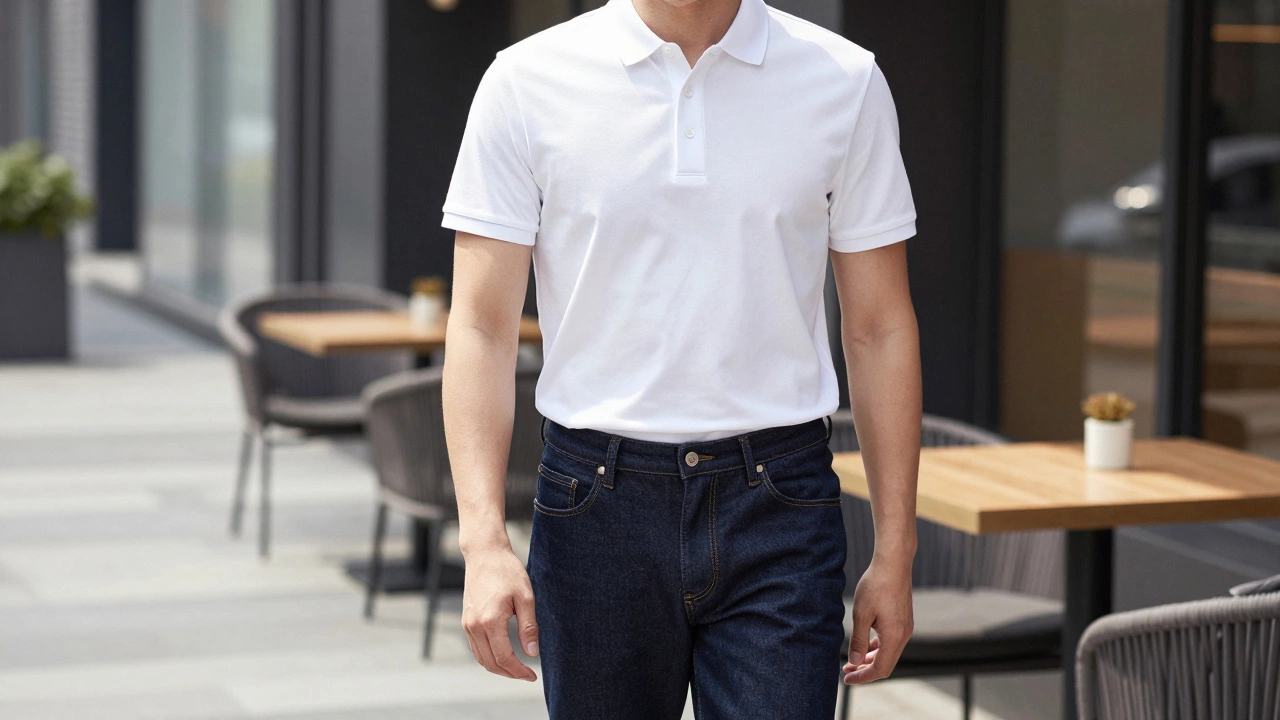
- Business Casual: Pair a solid-color polo (navy, black, or white) with tailored trousers or dark denim. Leave the bottom button undone for a relaxed yet professional look. Add loafers or clean sneakers.
- Weekend Casual: Go for a textured pique polo in a brighter color or subtle pattern. Wear it with shorts or light-colored chinos. Sandals or canvas shoes work well here.
- Layered Look: In cooler weather, layer a thin-knit polo under a blazer or a lightweight sweater. This adds depth to your outfit without bulk. Avoid thick pique polos under layers, as they can bunch up.
A pro tip: always check the fit around the shoulders. The seam should sit right at the edge of your shoulder bone. If it hangs over, the shirt is too big. If it pulls tight, it’s too small. A well-fitted polo looks expensive regardless of the price tag.
Fabric Choices: Cotton, Polyester, and Blends
The material you choose affects how the polo feels, looks, and performs. Traditional cotton pique is breathable and soft but can wrinkle and shrink if not cared for properly. It’s ideal for everyday wear in moderate climates.
Synthetic polos, made from polyester or nylon, are common in athletic brands. They resist wrinkles, dry quickly, and maintain their shape after washing. However, they don’t breathe as well as cotton and can retain odors if you sweat heavily. Look for antimicrobial treatments if you plan to use them for exercise.
Blends offer a middle ground. A cotton-polyester mix gives you the comfort of natural fibers with the durability of synthetics. For a luxury feel, consider merino wool or linen-blend polos. Linen is perfect for hot, humid days because it’s highly breathable, though it wrinkles easily. Embrace the wrinkles-they add character.
Caring for Your Polo Shirts
To keep your polos looking sharp, proper care is essential. Wash them inside out to protect the collar and any printed logos. Use cold water to prevent shrinking and fading. Avoid high-heat drying; instead, tumble dry on low or hang dry to preserve the fabric’s integrity.
If the collar starts to curl or lose its shape, it’s time to replace the shirt. No amount of ironing will fix a stretched-out collar. Store polos on hangers or folded neatly in a drawer. Avoid cramming them into overstuffed drawers, as this causes creases and distorts the fabric.
Why Getting the Name Right Matters
Knowing that a collared t-shirt is actually a polo shirt helps you communicate clearly when shopping. If you search for "collared t-shirt" online, you might get mixed results, including henleys or even dress shirts. Searching for "polo shirt" yields precise results, allowing you to filter by brand, fabric, and fit more effectively.
It also helps you understand the cultural context of the garment. Polos carry a certain heritage-from tennis courts to boardrooms. Wearing one signals that you value comfort but also care about presentation. It’s a versatile piece that bridges the gap between lazy weekends and important meetings.
Is a polo shirt considered formal?
No, a polo shirt is not formal. It falls under the category of smart casual or business casual. You should not wear a polo to a black-tie event, a wedding reception, or a conservative corporate office that requires suits and ties. However, it is perfectly acceptable in most modern workplaces, casual Fridays, and social gatherings.
Can I wear a polo shirt with jeans?
Absolutely. Polo shirts and jeans are a classic combination. For a cleaner look, opt for dark-wash denim without rips or distressing. Pair it with leather boots or clean white sneakers. Lighter washes work for a more relaxed, weekend vibe.
What is the difference between a pique and a jersey polo?
Pique fabric has a textured, waffle-like surface that is thicker and more durable. It holds its shape well and is less likely to cling to the body. Jersey fabric is smooth, softer, and drapes more loosely. Jersey polos often look more like elevated t-shirts and are better for a sleek, fitted silhouette.
Should I button the top button of my polo?
It depends on the number of buttons and the occasion. For a two-button polo, leaving the top button open is standard. For a three-button polo, you can leave the top one open for a relaxed look or button it for a more structured appearance. Never button all three unless you are aiming for a very specific, vintage-inspired look.
Are polo shirts only for men?
No, polo shirts are unisex. Women’s polos are cut with a slimmer fit through the torso and waist, often featuring shorter lengths and different collar styles. Many women wear men’s polos for a boxier, oversized look, which is a popular trend in contemporary fashion.
Why do some polo shirts have a slit in the back?
The slit, or vent, at the back hem allows for greater freedom of movement. It prevents the shirt from pulling up when you raise your arms or bend over. This feature originated in sports apparel to accommodate athletic motions and has become a standard design element in quality polos.