When Not to Wear Leather Shoes: A Practical Guide
- Cleo Fairchild
- 19 November 2026
- 0 Comments
Leather Shoe Suitability Checker
Select a scenario below to see if your favorite leather oxfords or loafers can handle the situation.
🌧️ Heavy Rain
Commuting through puddles
❄️ Snow & Salt
Winter slush and de-icers
🏋️ Gym Workout
High intensity exercise
💼 Formal Office
Standard business attire
🎪 Music Festival
Mud and crowds
🏖️ Beach Walk
Sand and saltwater
Please select a scenario above to view the recommendation.
You’ve spent good money on a pair of sleek leather shoes. They look sharp, they feel premium, and you want to wear them every single day. But here’s the hard truth: leather is a natural material, which means it behaves like skin. It breathes, but it also absorbs water. It stretches, but it can crack if dried out too fast. Wearing your favorite oxfords or loafers in the wrong conditions isn’t just a style faux pas; it’s a quick way to ruin an investment.
Think about the last time you saw someone wearing suede boots in a downpour. The result? Water stains that never quite wash out and stiff, brittle material once it dries. That’s not bad luck-that’s physics. As someone who lives in Bristol, where rain is less of an event and more of a lifestyle, I’ve learned exactly when to leave the leather at home. This guide breaks down the specific scenarios where leather fails, what to wear instead, and how to protect your soles from avoidable damage.
The Weather Factor: Rain, Snow, and Salt
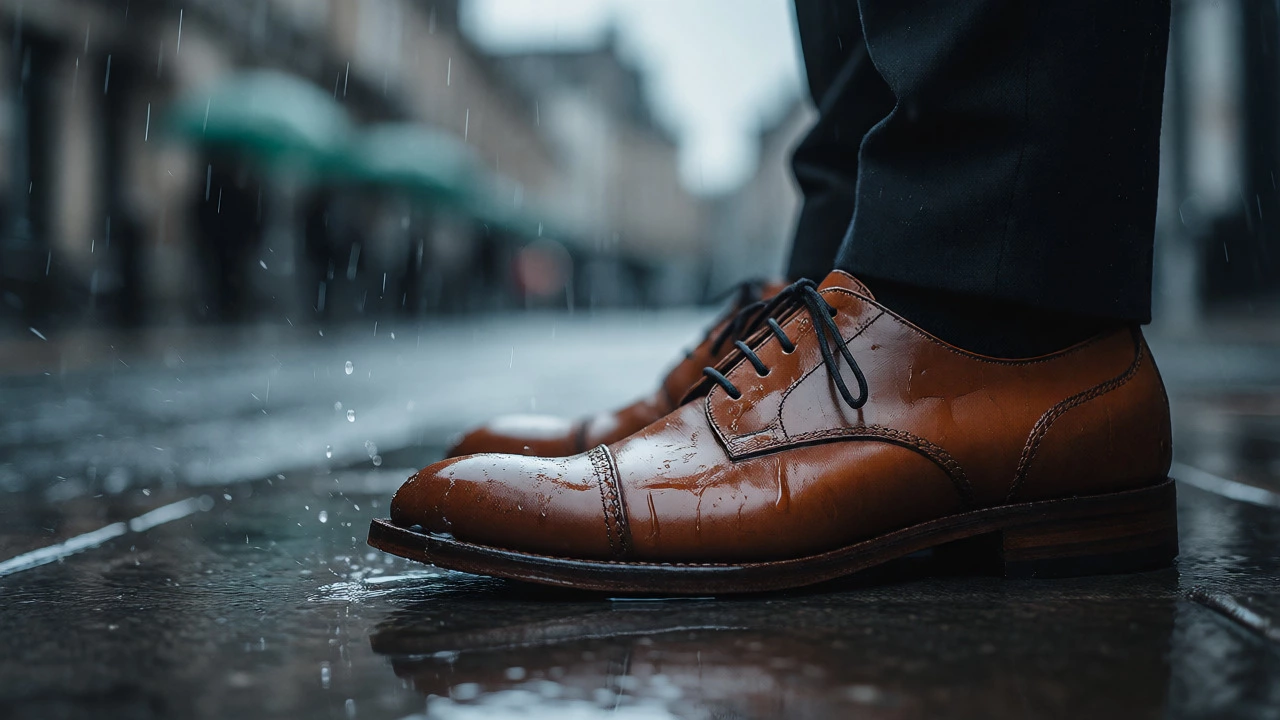
Let’s start with the biggest enemy of leather: water. While many modern leathers are treated with water-resistant coatings, no standard leather shoe is truly waterproof unless explicitly labeled as such (like those using Gore-Tex membranes). If you step into a puddle deeper than an inch, water will seep through the stitching holes. Once inside, it gets trapped against your foot and the inner lining, creating a damp environment that breeds bacteria and smells.
Snow adds another layer of complexity. It’s not just the moisture; it’s the road salt and chemical de-icers used by councils to melt ice. These salts are corrosive. They eat away at the dye and the finish of the leather, leaving white, crusty marks that are difficult to remove without professional cleaning. In the UK, we see this constantly during winter months. If you’re commuting through slush, your leather brogues are taking a beating they didn’t sign up for.
- Rain: Avoid smooth leather in heavy rain. Use rubber-soled boots or synthetic alternatives.
- Snow/Ice: Salt damages the finish. Switch to waxed cotton or rubber boots.
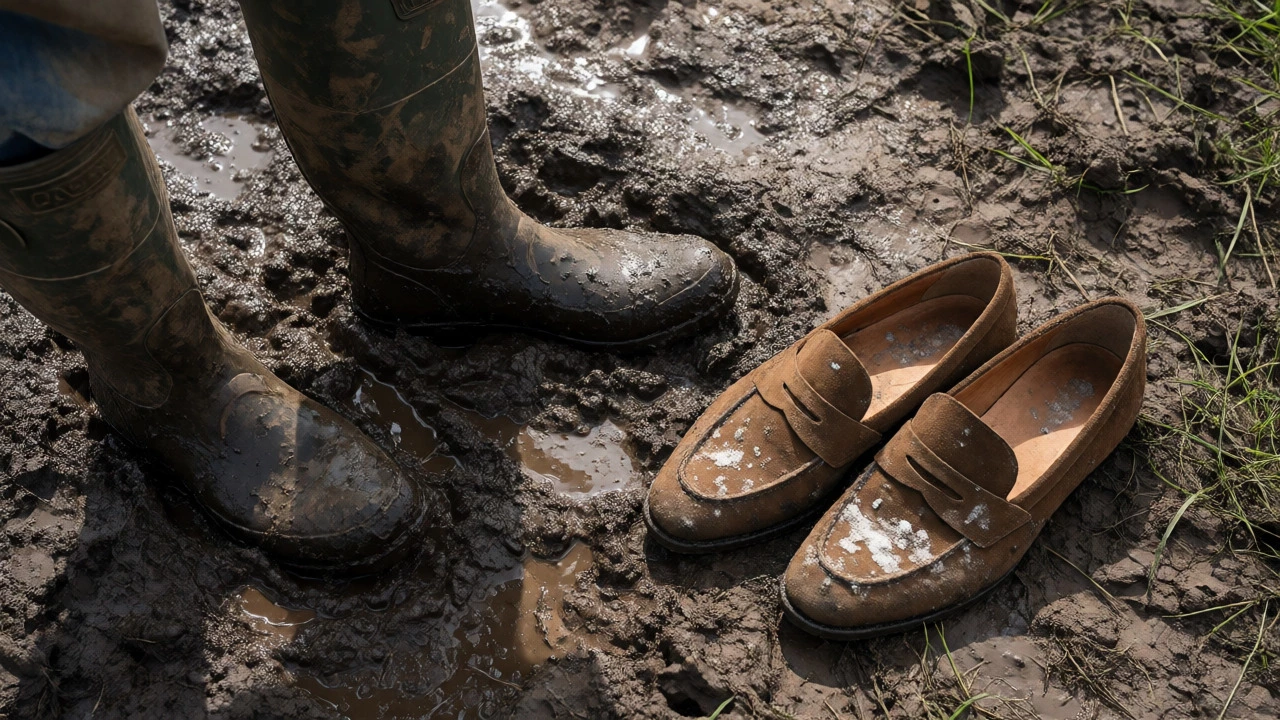
- Mud: Mud dries hard and cracks. Cleaning wet mud off leather often pushes it deeper into the grain.
Casual Settings: When Leather Looks Out of Place
Fashion rules have relaxed, but context still matters. There’s a distinct difference between "smart casual" and "trying too hard." Wearing polished leather derbies to a backyard BBQ or a beach walk can make you look disconnected from the vibe. It’s not that you can’t wear them; it’s that they don’t match the energy of the setting.
Consider the weekend hike or a trip to a muddy music festival. Leather is heavy. It takes hours to dry. If you get soaked, you’re walking around with cold, squishy feet until you get home. For these activities, breathable mesh sneakers or trail runners are superior. They dry in minutes, weigh nothing, and handle abrasion better than delicate calfskin.
Also, think about gym culture. Do not wear leather dress shoes to the gym. You’ll slip on sweat-slicked floors, and the heat from your body combined with non-breathable synthetics (if the lining isn't full-grain) will create a swamp. Save the leather for after the workout, if you’re heading straight to a meeting.
Active Lifestyles and Physical Labor
If your job involves standing on concrete all day, crawling under cars, or moving heavy boxes, leather dress shoes are likely the wrong tool. Standard leather soles offer little cushioning. Over time, this leads to plantar fasciitis and knee pain. Even leather-soled work boots need significant break-in periods and regular maintenance to remain comfortable during high-intensity labor.
For construction sites or warehouses, safety regulations usually require steel-toed boots with composite or rubber soles for grip and impact protection. Leather upper boots exist here, but they are treated differently-often thicker, rougher hides designed for durability rather than aesthetics. If you’re doing DIY projects in your garage, splashes of paint, glue, or sawdust will stain porous leather instantly. Sneakers or old canvas shoes are disposable enough to survive the mess.
| Activity | Best Shoe Type | Why Avoid Leather? |
|---|---|---|
| Heavy Rain Commute | Rubber Boots / Gore-Tex | Water absorption causes warping and smell. |
| Beach Walk | Sandals / Canvas | Saltwater corrodes leather; sand scratches finish. |
| Gym Workout | Athletic Sneakers | Lack of support and breathability. |
| Music Festival | Wellies / Old Trainers | Mud ruins texture; theft risk for expensive items. |
| Formal Office | Oxfords / Loafers | Leather is ideal here for polish and professionalism. |
Style Mismatches and Dress Codes
Not wearing leather doesn’t always mean protecting the shoe; sometimes it’s about respecting the occasion. Certain events call for specific footwear traditions. For example, black-tie events strictly demand patent leather or highly polished black oxen. Wearing brown suede loafers might be seen as disrespectful or ignorant of protocol.
Conversely, some modern creative workplaces discourage formal leather shoes because they signal rigidity. If you’re working in a tech startup or a design studio, chunky sneakers or minimalist canvas shoes might actually help you blend in better. It’s a subtle social cue. Wearing a suit with rugged hiking boots can work in fashion-forward circles, but wearing polished leather brogues with athletic shorts often looks disjointed unless you’re intentionally breaking norms with confidence.
Also, consider the color clash. Brown leather generally pairs poorly with black belts and bags. If you’re wearing a black suit, stick to black leather. If you’re wearing navy, brown is acceptable but must be coordinated carefully. Mixing metals and materials incorrectly can distract from an otherwise solid outfit.
Health and Hygiene Concerns
Leather is durable, but it isn’t immune to biological factors. If you suffer from hyperhidrosis (excessive sweating), leather shoes can become uncomfortable quickly. Unlike mesh, leather doesn’t wick moisture away efficiently. The interior becomes damp, leading to fungal infections like athlete’s foot. In hot climates, this issue is amplified. During a heatwave in July, wearing full-grain leather boots can feel like putting your feet in a plastic bag.
Allergies are another factor. Some people react to the tanning chemicals used in leather processing, particularly chromium salts. If you notice redness or itching around the ankle or top of the foot, it might not be the fit-it could be the material. Synthetic vegan leathers or untreated vegetable-tanned options might be safer bets for sensitive skin.
How to Protect Your Leather When You Must Wear It
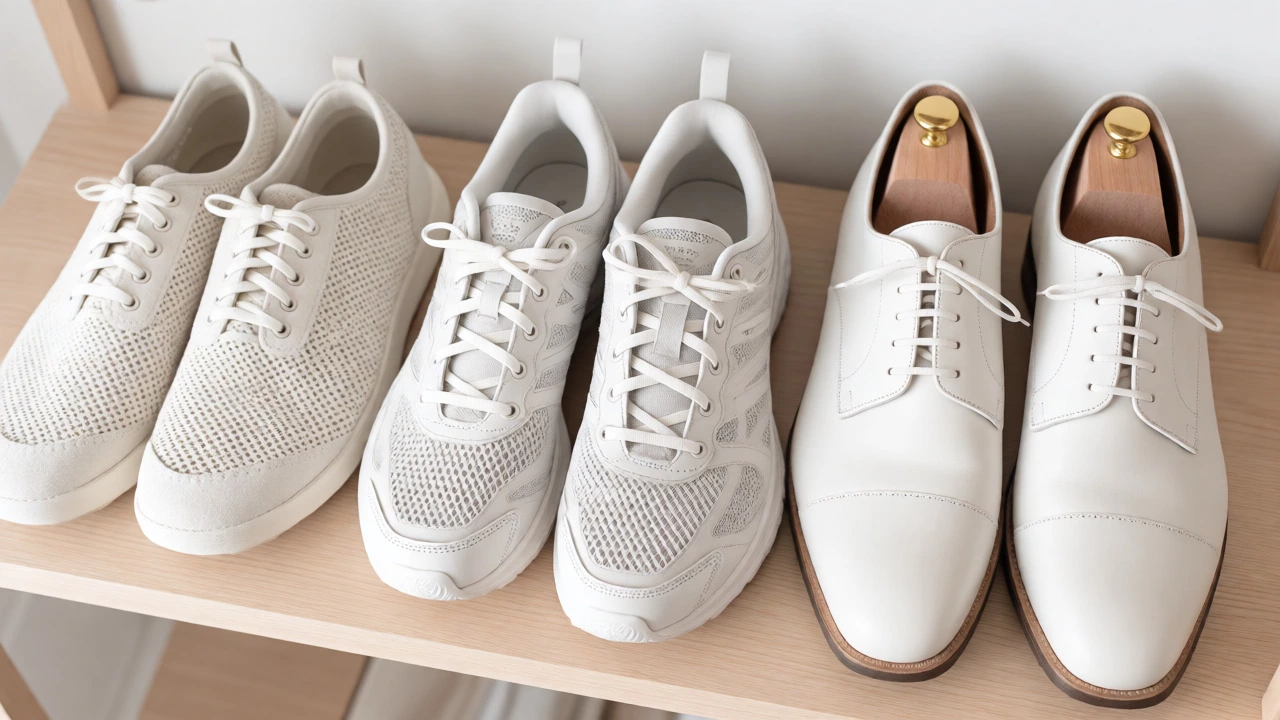
So, you’re caught in a drizzle and only have your leather loafers? Don’t panic. Prevention is easier than cure. Before wearing new leather shoes, apply a quality conditioner or wax. This fills the pores and repels minor splashes. Use shoe trees made of cedar wood. Cedar absorbs moisture from the inside while keeping the shape intact. Let your shoes rest for at least 24 hours between wears. This allows the internal humidity to evaporate naturally.
If they do get wet, stuff them with newspaper-not paper towels, which dissolve-and let them air dry away from direct heat sources like radiators. Heat cracks leather. Patience saves the shoe. And always rotate your pairs. Having three pairs of shoes instead of one extends their life significantly because each pair gets adequate recovery time.
Can I wear leather shoes in the rain?
Yes, but only in light rain. Heavy rain will saturate most leathers, causing them to lose shape and develop water spots. Always use a protective spray beforehand and let them dry naturally with shoe trees afterwards.
Are suede shoes harder to clean than smooth leather?
Yes. Suede has a nap (texture) that traps dirt and water easily. Smooth leather can be wiped clean and re-polished. Suede requires specialized brushes and erasers, and deep stains often need professional cleaning.
What should I wear instead of leather shoes in summer?
Opt for breathable materials like canvas, linen, or unlined perforated leather. Espadrilles, boat shoes, and minimalist sneakers are excellent choices that keep feet cool while maintaining a stylish appearance.
Does salt really damage leather shoes?
Absolutely. Road salt draws moisture out of the leather and leaves behind mineral deposits that appear as white stains. These stains can weaken the fibers over time, making the leather brittle and prone to cracking.
Is vegan leather a good alternative for rainy days?
It depends on the material. High-quality polyurethane (PU) vegan leather is often more water-resistant than real leather because it is essentially plastic-based. However, cheap PVC versions may crack in cold temperatures and lack breathability.