Why Should Schools Wear Uniforms? The Real Reasons Behind the Policy
- Cleo Fairchild
- 7 September 2026
- 0 Comments
School Uniform Cost Calculator
Estimate whether uniforms save or cost you money compared to a standard casual wardrobe. Enter your local prices below.
You’ve probably seen it on the news or heard parents complain at the school gates: school uniforms are back in the spotlight. But why do we still wear them? Is it just about tradition, or is there something deeper going on with how kids learn and interact? It’s a question that sparks heated debates every September when new term starts. Some argue it kills individuality; others say it saves sanity. Let’s cut through the noise and look at what actually happens when everyone puts on the same blazer.
The Great Equalizer: Removing Social Barriers
Think about your own childhood for a second. Did you notice who had the latest trainers or whose jacket was from a designer brand? For many students, clothing is a loud signal of wealth. When you remove that visual cue, you level the playing field. This isn’t just a nice idea; it’s a practical tool against bullying. In schools without strict dress codes, low-income families often feel pressured to buy expensive brands just to fit in. That pressure creates stress for kids and financial strain for parents.
A study by the National Association of Elementary School Principals found that over half of principals reported a decrease in peer pressure related to clothing after implementing uniform policies. When everyone looks similar, the focus shifts away from what you’re wearing to who you are. It doesn’t eliminate class differences entirely-kids will always find ways to show status-but it significantly reduces the daily visibility of economic gaps. This sense of belonging helps create a safer emotional environment where students feel less judged for their background.
Boosting Focus and Academic Discipline
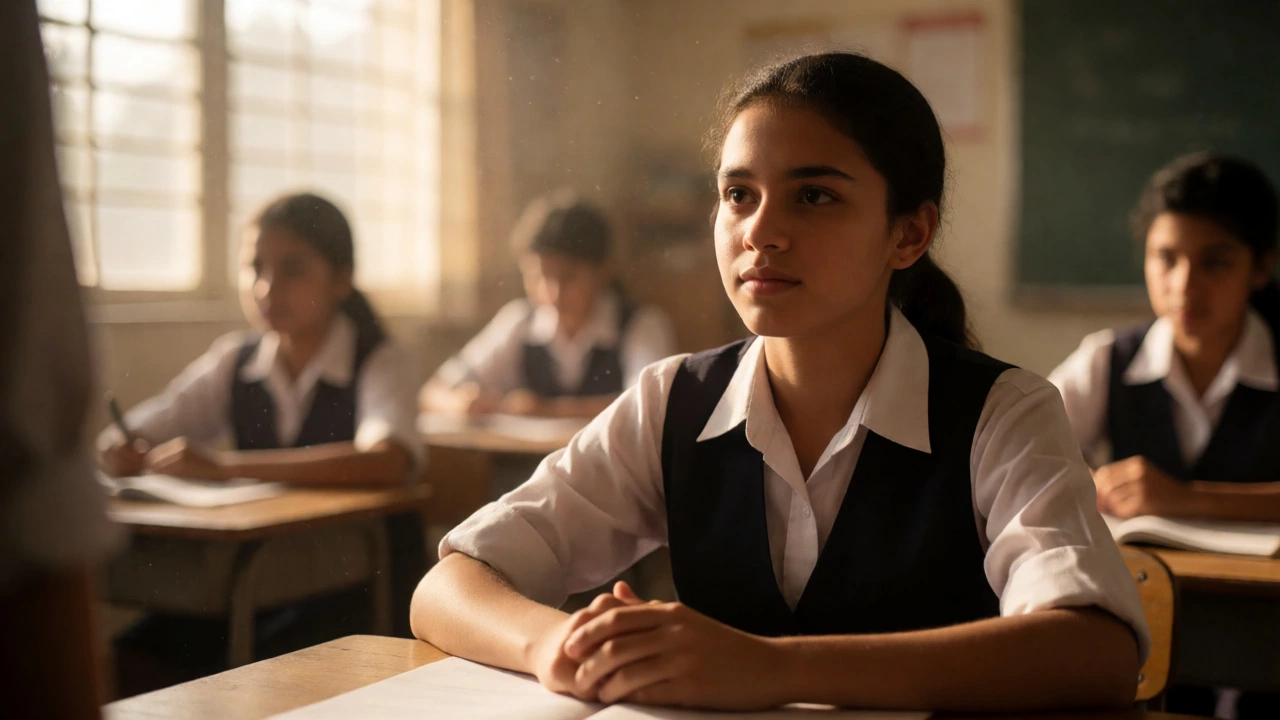
There’s a psychological concept called "enclothed cognition." Basically, what you wear affects how you think and behave. Put on pajamas, and you relax. Put on a suit, and you feel more authoritative and focused. School uniforms tap into this principle. They act as a mental switch that tells a student’s brain: "It’s time to work."
Teachers often report fewer distractions in classrooms where uniforms are mandatory. Instead of spending the first ten minutes of class commenting on someone’s new haircut or controversial slogan on a t-shirt, lessons start immediately. A survey conducted by the University of Houston found that teachers believed uniforms helped improve student behavior and attendance rates. While correlation isn’t causation, the reduction in morning decision fatigue is real. Students don’t have to agonize over outfits before school, which can reduce anxiety and get them ready to learn faster.
Safety and Security in Crowded Halls
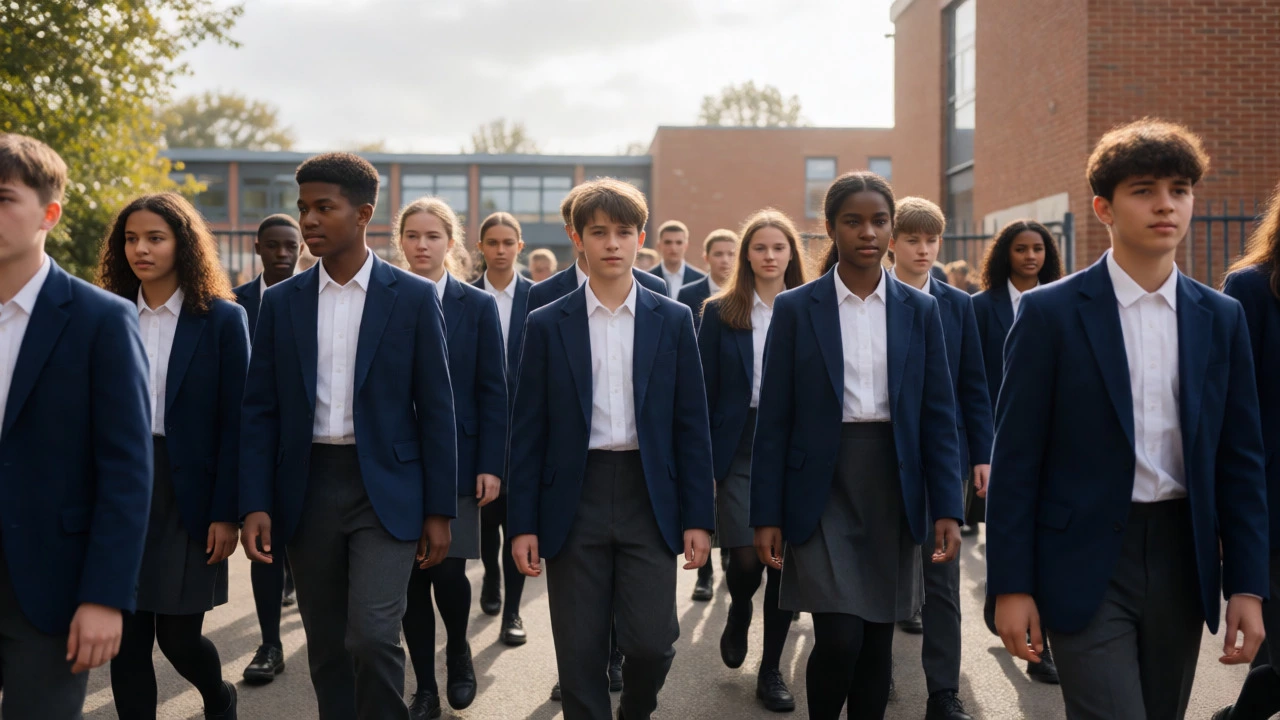
If you’ve ever tried to find your child in a sea of teenagers at a school event, you know the struggle. With a distinct uniform, spotting an intruder becomes much easier. Security staff can quickly identify anyone who doesn’t belong on campus. This simple visual check adds a layer of safety that is hard to achieve with casual wear.
Moreover, uniforms help prevent gang-related issues in certain areas. Specific colors or logos can be associated with rival groups. By standardizing attire, schools remove these markers, reducing potential conflicts between students from different neighborhoods. It’s not just about looking tidy; it’s about creating a controlled environment where external social pressures are minimized inside the school walls.
| Aspect | With Uniforms | Without Uniforms |
|---|---|---|
| Morning Routine | Faster, less decision fatigue | Slower, higher stress levels |
| Social Equality | Reduced visible wealth gap | High visibility of brand/status |
| Security | Easier to spot outsiders | Harder to identify non-students |
| Cost to Parents | Higher upfront cost, lower long-term spend | Lower upfront, constant need for trendy clothes |
The Financial Argument: Cheap vs. Expensive
This is where things get tricky. Critics rightly point out that buying specific blazers, ties, and branded skirts can be expensive. If a school requires a logo-embroidered shirt from one specific supplier, prices can skyrocket. However, proponents argue that while the initial outlay might be higher, the total annual clothing budget for school days is often lower.
Consider the "fast fashion" trap. Without a uniform, parents feel compelled to buy multiple trendy outfits so their child doesn’t repeat clothes. These items wear out quickly and go out of style fast. Uniforms, typically made of durable polyester-cotton blends, last longer. You wash them, they survive, and you buy fewer items overall. It’s a trade-off: predictability versus variety. For many families, knowing exactly what needs to be bought in August provides financial peace of mind.
Individuality Isn’t Dead, Just Shifted
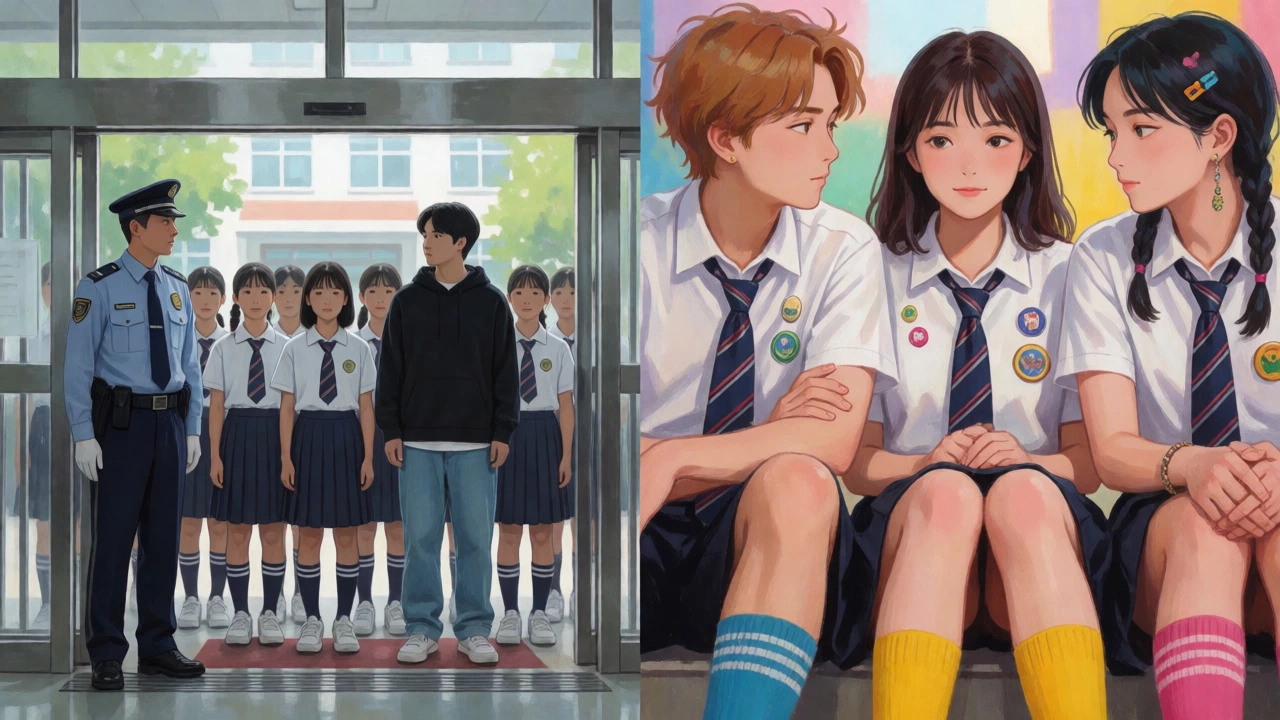
Does wearing a uniform mean everyone looks like a clone? Not really. Kids are creative. They express themselves through hairstyles, accessories, shoes, and how they wear their clothes (rolled-up sleeves, untucked shirts). More importantly, they express personality through actions, art, sports, and conversation.
In fact, some studies suggest that removing the pressure to dress perfectly allows shy students to participate more freely. When the focus isn’t on your outfit, you might raise your hand more often. Individuality thrives in environments where people feel safe to speak up, not just stand out visually. Schools often encourage personal expression through house colors, club badges, or optional free-dress days, balancing conformity with creativity.
Common Pitfalls and How to Fix Them
Uniforms aren’t perfect. Poorly designed uniforms can be uncomfortable, ill-fitting, or gender-nonconforming. A stiff collar or scratchy wool can distract a student all day. Schools must listen to feedback. Modern uniform policies are evolving to include gender-neutral options, such as allowing girls to wear trousers or boys to wear skirts if they prefer. Comfort matters. Breathable fabrics and adjustable fits make a huge difference in student satisfaction.
Another issue is enforcement. If rules are applied inconsistently, it breeds resentment. Clear, written guidelines distributed to parents at the start of the year help avoid misunderstandings. Transparency builds trust. If a student is sent home for changing clothes, the reason should be clear and fair.
Do school uniforms actually improve grades?
The evidence is mixed. While some schools see improved test scores, researchers attribute this mostly to better discipline and attendance rather than the fabric itself. The uniform acts as a catalyst for a structured environment, which indirectly supports learning.
Are uniforms bad for poor families?
Not necessarily. While initial costs can be high, many councils offer grants or subsidized uniform schemes. Additionally, uniforms reduce the need for expensive casual wear throughout the year, potentially saving money in the long run compared to keeping up with fashion trends.
Can students protest against uniforms?
Yes, but within limits. Students can advocate for changes through student councils or parent-teacher associations. Many schools now allow modifications like hair styles, jewelry, or shoe choices to accommodate individual preferences while maintaining the core uniform identity.
What is "enclothed cognition"?
It is a psychological theory suggesting that clothing influences the wearer's mental processes. Wearing formal or professional attire, like a school uniform, can increase feelings of authority, attentiveness, and seriousness.
How can I save money on school uniforms?
Buy second-hand from other parents, purchase generic versions without logos where allowed, and buy larger sizes for growing children. Also, check if your local council provides financial assistance for uniform costs.