How to Dress Thinner in Summer: Styling Tips for Hot Weather
- Cleo Fairchild
- 30 August 2026
- 0 Comments
Summer Slimming Style Assistant
Select your primary goal or body concern below to receive personalized styling advice derived from expert summer fashion principles.
1. Choose Your Priority
2. Select Your Body Shape Focus
Your Personalized Styling Plan
🎨
💍
Quick Knowledge Check
Test your understanding of summer slimming myths.
Q: Why is pure linen sometimes risky for hiding wrinkles?
Q: What is the best way to use black in July without overheating?
Summer heat is a double-edged sword. You want to stay cool, but you also want to look your best without feeling weighed down by layers. The biggest mistake people make? Thinking "thinner" means wearing tight clothes. It doesn't. In fact, clinging to your body in 30-degree weather often highlights every curve and bulge rather than smoothing them out. The secret to looking slimmer in summer dresses and warm-weather wear isn't about shrinking yourself; it's about using fabric, cut, and color to create visual flow.
Think of your outfit as an optical illusion. When you understand how light hits fabric and how lines guide the eye, you can dress strategically. Whether you're heading to a garden party in Bristol or just running errands on a humid day, these practical styling rules will help you feel confident and comfortable.
Choose Fabrics That Breathe and Drape
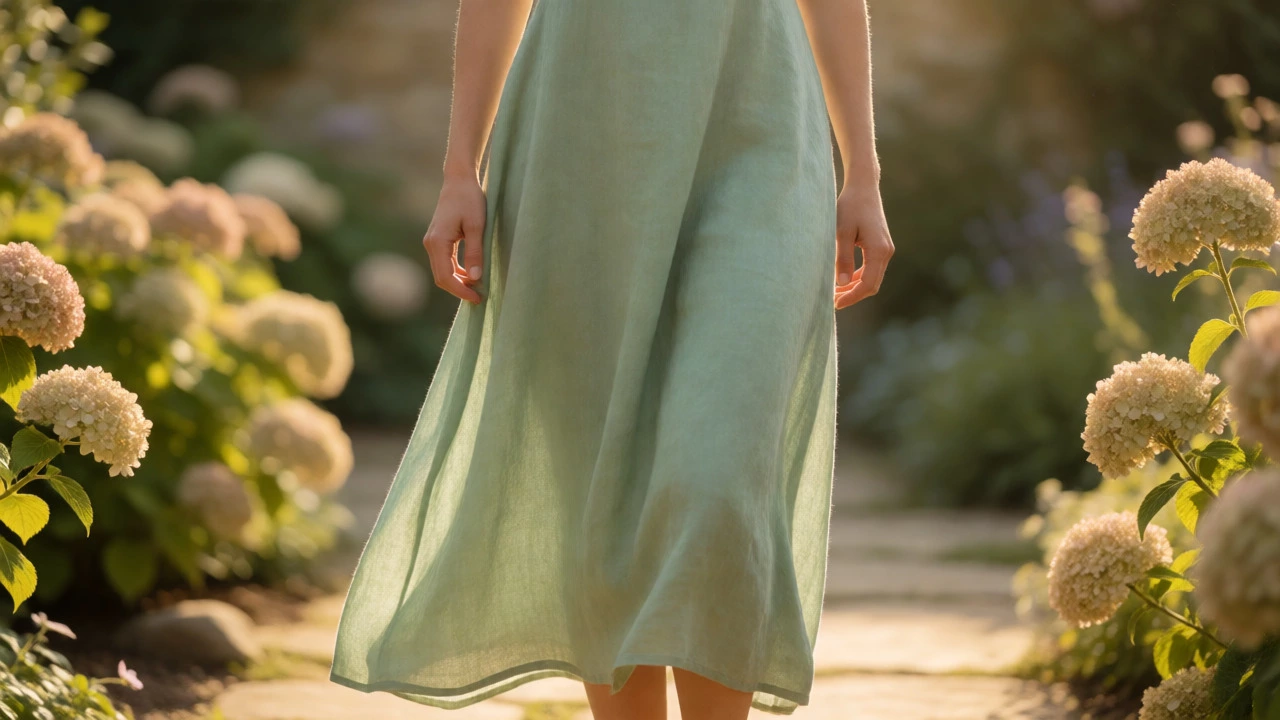
Fabric choice is non-negotiable when temperatures rise. Stiff materials like heavy denim or thick cotton poplin add bulk because they stand away from the body. Instead, look for fabrics that drape softly. These materials follow your natural silhouette without sticking to sweat or adding unnecessary volume.
| Fabric Type | Why It Works | Best For |
|---|---|---|
| Linen Blends | Breathable, textured enough to hide sweat marks, drapes well if blended with viscose or rayon. | Casual outings, beach cover-ups |
| Rayon/Viscose | Silk-like drape, cools the skin, moves with the body rather than against it. | Evening dresses, office wear |
| Chambray | Lighter than denim, softer structure, gives a relaxed yet polished look. | Shirts, jumpsuits |
| Crepe | Matte finish minimizes shine (which adds visual weight), excellent recovery (doesn't cling). | Structured dresses, trousers |
Avoid synthetic polyesters that trap heat and cause sweating, which makes fabric stick to your back and stomach. If you love linen, choose blends. Pure linen wrinkles aggressively, and those creases can draw attention to areas you might prefer to smooth over. A blend with 20% rayon keeps the breathability but improves the drape.
Master the Art of Silhouette and Cut
The right cut creates vertical lines, which naturally elongate your figure. Horizontal stripes across the bust or hips can widen your appearance, whereas vertical seams or prints draw the eye up and down. Look for styles that define the waist without squeezing it. This is crucial in summer when bloating from heat and hydration is common.
Empire waists are a game-changer. By raising the seam just under the bust, this style flows loosely over the midsection, hiding any tummy concerns while highlighting the narrowest part of your torso. Similarly, wrap dresses offer adjustable fit. You control exactly how much coverage you need at the neckline and waist, creating a flattering V-shape that elongates the neck and shoulders.
Don't shy away from structured shoulders. A slight shoulder pad or a tailored sleeve cap balances wider hips and creates an hourglass illusion. Conversely, raglan sleeves (where the sleeve extends to the collar) soften broad shoulders, making them ideal if you carry weight in your upper body.
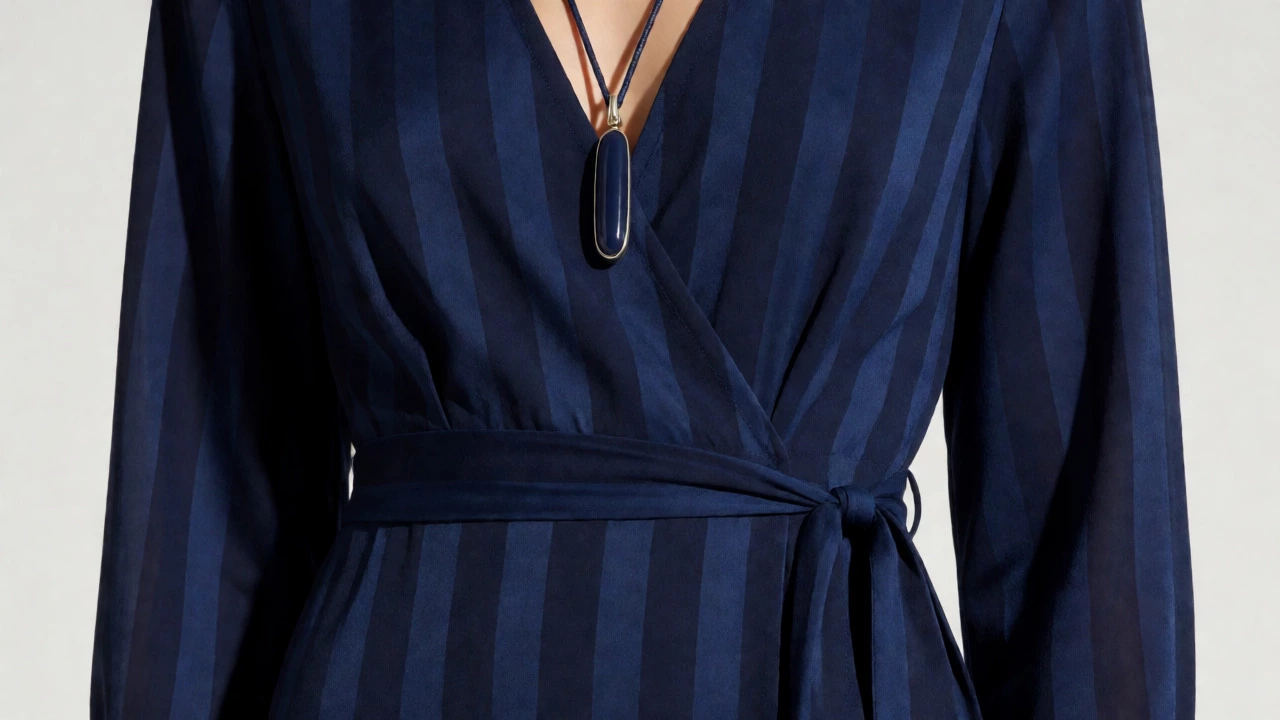
Use Color and Print Strategically
We've all heard "black is slimming," but wearing head-to-toe black in July feels like walking into an oven. Monochrome works because it eliminates visual breaks, but you don't have to sacrifice comfort for color. The trick is tonal dressing. Pairing navy with lighter blues, or olive with sage, creates a continuous line without the heat absorption of dark black.
If you want to use color boldly, place it where you want attention. Wear a bright top with neutral bottoms to draw eyes upward toward your face. Or, use monochromatic columns of color-same shade top and bottom-to stretch your frame vertically. Prints can be slimming too, provided they are scaled correctly. Large, bold floral prints can overwhelm a petite frame, while tiny micro-florals can look busy. Medium-scale botanical prints on a dark background often work best for creating depth.
Vertical stripes remain a classic for a reason. However, avoid pinstripes that are too thin and high-contrast, as they can vibrate visually. Opt for subtle tone-on-tone stripes or diagonal cuts that mimic the effect of vertical lines.
Dress for Your Body Shape
General advice fails when it ignores individual anatomy. What looks streamlined on one person might highlight curves on another. Here is how to adapt summer staples to specific shapes:
- Pear Shape: Focus on balancing the lower half. Choose dresses with interesting necklines (boat necks, wide V-necks) to broaden the shoulders slightly. A-line skirts skim over hips rather than clinging. Avoid pockets on the hips, which add bulk.
- Apple Shape: Draw attention to legs and arms. Empire waists and shift dresses are your friends. Show off your arms with sleeveless tops or flutter sleeves. Keep hemlines above the knee to emphasize longer-looking legs.
- Hourglass Shape: Highlight the waist. Wrap dresses and belted shirts show off your natural proportions. Avoid boxy cuts that hide your definition. Fitted bodices with flared skirts maintain balance.
- Rectangle Shape: Create curves. Peplum tops or ruffled details at the hips add dimension. Belts worn loosely at the waist can create the illusion of a narrower middle.
Remember, these are starting points, not laws. Try things on. If a style makes you feel confident, it likely looks good too.
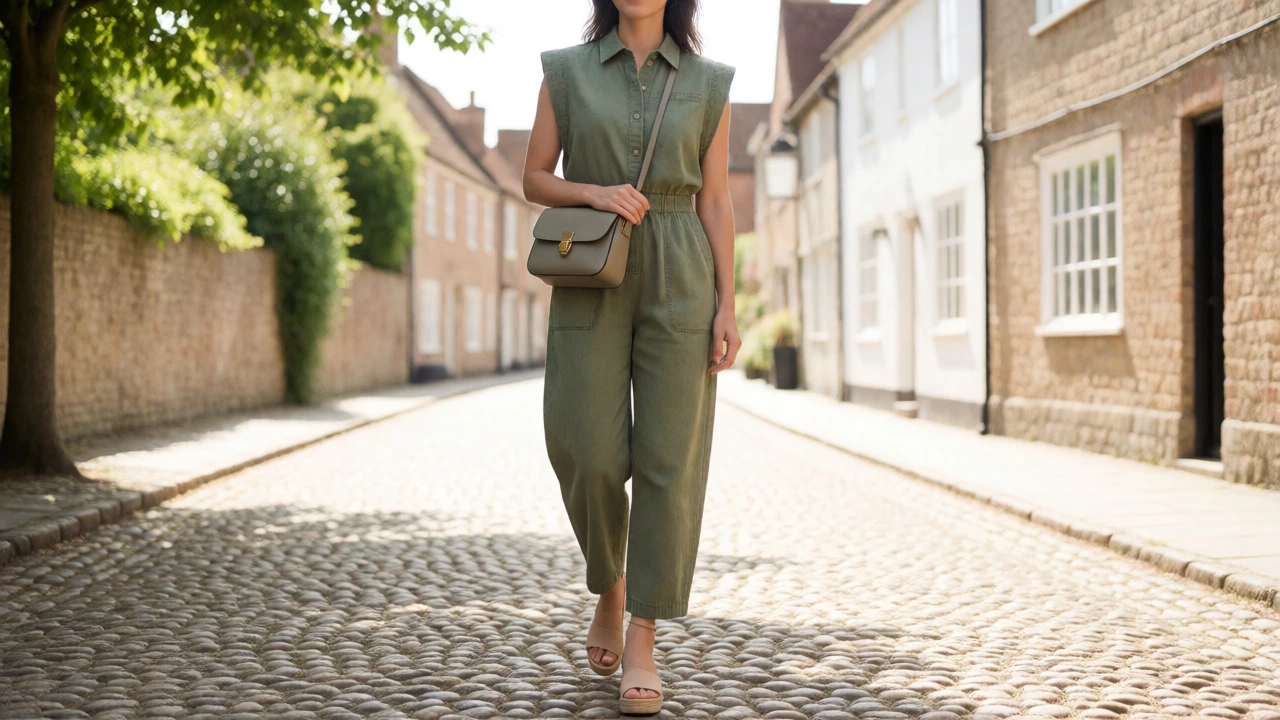
Accessorize to Elongate
Accessories aren't just decoration; they are tools for proportion. Long necklaces, especially those ending below the bust, create a deep V-line that draws the eye downward, lengthening the torso. Scarves tied loosely around the neck can break up a solid block of color and add vertical interest.
Footwear plays a massive role in how tall and lean you appear. Nude shoes match your skin tone, extending the leg line seamlessly. Ankle straps can cut off the leg visually, so opt for sandals with toe loops or slip-ons instead. If you wear heels, even a modest 2-inch wedge lifts your posture, pulling your abdominal muscles tighter and improving your overall stance.
Bags should be proportional. A giant tote bag can make your body look smaller by comparison, but it can also overwhelm a petite frame. A medium-sized crossbody bag worn at the hip helps define the waistline. Avoid clutch bags held tightly against the stomach, as they compress the area and can accentuate fullness.
Common Pitfalls to Avoid
Even with the right pieces, small mistakes can ruin the effect. First, ill-fitting bras. In summer, thin fabrics reveal bra outlines. Invest in seamless, nude-toned underwear that matches your skin, not just your clothes. Visible panty lines or strap marks distract from the sleek silhouette you're trying to build.
Second, overdressing. Adding a cardigan to cover arms can backfire if it's bulky. Choose ultra-thin knitwear or sheer chiffon layers that provide coverage without adding inches. Third, ignoring posture. Slouching collapses your core and makes you look shorter and wider. Stand tall; it instantly reduces the appearance of belly fat and projects confidence.
Finally, don't fear showing skin. Covering everything often leads to more bulk. Showing ankles, wrists, and collarbones-the thinnest parts of your body-creates a sense of delicacy and airiness that makes the whole outfit feel lighter.
Does wearing black really make you look thinner?
Yes, dark colors absorb light and reduce shadows, which minimizes the appearance of contours and curves. However, in summer, black absorbs heat. To get the slimming effect without overheating, try deep navy, charcoal, or forest green. Alternatively, wear black on your lower half and a lighter color on top to keep your face bright and cool.
What is the best dress style for hiding a tummy?
Empire waist dresses are highly effective because the fabric flows freely from just below the bust, bypassing the midsection entirely. Shift dresses and A-line silhouettes also work well as they skim the body rather than clinging to it. Avoid ruching directly over the stomach, as it can add visual texture and volume.
Are horizontal stripes always bad for looking thinner?
Not necessarily. While vertical lines generally elongate, horizontal stripes can be slimming if they are widely spaced or placed strategically. Thin, closely packed horizontal stripes can widen the body, but bold, wide bands can create a modern, balanced look. The key is contrast and placement; avoid high-contrast stripes across the widest part of your body.
How do I keep my clothes from sticking to me in humidity?
Fabric choice is critical. Natural fibers like cotton and linen breathe, but synthetics like polyester trap moisture. If you must wear synthetics, look for moisture-wicking technical fabrics. Additionally, anti-chafe sticks or powders can prevent skin-to-skin contact, and choosing looser fits allows air circulation between the fabric and your body.
Should I wear shapewear in the summer?
Traditional heavy shapewear can be uncomfortable in hot weather. Look for lightweight, breathable shapewear made from mesh or cotton blends. Sometimes, simply choosing a dress with built-in lining or a structured bodice provides enough support without the need for extra layers. If you do wear shapewear, ensure it doesn't create visible lines under thin summer fabrics.