What Shoe Is Called a Trainer? UK vs US Terminology Explained
- Cleo Fairchild
- 29 October 2026
- 0 Comments
Regional Shoe Terminology Finder
Select a region below to see what locals call athletic footwear. This helps avoid confusion when shopping or traveling.
Trainers
The standard, universal term for all athletic and casual shoes with rubber soles. Covers everything from running shoes to fashion sneakers.
Other Terms You Might Hear:
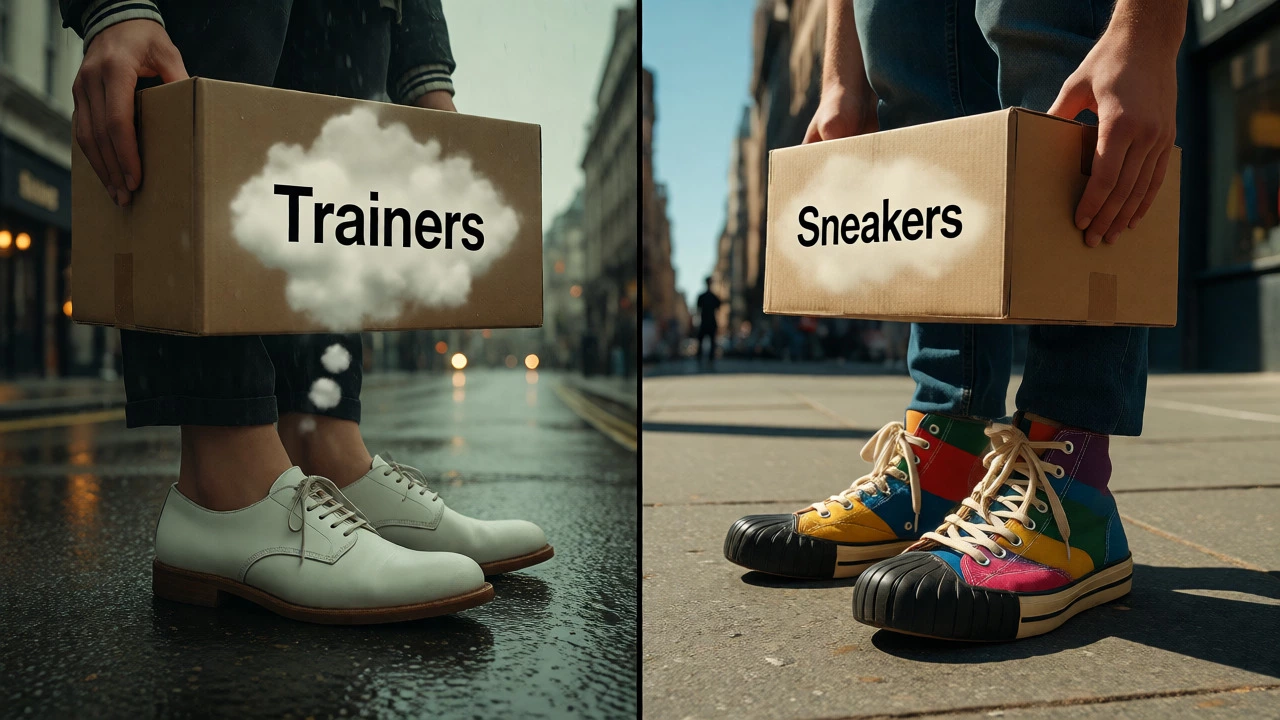
You’re walking into a shop in London and ask for "trainers." The assistant nods. You fly to New York, ask for the same thing, and get blank stares until you say "sneakers." It’s frustrating, right? But here’s the twist: they are often talking about the exact same shoe.
The word trainer is not just a random label. It has a specific history tied to British culture, sportswear evolution, and linguistic drift across the Atlantic. If you’ve ever wondered why your gym shoes have different names depending on where you live, or if there’s actually a technical difference between a trainer and a sneaker, you’re in the right place. Let’s clear up the confusion once and for all.
The Core Definition: What Actually Counts as a Trainer?
In the United Kingdom, Ireland, Australia, and many Commonwealth countries, a trainer is any casual or athletic shoe with a flexible sole, typically made of rubber, designed for sports or everyday wear. It’s a broad umbrella term. Unlike "sneaker," which sometimes implies a canvas upper (like Converse), "trainer" covers everything from high-end running shoes to basic white leather court shoes.
Why call them trainers? The name comes from their original purpose: training. In the late 19th and early 20th centuries, these shoes were strictly for physical education and athletic training. They weren’t meant for fashion or commuting. Over time, as sportswear became streetwear, the name stuck even though we rarely use them for actual training anymore. You might wear them to the pub, but they’re still called trainers because that’s what our grandparents called them when they bought them for PE class.
Trainer vs. Sneaker: Is There a Real Difference?
This is the big question. Technically, no. Functionally, yes-but only based on geography.
In American English, the dominant term is sneaker. The word "sneak" refers to the quiet rubber soles that let you move silently compared to hard leather-soled dress shoes. So, a sneaker is a shoe that lets you "sneak" around. Simple logic, really.
In British English, "sneaker" exists but feels dated or overly specific to old-school canvas shoes. If you buy Nike Air Maxes in Manchester, you don’t call them sneakers; you call them trainers. If you buy Vans in Bristol, you might call them plimsolls or trainers, but rarely sneakers unless you’re trying to sound American.
| Region | Common Term | Contextual Nuance |
|---|---|---|
| UK / Ireland / Aus | Trainers | General term for all athletic/casual shoes. |
| USA / Canada | Sneakers | General term; "tennis shoes" used in South US. |
| South Africa | Takkies | Afrikaans-derived slang widely understood. |
| Scotland (specific) | Plimsolls | Often refers to canvas/vulcanized rubber shoes. |
Notice the regional split? If you’re shopping online, check the site’s domain. A .co.uk site will list "Running Trainers." A .com site will list "Running Sneakers." Same product, different keyword strategy.

Other Names You Might Hear (And Why They Exist)
Language is messy. Depending on who you ask, the same pair of Nikes could be called something else entirely. Here’s a breakdown of other common terms and where they fit.
- Plimsolls: This is an older British term, originally referring to shoes with a rubber strip around the toe that stopped water from splashing up like a "plim line" on a ship’s hull. Today, it mostly refers to cheap canvas school shoes or retro styles like Keds or Converse Chuck Taylors. If you call expensive Jordan 1s "plimsolls," people will look at you funny.
- Tennis Shoes: Popular in the Southern United States. Even if you’re playing basketball or just walking the dog, some folks in Georgia or Texas will call them tennis shoes. It’s a holdover from when tennis was the primary sport requiring soft soles.
- Daps: Specific to Liverpool and parts of North West England. It’s local slang. Using it outside Merseyside might confuse people, but within the city, it’s standard.
- Gym Shoes: A functional description rather than a proper noun. Used by parents everywhere to tell kids, "Put your gym shoes on," regardless of brand or style.
So, when someone asks, "What shoe is called a trainer?" the answer depends on where you draw the map. But globally, "trainer" is becoming more recognized due to the dominance of UK-based brands like Adidas and Reebok, and the global influence of Premier League football culture.
The Anatomy of a Trainer: Key Components
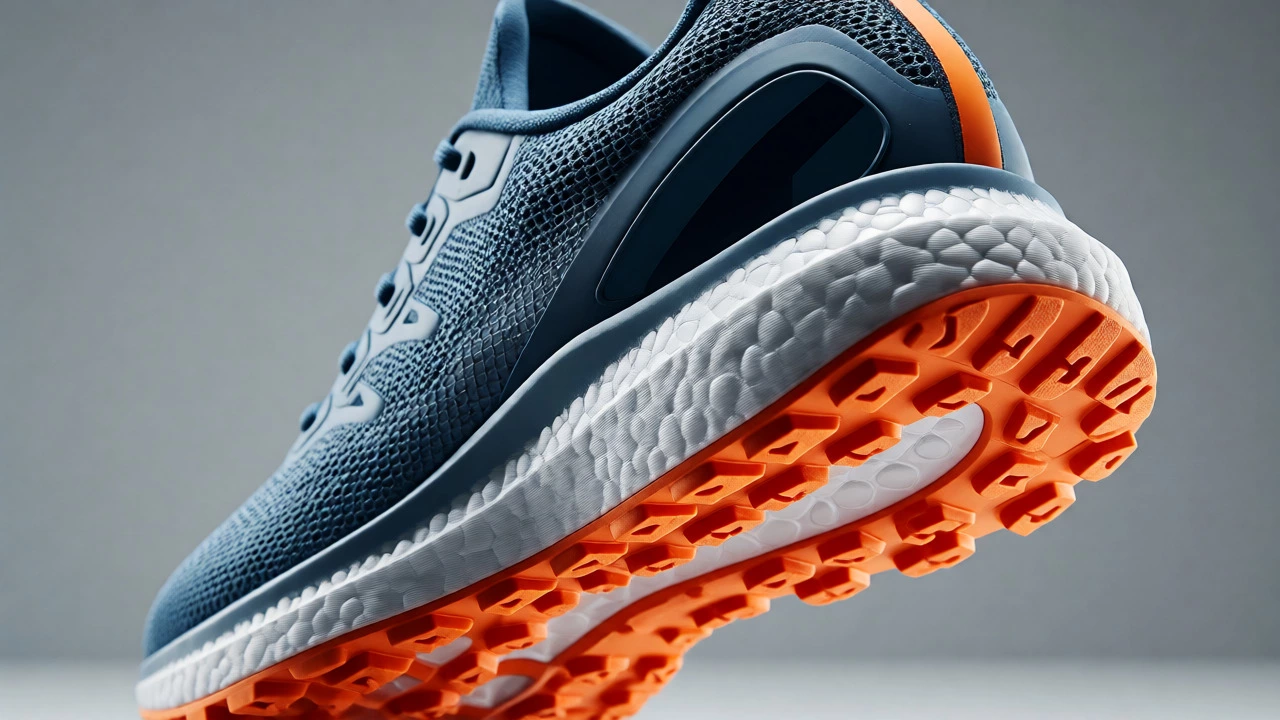
To truly understand what makes a trainer a trainer, you need to know its parts. It’s not just about the name; it’s about the construction. A true trainer differs from a boot or a sandal by three main features:
- The Upper: This is the top part of the shoe. Traditionally made of leather or canvas, modern trainers use engineered mesh for breathability. The material dictates the shoe's weight and durability.
- The Midsole: This is the cushioning layer between the upper and the outsole. Technologies like Nike Air, Adidas Boost, or ASICS Gel live here. This component absorbs impact during training.
- The Outsole: The bottom layer that touches the ground. Usually rubber, it provides traction. Pattern design matters-waffle patterns for grip, herringbone for lateral movement.
If a shoe lacks a flexible midsole or a non-slip rubber outsole, it’s probably not a trainer. For example, a Chelsea boot has a leather sole and rigid structure. That’s not a trainer, even if you wear it casually. A flip-flop has no upper support. Not a trainer. The definition hinges on functionality for movement.
Why Does This Matter When Buying Shoes?
You might think, "Who cares what I call them?" But language affects search results, pricing, and availability.
Imagine you’re looking for vintage Adidas Gazelles. If you search "vintage sneakers" on a US site, you’ll find plenty. On a UK site, searching "vintage sneakers" might yield fewer results than "vintage trainers." Retailers optimize their inventory descriptions based on local dialect. Misusing the term can lead you down a rabbit hole of irrelevant products.
Also, consider resale markets. Platforms like StockX or GOAT use standardized global terms, but community forums often use local slang. Knowing that "takkie" means trainer in South Africa helps if you’re buying imported goods. Understanding that "daps" means trainers in Liverpool helps if you’re browsing second-hand apps locally.
Frequently Asked Questions
Is a trainer the same as a sneaker?
Yes, functionally they are identical. Both refer to athletic or casual shoes with rubber soles. The difference is purely linguistic: "trainer" is the standard term in the UK, Australia, and Ireland, while "sneaker" is the standard term in the US and Canada.
Why are they called trainers?
The name originates from their original use for physical training and exercise in schools and gyms. Before they became everyday fashion items, they were exclusively worn for sports activities, hence "training shoes," shortened to "trainers."
Can I call my running shoes sneakers in the UK?
You can, but it might sound slightly unnatural or American to locals. Most Brits would prefer "running trainers" or just "runners." However, everyone will understand what you mean.
What is the difference between plimsolls and trainers?
Plimsolls are a specific type of lightweight canvas shoe with a rubber sole, often associated with school uniforms or retro fashion. All plimsolls are technically trainers, but not all trainers are plimsolls. High-tech running shoes with foam midsoles are trainers but not plimsolls.
Do Americans use the word trainer?
Rarely. In the US, "trainer" might refer to a personal fitness coach or a specific type of indoor workout shoe, but it is not the general term for athletic footwear. Using it might cause brief confusion.