What Is the Coolest Color to Wear in Summer? Science & Style
- Cleo Fairchild
- 15 November 2026
- 0 Comments
Summer Dress Coolness Calculator
Select your dress characteristics below to see how they impact your perceived temperature.
Your Estimated Comfort Level:
Scientific Breakdown:
- Color Impact:
- Fabric Impact:
- Fit Impact:
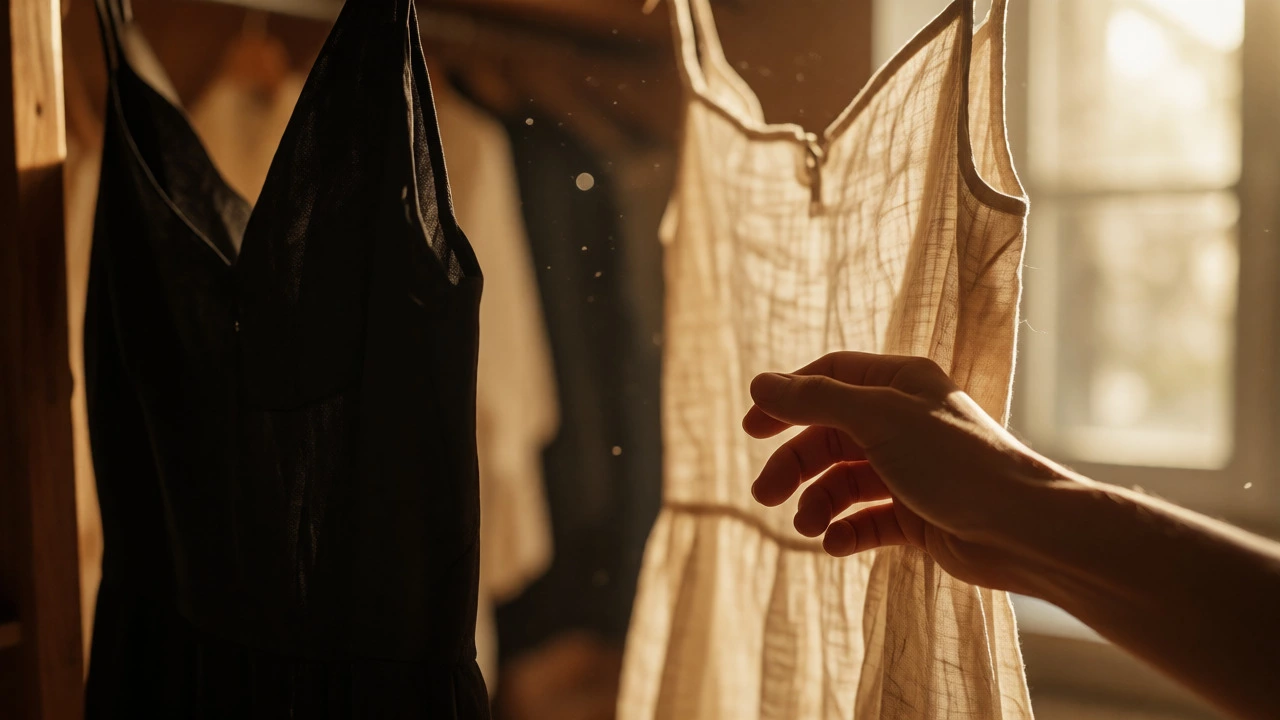
It’s mid-July, the sun is beating down, and you’re standing in front of your closet. You reach for that black slip dress because it looks chic, but a second later, you pull your hand back. Why? Because you know deep down that black absorbs heat like a sponge. But is black actually the hottest color to wear? Or is there a scientific twist we’re missing?
When we talk about the coolest color to wear in summer, most people immediately guess "white." And yes, white reflects light. But if you’ve ever worn a thin white shirt in direct sunlight, you might have noticed something odd: you can still feel the warmth penetrating through the fabric. That’s because while white reflects visible light, it doesn’t necessarily block infrared radiation (heat) effectively if the material is thin or tight.
So, what’s the actual best choice? It’s not just about one magic color. It’s about how color interacts with fabric, fit, and airflow. Let’s break down the physics of staying cool without sacrificing style, so you can pick the perfect summer dress next time you shop.
The Physics of Heat and Color
To understand which colors keep you cool, you need to look at how light works. Sunlight contains visible light, ultraviolet (UV) rays, and infrared (IR) radiation. Infrared is what you feel as heat.
Dark colors, like black and navy, absorb all wavelengths of visible light. This absorption converts light energy into thermal energy, warming up the fabric. White, on the other hand, reflects most visible light. However, here is the catch: many dark fabrics also reflect infrared radiation better than some light-colored synthetics. This means a loose, thick black linen dress might actually feel cooler than a tight, thin white polyester top, even though black absorbs more visible light.
But for the average person wearing typical summer clothes, lighter colors are generally safer bets for reflecting both visible light and reducing overall heat gain. The key variable isn't just hue; it's saturation and value. A pale yellow will behave very differently from a neon yellow.
Why White Isn’t Always the Winner
White is the classic go-to. It signals cleanliness, brightness, and reflection. But pure white has a downside: transparency. To make white opaque enough for modesty, designers often use thicker linings or heavier fabrics. Thicker fabric traps more body heat against your skin.
Furthermore, white shows sweat marks instantly. Nothing ruins the vibe of a breezy afternoon faster than visible pit stains. If you love the look of white, opt for off-whites, creams, or ivory. These shades offer similar reflective properties but hide imperfections better and often come in slightly softer, more breathable weaves.
| Color Family | Visible Light Reflection | Infrared Heat Gain | Best For |
|---|---|---|---|
| White/Cream | High | Low-Medium | Direct sun exposure, casual daywear |
| Pastels (Blue, Pink) | Medium-High | Low | Psychological cooling, stylish events |
| Light Grey | Medium | Medium | Urban settings, hiding dirt/sweat |
| Black/Navy | Low | High (unless loose weave) | Evening wear, shaded areas, high contrast style |
The Psychological Cool Factor
Temperature isn’t just physical. Your brain plays tricks on you. Studies in environmental psychology suggest that cool-toned colors-blues, greens, and lavenders-make people perceive the ambient temperature as lower than it actually is. Wearing a soft sky-blue dress might not physically lower your body temperature by five degrees, but it makes you feel calmer and less agitated by the heat.
This is why pastels dominate summer fashion. They aren’t just aesthetically pleasing; they reduce visual noise. Bright reds and oranges stimulate the eye and can increase perceived intensity. If you want to avoid feeling overheated mentally, stick to desaturated tones. Think sage green, dusty rose, or powder blue rather than fire engine red or electric orange.

Fabric Matters More Than Hue
You could wear the coolest color in the spectrum, but if your dress is made of 100% polyester, you’ll still sweat. Color influences heat absorption, but fabric determines heat dissipation. Here is the hierarchy of summer fabrics:
- Linen: The king of summer. It has natural hollow fibers that allow air to pass through easily. It wrinkles, but that’s part of its charm. Linen wicks moisture away quickly.
- Cotton: Breathable and soft. Look for lightweight poplin or voile. Avoid heavy denim or thick jersey knits unless they are loose-fitting.
- Silk: Surprisingly cool. Silk is a natural protein fiber that regulates temperature well. It feels cool to the touch initially but breathes well once warmed up.
- Rayon/Viscose: Made from wood pulp, these mimic silk’s drape and breathability. They are excellent for flowy dresses that don’t cling to sweaty skin.
Avoid synthetic blends like nylon or standard polyester unless they are specifically engineered with moisture-wicking technology. Trapped heat between your skin and non-breathable fabric creates a microclimate that raises your core temperature regardless of the color.
Fit and Airflow: The Hidden Variable
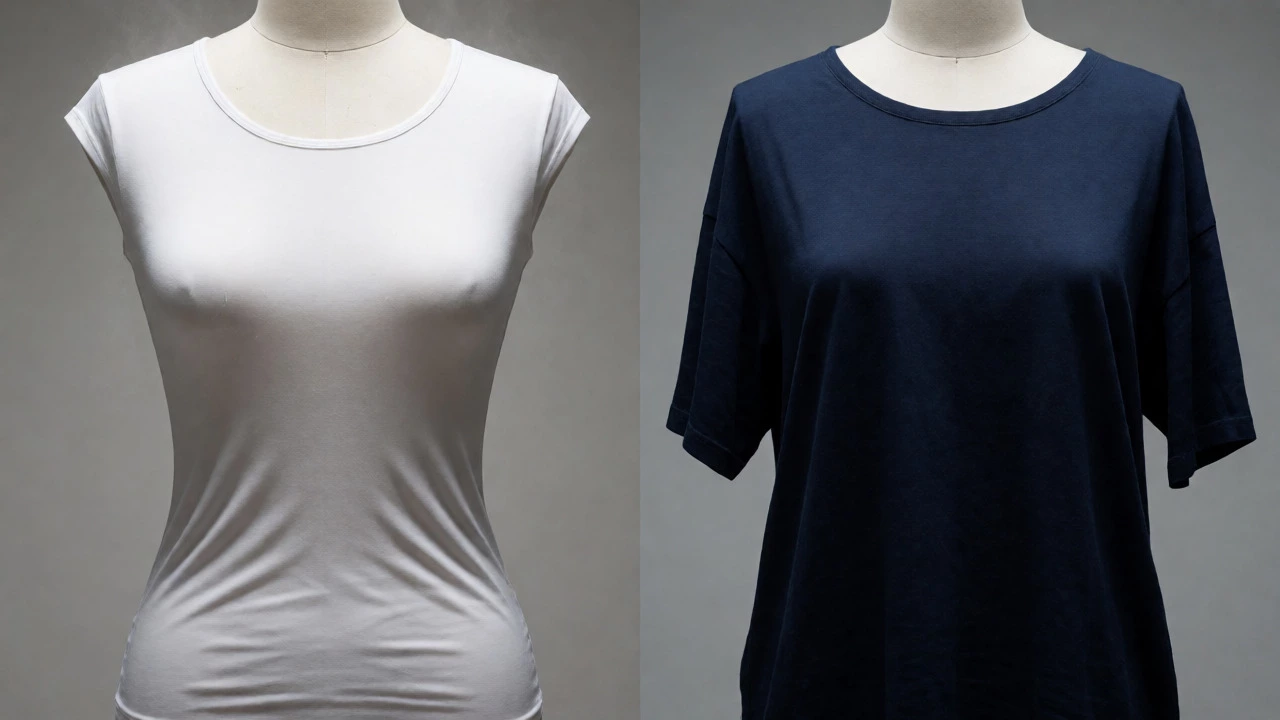
Tight clothing restricts airflow. When fabric clings to your skin, it blocks evaporation-the primary way your body cools itself. Sweat needs to evaporate to take heat away. If your dress is too tight, sweat stays on your skin, making you feel clammy and hot.
Opt for loose silhouettes. An A-line dress, a shift dress, or a maxi dress with a slit allows air to circulate around your legs and torso. This convection effect helps carry heat away from your body. A loose black dress might actually be cooler than a tight white tank top simply because of the airflow gap between the fabric and your skin.
Top Picks for Summer Dresses
If you are shopping for a new dress right now, here are the specific color and style combinations that balance science and style:
- The Sage Green Midi: Combines the psychological cooling of green with the practicality of a midi length that covers legs from direct UV exposure.
- The Powder Blue Shift: Reflects light, hides sweat better than stark white, and offers a calming visual effect.
- The Cream Linen Wrap: Adjustable fit ensures airflow, while cream reflects heat without being glaringly bright.
- The Pale Lavender Sundress: A unique alternative to pink that reads as cool and fresh, ideal for garden parties or brunch.
Remember, the goal is comfort. If you feel good, you won’t notice the heat as much. Confidence keeps you cool.
Common Mistakes to Avoid
Don’t assume that darker prints on light backgrounds are safe. If the print is dense and dark, it absorbs heat just like a solid dark shirt would. Check the ratio of ink to fabric.
Also, beware of metallic finishes. Silver or gold sequins might look fun, but metal conducts heat rapidly. If you are outdoors, a metallic dress can become uncomfortably warm within minutes.
Is black really hotter than white in summer?
Generally, yes, because black absorbs more visible light and converts it to heat. However, if the black garment is loose and made of a breathable fabric like linen, it can create a chimney effect where hot air rises and escapes, potentially keeping you cooler than a tight, thin white synthetic shirt that traps heat against the skin.
What is the best color for UV protection?
Dark colors and saturated hues like navy, black, and deep red provide better UV protection than light colors. They absorb more UV radiation before it reaches your skin. If sun protection is your priority, choose darker, tightly woven fabrics over light, sheer ones.
Do pastels keep you cooler than bright colors?
Pastels reflect more light than highly saturated brights, so they tend to absorb less heat. Psychologically, they also contribute to a sense of coolness. Bright neon colors can sometimes retain more heat due to their dye composition and visual intensity, making them less ideal for peak heat hours.
Should I avoid wearing jeans in summer?
Traditional denim is heavy and traps heat. If you must wear jeans, choose light washes, thinner fabrics, or wide-leg cuts that allow airflow. Alternatively, swap denim for linen trousers or cotton culottes for significantly better temperature regulation.
Does the type of fabric matter more than the color?
Yes, fabric breathability and weave density often matter more than color alone. A breathable, loose-fitting dark garment can be more comfortable than a non-breathable, tight light garment. Natural fibers like cotton, linen, and silk are superior to synthetics for heat management.