What Is a Good Price to Spend on a Suit: A Honest Guide for 2026
- Cleo Fairchild
- 29 March 2026
- 0 Comments
Suit Investment & Value Calculator
Financial Breakdown
Total Initial Outlay:
The Truth About Suit Prices
Walking into a store to buy a suit often feels like walking into a trap. You see tags ranging from two hundred pounds to ten thousand, and you start wondering if anyone actually knows what a fair price looks like. The answer isn’t a single number. It depends heavily on what you need the garment for. A wedding guest outfit has different requirements than a daily boardroom uniform.
Mens Suit is a set of matching clothes consisting of trousers and a jacket made from the same fabric, traditionally worn for formal or semi-formal occasions. The confusion comes because the retail price rarely reflects the actual value. Some expensive suits are poorly made, and some affordable options last a decade. You need to look past the label and examine the materials, construction, and intended lifespan.
Formal Wear, it is essential to understand that your budget should align with how often you plan to wear the piece. If you need this once a year, spending five grand makes little sense. If you work in finance and attend meetings weekly, investing in better craftsmanship pays off.Budget Options: Under £400
This category covers high street retailers and online-only brands. In 2026, you can find decent options here if you know what to look for. These High Street Brands typically sell ready-to-wear garments designed for mass appeal rather than individual fit. Expect synthetic blends or lower-grade wool. The lining might tear after a few seasons, and the buttons may fall off sooner.
However, for infrequent events like funerals or weddings, this tier works perfectly. The key is alteration. Even a cheaper cut can look sharp if a tailor adjusts the waist and sleeve length. Avoid models with fully fused construction if possible. Look for a half-canvas structure if available at this price point. It allows the jacket to drape naturally over your body rather than feeling stiff and boxy.
The Sweet Spot: £400 to £800
This is where most regular users should aim. At this level, you generally get natural fibre fabrics, specifically Wool Fabricis a textile derived from the fleece of sheep or other animals, prized for its breathability and durability. Wool regulates temperature better than polyester, keeping you cool in summer and warm in winter. Construction improves significantly here. You move away from glued fusibles toward hand-stitched elements.
A mid-range suit often features a half canvas or occasionally a light full canvas. This internal layer helps the shoulder shape stay consistent over time. The lining is usually Bemberg or Viscose, which feels smoother against the skin. Retailers like bespoke-made chains offer competitive pricing here. You might pay more initially, but you get a garment that resists wrinkling and holds its silhouette better through multiple dry cleans.
Premium Investment: Over £800
When you step above eight hundred pounds, you enter the territory of luxury and customisation. Here, the price difference often reflects the amount of labour hours involved. Full Canvas Construction creates an interlining floating between the outer fabric and lining, stitched by hand. This method takes weeks instead of days. The jacket molds to your unique posture.
Fabrics in this tier often come from historic mills like Vitale Barberis Canonico. They feel softer and drape more elegantly. Buttons might be horn or bone rather than plastic. The lapels feature pick stitching visible to the eye. While the return on investment diminishes compared to the budget jump, you gain distinct style advantages. For those needing a second life out of their clothes, this longevity matters. The resale value also remains higher.
Hidden Costs You Need to Consider
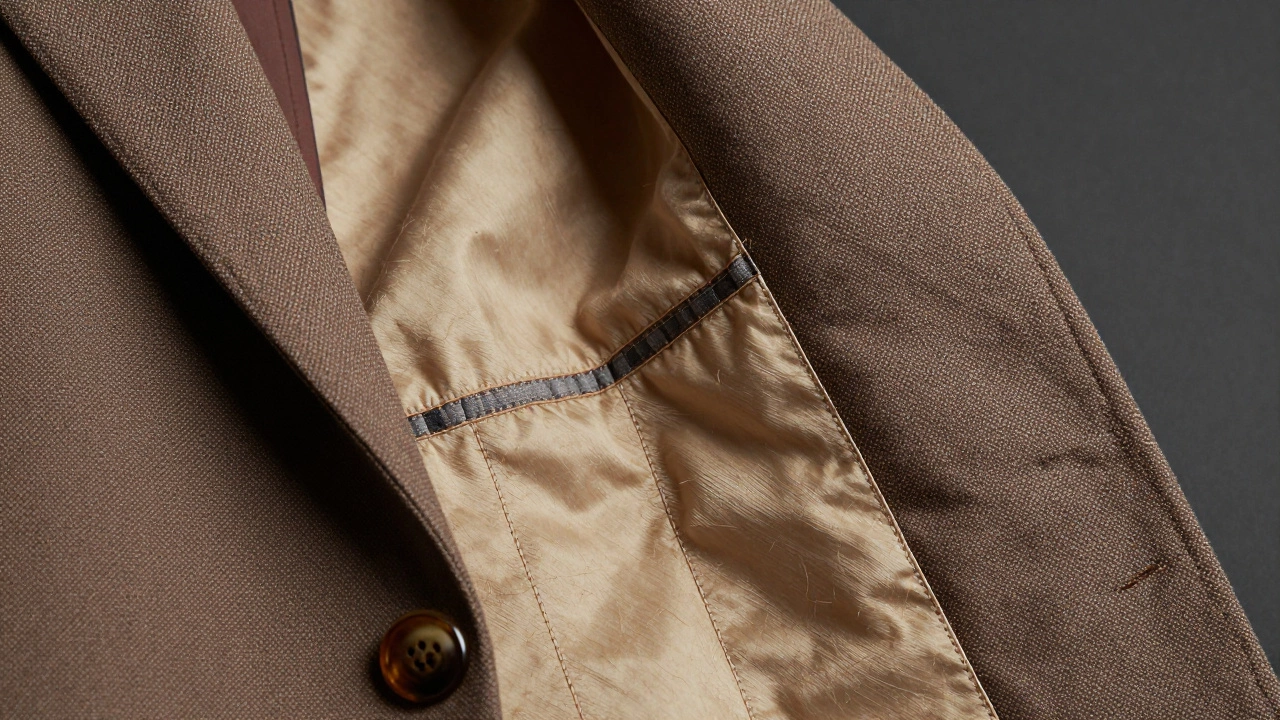
The sticker price is never the whole story. Buying the jacket and trousers is only half the battle. You need to factor in alterations to ensure the fit is precise. Shoulders are hard to alter, but waist suppression is routine. Budget around thirty to fifty pounds for hemming trousers and sleeves. If the shoulders are too wide, the suit will always look sloppy regardless of the fabric.
Tailoringthe process of adjusting and repairing garments to fit the customer's measurements. Good tailors charge by service, not hour. You also need proper shoes. Wearing trainers with a three-thousand-pound suit undermines the entire look. A decent pair of leather oxfords costs between two hundred and four hundred pounds. Don’t forget maintenance. Dry cleaning damages fabric over time. Air out your suit and brush it after every wear to extend its life.
| Tier | Approximate Cost | Fabric Quality | Construction | Best For |
|---|---|---|---|---|
| Budget | £200 - £400 | Synthetic blend or Low grade wool | Fused (Glued) | One-off events |
| Mid-Range | £400 - £800 | Natural Wool | Half Canvas | Regular business use |
| Premium | £800+ | Superfine Wool | Full Canvas | Long-term investment |
Fabric Choices Impact Price
You might wonder why one wool costs twice as much as another. It comes down to "Super" numbers and micron counts. Higher micron counts mean finer fibers. Finer fibers mean a softer hand feel and less itching against the neck. However, they are also delicate. If you travel frequently, a heavier weight wool is practical despite lacking the ultra-smooth finish. Seasonality also plays a role. Flannel is warmer but wrinkles easily. Tropical wool stays crisp but lacks insulation.
Avoid blends unless necessary. Polyester mixed with wool adds durability but removes breathability. Your body sweats. Trapped moisture smells bad and ruins the cloth faster. Stick to 100% wool for the main shell of the suit. Acetate linings are acceptable as they allow movement.
Second-Hand Markets and Rentals
In 2026, the pre-owned market is booming. You can find premium suits for a fraction of the retail cost. Vintage pieces might require restoration, such as replacing buttons or re-lining. Inspect seams carefully for moth damage. Rental services remain viable for black-tie events. They eliminate the storage hassle entirely. However, sizing can be inconsistent. Renting a size medium when you are a large frame leads to discomfort.
Buying used allows you to trade up in quality. For example, spending six hundred pounds on a used suit gives you the specs of a two-thousand-pound new purchase. Check the underarms for stains. Look at the cuffs. Heavy wear there indicates years of desk usage. If the elbows show shine, the fabric has been stressed beyond recovery.

Deciding Your Final Budget
Ultimately, a good price is one where you get value relative to your frequency of use. If you need a suit for graduation, spend three hundred pounds. If you need a wardrobe staple for career growth, target five hundred pounds plus tailoring. Never compromise on shoulder fit. An ill-fitting shoulder cannot be fixed by a needle and thread. It dictates the overall silhouette.
Look for seasonal sales in January and July. Department stores clear inventory then. This is when mid-range quality drops into budget pricing. Always measure yourself before shopping online. Neck, chest, waist, inseam. Accurate data prevents returns. Saving shipping fees is essentially earning free cash.
Frequently Asked Questions
Is it worth spending more on a suit?
Yes, provided you wear it regularly. Higher quality suits use better materials and construction techniques like full canvas. They last longer, maintain their shape, and feel more comfortable due to breathable fabrics.
What is the cheapest decent suit I can buy?
You can find wearable options starting around two hundred pounds. Look for entry-level suits from reliable high-street brands. Prioritize getting it tailored afterwards to hide fit issues inherent in cheaper mass production.
Does a suit price tell me the quality?
Not always. Branding influences price significantly. Sometimes a lesser-known maker offers superior craftsmanship at a lower price compared to a luxury fashion label charging for the logo alone. Check the inner lining labels for country of origin and construction details.
How often should I replace my suit?
A well-maintained wool suit should last five to seven years depending on frequency of wear. Rotate suits to avoid excessive stress on the fibers. Clean only when necessary rather than after every wear.
Should I pay extra for tailoring?
Absolutely. Most people require adjustments even for good off-the-rack fits. Hemming trousers and taking in the waist improves the appearance dramatically. It is a small percentage of the total cost for a massive visual upgrade.
Final Thoughts on Value
Your choice ultimately rests on how long you intend to keep the garment. Treat a suit as a tool for your professional image. Investing wisely ensures confidence during important moments. Do not rush the decision. Take time to try on different cuts across various price points. Once you find the right balance of comfort, fit, and cost, you have found your ideal suit.