What is a Bobby Jacket? History, Style, and How to Wear It
- Cleo Fairchild
- 23 July 2026
- 0 Comments
Bobby Jacket Authenticity Checker & Style Guide
Describe Your Jacket
Select your jacket's features and click "Analyze Jacket" to see if it fits the traditional Bobby Jacket profile.
Feature Analysis
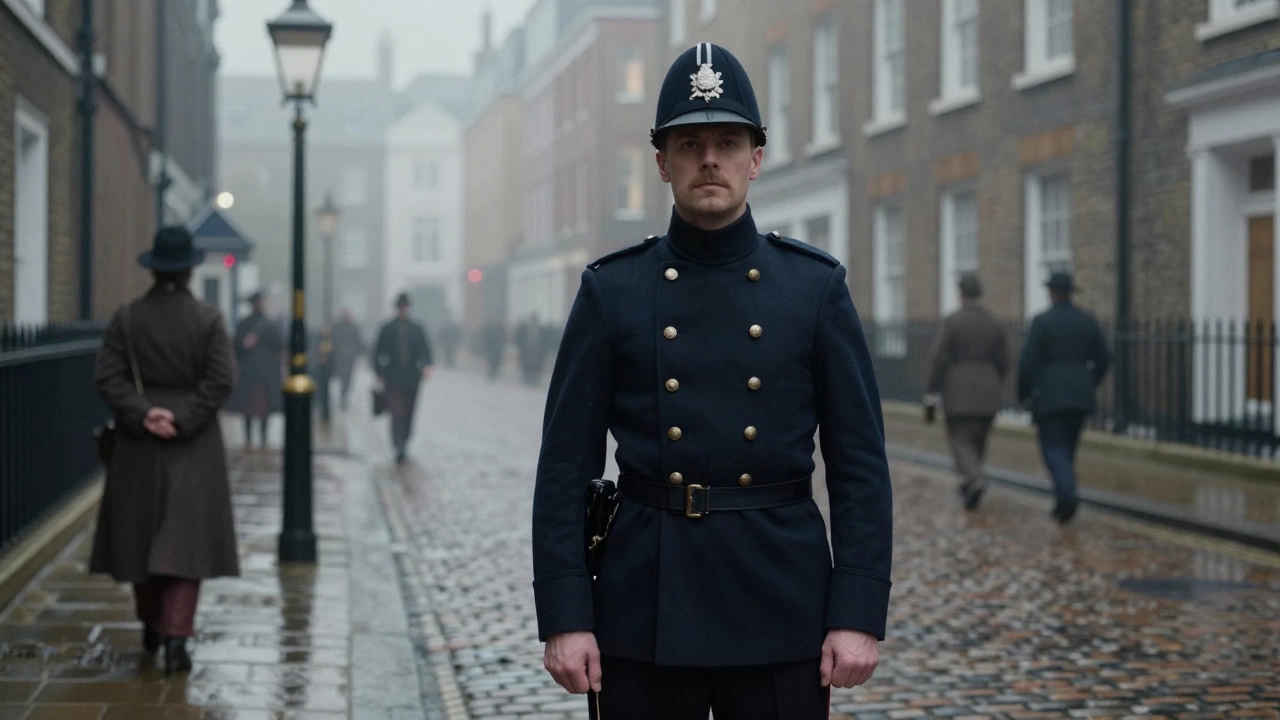
Have you ever walked down a street in London or watched a period drama set in the early 20th century and noticed that distinctive, double-breasted jacket worn by officers? It’s not just any coat; it’s known as a bobby jacket. While the term might sound like a specific brand or a modern fashion invention, it actually refers to a piece of clothing with deep historical roots in British policing. If you are wondering whether this is a style worth adopting today or just a costume piece for historical reenactments, you have come to the right place.
The name itself gives us our first clue. "Bobby" is the colloquial term for a British police officer, named after Sir Robert Peel, who established the Metropolitan Police in London in 1829. Therefore, a bobby jacket is essentially the uniform jacket associated with these officers. However, over time, the silhouette has evolved from strict utilitarian gear into a recognizable element of vintage-inspired menswear and even women's fashion. Understanding what makes this jacket unique requires looking at its construction, its history, and how it translates to modern wardrobes.
The Origins: From Peelers to Fashion Icons
To understand the bobby jacket, we have to look back at the mid-19th century. When the Metropolitan Police was formed, the goal was to create a force that was visible but not intimidating. The original uniforms were designed to be practical yet dignified. The jacket became a symbol of authority and order. Initially, these were dark blue, woolen garments designed to withstand the damp British weather while maintaining a sharp appearance.
The design features were strictly functional. The double-breasted front provided extra warmth and protection against wind. The high collar could be turned up for additional defense against the elements. Buttons were typically brass or metal, arranged in two vertical rows, which allowed the jacket to be secured tightly. Over the decades, as policing methods changed and technology advanced, the uniform underwent several modifications. By the late 20th century, many forces moved away from the traditional tunic-style jackets in favor of more casual, modern uniforms. This shift left the classic bobby jacket largely behind in everyday service, but it kept its place in the public consciousness through media, film, and nostalgia.
Key Design Features That Define the Style
If you are trying to identify a genuine bobby jacket or a faithful reproduction, there are specific design elements you should look for. These features distinguish it from other double-breasted blazers or pea coats.
- Double-Breasted Closure: This is the most defining characteristic. The overlapping front panels with six buttons (usually three on each side) create a structured, formal look. The closure is meant to be buttoned up, offering a streamlined silhouette.
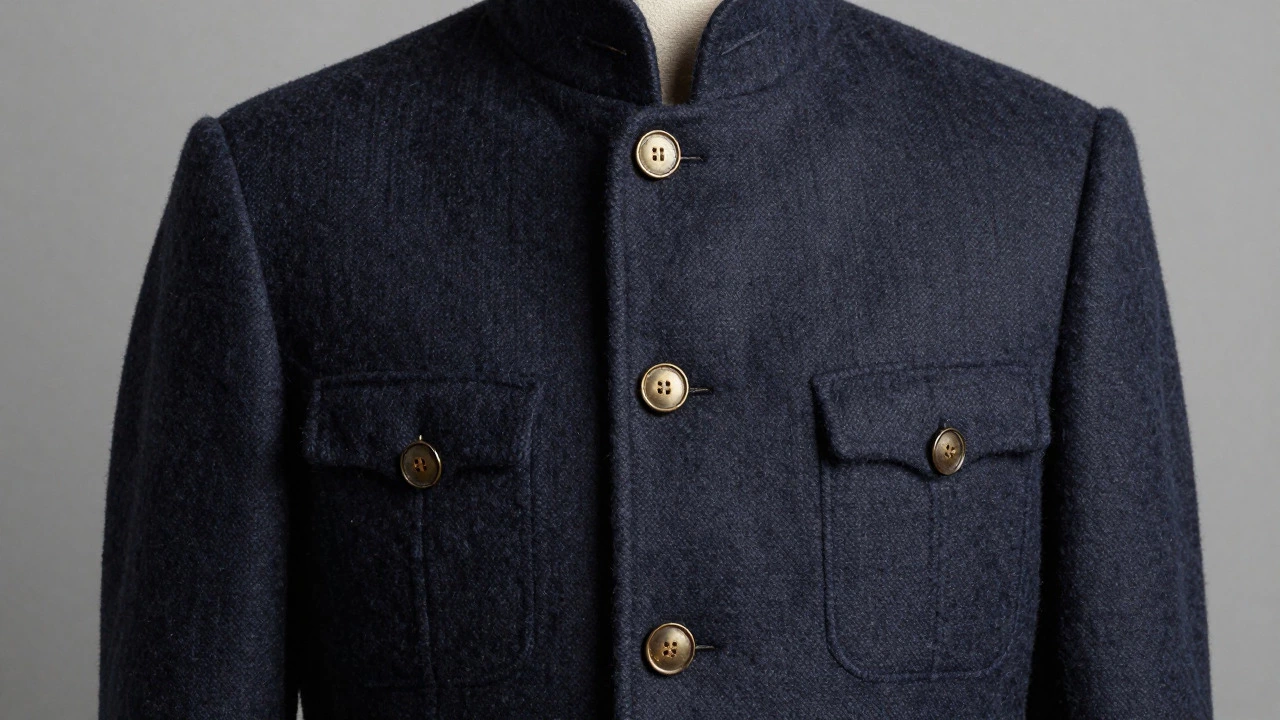
- High Stand-Up Collar: Unlike standard lapels, the bobby jacket often features a high collar that can stand upright. This was originally designed to protect the neck from cold winds but adds a distinct military-esque aesthetic.
- Wool Construction: Traditional bobby jackets are made from heavy wool or wool-blend fabrics. This material choice ensures durability and warmth, making them suitable for outdoor duty in varying temperatures.
- Patched Pockets: Many versions feature patch pockets on the chest or lower body, sometimes with flaps. These were practical for carrying small items like notebooks or whistles, though modern fashion interpretations may simplify this detail.
- Straight Cut: The cut is generally straight and boxy, rather than fitted. This allows for ease of movement and layering over shirts or sweaters, reflecting its origins as workwear.
These elements combine to create a garment that looks authoritative and polished. When you see someone wearing a jacket with these traits, especially in navy blue or black, you are likely looking at a nod to the bobby jacket tradition.
How to Style a Bobby Jacket Today
You might be thinking that a police uniform jacket is too serious for everyday wear. But fashion is all about context and adaptation. In recent years, vintage military and uniform-inspired styles have seen a resurgence. The bobby jacket fits neatly into this trend, offering a structured alternative to leather jackets or denim.
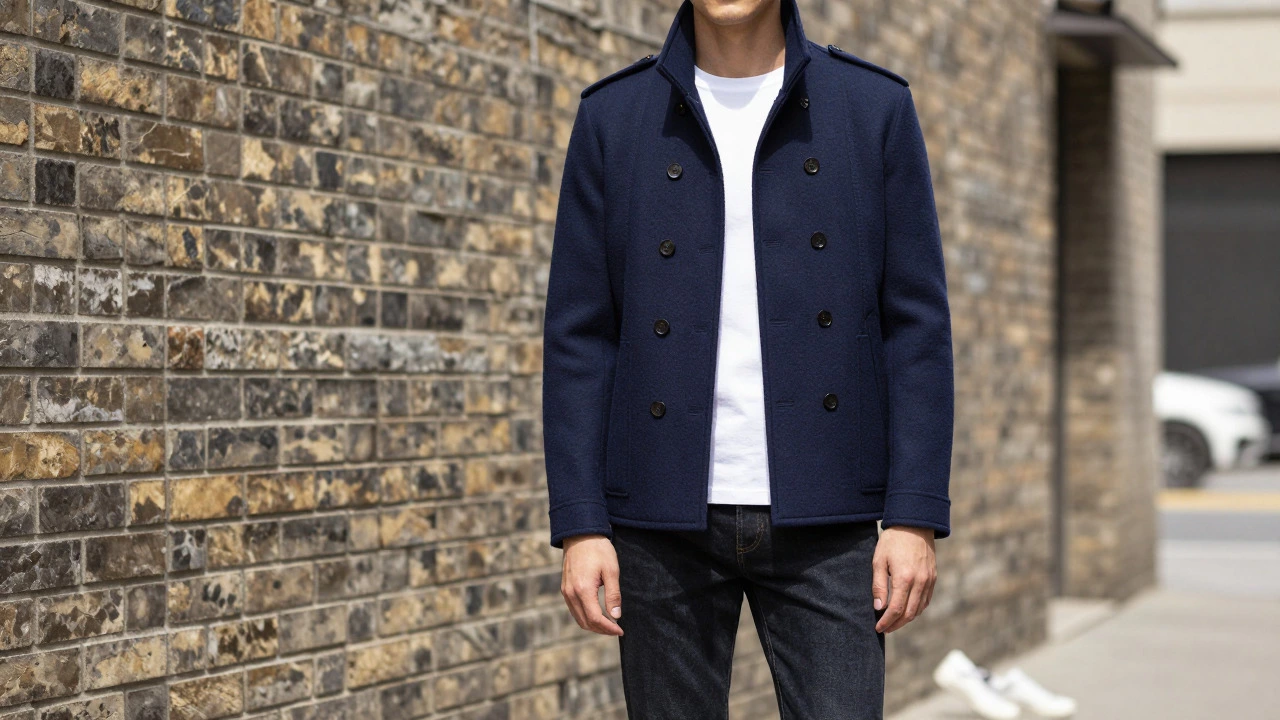
For men, pairing a navy bobby jacket with dark jeans and white sneakers creates a smart-casual look that balances formality with comfort. You can tone down the "uniform" vibe by leaving the top button undone or rolling up the sleeves slightly. Adding a simple t-shirt underneath instead of a formal shirt helps keep the outfit relaxed. For a more rugged approach, try it with chinos and boots, which complements the jacket's sturdy heritage.
Women can also embrace this style by opting for tailored fits or cropped versions available in some vintage shops. A bobby jacket works surprisingly well with skirts or dresses, creating an interesting contrast between soft fabrics and structured outerwear. Pair it with tights and ankle boots for a chic autumn ensemble. The key is to avoid looking like you are dressing up for a role play; accessorize minimally and focus on clean lines.
Color matters too. While traditional bobby jackets are navy or black, you can find variations in grey, brown, or even olive green. Choosing a non-traditional color can make the jacket feel less like a uniform and more like a fashion statement. Earth tones, for instance, soften the authoritative edge and blend better with casual weekend outfits.
Bobby Jacket vs. Pea Coat: What’s the Difference?
It is easy to confuse a bobby jacket with a pea coat, as both are double-breasted wool coats often associated with maritime or military history. However, there are subtle differences that set them apart.
| Feature | Bobby Jacket | Pea Coat |
|---|---|---|
| Origin | British Police Uniforms | Navy Maritime Wear |
| Length | Typically hip-length or slightly longer | Knee-length |
| Collar | High stand-up collar | Lapelled collar |
| Buttons | Usually 6 buttons (3x2) | Often 4 buttons (2x2) or 6 buttons |
| Style Vibe | Authoritative, Structured | Nautical, Classic |
Understanding these distinctions helps you choose the right jacket for your needs. If you want something shorter and more tailored for urban settings, the bobby jacket is ideal. If you need more coverage and warmth for colder climates, a pea coat might be the better option. Both styles offer timeless appeal, but their silhouettes serve different purposes.
Where to Find Authentic or Vintage Pieces
Finding a genuine vintage bobby jacket can be a treasure hunt. Thrift stores, charity shops, and online marketplaces like eBay or Etsy are good starting points. Look for labels indicating British manufacturing or police surplus sales. Be cautious of reproductions that use cheap synthetic materials; authentic wool will feel heavier and have a natural texture.
If vintage feels too risky, many contemporary brands now produce "inspired-by" versions. These jackets capture the essence of the original without the wear and tear. Brands focusing on heritage workwear or military-inspired fashion often include similar designs in their collections. When shopping, check the fabric composition and stitching quality. A well-made jacket should have reinforced seams and sturdy buttons that don’t pop off easily.
Consider the fit carefully. Older jackets may have narrower shoulders or shorter sleeves compared to modern sizing standards. Trying before buying is essential if possible. Alternatively, tailoring a vintage piece can ensure it fits your body perfectly, preserving its character while improving comfort.
Caring for Your Bobby Jacket
Once you own a bobby jacket, proper care will extend its life significantly. Since most are made from wool, they require gentle handling. Avoid washing them in regular machines unless the label explicitly says so. Dry cleaning is usually recommended for wool blends to prevent shrinking or felting.
Store your jacket on a wide, padded hanger to maintain its shoulder shape. Avoid wire hangers, which can cause bumps and distortions. Keep it in a breathable garment bag to protect against dust and moths. If you notice any stains, treat them immediately with a cloth dampened with water and mild soap, blotting gently rather than rubbing.
Regular brushing with a clothes brush can remove surface dirt and restore the nap of the wool. This simple maintenance step keeps the jacket looking fresh between cleanings. Remember, investing in care now saves money later by avoiding costly repairs or replacements.
Why the Bobby Jacket Remains Relevant
In a world fast-moving towards athleisure and minimalist aesthetics, why does a structured, historical jacket still hold appeal? Part of the answer lies in the desire for authenticity and connection to the past. Wearing a bobby jacket isn't just about covering up; it's about embracing a narrative of resilience, order, and tradition. It offers a counterpoint to the fluidity of modern streetwear, providing structure and definition to an outfit.
Moreover, the versatility of the design means it doesn't belong exclusively to one era or demographic. Whether you are a history buff, a fashion enthusiast, or simply someone looking for a reliable winter coat, the bobby jacket offers value. Its enduring presence in popular culture-from films to TV shows-keeps it relevant in the collective imagination. As long as people appreciate craftsmanship and classic design, the bobby jacket will continue to find its way into closets around the world.
Is a bobby jacket only for men?
No, while traditionally worn by male police officers, the bobby jacket style is unisex. Many women wear tailored or cropped versions as part of their fashion wardrobe. The structured design appeals to anyone looking for a smart, authoritative look regardless of gender.
Can I wear a bobby jacket casually?
Absolutely. To make it casual, pair it with jeans, t-shirts, and sneakers. Avoid wearing it with full uniform accessories like badges or ties. Leaving the top button undone and choosing relaxed inner layers helps soften the formal appearance.
What material is a traditional bobby jacket made of?
Traditional bobby jackets are typically made from heavy wool or wool-blend fabrics. This material provides warmth, durability, and a professional finish. Modern reproductions may use cotton, polyester, or synthetic blends for easier care and lower cost.
Why is it called a bobby jacket?
The term comes from "Bobby," the nickname for British police officers, derived from Sir Robert Peel, the founder of the Metropolitan Police. The jacket was part of their official uniform, hence the association.
How do I clean a wool bobby jacket?
Most wool bobby jackets should be dry cleaned to preserve their shape and texture. If hand washing is necessary, use cold water and mild detergent, then lay flat to dry. Always check the care label first. Regular brushing helps maintain the fabric's appearance between cleanings.