Sneakers vs Trainers: What’s the Actual Difference?
- Cleo Fairchild
- 6 September 2026
- 0 Comments
Sneakers vs Trainers: Interactive Guide
Select your region to see how locals refer to athletic shoes.
Avoid return hassles. Convert men's shoe sizes between US and UK standards.
*General approximation. Always check specific brand charts.*
Question 1: What is the primary reason for the name "sneaker"?
Quiz Complete!
You scored 0 out of 3.
You’re standing in a shoe store, staring at two pairs that look identical. One tag says "Sneakers." The other says "Trainers." You buy one, go home, and wonder if you just paid extra for a word choice. Here is the short answer: there is no functional difference between them. They are the same piece of footwear. The distinction is purely linguistic, rooted in geography rather than engineering.
But why do we still argue about it? And does the name actually change how you should wear them? If you live in Bristol or anywhere else in the UK, you likely call them trainers. In the US, they are sneakers. But knowing the history behind these terms helps you understand what you’re actually buying, especially when you start looking at specific performance features like cushioning technology or sole materials.
The Geographic Divide
The split comes down to where you grew up. In American English, the term "sneaker" dominates. It dates back to the late 19th century when rubber-soled shoes were first mass-produced. The name came from the fact that these shoes allowed you to "sneak" around quietly compared to the clacking leather soles of traditional dress shoes. Keds, an early brand, marketed them as silent companions for daily life.
In British English, "trainer" became the standard. This term emerged in the early 20th century, specifically linked to sports training. Initially, trainers were specialized shoes designed for specific athletic activities-running, tennis, or gym work. Over time, as casual fashion evolved, the technical gap closed. Today, a pair of Nike Air Max is called a trainer in London and a sneaker in New York. The shoe itself doesn’t care what you call it; it has the same rubber outsole, foam midsole, and textile upper regardless of the label on the box.
Historical Evolution of Terminology
Understanding the etymology reveals why the confusion persists. The word "sneaker" was trademarked by Henry Nelson McKinney in 1917. He noticed that people wearing these new rubber-soled shoes could move silently. Before this, most everyday footwear had hard leather or wooden soles. The introduction of vulcanized rubber changed everything. Suddenly, footwear wasn’t just for protection; it was for comfort and stealth.
Trainers is a term primarily used in British and Commonwealth English to describe athletic footwear designed for sports or physical exercise. Unlike "sneakers," which emphasizes the quiet nature of the shoe, "trainers" emphasizes its utility. Originally, you wouldn’t wear trainers to dinner. You wore them to train. The shift happened in the 1980s and 90s with the rise of hip-hop culture and streetwear. Brands like Adidas and Puma began marketing their performance gear as lifestyle products. The line between gym gear and casual wear blurred. Now, calling a pair of white leather shoes "trainers" in the UK feels natural, even if you haven’t run a mile in them since school PE lessons.
Technical Features Are Identical
If you pick up a pair of Air Jordan 1s in Manchester and another pair in Chicago, they are manufactured to the exact same specifications. The materials, stitching, and design are uniform globally. Major brands do not produce different versions of the same model based on regional naming conventions. A size 9 UK is roughly equivalent to a size 10 US, but the shoe structure remains consistent.
Consider the components:
- Outsole: Usually made of carbon rubber or blown rubber for grip and durability.
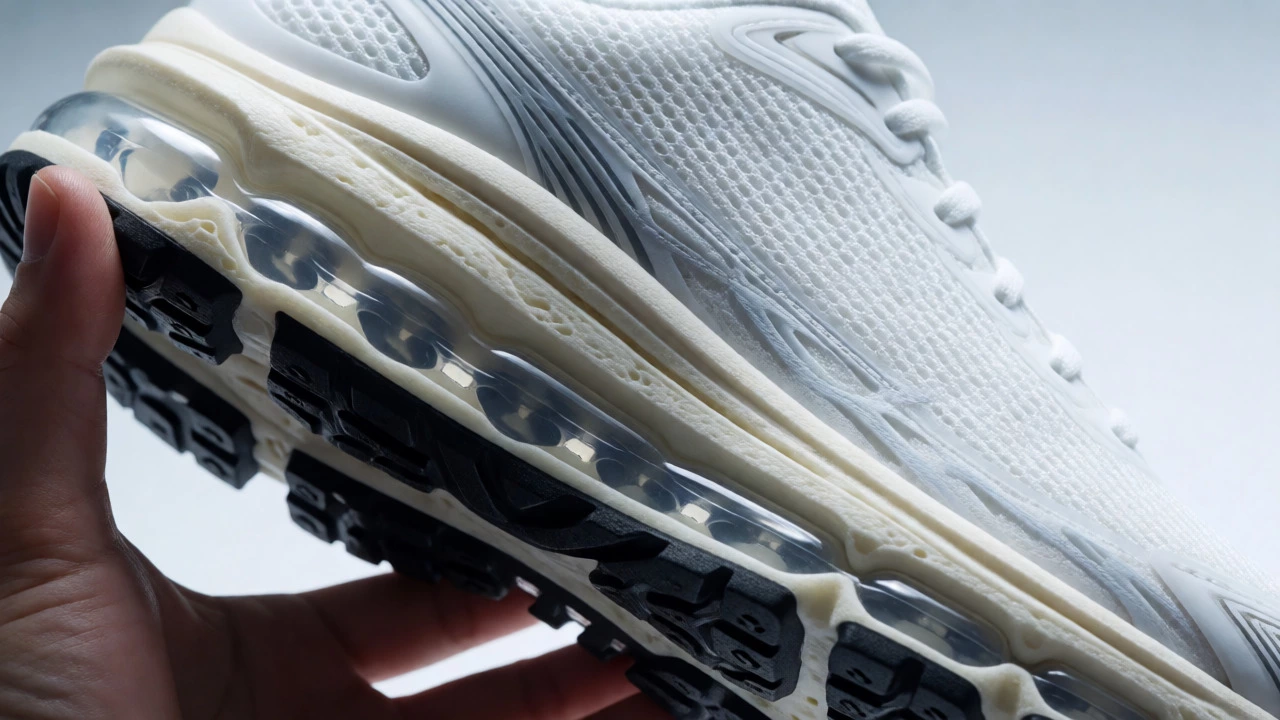
- Midsole: Contains EVA foam or polyurethane for cushioning. Technologies like Nike Air, Adidas Boost, or ASICS Gel work the same way worldwide.
- Upper: Constructed from leather, mesh, or synthetic textiles. Breathability and support levels are determined by the model, not the country of sale.
When retailers use different names, they are adapting to local search behavior. If you type "sneakers" into a UK-based online store, you might get fewer results than if you type "trainers." Conversely, searching for "trainers" in the US might yield odd results or redirect you to general athletic wear. This SEO strategy reinforces the idea that they are different categories, even though they aren’t.
| Feature | Sneakers (US Context) | Trainers (UK Context) |
|---|---|---|
| Primary Region | United States, Canada | United Kingdom, Australia, Ireland |
| Original Purpose | Casual comfort, silence | Sports training, athletic performance |
| Common Usage | Everyday casual wear, fashion | Gym, running, everyday casual wear |
| Formality Level | Low to Medium | Low to Medium |
| Brand Examples | Nike, Converse, Vans | Adidas, Reebok, New Balance |
When Does the Name Matter?
While the shoe is the same, the context changes how you should shop. If you are buying for performance, the terminology can hint at what the retailer prioritizes. In the US, stores labeled "Sneaker Culture" often focus on limited editions, collaborations, and hype drops. Think Supreme x Nike or Travis Scott Jordans. These are bought for resale value or status, not necessarily for running a marathon.
In the UK, shops specializing in "Trainers" might lean more towards functionality or heritage styles. However, this is changing. Streetwear has globalized. A hypebeast in London knows exactly what a Yeezy is, just like one in Los Angeles. The real difference lies in sizing. Always check the conversion chart. UK sizes are numerically smaller than US sizes. A common mistake is ordering your usual US size when shopping from a UK site. If you wear a US 10, you need a UK 9. Getting this wrong means dealing with returns, which costs money and time.
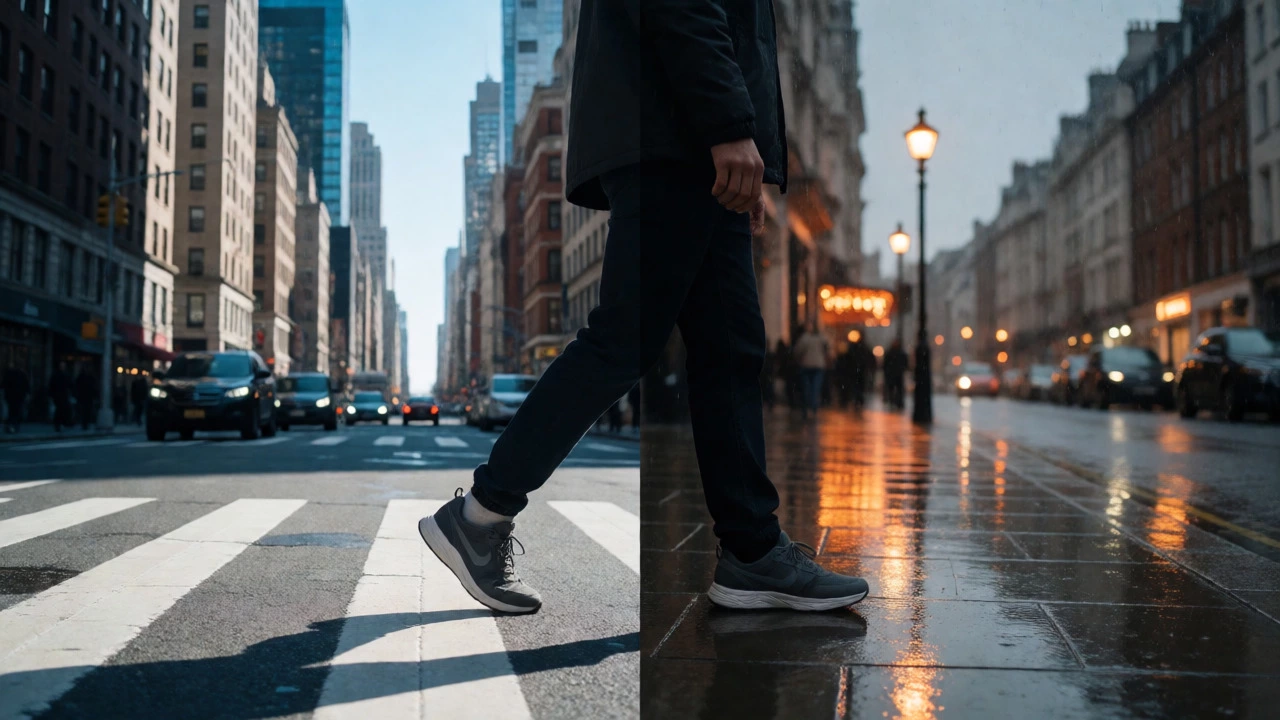
Also, consider the weather. The term "trainer" in the UK sometimes overlaps with waterproof hiking boots or trail runners because the climate demands versatility. In the US, "sneakers" rarely implies waterproof capability unless specified. If you live in Bristol, where rain is a constant companion, you might look for trainers with Gore-Tex membranes. Americans might search for "waterproof sneakers." Same product, different keywords.
Regional Variations Beyond the Atlantic
It’s not just a US-UK issue. Other regions have their own preferences. In Australia, "runners" or "trackies" are common slang terms. In parts of Europe, the French use "baskets" (from basketball), while Germans might say "Turnschuhe" (gym shoes). Each term reflects the dominant sport or cultural influence of that region at the time the shoe became popular.
For example, the term "plimsoll" is still used in some parts of the UK for canvas shoes with a rubber toe cap. This is a specific subset of sneakers/trainers. Knowing these nuances helps if you’re traveling or shopping internationally. If you ask for "trainers" in Paris, you’ll be understood, but asking for "baskets" shows you know the local lingo. It’s a small social signal, but it matters in niche communities.
How to Choose Based on Function, Not Name
Stop worrying about the label. Start focusing on the specs. Ask yourself three questions before buying:
- What activity will I do in them? Running requires different cushioning than walking. Basketball needs ankle support. Casual wear needs style.
- What is my foot shape? Wide feet need a wider last. High arches need better support. Brand names don’t guarantee fit.
- What is the material quality? Genuine leather ages well. Mesh breathes but wears out faster. Synthetic materials are durable but may lack breathability.
Brands like New Balance offer various width options, which is crucial for comfort. Whether you call them sneakers or trainers, a narrow shoe will hurt your feet. Focus on reviews that mention comfort over long periods. Look for comments on sole durability. These practical insights matter far more than whether your friend calls them trainers.
Another factor is sustainability. Many modern trainers/sneakers use recycled materials. Adidas uses Parley Ocean Plastic. Nike uses Flyknit waste. When shopping, check the material composition. Eco-friendly options are increasingly common across all brands, regardless of regional naming. Supporting sustainable practices is a good reason to choose one brand over another, irrespective of the word on the tongue.
The Future of Footwear Language
As e-commerce grows, language barriers shrink. Amazon sells both sneakers and trainers under similar algorithms. Global brands use universal marketing campaigns. Soon, the distinction might fade entirely. Younger generations, exposed to global media, often use the terms interchangeably. A teenager in Leeds might watch TikTok videos from LA and adopt the word "sneakers" without realizing the geographic origin.
However, tradition dies hard. In professional contexts, such as retail management or fashion journalism, using the correct regional term signals professionalism. Using "sneakers" in a formal UK business meeting might feel slightly informal. Using "trainers" in a US tech startup pitch might sound oddly precise. Adapt to your audience, but don’t stress about the shoe itself.
Ultimately, the best pair of shoes is the one that fits your foot and suits your lifestyle. Whether you lace up your sneakers for a morning jog in Hyde Park or tie your trainers for a commute in Brooklyn, the experience is defined by comfort and confidence, not vocabulary.
Are sneakers and trainers exactly the same thing?
Yes, functionally and physically, they are the same type of footwear. The difference is purely linguistic and geographical. "Sneakers" is the preferred term in the United States, while "trainers" is standard in the United Kingdom and many Commonwealth countries. Both refer to athletic-style shoes with rubber soles.
Can I wear trainers in the US?
Absolutely. You can wear any athletic shoe in the US regardless of what you call it. However, if you are shopping online in the US, searching for "sneakers" will give you better results than searching for "trainers," which might return less relevant items or redirect you to general athletic wear sections.
Why are they called sneakers?
The term "sneaker" originated in the late 19th century. Rubber-soled shoes allowed people to move silently, or "sneak" around, unlike traditional leather-soled shoes that made noise. The name stuck as a descriptor for quiet, comfortable footwear.
Is there a size difference between US sneakers and UK trainers?
Yes, the numbering systems differ. Generally, a US men's size is approximately 0.5 to 1 size larger than the corresponding UK size. For example, a US Men's 10 is roughly a UK Men's 9. Always consult the specific brand's size conversion chart, as fits can vary by manufacturer.
Do certain brands prefer one term over the other?
Global brands like Nike, Adidas, and Puma use both terms depending on the market. Their websites automatically adjust terminology based on your location. Local boutiques or independent retailers may stick to regional preferences, but major manufacturers maintain consistent product lines globally.