Casual vs Activewear: Key Differences in Fabric, Fit, and Function
- Cleo Fairchild
- 3 August 2026
- 0 Comments
Activewear vs. Casual Wear Analyzer
Select the characteristics of the garment you are analyzing to see if it qualifies as true Activewear or Casual Wear.
Have you ever stood in front of your wardrobe, holding a pair of black leggings, wondering if they are suitable for a spin class or just for grabbing coffee? You aren't alone. The line between what we wear to the gym and what we wear on the couch has blurred significantly over the last decade. This phenomenon, often called "athleisure," has made it tricky to distinguish between true activewear and standard casual clothing.
While they might look similar at first glance-both often involve sweatpants, hoodies, and sneakers-their purposes, materials, and construction are fundamentally different. Wearing the wrong type can lead to discomfort, poor performance, or even skin irritation. Understanding these distinctions helps you dress appropriately for your activities and get more value out of your wardrobe.
The Core Purpose: Performance vs. Comfort
The biggest difference lies in why the garment was designed. Activewear is engineered specifically for physical movement and exertion. Its primary job is to support your body while you move, manage moisture, and regulate temperature. Think about running, lifting weights, or playing tennis. These activities generate heat and sweat, and require a range of motion that regular clothes might restrict.
In contrast, Casual wear is designed for daily life, relaxation, and social interaction. Its main goals are aesthetics, comfort during low-intensity activities (like sitting or walking), and durability for general use. When you choose casual clothes, you are prioritizing how you look and feel in a non-exertional context. A nice pair of chinos or a cotton t-shirt serves its purpose perfectly well for a day at the office or a weekend brunch, but it would fail miserably during a high-intensity interval training session.
Fabric Technology: Moisture Management Matters
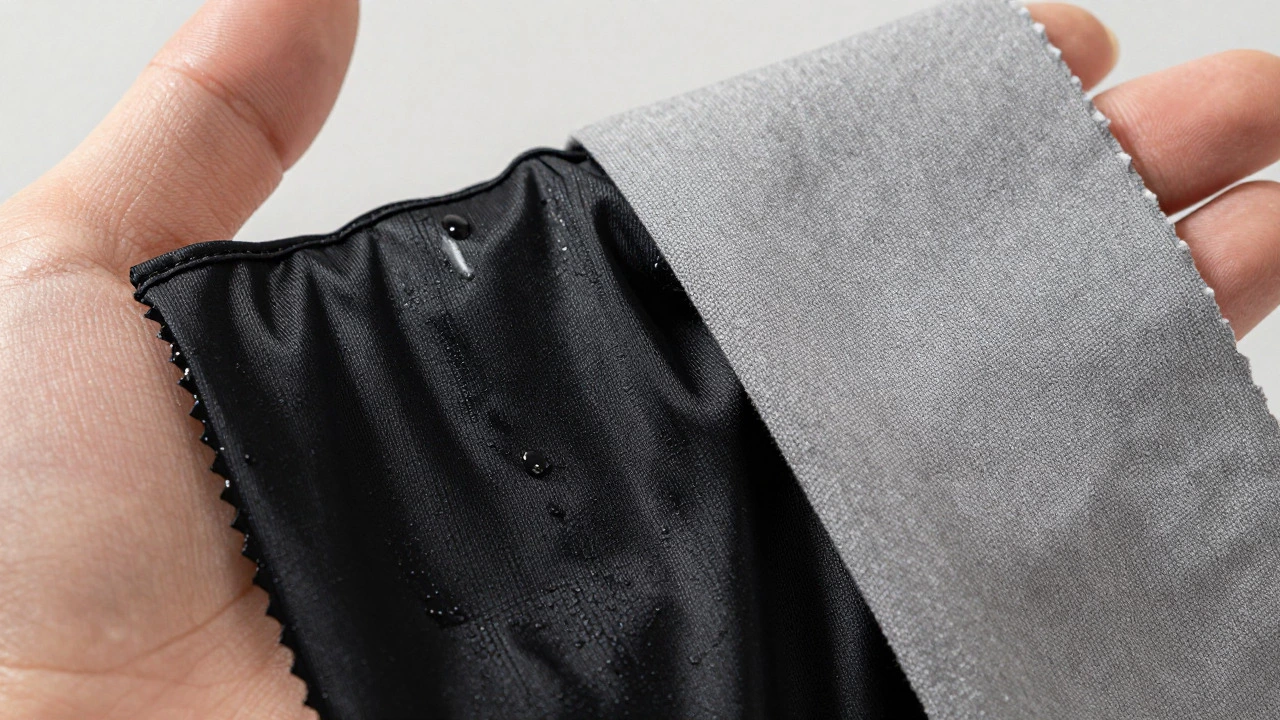
If you pull apart the seams of an activewear shirt and a casual t-shirt, the difference becomes obvious. Activewear relies heavily on synthetic technical fabrics like polyester, nylon, and elastane (spandex). These materials are hydrophobic, meaning they repel water. Instead of absorbing sweat, they wick it away from your skin to the outer surface of the fabric where it can evaporate. This process keeps you dry and cool during exercise.
Casual wear, on the other hand, often uses natural fibers like cotton, linen, or wool. Cotton is absorbent. It soaks up moisture like a sponge. While this feels soft and breathable against the skin on a normal day, it becomes heavy, cold, and clingy when wet. Imagine wearing a thick cotton hoodie during a run; once you sweat, that fabric stays damp against your skin, leading to chafing and rapid cooling after you stop moving. This is why cotton is generally discouraged for serious athletic activities.
| Feature | Activewear | Casual Wear |
|---|---|---|
| Primary Fabrics | Polyester, Nylon, Elastane | Cotton, Linen, Denim, Wool |
| Sweat Response | Wicks moisture away (Hydrophobic) | Absorbs moisture (Hydrophilic) |
| Stretch & Recovery | High elasticity, returns to shape | Low to moderate stretch, may sag |
| Breathability | Engineered mesh zones, ventilation | Natural air flow through fiber structure |
| Durability Focus | Resists abrasion from equipment/sweat | Resists fading and general wear |
Fit and Construction: Freedom of Movement
How a garment fits is not just about style; it's about function. Activewear is cut with specific anatomical considerations. Leggings and shorts often have gusseted crotches (an extra piece of fabric in the groin area) to prevent riding up and allow for deep squats without restriction. Tops might have raglan sleeves or flatlock seams to minimize chafing under the arms and along the sides.
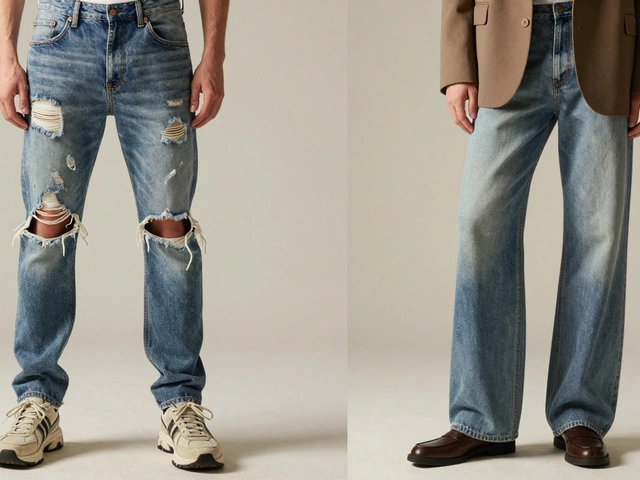
Casual wear prioritizes a silhouette that looks good while standing or sitting. Jeans, for example, are structured with stiff denim and rigid stitching to hold their shape. They are not designed to bend and stretch repeatedly. If you try to do lunges in skinny jeans, you will likely feel restricted, and the fabric may tear at the knees or thighs. Similarly, casual shirts often have button-down fronts or collars that can be distracting or uncomfortable when lying down or stretching overhead.
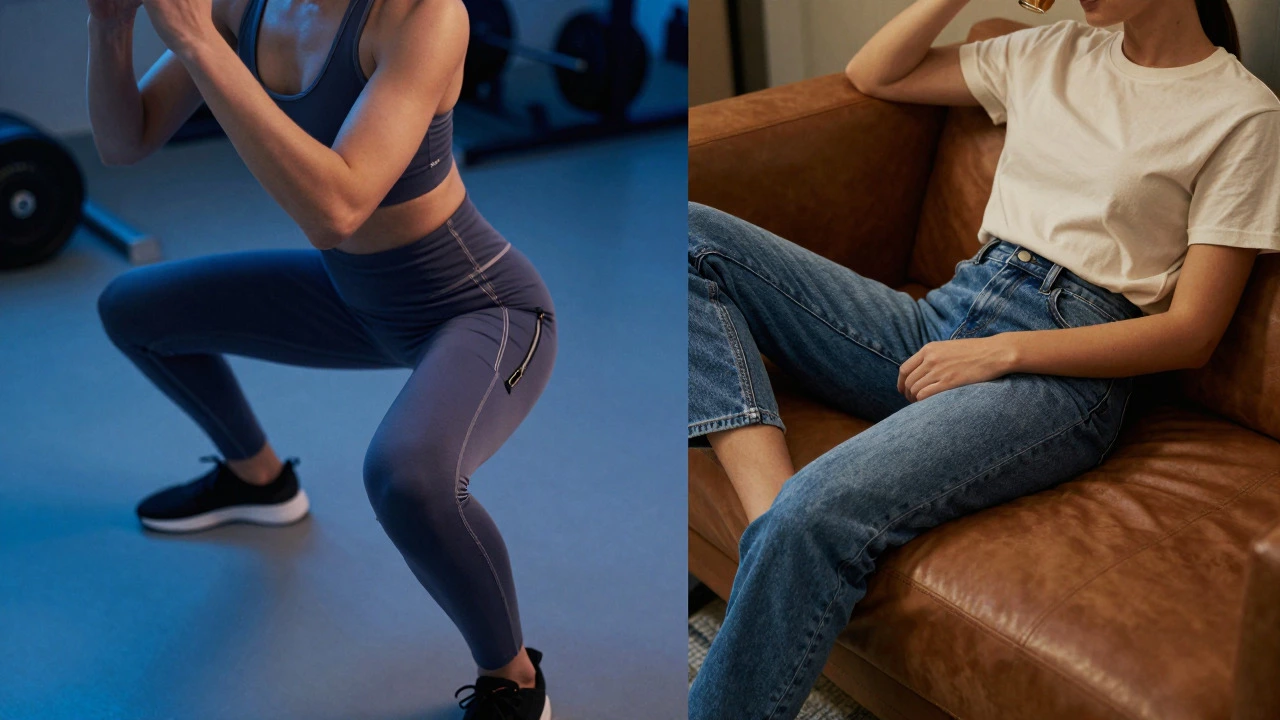
Design Elements: Pockets, Zippers, and Details
Look closely at the details. Activewear features functional additions that serve the athlete. You will see zippered pockets on running tights to secure keys and phones securely during movement. There are reflective strips for visibility in low light. Seams are often flat-locked to lie flat against the skin, preventing irritation during repetitive motions.
Casual wear details are often decorative or suited for static storage. A casual jacket might have flap pockets that could bounce around while running. Buttons might dig into your back if you lean forward. The focus is on visual appeal rather than ergonomic functionality. For instance, a stylish denim jacket looks great for a night out, but the stiff collar and lack of breathability make it a poor choice for a morning jog.
The Athleisure Blur: Where Do They Meet?
In recent years, the rise of athleisure has created hybrid garments that bridge the gap. Brands now produce "performance casual" items that use technical fabrics but have a more relaxed, streetwear aesthetic. You might see yoga pants worn with a blazer, or high-tech sneakers paired with chinos. These hybrids offer the comfort of activewear with the style of casual wear.
However, even within this blur, distinctions remain. A pair of "everyday" leggings might look like workout gear, but if they are made of thicker, less breathable cotton-blend fabric, they are technically casual wear. Conversely, a sleek, minimalist tank top made of moisture-wicking polyester might look casual enough for a grocery run, but it remains activewear due to its functional properties. Knowing the material composition is key to understanding where a garment truly belongs.
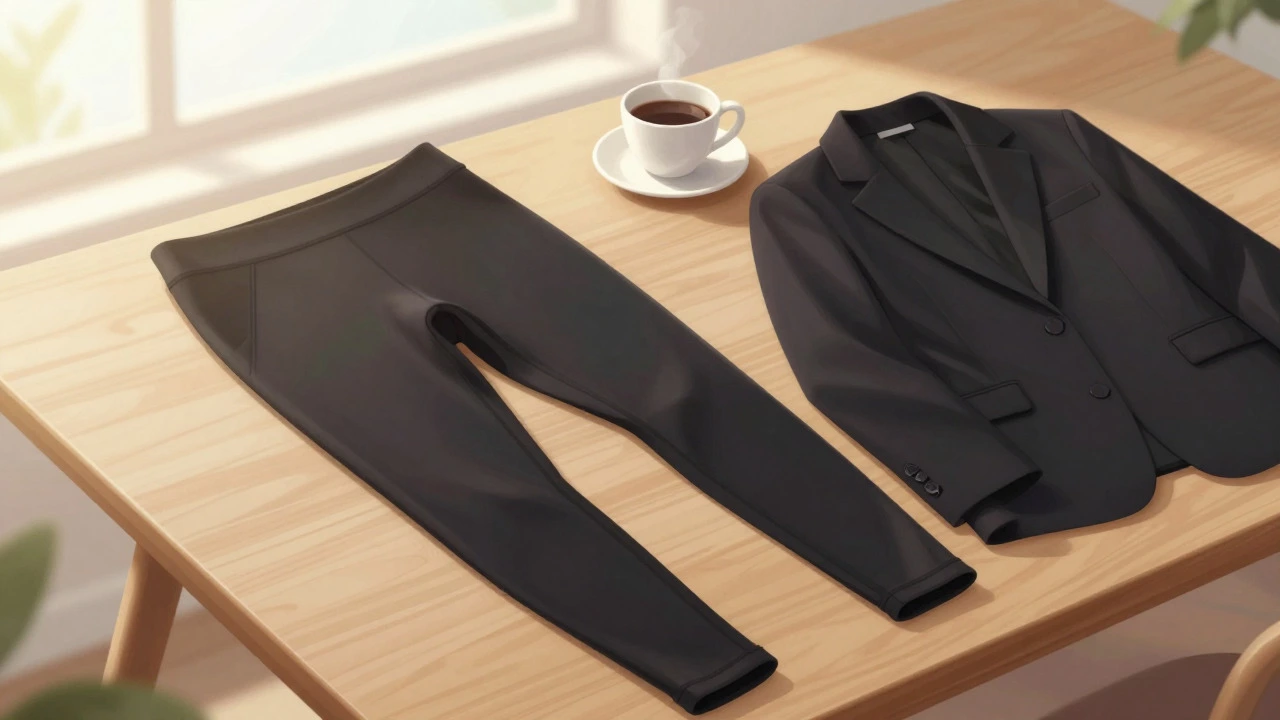
When to Choose Which
Choosing the right outfit depends entirely on your planned activity. Here is a quick guide to help you decide:
- Choose Activewear When: You plan to sweat, lift heavy objects, run, jump, or engage in any sustained physical activity. If your heart rate will elevate significantly, prioritize moisture-wicking fabrics and flexible cuts.
- Choose Casual Wear When: You are commuting, working at a desk, meeting friends for dinner, or relaxing at home. If your primary goal is looking polished or feeling cozy without exertion, natural fibers and structured fits are better choices.
- Consider Hybrids For: Low-intensity activities like walking the dog, light stretching, or traveling. Items like fleece-lined joggers or soft-shell jackets offer a middle ground of comfort and mild weather protection.
Maintenance and Longevity
How you care for these garments also differs. Activewear requires gentle handling to preserve its technical coatings and elastic fibers. Harsh detergents, fabric softeners, and high-heat drying can break down the elastane, causing the clothes to lose their shape and wicking ability. It is best to wash activewear inside out on a cold cycle and hang dry whenever possible.
Casual wear is generally more forgiving. Cotton and denim can withstand higher temperatures and stronger detergents. You can tumble dry most casual items without worrying about damaging their structural integrity. However, frequent washing of dark casual clothes can still lead to fading, so turning them inside out is a good practice regardless of the category.
Can I wear cotton to the gym?
You can, but it is not ideal for intense workouts. Cotton absorbs sweat and stays wet, which can cause chafing and make you feel cold after exercise. For light activities like yoga or walking, cotton is acceptable, but for cardio or weightlifting, synthetic moisture-wicking fabrics are superior.
What is the difference between athleisure and activewear?
Activewear is designed strictly for physical performance and exercise. Athleisure is a style trend that incorporates elements of activewear (like leggings or hoodies) into everyday casual outfits. While athleisure looks sporty, it may not always have the technical performance features needed for actual workouts.
Why do activewear clothes smell bad faster?
Synthetic fabrics used in activewear tend to trap odor-causing bacteria more than natural fibers. The tight weave and chemical treatments can hold onto sweat residues. Using specialized detergents for sports gear or adding vinegar to your wash can help mitigate this issue.
Is it okay to wear jeans to the gym?
Generally, no. Jeans are restrictive, non-breathable, and heavy. They limit your range of motion and can cause overheating. Most gyms also have dress codes that discourage denim due to safety concerns around equipment.
How do I know if my leggings are activewear or casual?
Check the fabric label. If it contains spandex/elastane and polyester or nylon, it is likely activewear designed for stretch and moisture management. If it is primarily cotton or a thick opaque knit without significant stretch, it is casual wear meant for lounging or light activity.