What Constitutes Sportswear? The Essential Elements Explained

- Cleo Fairchild
- 23 February 2026
- 0 Comments
When you pull on a pair of leggings and a moisture-wicking top before heading out for a run, you’re wearing sportswear. But what exactly makes something sportswear? It’s not just about looking athletic. It’s about function first. If your clothing doesn’t help you move better, stay dry, or stay safe while you’re active, it’s not truly sportswear - no matter how trendy it looks.
Function Over Fashion
Sportswear isn’t defined by logos or color schemes. It’s defined by what it does. Think about the difference between a cotton T-shirt and a polyester blend designed for running. The cotton absorbs sweat and clings to your skin. The synthetic blend pulls moisture away from your body and dries in seconds. That’s the core of sportswear: it solves problems your body faces during movement.
Early sportswear was basically just modified regular clothes. Athletes in the 1920s wore wool jerseys that got heavy with sweat. By the 1970s, brands like Nike and Adidas started experimenting with synthetic fibers. The breakthrough came with polyester blends and later, technical fabrics like Dri-FIT and Climalite. These weren’t marketing gimmicks - they were engineering solutions. Today, sportswear is built using the same principles as aerospace textiles: managing heat, reducing friction, and supporting muscles.
Key Components of True Sportswear
Not every piece of athletic-looking clothing qualifies. Here’s what real sportswear includes:
- Moisture-wicking fabric - Materials like polyester, nylon, or merino wool that pull sweat away from your skin and evaporate it quickly. Cotton is out. It traps moisture and increases chafing risk.
- Compression support - Tight-fitting garments that apply graduated pressure to improve blood flow and reduce muscle vibration. This isn’t just for pros - even casual gym-goers benefit from reduced fatigue.
- Seamless or flatlock stitching - These stitches lie flat against the skin and prevent rubbing. A single seam in the wrong place can turn a 5-mile run into a painful experience.
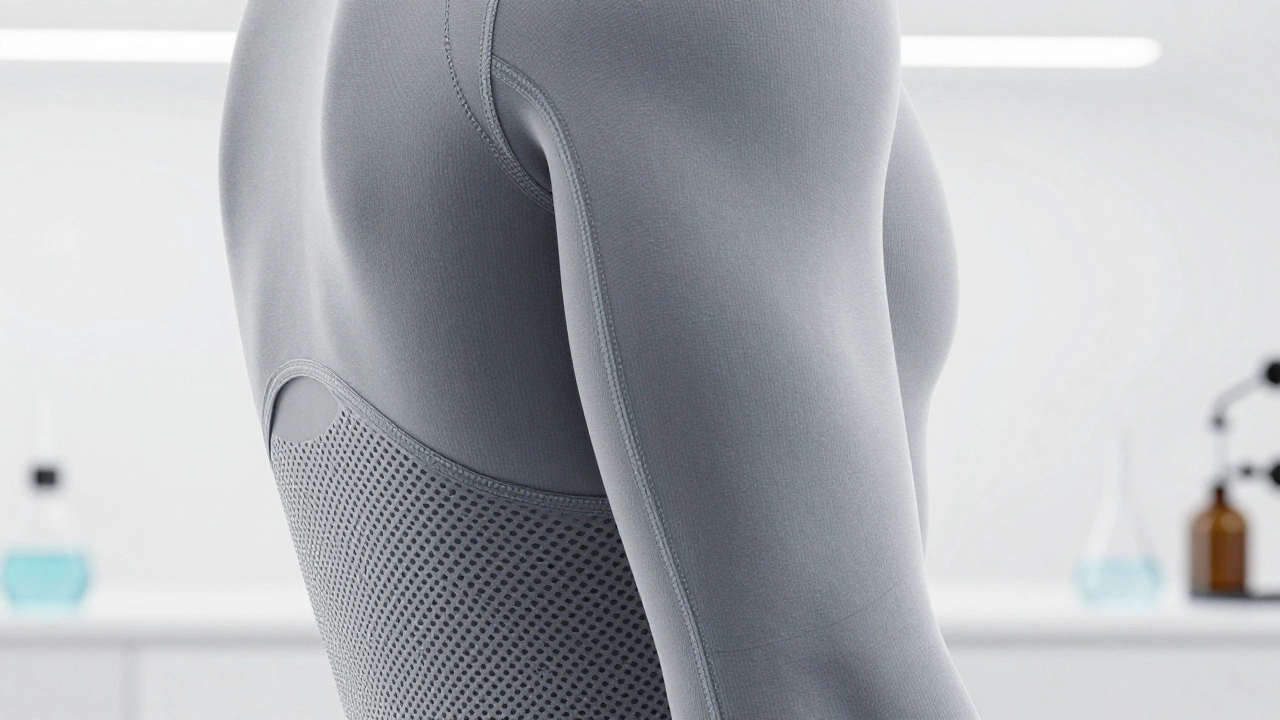
- Breathable mesh panels - Strategically placed zones of open-knit fabric that let heat escape where your body needs it most: underarms, lower back, behind the knees.
- UV protection - Many outdoor sportswear items now include UPF 30+ ratings, blocking over 97% of harmful UV rays. This matters whether you’re hiking, cycling, or playing tennis.
- Reflective elements - For early morning or evening workouts, reflective strips or threads improve visibility to drivers. It’s not optional if you’re active in low-light conditions.
What Sportswear Is Not
A lot of what’s sold as "activewear" isn’t sportswear at all. You’ve seen it: oversized hoodies labeled "gym-ready," baggy sweatpants with fake drawstrings, or cotton joggers marketed as "for workouts." These items look like they belong in a fitness store but fail at every functional test.
Take cotton joggers. They’re soft. They’re comfortable. But they hold sweat. That means longer drying time, higher risk of chafing, and even skin irritation. In cold weather, wet cotton can lead to hypothermia. In heat, it traps heat. Real sportswear doesn’t just look good - it adapts to your body’s needs.
Even some branded leggings have issues. If they don’t have a high waistband with internal compression, they roll down during squats. If the fabric is too thin, it becomes see-through when stretched. These aren’t design flaws - they’re failures of purpose.
Design That Moves With You
Sportswear is engineered for motion. That means the cut isn’t arbitrary. A running short has a built-in liner to eliminate chafing. A sports bra has multiple layers of support, not just padding. A cycling jersey has a longer back to cover your lower back when you’re leaning forward.
Take the evolution of the sports bra. In the 1970s, women ran in regular bras - often resulting in injury. The first dedicated sports bra, the "Jogbra," was invented in 1977 by Lisa Lindahl after she sewed two jockstraps together. Today, high-performance sports bras use three types of support: compression, encapsulation, or a hybrid. Each serves a different body type and activity. A yoga bra doesn’t need the same support as a high-impact running bra.
Same goes for footwear. You can’t wear a fashion sneaker for trail running. The outsole won’t grip. The midsole won’t absorb shock. The upper won’t breathe. Sportswear extends beyond fabric - it includes the entire system: shoes, socks, even gloves and headbands designed for performance.
Technology You Can’t See
Modern sportswear hides innovation. Look at a standard running shirt. It might seem plain. But under the surface, it could have:
- Antimicrobial treatment to stop odor-causing bacteria
- Thermoregulating fibers that adjust to your body temperature
- 4-way stretch that moves in every direction without losing shape
- Seamless knitting that reduces waste and improves fit
Brands like Lululemon, Under Armour, and Decathlon invest heavily in labs that test fabric durability under real conditions - not just in a showroom. They simulate hundreds of wash cycles, stretch tests, and sweat exposure. A pair of leggings might be tested for 500+ hours of movement before hitting shelves.
Even the dye matters. Poorly applied dyes fade with sweat and sun, and can irritate skin. High-end sportswear uses low-impact, skin-safe dyes that bond with the fibers at a molecular level.
It’s Not Just for Athletes
People don’t need to be Olympians to benefit from real sportswear. If you walk 10,000 steps a day, take the stairs, or do yoga at home, you still sweat. You still move. You still need clothing that doesn’t fight against you.
That’s why the line between sportswear and lifestyle wear is blurring - but not disappearing. A well-designed jogger with moisture-wicking fabric and a hidden elastic waistband can be both stylish and functional. But if it’s made of 100% cotton with visible stitching that digs into your skin? That’s just clothing pretending to be sportswear.
Choose based on what your body needs, not what looks good on Instagram. Your next workout will thank you.
Is cotton ever acceptable in sportswear?
Cotton is rarely suitable for serious athletic activity. It absorbs sweat instead of moving it away, leading to discomfort, chafing, and longer drying times. In cold conditions, wet cotton can cause dangerous heat loss. There are exceptions - light yoga or lounging - but for running, HIIT, cycling, or any high-sweat activity, synthetic or merino wool fabrics are far superior.
Can fashion brands make real sportswear?
Some can, but most don’t. Brands like Nike, Adidas, and Lululemon design sportswear with performance labs, biomechanics experts, and athlete feedback loops. Many fashion brands simply take a trendy cut and add a logo. If the product doesn’t mention technical fabric names (like polyester, spandex, or Dri-FIT), or lacks features like flatlock seams or moisture-wicking claims, it’s likely fashion, not sportswear.
Do I need expensive sportswear to work out?
No. You don’t need premium brands to get real performance. Brands like Decathlon, Amazon Essentials, or Evenflo offer high-quality technical fabrics at lower prices. Look for keywords like "moisture-wicking," "4-way stretch," and "mesh ventilation" on the label. A $25 pair of leggings from a budget brand can outperform a $120 pair if the fabric tech is right.
What’s the difference between sportswear and activewear?
Activewear is a broad term that includes anything worn for movement - even loungewear. Sportswear is a subset: it’s specifically engineered for physical performance. A cotton hoodie is activewear. A running vest with reflective strips and moisture-wicking fabric is sportswear. The difference is intent: one is for looking athletic, the other for performing athletically.
How do I know if sportswear fits right?
It should feel snug, not tight. You shouldn’t need to tug it into place. For tops, check that the seams don’t rub when you raise your arms. For bottoms, squat deeply - if the waistband rolls or the fabric pulls tight across your hips, it’s not the right fit. Compression gear should feel supportive, not restrictive. If you can’t move freely, it’s not designed for movement.