Should Slippers Be Hard or Soft? The Ultimate Comfort Guide
- Cleo Fairchild
- 16 August 2026
- 0 Comments
Slipper Comfort Matcher
Answer three quick questions to find out if you need soft, firm, or hybrid slippers for optimal comfort and foot health.
Your Foot Profile
Ready when you are
Fill in the form and click analyze to get your personalized recommendation.
You wake up, your feet hit the floor, and you reach for your slippers. But do you grab the fluffy ones that feel like clouds, or the sturdy pair with a firm base? It’s a debate that happens in households everywhere. Some people swear by soft slippers because they want maximum cushioning. Others insist on hard soles because their feet need structure. So, which one is actually right for you?
The truth isn't black and white. It depends entirely on how you walk, what your feet look like, and where you’re going. A slipper that works perfectly for lounging on the sofa might be terrible for walking to the mailbox. Let's break down the physics of comfort and figure out exactly what your feet are asking for.
The Case for Soft Slippers: Clouds Underfoot
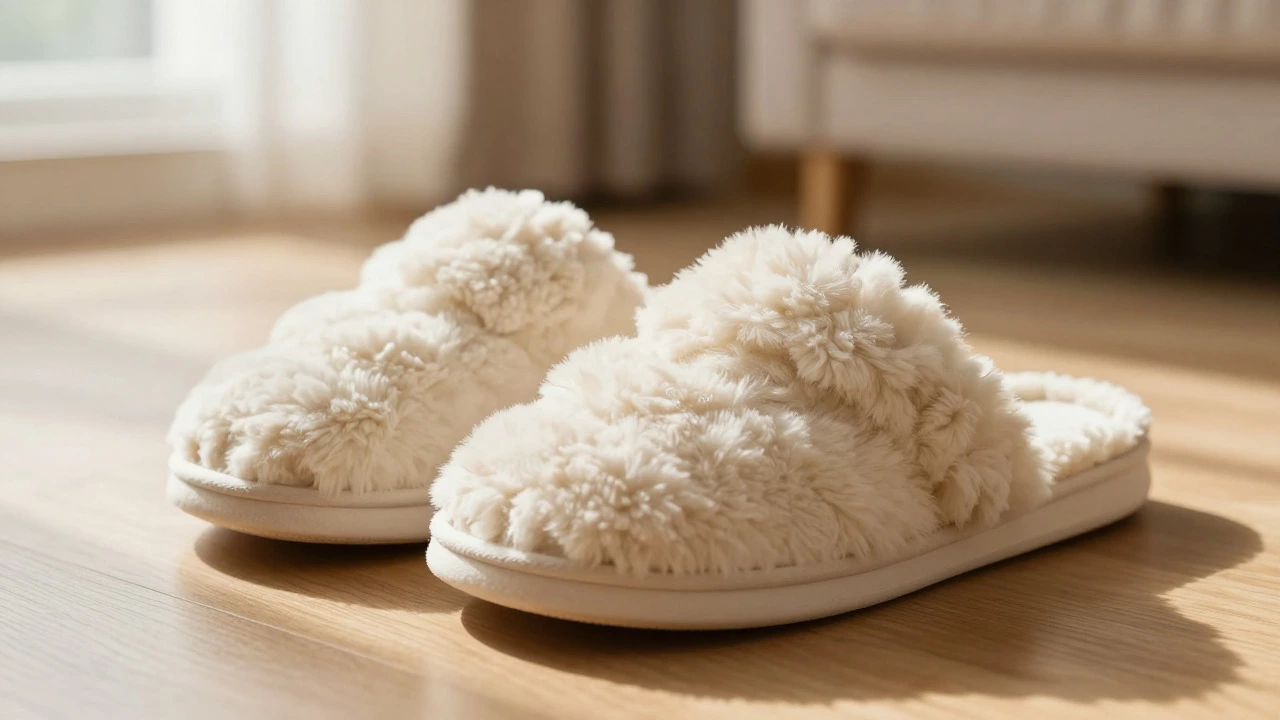
Soft slippers are indoor footwear designed with plush materials like memory foam, fleece, or thick cotton to provide immediate pressure relief. These are the pairs you slide into after a long day at work. They prioritize sensation over structure. When you step into a soft slipper, your foot sinks in. This reduces the impact on your heel and ball of the foot instantly.
Why do people love them? Because they feel good immediately. There is no break-in period. You put them on, and they hug your foot. For people who spend most of their time sitting, standing still, or moving slowly around a small apartment, soft slippers are often the best choice. They keep your feet warm and protected from cold floors without adding bulk.
However, there is a catch. If you have flat feet or high arches, total softness can sometimes lead to fatigue. Without any resistance, your muscles have to work harder to stabilize your ankle. Think of it like lying on a beanbag chair for eight hours. It feels amazing at first, but eventually, your back gets sore. Your feet work similarly. They need some feedback from the ground to know where they are.
The Argument for Harder Soles: Structure and Support
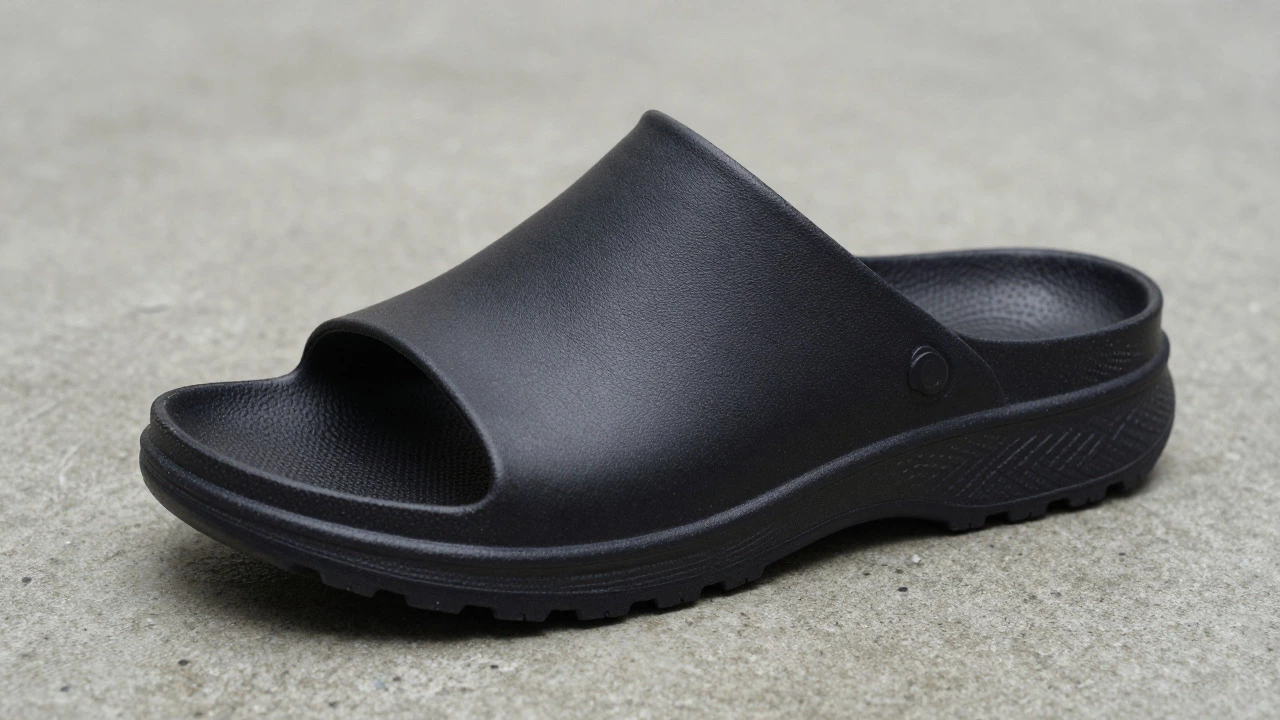
On the other side of the spectrum, we have Firm-soled slippers are footwear with rigid or semi-rigid bases made from rubber, leather, or dense EVA foam to provide arch support and stability. These aren't necessarily "hard" like concrete, but they don't squish when you step on them. They offer a platform. This is crucial if you are walking across a house, going outside to get mail, or spending long periods on your feet.
A firm sole acts as a shock absorber in a different way than a soft one. Instead of letting your foot sink in, it distributes weight evenly. This is particularly important for people with plantar fasciitis or heel spurs. Medical professionals often recommend supportive footwear because it limits excessive stretching of the plantar fascia ligament. If your slipper bends in half easily, it might not be providing enough support for those conditions.
Additionally, durability plays a role here. Harder materials tend to last longer. A soft foam slipper can flatten out after six months of heavy use. A rubber-soled slipper can last for years. If you plan to wear your slippers outside occasionally, a hard sole is non-negotiable for safety and traction.
Matching Sole Stiffness to Your Foot Type
Your anatomy dictates your needs more than your personal preference does. Here is how to match the slipper stiffness to your specific foot shape and lifestyle habits.
- Flat Feet: You generally need more structure. A very soft slipper allows your foot to collapse inward (overpronation). Look for slippers with a defined arch support and a firmer midsole. Avoid completely floppy slippers.
- High Arches: You often lack natural cushioning. Soft slippers can help absorb impact, but ensure the sole isn't too thin. A medium-firm sole with a padded insole is usually the sweet spot. You need protection from the ground hitting your sensitive arch bones.
- Normal Arches: You have the most flexibility. You can likely handle both soft and firm options depending on the activity. Use soft ones for resting and firm ones for active movement.
- Elderly or Balance Issues: Stability is key. A slipper that is too soft can cause your foot to twist. A firm, non-slip sole provides better proprioception (your body's sense of position) and reduces fall risk.
Material Matters: More Than Just Hardness
Hardness is only one part of the equation. The material composition determines how the slipper interacts with your skin and temperature. Let's compare the common materials used in indoor footwear.
| Material | Sole Firmness | Warmth Level | Durability | Best For |
|---|---|---|---|---|
| Memory Foam | Soft/Medium | Medium | Low-Medium | Relaxation, office breaks |
| Natural Rubber | Firm | Low | High | Walking outside, wet floors |
| Fleece/Linen | Varies (often soft) | High | Medium | Cold weather, lounging |
| EVA Foam | Medium-Firm | Low | Medium | Light outdoor use, gym showers |
Notice that material and firmness are linked. Memory foam is inherently soft. Natural rubber is inherently firm. If you want a balance, look for hybrid designs. Many modern slippers feature a soft upper (for warmth and aesthetics) combined with a contoured, firm sole (for support). This gives you the best of both worlds: the cozy feeling of a cloud with the stability of a shoe.
Indoor vs. Outdoor Usage Scenarios
Where do you actually wear these things? This question changes the answer significantly. If your slippers never leave the living room, you can afford to go softer. The floor is predictable, clean, and flat. You don't need traction or structural integrity. You just need comfort.
But if you walk across a kitchen tile floor, head to the garden, or visit neighbors, you need a harder sole. Tile is unforgiving. Grass is uneven. Concrete is hard. A soft slipper offers zero protection against these surfaces. In fact, wearing soft slippers outside can lead to blisters because the fabric rubs against your foot without the structural support to prevent sliding. Always check the sole grip. A hard sole with a textured pattern is essential for safety on slippery surfaces like polished wood or wet stone.
Common Mistakes People Make
Even with this knowledge, people often pick the wrong slippers. Here are the top errors to avoid.
- Buying based solely on looks: That cute pair with the fuzzy lining might have a sole so thin it tears through in a month. Check the bottom before you buy.
- Ignoring width: A hard slipper that is too narrow will pinch your toes. A soft slipper that is too wide will bunch up under your foot. Both cause discomfort. Ensure the fit is snug but not tight.
- Wearing worn-out slippers: Once the foam compresses permanently, the slipper loses its function. If your old slippers feel like cardboard, it’s time to replace them, regardless of whether they were originally soft or hard.
- One-size-fits-all thinking: You might need two pairs. One soft pair for the bedroom and one firm pair for general household duties. This is a smart strategy for maintaining foot health.
How to Test Slipper Comfort Before Buying
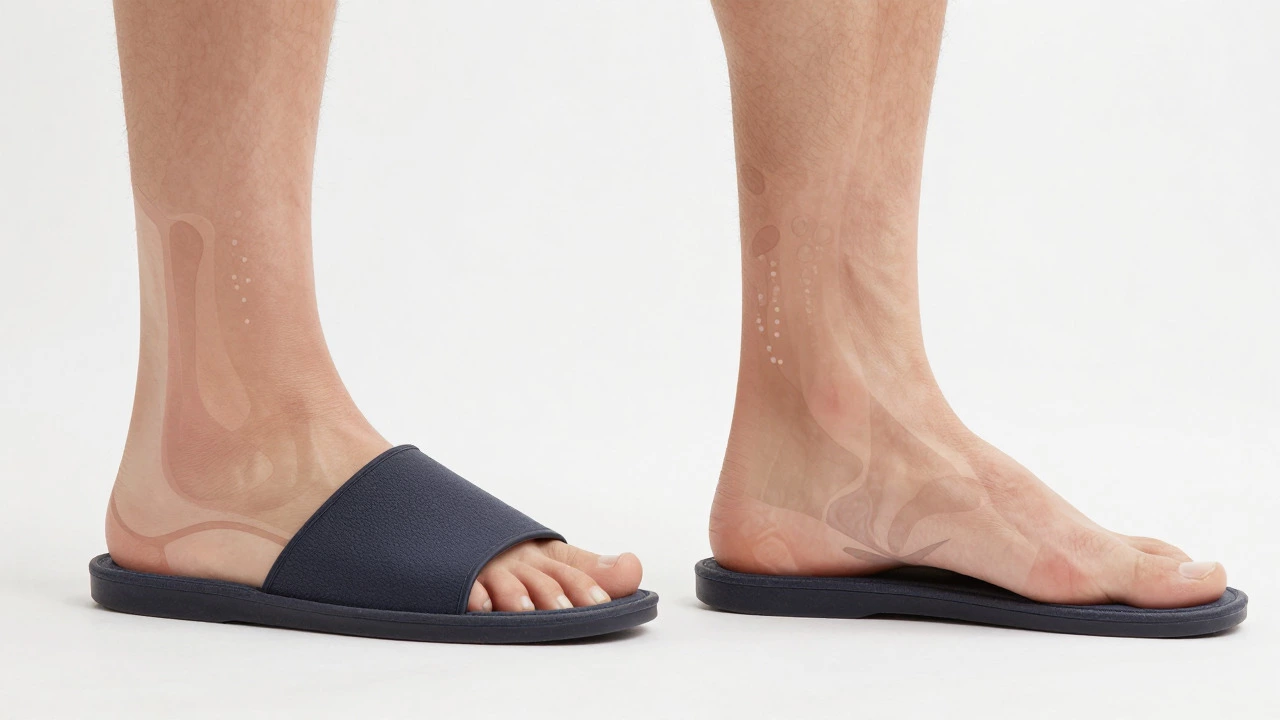
If you are shopping online or in-store, you can perform a quick test to determine if the stiffness level is right for you. 1. The Bend Test: Take the slipper and bend it in half. If it folds completely and stays folded, it is very soft. If it resists bending and springs back, it is firm. Aim for a middle ground if you have mixed usage. 2. The Step Test: Put your foot in. Walk around. Do you feel the floor? If yes, the sole is too thin or hard without cushioning. Do you feel like you're sinking into quicksand? If yes, it might be too soft for stability. 3. The Ankle Wiggle: Stand on one leg in the slipper. Can you wiggle your ankle freely without the slipper twisting? If the slipper twists with your foot, it lacks sufficient lateral support. This is a red flag for anyone with balance concerns.
Final Thoughts on Finding Your Balance
There is no single correct answer to whether slippers should be hard or soft. The ideal slipper matches your specific biomechanics and daily routine. For pure relaxation, lean towards softness. For active movement and foot health, lean towards firmness. Most people find that a hybrid approach-soft upper, structured sole-provides the highest satisfaction. Listen to your feet. If they ache at the end of the day, your current slippers aren't doing their job. Adjust the stiffness until the pain disappears and the comfort remains.
Are hard slippers bad for your feet?
Not necessarily. Hard slippers are beneficial if they provide proper arch support and cushioning. The issue arises when 'hard' means 'flat and unstructured.' A firm sole that supports your natural arch is healthy. A flat, rigid sole that forces your foot into an unnatural position can cause strain.
What is the best material for winter slippers?
For warmth, wool or fleece uppers are excellent. For the sole, a thicker rubber or EVA foam is recommended to insulate your feet from cold floors. A combination of a warm, soft upper and a slightly firmer, insulated sole works best in winter.
Can I wear soft slippers outside?
It is generally not recommended. Soft soles lack traction and durability. They wear down quickly on pavement and offer little protection against debris. If you must go outside, limit it to short distances on safe, dry surfaces.
How often should I replace my slippers?
Every 6 to 12 months for daily drivers. If the sole flattens, the stitching loosens, or the material smells permanently damp, it is time to replace them. Worn-out slippers lose their ability to support your foot properly.
Do orthopedic slippers need to be hard?
Orthopedic slippers typically feature a firm, contoured sole to accommodate custom inserts or provide specific medical support. The firmness ensures that the therapeutic elements of the insole remain effective and do not compress unevenly.