Is $200 Good for a Suit? A Realistic Guide to Quality and Fit
- Cleo Fairchild
- 14 September 2026
- 0 Comments
The $200 Suit Viability Calculator
Article Rule: A $200 suit that fits perfectly beats a $1,000 suit that fits poorly.
Pre-Purchase Inspection Checklist
Fill out the form and click calculate to see if a $200 suit is the right investment for you.
You just got invited to a wedding, or maybe you landed an interview at a firm that actually cares about dress codes. You head to the mall, look at the price tags on suits, and panic sets in. The nice ones are $800. The okay ones are $400. And then there’s the rack of affordable options around $200. Is buying a $200 suit a mistake? Will you look cheap? Or is it totally fine?
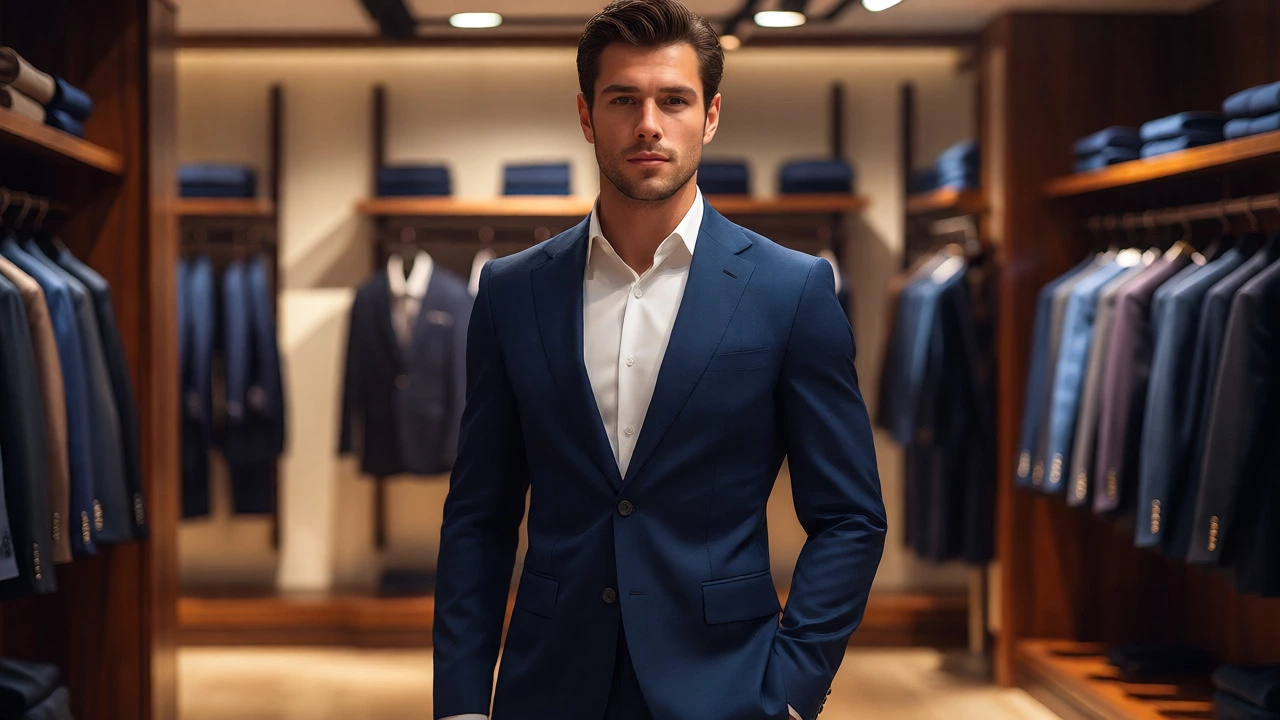
Here is the short answer: Yes, $200 is good for a suit, but only if you know what you’re looking for and where to buy it. At this price point, you aren’t paying for Italian wool or hand-stitched lapels. You are paying for decent construction and a fit that doesn’t scream "off-the-rack disaster." If you treat it right, a $200 suit can pass muster in almost any social setting except perhaps a black-tie gala or a high-stakes boardroom meeting with old-money clients.
The Truth About Materials at This Price Point
Let’s talk fabric because that’s where most people get burned. At $200, you will rarely find 100% pure virgin wool. That usually starts closer to $350-$400. Instead, you’ll mostly see blends. This isn’t necessarily bad. A blend of polyester and viscose (rayon) or even some wool-polyester mixes can hold up well if woven tightly.
What you want to avoid is cheap, shiny polyester that looks like plastic under fluorescent lights. Run your hand over the fabric. Does it feel scratchy? Does it have a weird sheen? Put it down. Look for matte finishes. Some brands now offer "wool-like" synthetics that breathe better than they used to. Just remember: synthetic blends trap heat. If you’re wearing this suit in August without AC, you will sweat through it. For spring, fall, or winter events, though, these blends are durable and wrinkle-resistant, which is a huge plus for travel.
| Price Range | Typical Fabric | Breathability | Durability | Best Use Case |
|---|---|---|---|---|
| $100 - $150 | 100% Polyester / Low-grade Blends | Poor | Moderate (pills easily) | One-off events, tight budgets |
| $150 - $250 | Poly-Viscose, Wool-Poly Blends | Fair | Good | Weddings, Interviews, Office Wear |
| $300+ | 100% Wool, Super 100s-120s | Excellent | High (with care) | Professional, Frequent Wear |
Construction: What Hides Inside the Jacket
Flip the jacket inside out. Look at the lining. In a $200 suit, the lining is usually full-length viscose or polyester. That’s standard. But look at how the buttons are attached. Are they stitched directly to the shell fabric? That’s called "flying buttons," and it’s a sign of speed manufacturing. It means the button might pop off if you cross your arms too aggressively. Not ideal, but fixable.
More importantly, check the shoulder structure. High-end suits use canvas construction (horsehair canvas between the outer fabric and lining) to give shape. Cheap suits use fused construction-glue is ironed onto the fabric. Fused suits can bubble after dry cleaning or heavy sweating. However, modern fusing has gotten much better. A $200 suit from a reputable brand like Suitsupply, Indochino (entry level), or even J.Crew Factory often uses decent fusing that won’t bubble immediately. Just don’t expect it to last ten years.
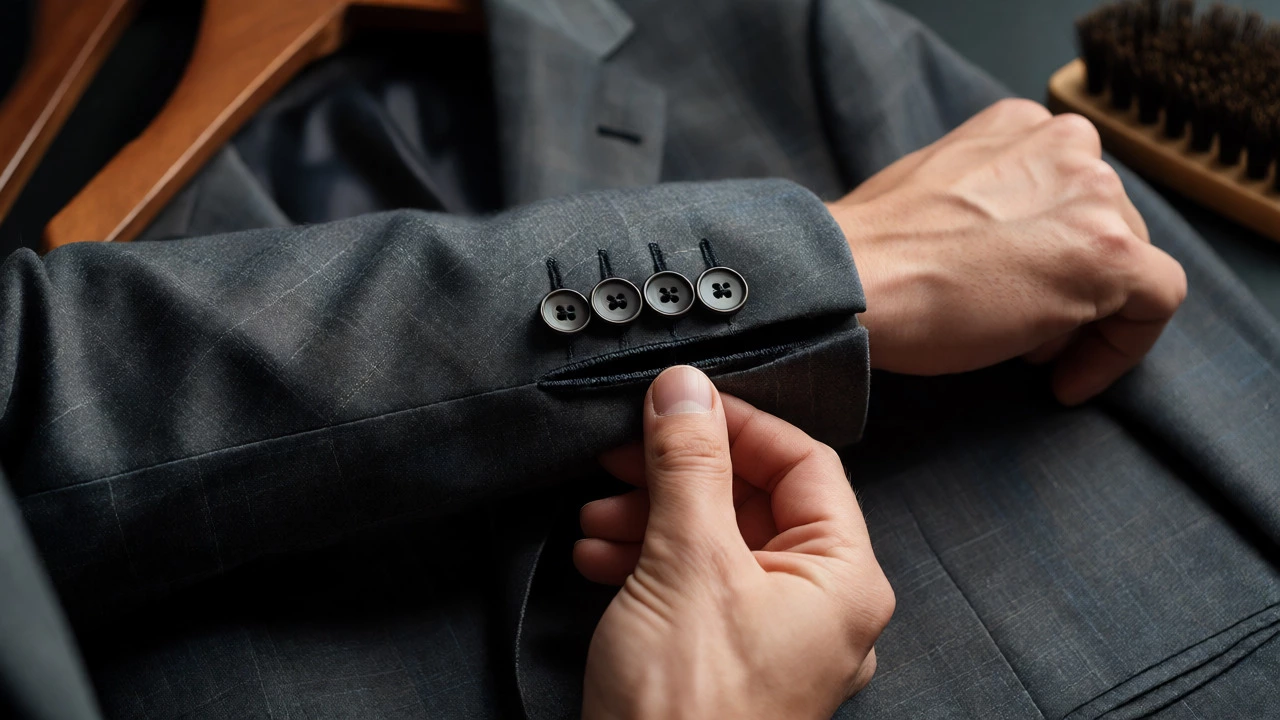
Check the sleeves. Can you adjust the length? Many budget suits have functional cuffs (buttons that actually unbutton). This allows a tailor to shorten the sleeve easily without messing up the buttonholes. If the buttons are sewn shut and glued, it’s harder to alter. Ask before you buy.
Fit Is More Important Than Brand Name
This is the golden rule of menswear: A $200 suit that fits perfectly beats a $1,000 suit that fits poorly every single time. People notice fit first, fabric second, and brand third. If the shoulders fit, you can make the rest work with a local tailor.
When you try on a $200 suit, focus on three areas:
- The Shoulders: The seam should sit exactly at the edge of your shoulder bone. If it droops down your arm, it’s too big. If it digs into your neck, it’s too small. You cannot change shoulders easily. Walk away if this doesn’t fit.
- The Chest: You should be able to pinch about an inch of fabric on each side of your sternum when buttoned. No pulling across the buttons (too tight) and no billowing fabric (too loose).
- The Trousers: Break (where the pants hit the shoe) matters. Aim for a slight break or no break. Too long creates bunching; too short looks trendy but can be awkward for formal events.
Budget $50-$70 for alterations. Shortening sleeves, tapering trousers, and taking in the waist can transform a mediocre off-the-rack suit into something that looks custom-made. Do not skip this step. It is the highest ROI you will get from your clothing budget.
Where to Actually Buy a Decent $200 Suit
Not all stores are created equal. Here is a breakdown of realistic options as of 2026:
Suitsupply is often cited as the king of value. Their entry-level suits sometimes dip below $300, but during sales, you can snag them near $200-$250. They use better fabrics than typical department stores.
Indochino offers made-to-measure online. Base prices start around $399, but they frequently run "buy one get one free" or significant discounts that bring the effective cost per suit down. You need to measure yourself accurately, which adds risk, but the fit potential is higher.
J.Crew Factory and Ralph Lauren Outlet are solid brick-and-mortar options. You can find sales bringing prices to $200. The quality is consistent, and you can try things on. Avoid their basic "Ludlow" style if you want durability; look for their "Twill" or "Wool Blend" lines instead.
H&M Premium Selection has improved significantly. Their slim-fit suits in wool blends often hover around $150-$200. The cut is very modern (slim), so if you have a muscular build, be careful. The sizing runs small.
Avoid generic department store house brands unless they are on deep clearance. The fabric quality varies wildly from batch to batch.
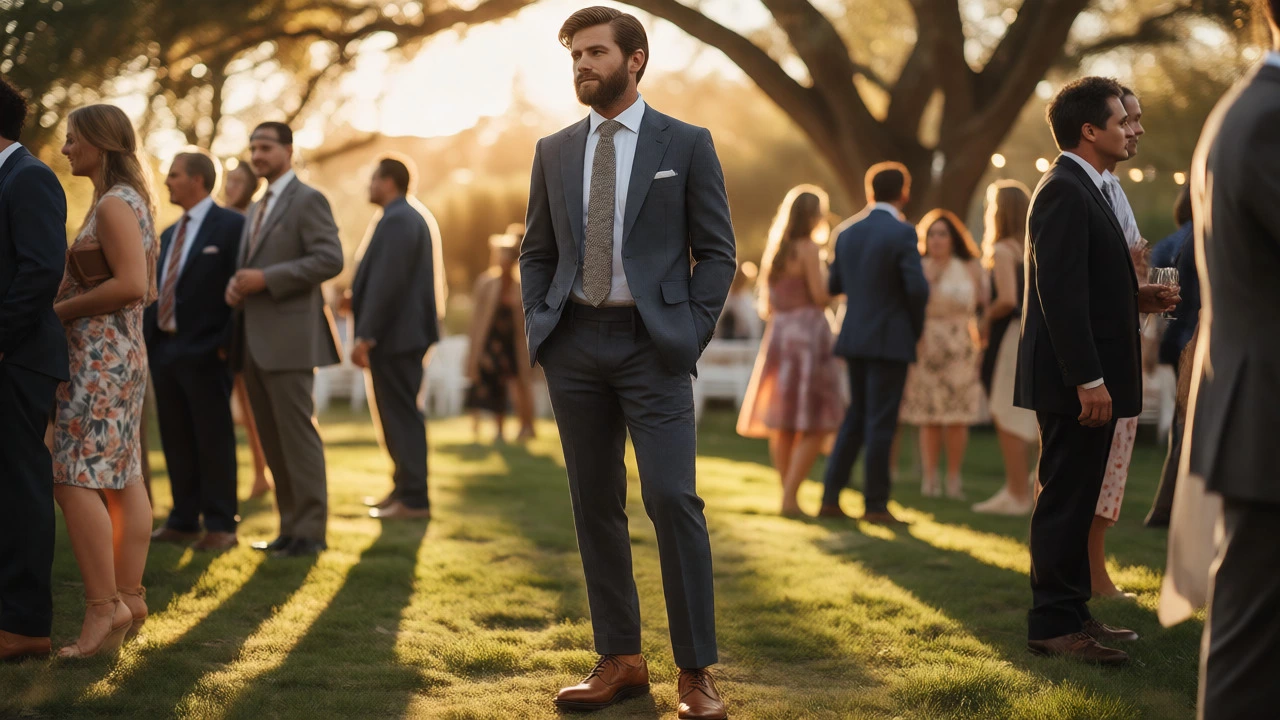
Styling Tricks to Elevate a Budget Suit
You can fool people into thinking your suit costs more than it does. How? Contrast and accessories.
First, ditch the white shirt if you’re trying to hide cheapness. A crisp white shirt highlights every flaw in the suit’s drape. Try a light blue or pale pink shirt. It draws the eye away from the fabric texture and toward the color harmony.
Second, invest in a good tie. A textured tie (knit, grenadine, or repp silk) adds visual interest and covers the chest area where cheap jackets often pull or gap. Spend $30-$50 on a tie. It makes a bigger difference than upgrading the suit by $100.
Third, shoes matter. Do not wear scuffed dress shoes. Clean, polished leather shoes (even inexpensive ones) signal attention to detail. Brown oxfords or derbies pair well with navy or grey suits, adding sophistication without costing extra.
Finally, posture. Stand up straight. Slouching makes any suit look sloppy. Confidence sells the outfit better than thread count ever could.
Care and Longevity: Making It Last
A $200 suit won’t last five years if you abuse it. Dry cleaning is harsh on fused construction. Every time you dry clean, the glue weakens slightly. Spot-clean stains instead. Use a garment brush to remove dust and lint after wearing. Hang it on a wide wooden hanger to maintain the shoulder shape.
Rotate your suits if possible. Don’t wear the same one two days in a row. Wool blends need 24 hours to recover their shape and release odors. If you only have one suit, let it air out on a balcony overnight.
If you plan to wear this suit weekly for work, consider spending $300-$400 instead. The fabric will hold up better against daily friction. But for occasional wear-weddings, interviews, parties-a $200 suit treated with respect will serve you faithfully for several seasons.
Can I wear a $200 suit to a formal wedding?
Yes, absolutely. Most weddings are semi-formal or cocktail attire. As long as the suit fits well and is dark-colored (navy, charcoal, or black), it is appropriate. Guests rarely inspect the fabric weave from three feet away. Focus on grooming and fit.
Will a $200 suit shrink after dry cleaning?
Synthetic blends are resistant to shrinking, but wool blends can shrink slightly if exposed to high heat. Always ask the cleaner to use low heat settings. Better yet, steam it at home to refresh it and spot-clean stains to minimize professional cleaning frequency.
Is it better to buy online or in-store at this price?
In-store is safer for beginners. Trying on allows you to assess the shoulder fit and fabric feel instantly. Online retailers like Indochino offer better customization but require precise self-measurement. If you are unsure about sizing, go to a physical store like J.Crew Factory or Suitsupply.
How many times can I wear a $200 suit?
With proper care (brushing, airing out, minimal dry cleaning), you can get 3-5 years of occasional use (once a month). If worn weekly for office work, expect 1-2 years before visible wear appears on elbows and seats.
Do I need to match the suit to my skin tone?
Less critical at $200 than at luxury levels, but still helpful. Navy and Charcoal Grey are universally flattering. Black is harsh for daytime events and can look like a uniform. Stick to Navy for versatility-it works with almost any shirt and tie combination.