Activewear vs Sportswear: What is the Real Difference?
- Cleo Fairchild
- 23 April 2026
- 0 Comments
Gear Guide: Sportswear or Activewear?
Find the perfect attire based on your activity intensity and goals.
Key Takeaways
- Sportswear is technical gear designed for specific athletic performance and competition.
- Activewear is versatile clothing meant for general physical activity and daily lifestyle.
- The main differences lie in the fabric technology, fit, and intended environment.
- Athleisure is the bridge where activewear meets high fashion.
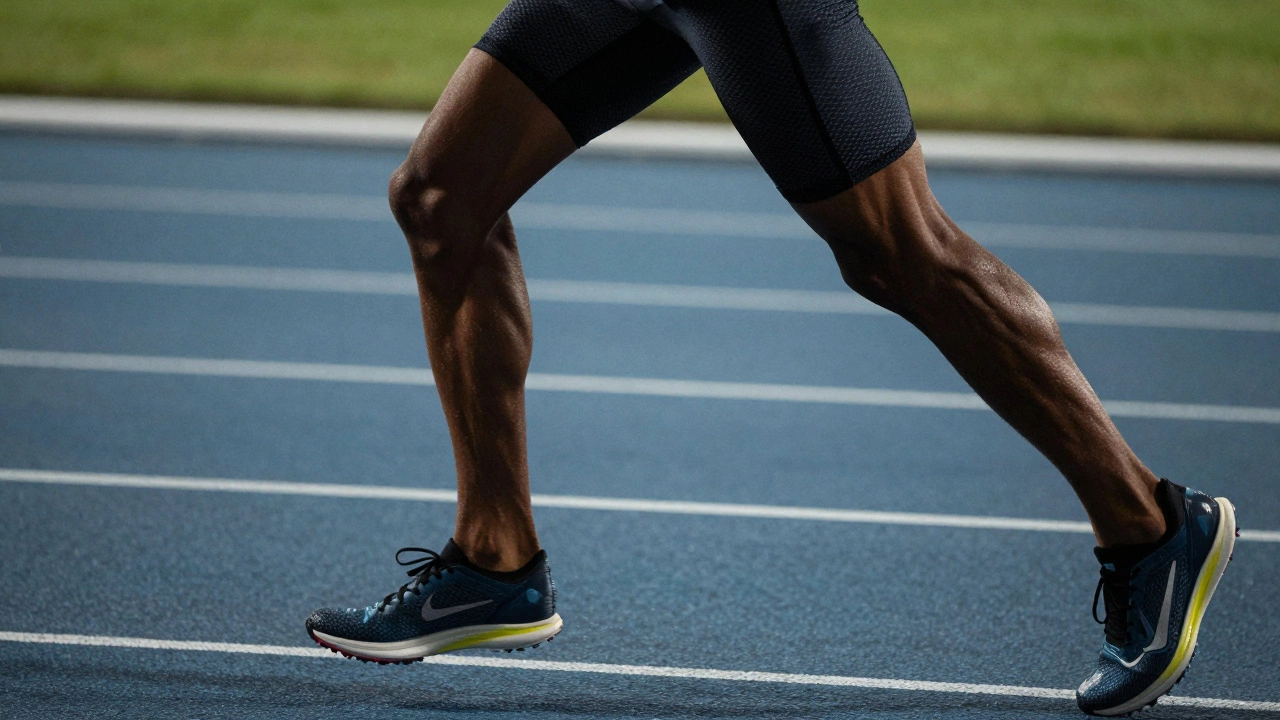
Let's start with the heavy hitter. Sportswear is clothing specifically engineered for a particular sport or athletic activity. It isn't just about looking athletic; it's about performance. Think of a professional swimmer's suit or a football kit. These items are designed to handle extreme conditions, reduce drag, or protect the body from impact. In the world of sportswear, the fabric is a tool, not just a covering.
The Technical Side of Sportswear
When we talk about sportswear, we are talking about precision. A marathon runner doesn't just wear "clothes"; they wear a system. For example, Compression Gear is tight-fitting athletic apparel designed to support muscles and increase blood flow. This isn't about style. It's about preventing muscle oscillation and speeding up recovery. If you've ever worn a professional-grade rash guard for surfing, you know it's designed to block UV rays and prevent board rash-that's sportswear in action.
The materials used here are often high-performance synthetics. You'll see a lot of Polyester and spandex blends that offer maximum elasticity and moisture-wicking properties. The goal is to move sweat away from the skin as fast as possible to prevent overheating. In a high-stakes game or a timed race, a soggy t-shirt is a liability. Sportswear solves that problem with advanced textile engineering.
What Exactly is Activewear?
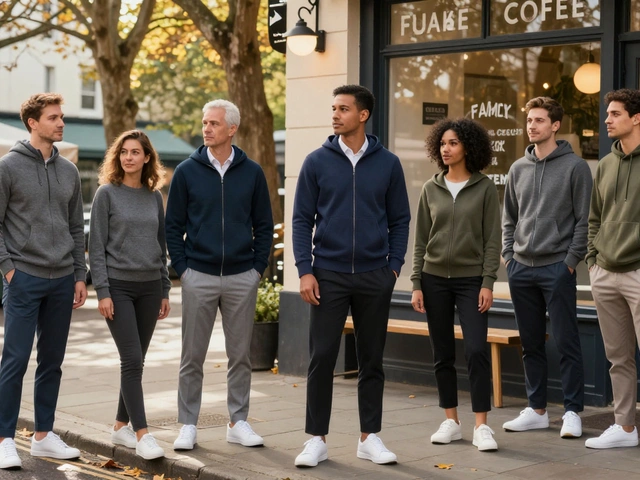
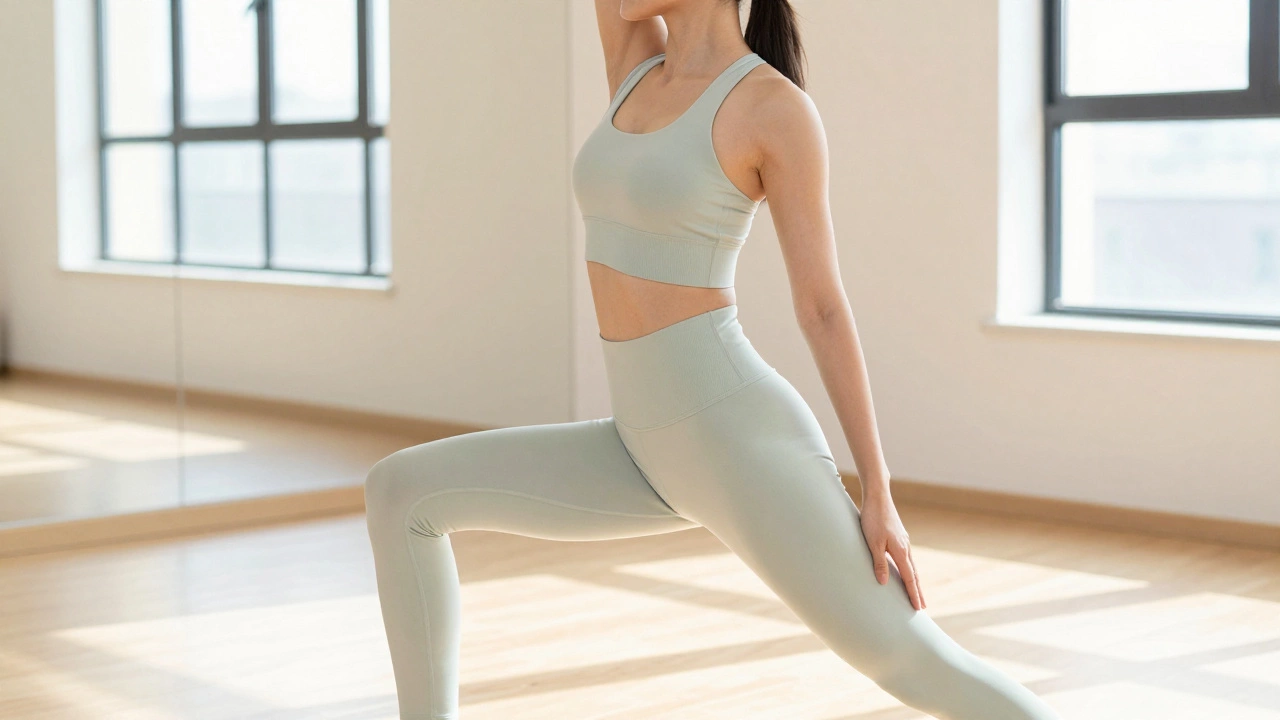
Now, let's pivot. Activewear is a broader category of clothing designed for an active lifestyle, ranging from low-impact exercise to casual wear. If sportswear is the professional athlete's toolkit, activewear is the enthusiast's wardrobe. Your favorite yoga pants, a simple gym tee, or a zip-up hoodie for a brisk walk all fall under this umbrella. It's designed for comfort and versatility.
Activewear doesn't need to be as specialized as sportswear. While it still uses performance fabrics, the focus is on "wearability." You can wear activewear to a Pilates class and then head straight to the supermarket without feeling like you're dressed for the Olympics. It's less about breaking a world record and more about feeling good while moving your body.
The Rise of Athleisure
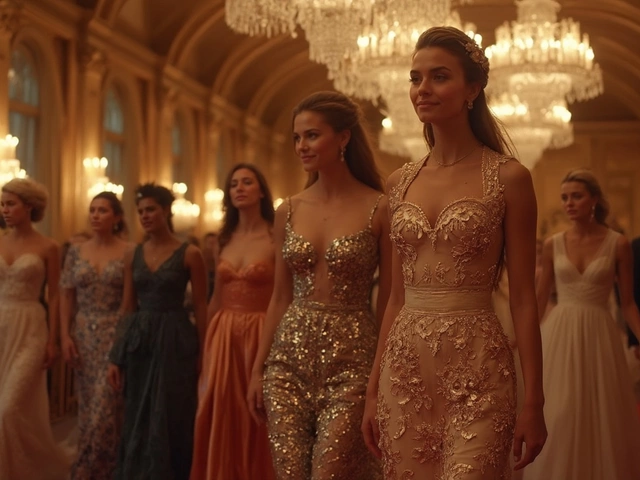
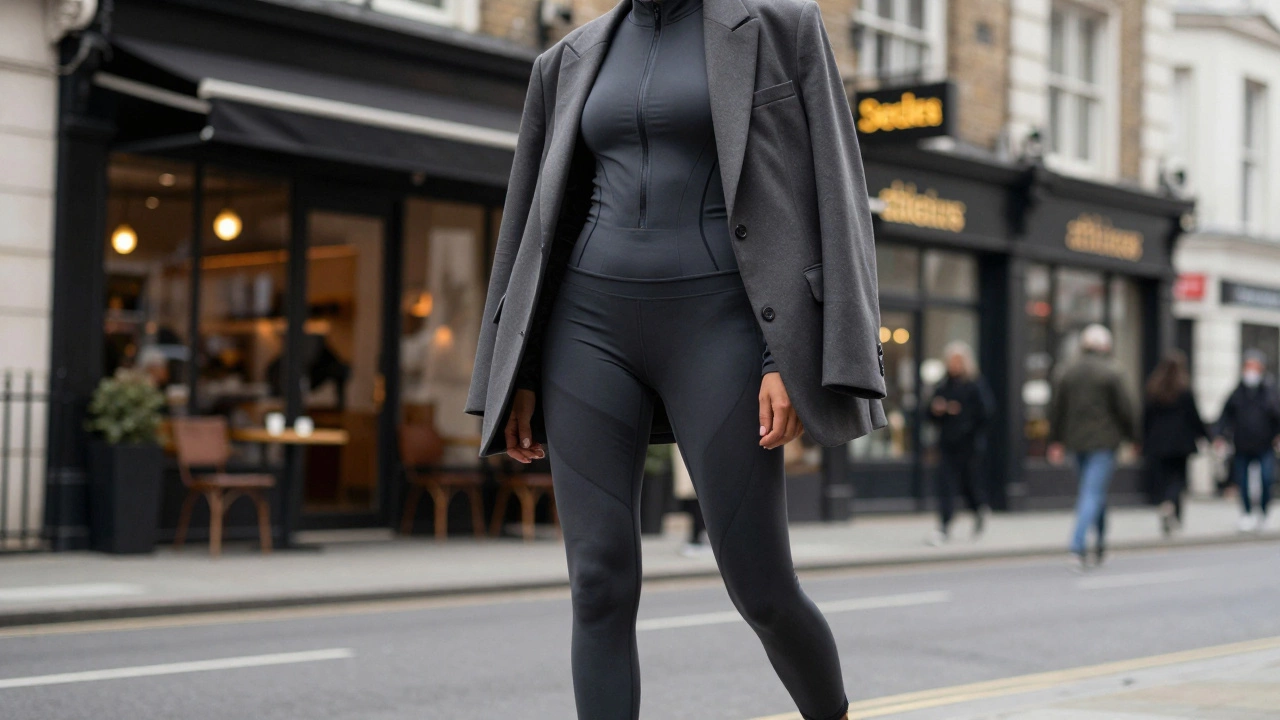
You can't talk about this without mentioning Athleisure. A fashion trend where clothing designed for workouts is worn in non-athletic settings. This is where the lines get truly blurry. Athleisure took the comfort of activewear and added a heavy dose of style. It's the reason why leggings became acceptable in the office (sort of) and why high-end sneakers are now worn with suits.
Athleisure focuses on the "aesthetic" of sport. It uses the same breathable fabrics but cuts them into more flattering, trendy silhouettes. It's a shift in culture. We've moved from "dressing up" for a social event to prioritizing comfort and a "healthy" image. When you see someone wearing matching sets with an oversized blazer, that's the peak of athleisure.
| Feature | Sportswear | Activewear |
|---|---|---|
| Primary Goal | Performance & Competition | Comfort & Versatility |
| Fit | Highly specialized / Compression | Flexible / Relaxed |
| Key Fabrics | Technical synthetics, Gore-Tex, Carbon fiber | Nylon, Spandex, Cotton blends |
| Environment | Pitch, Court, Track, Pool | Gym, Studio, Street, Home |
| Example | Professional Rugby Kit | Yoga Leggings |
How to Choose the Right Gear
So, which one should you actually buy? It depends entirely on what you're doing. If you're training for a triathlon, you need sportswear. You need the aerodynamics, the specific moisture management, and the durability. Wearing basic activewear for a marathon might leave you with terrible chafing and a heavy, water-logged shirt that slows you down.
On the other hand, if your workout consists of a 30-minute jog followed by a trip to the coffee shop, professional-grade sportswear is overkill. You don't need a wind-tunnel-tested jacket for a walk in the park. In this case, high-quality activewear is the smarter choice because it's more breathable for low-intensity movement and looks better in a social setting.
A good rule of thumb is to look at the intensity of the activity. High intensity, high impact, or extreme weather? Go for sportswear. Low to medium intensity or a mix of activity and leisure? Stick with activewear. Just be careful not to confuse a "fashion" gym shirt with a "performance" gym shirt; one is just a piece of cloth, and the other is a piece of technology.
Common Pitfalls in Choosing Gear
One mistake people often make is buying sportswear for a sport they aren't actually playing. For instance, wearing professional cycling jerseys for a casual bike ride to the store. Not only is it uncomfortable for lounging, but the tight fit can be restrictive if you aren't in a cycling posture.
Another trap is the "cotton lure." Many people buy activewear that is heavily cotton-based because it feels soft. But cotton is the enemy of sweat. It absorbs moisture and holds onto it, making the garment heavy and cold. If you're actually working out, always check for a blend of Nylon or polyester, which are synthetic fibers that repel water. If it's 100% cotton, it's loungewear, not activewear.
Can I wear activewear for professional sports?
You can, but you might sacrifice performance. Activewear is great for fitness, but professional sports often require specific features like reinforced stitching for contact sports or extreme aerodynamics for racing, which activewear lacks.
Is athleisure the same as activewear?
Almost. Athleisure is essentially activewear that has been styled for everyday life. While activewear is designed for the gym, athleisure is designed to look like you've been to the gym while you're actually at a cafe.
Which lasts longer, sportswear or activewear?
Generally, sportswear is built to be more durable because it has to withstand the rigors of competitive athletics. However, since activewear is often worn for lower-intensity activities, it may stay in good condition for longer simply because it's under less stress.
Does the fabric really matter for a casual workout?
Yes. Even for a casual workout, using moisture-wicking fabrics prevents skin irritation and helps regulate your body temperature. Wearing a standard cotton t-shirt can lead to overheating or chilling once you stop moving.
How do I know if a garment is truly "technical"?
Check the tag for synthetic blends like polyester, elastane, or nylon. Also, look for specific mentions of "moisture-wicking," "breathable mesh panels," or "four-way stretch." If it only says "cotton blend," it's likely basic activewear or casual wear.
Next Steps for Your Wardrobe
If you're looking to upgrade your gear, start by auditing your current activity level. If you've suddenly taken up a serious sport like tennis or running, invest in a few pieces of actual sportswear-specifically the shoes and the base layers. These are the areas where technical differences actually impact your health and performance.
For everyone else, building a versatile activewear capsule is the way to go. Focus on pieces that transition well. A high-quality pair of black leggings and a few breathable tees will serve you at the gym, on a hike, or during a lazy Sunday. Just remember to keep the professional gear for the professional goals and the comfortable gear for the daily grind.