How to Choose the Perfect Slippers: A Complete Guide for Comfort and Style
- Cleo Fairchild
- 6 August 2026
- 0 Comments
Perfect Slipper Finder
Recommendation
Key Features to Look For:
Answer the questions to generate your personalized slipper recommendation.
There is nothing worse than coming home after a long day, kicking off your shoes, and realizing your slippers are either too flat, too slippery, or just plain uncomfortable. We spend hours walking on hard floors, standing in queues, or lounging on sofas, yet we often treat our indoor footwear as an afterthought. But choosing the right pair of slippers isn't just about looking cozy; it’s about protecting your feet, supporting your posture, and ensuring you stay warm without sacrificing mobility.
If you’ve ever woken up with sore heels or noticed your arches aching by mid-afternoon, your current slippers might be the culprit. The market is flooded with options ranging from cheap foam slides to orthopedic clogs, making the decision overwhelming. This guide breaks down exactly what to look for, helping you match the right style to your lifestyle, floor type, and foot shape.
Understanding Your Foot Needs
Before you even look at styles, you need to understand how your feet function during the day. Feet aren’t static; they swell throughout the day due to gravity and activity. By evening, your feet can be up to half a size larger than in the morning. If you buy slippers that fit perfectly in the morning, they will feel tight and restrictive by nightfall.
Consider your specific foot conditions:
- Flat feet or low arches: You need structured support to prevent overpronation. Look for contoured footbeds rather than flat surfaces.
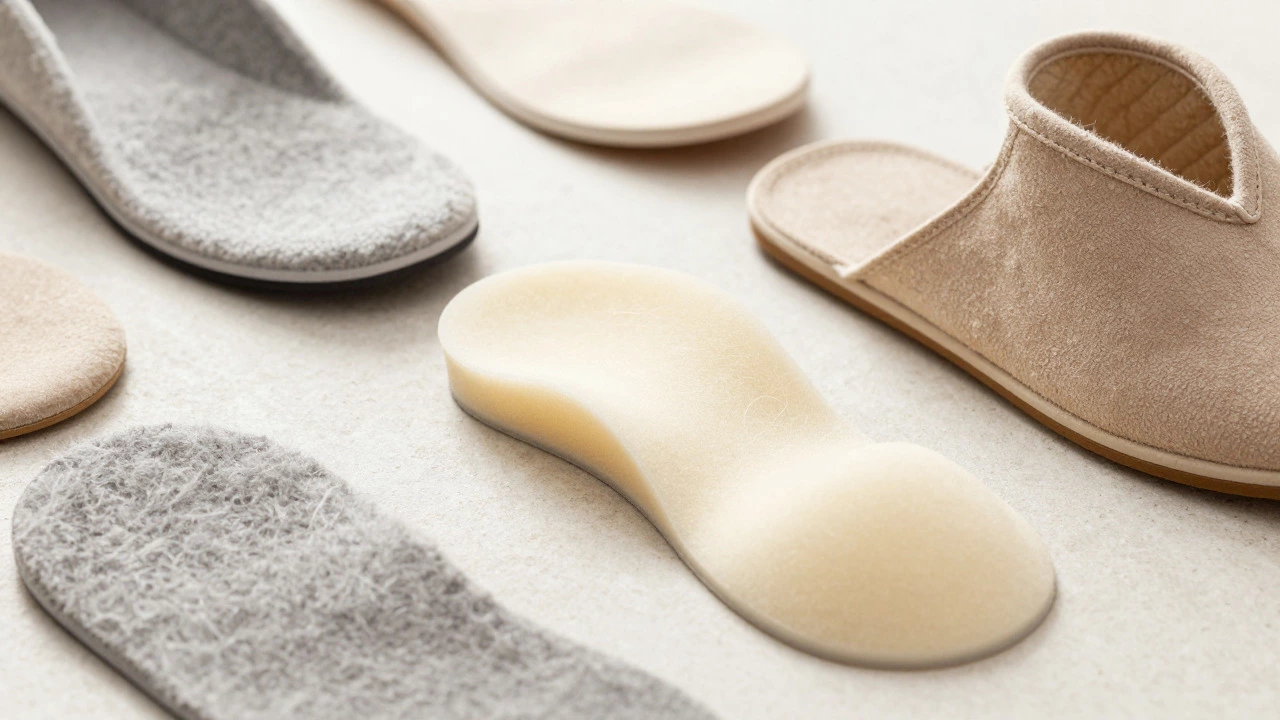
- High arches: You require cushioning to absorb shock. Soft memory foam or gel inserts work best here.
- Wide feet: Avoid narrow toe boxes. Materials like suede or soft leather that stretch slightly are ideal.
- Cold feet: Insulation matters more than style. Wool-lined or fleece-backed options retain heat effectively.
Ignoring these biological realities leads to discomfort. For instance, wearing completely flat, unsupportive slides while standing in the kitchen preparing dinner can strain your plantar fascia, leading to pain similar to plantar fasciitis. Your slippers should act as a bridge between barefoot freedom and shoe-like support.
Material Matters: Breathability vs. Warmth
The material of your slippers dictates not only their look but also their hygiene and longevity. Natural fibers generally outperform synthetics in terms of breathability and odor control.
| Material | Best For | Pros | Cons |
|---|---|---|---|
| Merino Wool | Cold climates, winter use | Naturally antimicrobial, temperature regulating, soft | Can be expensive, requires careful washing |
| Suede | Daily wear, moderate warmth | Durable, stylish, molds to foot shape | Absorbs moisture, stains easily |
| Memory Foam | Arch support, pressure relief | Contours to foot, reduces joint stress | Can flatten over time, less breathable |
| Rubber/Plastic | Bathrooms, wet areas | Waterproof, easy to clean, non-slip | Poor breathability, can cause sweating |
If you live in a humid climate or tend to sweat heavily, avoid synthetic linings like polyester unless they have moisture-wicking technology. Cotton blends are a good middle ground for summer, offering breathability without the chill of bare skin on cold tiles. Conversely, if you struggle with cold toes, Merino wool is unmatched because it traps air pockets that insulate without adding bulk.
Sole Construction: Safety and Support
One of the most overlooked aspects of slipper design is the sole. Many people assume that since they are indoors, traction doesn’t matter. However, hardwood floors, tiled kitchens, and polished concrete can be incredibly slippery, especially if there’s a spill or a pet runs across the room.
Look for soles made from natural rubber or TPU (thermoplastic polyurethane) with a textured pattern. A smooth felt bottom might feel luxurious on carpet but becomes hazardous on any hard surface. Additionally, consider the thickness of the sole. Ultra-thin soles transmit every crack and unevenness in your flooring directly to your bones. A slight elevation-about 1-2 centimeters-provides a buffer against cold floors and minor impacts.
For those who do quick errands, like taking out the trash or grabbing the mail, choose slippers with a reinforced heel and a durable outsole. These "indoor-outdoor" hybrids protect your feet from debris and provide enough structure to walk short distances safely.
Style vs. Function: Finding the Right Fit
Slippers come in various shapes, each serving a different purpose. Here’s how to match the style to your daily routine:
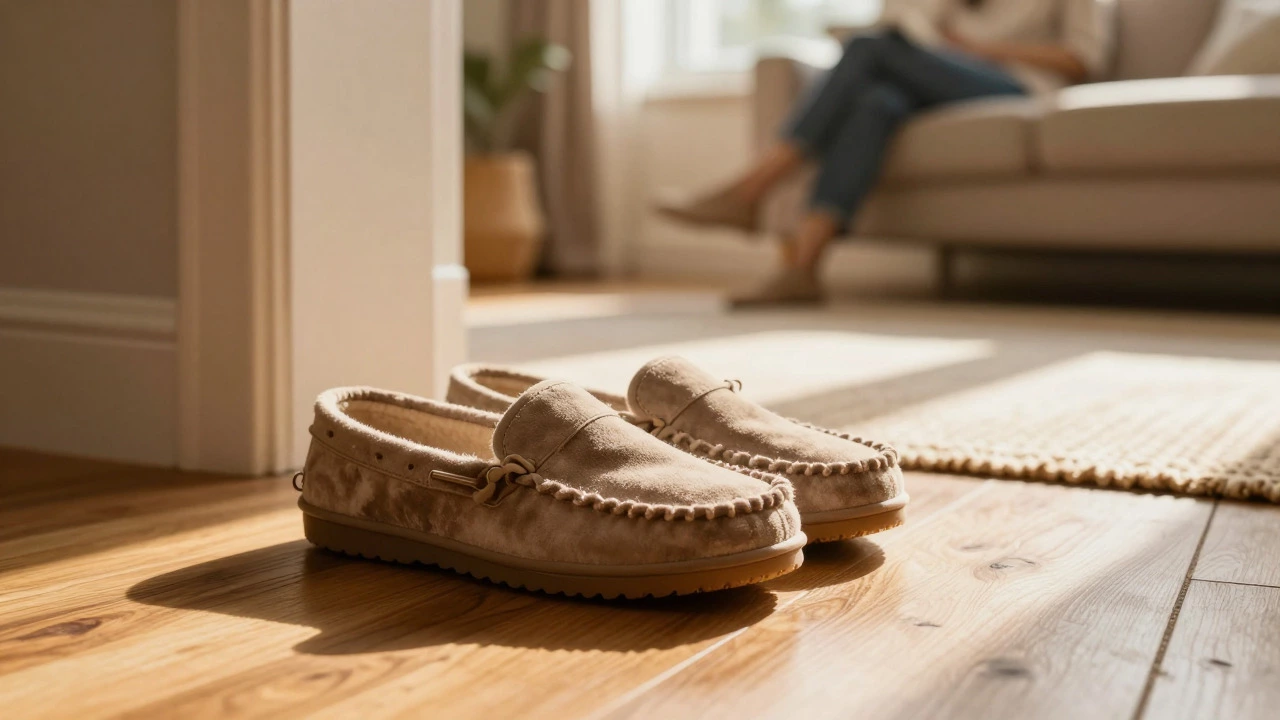
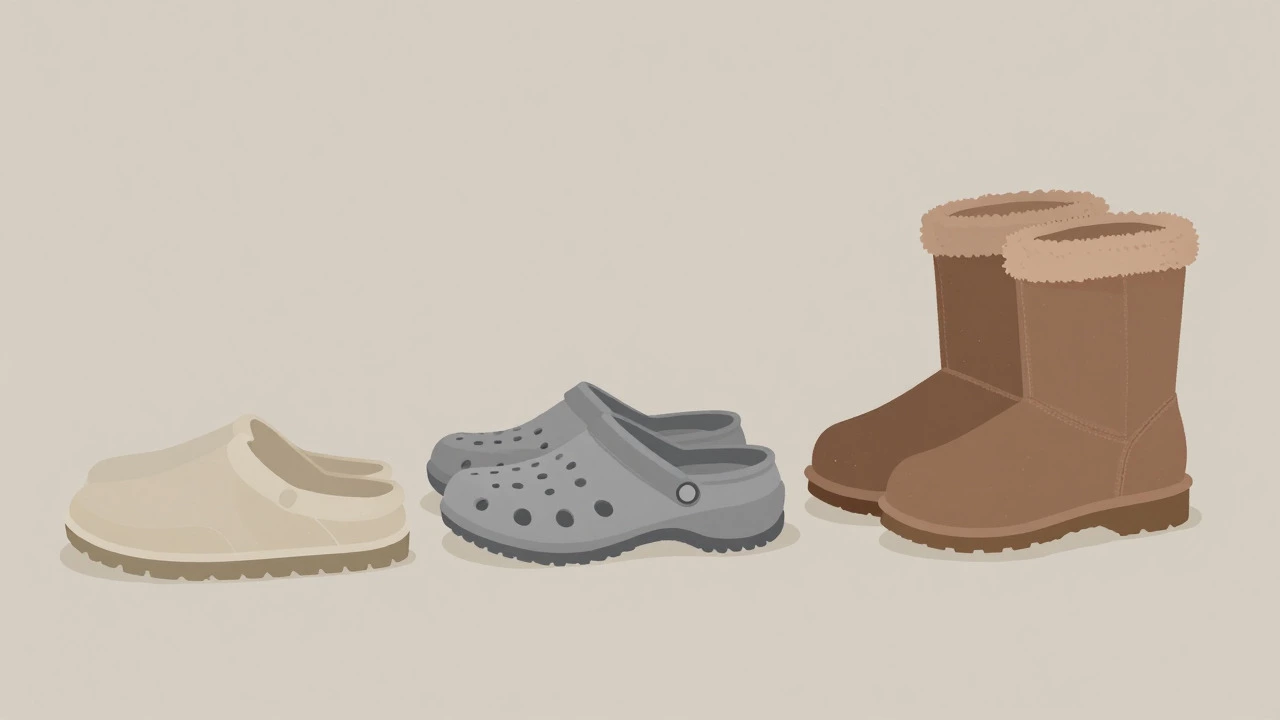
- Moccasin Style: These wrap around the foot and offer the most support. They are ideal for all-day wear, especially if you’re working from home and moving around frequently. The enclosed heel prevents them from slipping off when you walk.
- Slide/Sandal Style: Easy to slip on and off, great for quick transitions. However, they lack heel support, which can lead to toe-gripping as your foot tries to hold onto the sole. Best for sitting or very light movement.
- Clog Style: Often associated with orthopedic brands, clogs provide excellent arch support and ventilation. They are perfect for people with plantar fasciitis or swollen feet, as the open back accommodates swelling.
- Bootie Style: These cover the ankle and provide maximum warmth. Ideal for colder months or homes with poor insulation. They keep drafts out but can feel hot in summer.
Don’t underestimate the importance of the toe box. Pointed-toe slippers may look fashionable but can compress your toes, leading to bunions or hammertoes over time. Always opt for a rounded or square toe box that allows your toes to splay naturally.
Maintenance and Longevity
Even the best slippers degrade if not cared for properly. Most machine-washable slippers lose their shape and support after several cycles. To extend their life, follow these simple rules:
- Air dry only: Heat from dryers shrinks materials and breaks down elastic components. Lay them flat on a towel away from direct sunlight.
- Rotate pairs: Just like shoes, slippers need time to decompress. Having two pairs allows the foam and materials to regain their shape overnight.
- Spot clean stains: For suede or leather, use a specialized cleaner rather than soaking them. Water damage can stiffen the material and make it uncomfortable.
Replace your slippers every 6-12 months, depending on usage. If the memory foam no longer bounces back or the sole is worn smooth, it’s time for an upgrade. Worn-out slippers force your feet into unnatural positions, negating any comfort benefits.
Budget Considerations
You don’t need to spend a fortune to get comfortable slippers, but investing in quality pays off. Cheap slippers under £10 often use low-density foam that flattens within weeks. Mid-range options (£15-£30) typically offer better materials and construction. High-end brands (£40+) often include ergonomic designs developed with podiatrists, which can be worth it if you have chronic foot issues.
Consider where you’ll wear them most. If they’re strictly for bed and sofa, a plush, affordable pair works fine. If you’re walking around the house constantly, invest in a supportive moccasin or clog with a durable sole.
Are slippers bad for your feet?
Not inherently, but poorly designed ones can be. Slippers with no arch support or slippery soles can lead to foot strain, plantar fasciitis, or falls. Choose pairs with contoured footbeds and non-slip soles to protect your feet.
Should I wear socks with my slippers?
It depends on the material and your personal preference. Wool-lined slippers are designed to be worn barefoot for maximum warmth and breathability. Adding socks can trap moisture and cause blisters. However, if your feet sweat heavily, thin cotton socks can help manage moisture.
What is the best type of slipper for plantar fasciitis?
Clogs or moccasins with firm arch support and deep heel cups are best. Brands specializing in orthopedic footwear often design slippers specifically to reduce tension on the plantar fascia. Avoid flat, flexible soles that offer no stability.
How often should I replace my slippers?
Every 6 to 12 months is a good rule of thumb. Check for signs of wear such as flattened insoles, cracked soles, or loss of elasticity. Continuing to wear worn-out slippers can lead to foot pain and posture issues.
Can I wash my slippers in the washing machine?
Only if the label says they are machine washable. Use a gentle cycle and cold water. Always air dry them to prevent shrinking and deformation. Hand washing is safer for delicate materials like suede or wool.