What Are the Most Popular Sports Brands in 2025?

- Cleo Fairchild
- 1 December 2025
- 0 Comments
Sportswear Brand Value Calculator
What Matters Most to You?
Select up to 3 priorities that best match your needs. We'll calculate which brands align with your values.
Your Top Matches
Select your priorities and click "Calculate My Top Matches" to see which brands fit your needs best.
How This Works
Based on 2025 market data and brand performance:
When you lace up your running shoes, throw on a hoodie before the gym, or grab a jersey for a weekend match, you’re not just picking gear-you’re choosing a brand. Some of these names have become so woven into daily life that you don’t even think about them. But not all sportswear brands are created equal. In 2025, a handful dominate the market, not just because of flashy ads, but because they’ve built products people actually trust and wear every day.
Nike: The Giant That Never Sleeps
Nike isn’t just the biggest sports brand-it’s the benchmark. In 2024, Nike generated over $51 billion in revenue, with over 40% of that coming from outside North America. Their Air Max, Air Jordan, and Flyknit lines aren’t just shoes; they’re cultural artifacts. You’ll see them on Olympic athletes, college campuses, and street corners in Lagos, Tokyo, and London.
What keeps Nike on top? It’s not just performance tech. It’s storytelling. The ‘Just Do It’ campaign didn’t just sell sneakers-it sold identity. Whether you’re a pro runner or someone who walks to the bus stop, Nike makes you feel like you’re part of something bigger. Their collaborations with athletes like Serena Williams and LeBron James aren’t endorsements-they’re partnerships that shape product design from the ground up.
Adidas: The Comeback Kid
Adidas lost ground in the U.S. between 2015 and 2020. But by 2023, they turned it around. How? They stopped trying to be Nike and started being Adidas.
The Yeezy collapse didn’t kill them-it freed them. They doubled down on sustainability, launching the Primeblue line made from recycled ocean plastic. Their Ultraboost running shoe now has a 70% recycled content rate. And they leaned into streetwear with the Forum and Superstar, turning classic silhouettes into everyday staples.
In 2024, Adidas sold over 400 million pairs of shoes globally. Their biggest growth came from Europe and Asia, where their focus on minimalist design and comfort won over younger shoppers tired of overbranded gear. They also partnered with Parley for the Oceans, turning plastic waste into performance fabric-something real people can see and feel.
Puma: Quietly Everywhere
Puma doesn’t scream. But you see them everywhere. From the track at your local park to the runway at Paris Fashion Week, Puma quietly slipped into the spotlight.
They’ve mastered the balance between sport and style. Their RS-X and Cali sneakers are worn by influencers and fitness enthusiasts alike. Their partnership with Rihanna’s Fenty line in 2019 didn’t just boost sales-it redefined what a sportswear brand could be. Even today, Puma’s revenue from fashion-forward products is higher than from traditional athletic gear.
They’re also big in motorsports. Puma supplies teams in Formula 1, MotoGP, and NASCAR. That’s not just branding-it’s real-world stress-testing. If a shoe can handle 200 mph corners and 5G forces, it can handle your morning jog.
Under Armour: The Gritty Contender
Under Armour started in a basement in Baltimore with a single idea: make shirts that wick sweat better than cotton. That idea still drives them.
They don’t chase trends. They chase function. Their HeatGear and ColdGear fabrics are used by NFL players, UFC fighters, and CrossFit athletes. Their UA HOVR running shoes have a foam midsole that returns 85% of energy-something you can feel after five miles.
They’re not as flashy as Nike or as trendy as Puma, but they’ve built a loyal following among serious athletes. In 2024, 68% of their U.S. customers bought more than one Under Armour product in a year. That’s not impulse buying-it’s trust.
Lululemon: The Yoga Brand That Broke the Rules
Lululemon didn’t set out to be a global giant. They opened their first store in Vancouver in 1998, selling yoga pants to a niche group of women. Today, they’re worth over $40 billion.
What changed? They didn’t just make leggings-they made a lifestyle. Their Align pant uses a proprietary Luon fabric that’s buttery soft, squat-proof, and holds its shape after 50 washes. Their pricing? High. But their return rate? One of the lowest in the industry-just 8%.
Lululemon’s secret? Community. They host free yoga classes in stores, train ambassadors (not just influencers), and design products based on real feedback from users. Their men’s line, Athleta, now makes up 30% of sales. They didn’t just sell sportswear-they sold belonging.
Other Notable Names
There are others making noise. New Balance, with its Made in USA line, appeals to those who care about craftsmanship and local production. ASICS still dominates the marathon scene with their Gel-Kayano and Nimbus models, loved by runners with overpronation. Skechers has become a surprise player with their memory foam sneakers-comfort-first, no frills, and under $80.
And then there’s Decathlon. You might not think of them as a ‘brand’ like Nike, but they sell more sportswear globally than any other company. Their in-house brands like Quechua and Kalenji offer performance gear at 60% less than premium labels. In France, Spain, and India, they’re the go-to for families who want quality without the markup.
What Makes a Sportswear Brand Popular?
It’s not just who’s spending the most on ads. The brands that win have three things in common:
- Performance that works-If your shoes cause blisters or your hoodie traps heat, you won’t buy it again.
- Design that lasts-Trendy logos fade. Clean lines and quality stitching stay.
- Values you believe in-Sustainability, inclusivity, transparency-these aren’t buzzwords anymore. They’re buying triggers.
Look at the brands that are losing. Those that ignored fit diversity, kept using virgin plastic, or treated customers as numbers. They’re fading fast.
What’s Changing in 2025?
Smart fabrics are here. Nike’s Adapt shoes auto-lace with an app. Adidas has a shoe that changes color with body heat. Lululemon’s new line uses bio-based materials derived from corn and algae.
Secondhand is booming. The global resale market for sportswear hit $30 billion in 2024. Brands like Nike and Adidas now run their own resale platforms. Why? Because customers want to buy less, but better.
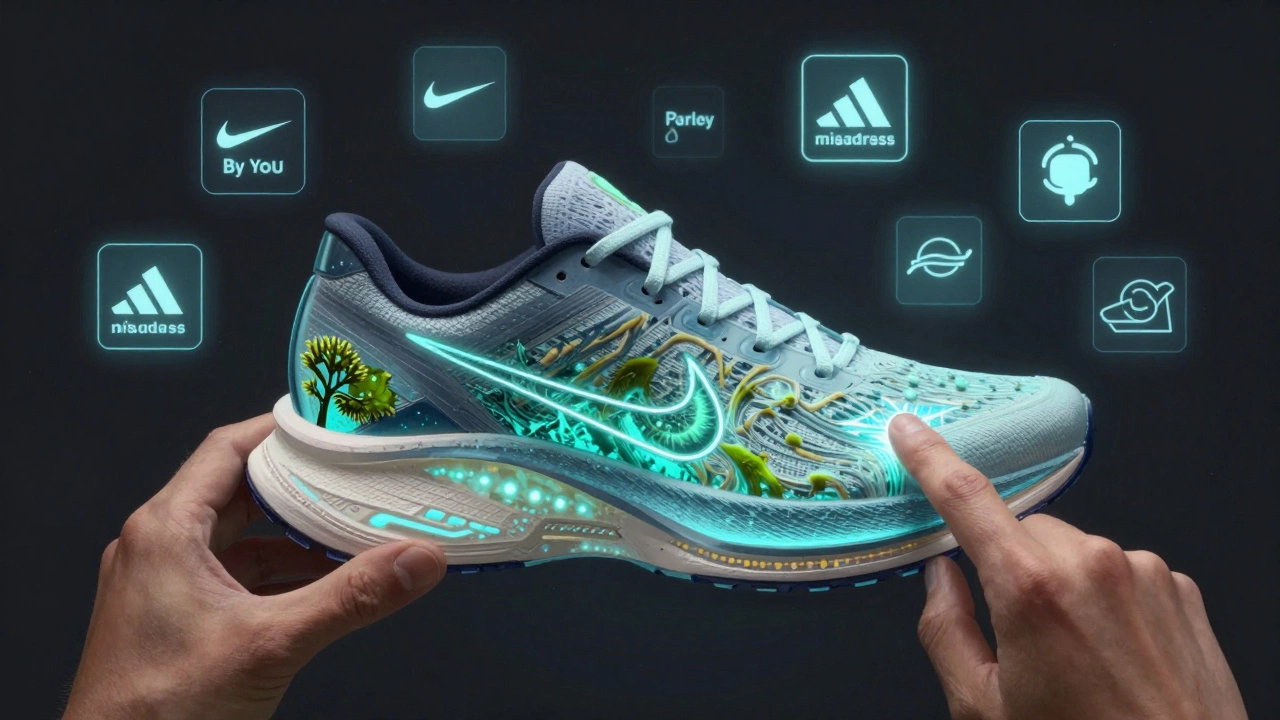
And customization? It’s not a gimmick anymore. Nike By You lets you design your own Air Force 1. Adidas lets you pick the sole, laces, and colorway of your Ultraboost. People aren’t just buying gear-they’re co-creating it.
Final Thought
The most popular sports brands aren’t the loudest. They’re the ones that listen. They don’t just make clothes-they solve problems. Whether it’s keeping you dry during a downpour, supporting your knee on a long run, or helping you feel confident in your own skin.
When you pick a brand, you’re not just choosing a logo. You’re choosing a promise. And in 2025, the brands that keep that promise are the ones still standing.
What is the number one sportswear brand in the world?
Nike is the number one sportswear brand in the world by revenue, market share, and global presence. In 2024, it generated over $51 billion in sales and held more than 27% of the global sportswear market. It leads in both athletic performance and lifestyle appeal.
Is Adidas bigger than Nike?
No, Adidas is not bigger than Nike. Adidas ranked second globally in 2024 with around $24 billion in revenue-less than half of Nike’s. However, Adidas has a stronger presence in Europe and is growing faster in sustainable product lines, making it a close competitor in specific markets.
Are Lululemon products worth the price?
For many people, yes. Lululemon’s Align leggings, for example, are designed to retain shape and softness after repeated washing and intense workouts. Their return rate is under 8%, one of the lowest in the industry, which suggests customers find long-term value. While they cost more upfront, they often last longer than cheaper alternatives.
Which brand is best for running shoes?
ASICS and Nike are the top choices for runners. ASICS’ Gel-Kayano and Nimbus models are favored by long-distance runners for cushioning and arch support. Nike’s ZoomX Vaporfly series is the go-to for competitive runners aiming for personal bests, thanks to its carbon plate and energy-return foam. For everyday runners, Adidas Ultraboost offers balanced comfort and durability.
What sportswear brand is most sustainable?
Adidas leads in sustainability among major brands, with over 70% of its polyester coming from recycled sources in 2024. They’ve partnered with Parley for the Oceans since 2015 and aim to be carbon neutral by 2050. Puma and Nike are also making progress, but Adidas has the most transparent and measurable goals across its supply chain.
Is Under Armour still relevant?
Yes, but differently. Under Armour isn’t dominating fashion or lifestyle markets anymore, but it’s still the go-to for serious athletes. Their compression gear, moisture-wicking tops, and performance footwear are trusted by professional teams and gym-goers who prioritize function over branding. Their focus on science-backed design keeps them relevant in niche but loyal segments.