Evening Dress Length Guide: Floor-Length, Midi, and Tea-Length Explained
- Cleo Fairchild
- 25 May 2026
- 0 Comments
Evening Dress Length Selector
Recommended lengths will be highlighted.
Floor-Length
ElegantTouches the floor
Tea-Length
VintageMid-calf
Midi
ModernBelow knee
Short
PlayfulAbove knee
Select a Dress Length
Click on one of the dress length options to see how well it matches the selected dress code, along with specific styling tips.
Standing in front of a rack of stunning gowns, you might feel paralyzed by one simple question: where should the hemline end? The answer isn't just about what looks good on a hanger. It’s about matching the specific energy of the event, your personal comfort level, and the unspoken rules of the dress code. Get it wrong, and you risk looking underdressed at a black-tie gala or overdressed at a summer garden party. Get it right, and you walk into the room with effortless confidence.
The length of an evening dress is a key element of formal attire that dictates the formality level and style of the outfit is not arbitrary. It signals respect for the occasion. In 2026, while fashion has become more fluid, certain traditions remain strict. Understanding these lengths helps you navigate everything from corporate galas to destination weddings without second-guessing your choice.
The Gold Standard: Floor-Length Gowns
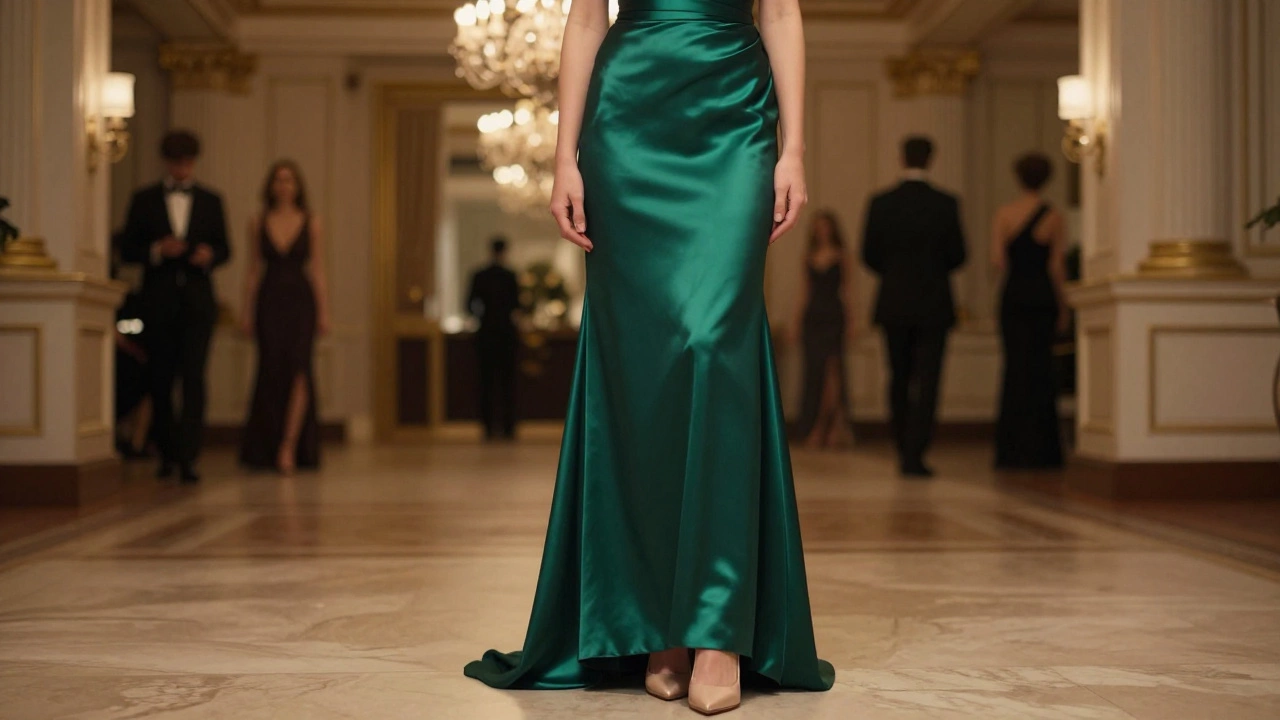
When the invitation says "Black Tie" or "Formal," the expectation is clear: go long. A floor-length gown is an evening dress that touches the floor, typically worn for black-tie events is the safest and most elegant choice for high-stakes occasions. These dresses are designed to create a continuous vertical line, which naturally elongates the silhouette.
But "floor-length" doesn’t mean dragging fabric around like a train unless you’re a bride or a celebrity on a red carpet. For most people, the hem should just kiss the top of your shoes. If you’re wearing heels, the dress should break slightly over the toe of the shoe when standing still. This prevents tripping and keeps the look polished. Satin, silk chiffon, and heavy crepe are common fabrics here because they hold their shape and drape beautifully toward the ground. If you’re petite, don’t shy away from this length. A well-tailored floor-length gown can make you look taller, not shorter, provided the waistline is defined correctly.
The Elegant Middle Ground: Tea-Length Dresses
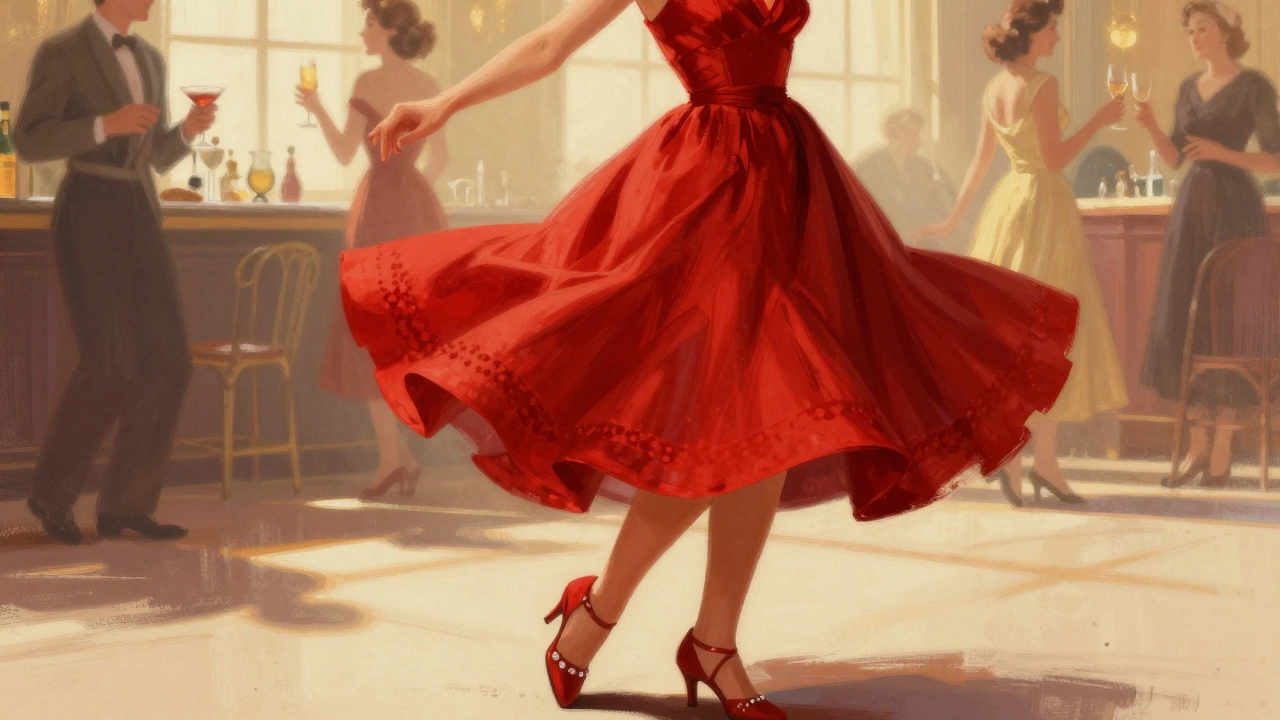
If floor-length feels too restrictive or overly dramatic, consider the tea-length dress is a vintage-inspired evening dress ending mid-calf, popular for semi-formal events. This length hits somewhere between the knee and the ankle, usually resting at the slimmest part of the calf. It’s a style that surged in popularity during the 1940s and has seen a major revival in recent years.
Tea-length is perfect for events labeled "Cocktail Attire" or "Semi-Formal." It strikes a balance between modesty and playfulness. Because it exposes the lower leg, it pairs exceptionally well with statement footwear. Think strappy sandals, embellished flats, or even low block heels. This length is also incredibly practical if you plan to dance all night. You won’t have to worry about managing a sweeping skirt every time you move across the dance floor. However, be mindful of your shoe choice. Since the hem sits above the ankle, your shoes will be on full display. Avoid casual sneakers or scuffed flats; opt for something that complements the elegance of the dress.
Midi Dresses: Modern and Versatile
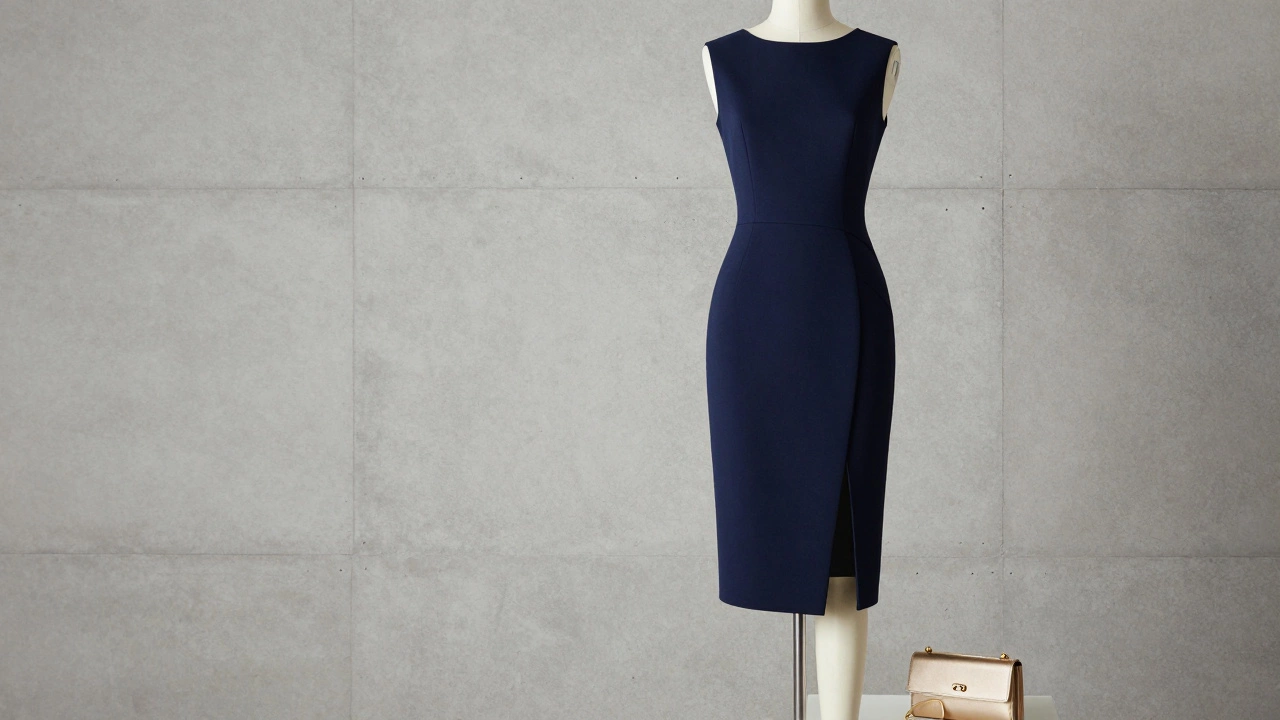
The midi evening dress is a contemporary formal dress ending below the knee but above the calf, suitable for modern cocktail parties has become a staple in modern wardrobes. Unlike the tea-length, which often leans vintage, the midi is sleek, architectural, and very current. It typically ends mid-calf or just below the knee.
This length is ideal for daytime weddings, spring garden parties, or less rigid corporate events. It’s professional enough for a business dinner yet chic enough for a date night. The beauty of the midi lies in its versatility. You can dress it up with metallic accessories and a clutch, or keep it simpler with delicate jewelry. One thing to watch out for with midi dresses is the cut. A straight, column-like midi can sometimes shorten the legs if the hem cuts across the widest part of the calf. Look for styles with a slight A-line flare or a slit to add movement and prevent the look from feeling boxy.
Short Evening Dresses: Bold and Playful
Can you wear a short dress to an evening event? Yes, but only if the dress code allows it. A short evening dress is a mini-length formal dress appropriate for cocktail attire or creative black-tie events is generally reserved for "Cocktail" or "Creative Black Tie" invitations. If the event is strictly "Black Tie," a mini dress might be perceived as too casual or clubby.
However, a well-chosen mini can be incredibly powerful. It highlights your legs and allows for bold patterns, textures, or unique silhouettes that might overwhelm a longer garment. Velvet, sequins, or structured satin work well here. The key is sophistication. Avoid anything that looks like daywear or beachwear. Add height with stilettos and keep accessories minimal to let the dress speak for itself. This length is also great for warmer climates or venues where you’ll be moving around a lot, such as outdoor receptions.
How Body Type Influences Dress Length
Your body shape plays a huge role in how different lengths look on you. There’s no rule that says petite women can’t wear floor-length gowns, but proportion matters. If you’re under 5'4", a floor-length dress with a high waistline creates the illusion of longer legs. Conversely, if you’re tall, a tea-length or midi dress can help break up your height in a flattering way, preventing you from looking like you’re drowning in fabric.
For those with curvier figures, a-line skirts in any length tend to be forgiving and elegant. Straight-cut midi dresses can accentuate curves if tailored correctly. Always consider where the hemline falls relative to your body’s natural lines. A hem that cuts right at the widest part of the thigh or calf can be unflattering. Aim for lengths that skim over these areas rather than ending directly on them.
Dress Code Cheat Sheet
| Dress Code | Recommended Length | Fabric & Style Tips |
|---|---|---|
| White Tie | Floor-Length | Silk, satin, taffeta; ballgown silhouette |
| Black Tie | Floor-Length or Long Midi | Velvet, chiffon, lace; avoid mini dresses |
| Cocktail | Knee-Length to Tea-Length | Structured fabrics, bold colors, playful cuts |
| Semi-Formal | Midi or Knee-Length | Lighter fabrics, floral prints, breathable materials |
| Creative Black Tie | Any Length (with flair) | Unique silhouettes, mixed textures, avant-garde designs |
Practical Considerations: Shoes and Venue
Never choose a dress length without considering your shoes. If you’re buying a floor-length gown, try it on with the exact heels you plan to wear. A dress that pools on the floor in flats will ride up uncomfortably in stilettos. Similarly, for tea-length and midi dresses, ensure the hem doesn’t interfere with your shoe straps.
The venue also dictates length. Outdoor events on grass or uneven terrain require shorter hems or careful hemming to avoid mud stains and tripping hazards. Indoor ballrooms with smooth floors allow for flowing, longer fabrics. If you’re attending a destination wedding in a hot climate, lighter fabrics and slightly shorter lengths can improve comfort without sacrificing elegance.
Troubleshooting Common Fit Issues
If your floor-length dress drags, take it to a tailor immediately. Hemming a gown is standard practice and ensures a clean finish. If a midi dress feels too short, consider adding a subtle side slit to adjust the visual length. For tea-length dresses that bunch up, check the waistband fit; a too-tight waist can push fabric downward, altering the intended hemline. Always move around in the dress before the event. Sit, walk, and climb stairs to ensure the length remains comfortable and secure throughout the night.
Is a midi dress appropriate for a black-tie event?
Generally, no. Black-tie events traditionally expect floor-length gowns. A midi dress may be perceived as underdressed unless it is exceptionally elegant, made of luxurious fabric, and paired with sophisticated accessories. When in doubt, opt for floor-length to show respect for the formality of the occasion.
What is the difference between tea-length and midi dresses?
Tea-length dresses typically end mid-calf and often have a vintage, fuller skirt silhouette. Midi dresses are more modern, usually ending just below the knee or mid-calf, and feature sleeker, more structured cuts. Tea-length is often associated with 1940s style, while midi is a contemporary favorite.
Can I wear a short dress to a wedding?
Yes, if the dress code is "Cocktail" or "Semi-Formal." Avoid mini dresses for "Black Tie" or "Formal" weddings. Ensure the short dress is elegant and not overly revealing. Pair it with sophisticated heels and jewelry to elevate the look.
How should a floor-length gown fit with heels?
The hem should just touch the top of your shoes when standing still. It should not drag on the floor, which can cause damage and tripping hazards. If you wear multiple heel heights, aim for a fit that works with your most likely pair, or have the dress professionally hemmed for the specific shoes you’ll wear.
Are tea-length dresses suitable for petite women?
Yes, but proportion is key. Petite women should look for tea-length dresses with a defined waist and a skirt that doesn’t overwhelm their frame. A-line or slightly flared cuts work best. Avoid excessive volume or heavy fabrics that can shorten the appearance of the legs.