What is the Softest Leather for Shoes? A Complete Guide to Comfort
- Cleo Fairchild
- 11 June 2026
- 0 Comments
Softest Leather Selector for Shoes
Find the perfect balance of softness and durability based on your lifestyle and climate.
There is nothing quite as disappointing as buying a beautiful pair of shoes only to find they feel like wooden blocks on your feet. You want that luxurious, glove-like fit from day one, not a painful two-week battle against stiff material. If you are looking for immediate comfort, understanding leather types is the key. Not all hides are created equal, and some are naturally much softer than others.
The short answer? Lambskin is generally considered the softest leather available for footwear. It offers an incredibly plush feel right out of the box. However, it isn't always the best choice for every situation due to its delicacy. Calfskin and suede are close contenders, each offering different balances of softness, durability, and style. Let’s break down exactly which leather suits your needs, so you don’t end up with blisters or broken shoes.
Why Lambskin Takes the Crown for Softness
When we talk about pure tactile softness, Lambskin is a premium leather derived from young sheep, known for its exceptionally fine grain and buttery texture. Because the animal is young, the hide has fewer collagen fibers packed tightly together, resulting in a material that is thin, flexible, and incredibly supple.
If you have ever worn high-end fashion boots or delicate dress shoes, chances are they were made from lambskin. The benefits are obvious:
- Instant Comfort: There is virtually no break-in period. They mold to your foot shape immediately.
- Lightweight: The thinness of the hide makes the shoe feel lighter on your foot.
- Elegant Drape: It creates clean lines and smooth silhouettes without bulky creasing.
However, there is a trade-off. Lambskin is fragile. It scratches easily, tears if caught on something sharp, and can be sensitive to water. If you live in a rainy city like Bristol, where I’m writing this, wearing unlined lambskin shoes in a downpour is a recipe for disaster. It is best reserved for indoor events, dry weather, or occasions where style takes precedence over rugged utility.
Calfskin: The Best Balance of Soft and Strong
If lambskin is too delicate for your lifestyle, Calfskin is leather from young cattle, offering a superior balance of softness, durability, and structure. This is the most common leather used in quality footwear, and for good reason. While not as impossibly soft as lambskin, high-quality full-grain calfskin is still remarkably comfortable.
The difference lies in the grain. Calfskin has a tighter, more uniform grain pattern than older cowhide. This allows tanners to finish it in ways that enhance softness without sacrificing strength. You will often see terms like "buttery calfskin" or "silk calf" in product descriptions. These refer to specific finishing processes that buff and oil the leather to achieve a hand-feel closer to lambskin but with the toughness of cowhide.
| Leather Type | Softness Level | Durability | Best For |
|---|---|---|---|
| Lambskin | Very High | Low | Fashion boots, dress shoes, dry climates |
| Calfskin | High | High | Daily wear, office shoes, versatile use |
| Suede (Calf) | Medium-High | Medium | Casual shoes, loafers, autumn/winter |
| Kidskin | Very High | Low-Medium | Luxury gloves, ultra-fine accessories |
Calfskin holds its shape better than lambskin. If you need shoes that look sharp after a long day of walking, calfskin is your best bet. It resists scuffing better and can handle occasional rain with proper waterproofing sprays. For most people seeking the "softest" leather that doesn't fall apart after a month, premium calfskin is the sweet spot.
Suede: The Napped Alternative
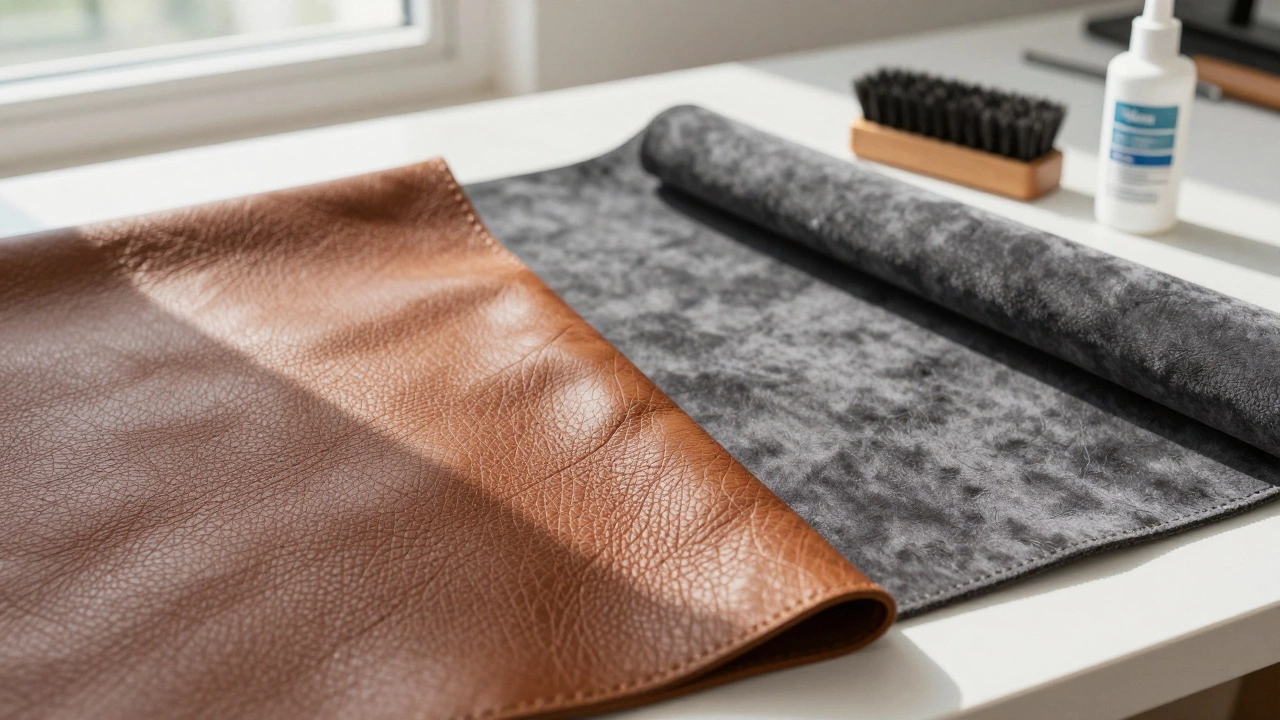
Don’t overlook Suede is the inner split of a leather hide, usually lamb or calf, brushed to create a soft, velvety nap. While technically not a separate type of animal hide, suede processing changes the feel entirely. Suede is inherently softer to the touch than smooth leather because the brushing process breaks down the surface fibers.
Suede shoes, particularly those made from calf suede, offer a unique kind of comfort. The napped surface is gentle against the skin, reducing friction points that cause blisters. They also tend to be more breathable than smooth leathers. However, suede is notorious for being difficult to maintain. Water spots, salt stains, and dirt show up instantly. You need to commit to regular brushing and protective spraying if you choose this route.
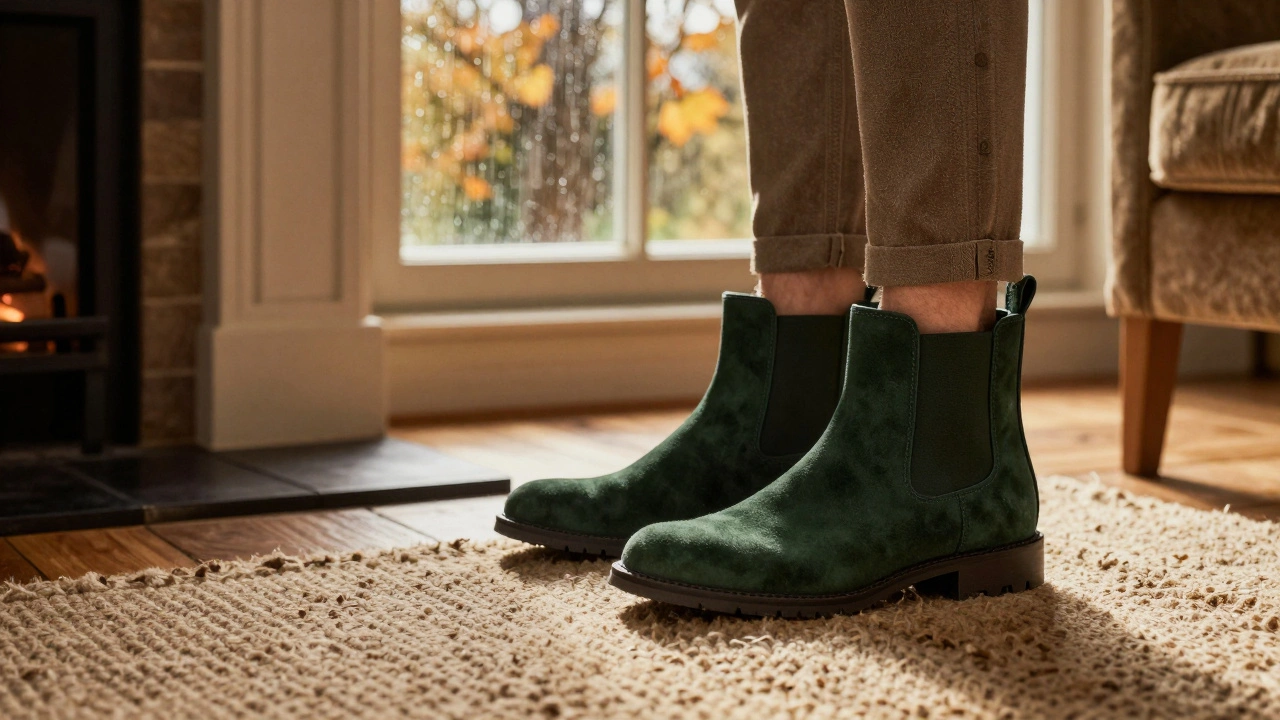
For casual footwear like Chelsea boots or loafers, suede provides a relaxed, soft aesthetic that feels less formal and more inviting than polished calfskin.
Other Contenders: Kidskin and Deer Skin
You might occasionally hear about Kidskin is leather from young goats, historically prized for making soft gloves and fine footwear. Despite the name, it has nothing to do with children. Kidskin is incredibly fine and durable for its thickness. It is often used in luxury driving shoes or moccasins. It is softer than standard cowhide but slightly more robust than lambskin.
Another hidden gem is Deer Skin is a natural leather from deer hides, known for its extreme suppleness and moisture-wicking properties. Deer skin is naturally oily, which makes it water-resistant and incredibly soft. It is often used in traditional mocassins and hiking boots because it requires zero break-in time. If you can find deer skin shoes, they are worth trying for pure comfort, though they are less common in mainstream retail.
How Tanning Affects Softness
The type of animal is only half the story. How the leather is processed matters just as much. Two main methods dominate the industry:
- Chrome Tanning: This method uses chromium salts and is faster. It typically results in a softer, more pliable leather that is resistant to heat and water. Most modern soft shoes, especially sneakers and casual styles, use chrome-tanned leather.
- Vegetable Tanning: This uses natural tannins from trees. It produces a firmer, stiffer leather that develops a patina over time. While vegetable-tanned leather can be softened with oils and wear, it starts much stiffer than chrome-tanned alternatives.
If softness is your priority, look for chrome-tanned options or vegetable-tanned leathers that have been "oiled" or "finished" for extra suppleness.
Tips for Maximizing Comfort
Even the softest leather can cause discomfort if the shoe construction is poor. Here is how to ensure you get the most comfort from your purchase:
- Check the Lining: A soft outer leather paired with a rough synthetic lining will still hurt. Look for shoes lined with leather or breathable mesh.
- Insoles Matter: Replace cheap foam insoles with memory foam or cork orthotics. This adds cushioning that complements the soft upper.
- Break Them In Slowly: Even soft leather needs to stretch. Wear them around the house for an hour or two before taking them out for a full day.
- Use Leather Conditioner: Keeping the leather hydrated prevents it from drying out and becoming stiff. Apply a conditioner every few months.
Common Mistakes to Avoid
Many shoppers assume that "genuine leather" means soft leather. It doesn’t. Genuine leather is a marketing term that often refers to lower-quality splits or bonded leather, which can be stiff and prone to peeling. Always look for specific terms like "full-grain," "top-grain," or the specific animal source (e.g., "lambskin," "calfskin").
Also, avoid sizing down for a "snug" fit. Leather stretches, but it stretches minimally. If a shoe is tight when you buy it, it will likely remain uncomfortable. Aim for a fit that feels good immediately, with just a tiny bit of room for expansion.
Is lambskin leather durable enough for daily wear?
Lambskin is not ideal for heavy daily wear, especially in wet or muddy conditions. It is prone to scratching and tearing. It is best suited for occasional wear, formal events, or dry climates where you can protect it from the elements.
Which leather is best for wide feet?
Calfskin and suede are excellent choices for wide feet. Calfskin offers some stretch while maintaining structure, and suede is naturally flexible. Avoid stiff vegetable-tanned leathers unless you are willing to go through a long break-in period.
Can you soften stiff leather shoes at home?
Yes, you can use leather conditioners, mink oil, or even a hairdryer with thick socks to gently stretch and soften stiff areas. However, excessive heat can damage the leather, so proceed with caution and test any product on a small area first.
Is suede easier to clean than smooth leather?
No, suede is generally harder to maintain. Smooth leather can be wiped with a damp cloth, but suede requires specialized brushes and erasers to remove dirt and restore the nap. Water stains are also more visible on suede.
What is the difference between full-grain and top-grain leather regarding softness?
Full-grain leather retains the natural grain and is often thicker and stiffer initially but becomes softer with age. Top-grain leather has the surface sanded off to remove imperfections, making it thinner and softer right out of the box, though it may lack the same longevity as full-grain.