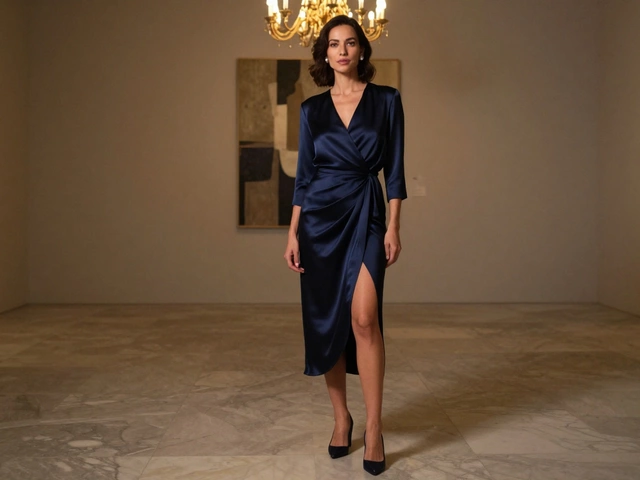
Dress vs. Evening Gown: Key Differences Explained
- Cleo Fairchild
- 17 September 2026
- 0 Comments
Dress vs. Evening Gown Guide
Not sure if your outfit is a "Day Dress" or an "Evening Gown"? Answer the questions below to get a tailored recommendation.
Assess Your Garment
Select options from the left to see how your garment is classified.
You’re staring at two outfits in your closet. One looks like a standard dress you’d wear to brunch. The other is floor-length, shimmering under the light, and feels heavier than it looks. You know one belongs at a gala and the other at a coffee date, but why? Is it just the length? Is it the fabric? Or is there a hidden rulebook you missed?
The confusion between a regular dress and an evening gown trips up even seasoned shoppers. It’s not just about looking fancy; it’s about respecting the event’s context. Wearing a sundress to a black-tie wedding can feel as awkward as showing up in jeans to a board meeting. Let’s break down exactly what separates these two garments so you never have to guess again.
The Core Definition: What Makes a Dress a Dress?
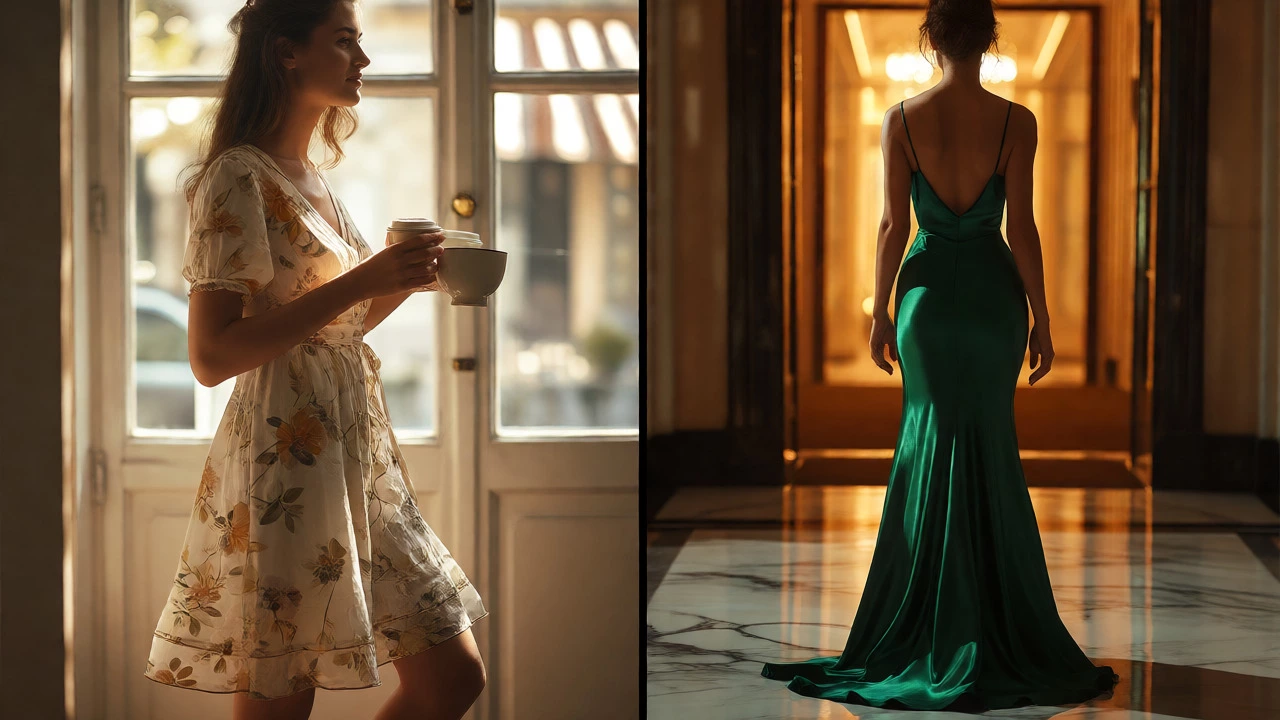
A dress is a one-piece garment that covers the torso and extends downward to cover part or all of the legs. That’s the broad definition. But in everyday language, when people say "dress," they usually mean daywear or casual attire. Think cotton shifts, floral prints, knee-length cuts, and breathable fabrics. These pieces are designed for comfort, movement, and versatility. You can wear them to work, the grocery store, or a casual dinner.
An evening gown, however, is a specific subtype of dress reserved for formal occasions after sunset. It isn’t just a longer version of a daytime dress; it’s constructed differently. The silhouette is often more structured, the fabrics are more luxurious, and the detailing is far more intricate. While a dress might prioritize ease, an evening gown prioritizes impact. It’s meant to be seen, photographed, and admired under artificial lighting.
Fabric Choices: Comfort vs. Luxury
The most immediate difference you’ll notice is the material. Daytime dresses rely on practicality. Cotton, linen, jersey, and synthetic blends dominate this space because they resist wrinkling, breathe well, and are easy to wash. If you spill coffee on a cotton dress, you toss it in the washing machine. Done.
Evening gowns use fabrics that drape beautifully and catch the light. Silk, satin, chiffon, velvet, taffeta, and organza are staples here. These materials are delicate. They wrinkle if you sit on them wrong, stain easily, and often require professional dry cleaning. Why pay for silk? Because it moves with your body in a way polyester never will. When you walk into a ballroom, the fabric should flow behind you like water. A stiff cotton skirt just doesn’t do that.
| Feature | Day Dress | Evening Gown |
|---|---|---|
| Common Fabrics | Cotton, Linen, Jersey, Denim | Silk, Satin, Velvet, Chiffon, Taffeta |
| Maintenance | Machine Washable | Dry Clean Only |
| Weight | Lightweight | Medium to Heavy |
| Durability | High (Daily Wear) | Low (Occasional Wear) |
Length and Silhouette: Where the Hemline Matters
Length is the easiest visual cue, but it’s not absolute. Most day dresses end above the knee, at the knee, or mid-calf (midi). This allows for freedom of movement. You can cross your legs, climb stairs, and dance without tripping.
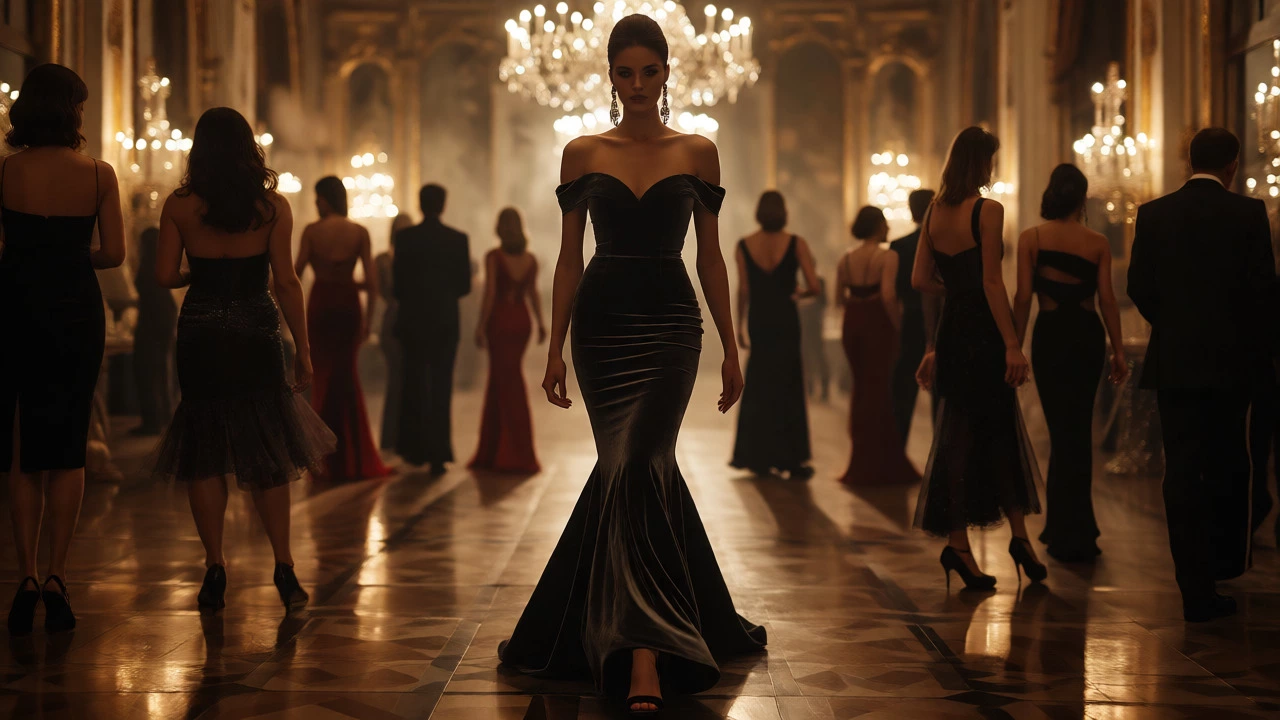
Evening gowns typically fall to the ankle or floor. The classic "full-length" gown brushes the ground, creating a continuous line from shoulder to toe. This elongates the figure and adds drama. However, modern trends have blurred these lines slightly. You might see a midi-length evening dress for semi-formal events, but true black-tie attire demands floor-length coverage. If your hem stops at your shin, you’re likely in cocktail territory, not full evening wear.
Silhouettes also differ. Day dresses favor A-line, shift, or wrap styles that flatter various body types comfortably. Evening gowns experiment with bold shapes-mermaid cuts that hug the hips, trumpet skirts that flare at the knee, or empire waists that emphasize the bust. The goal is often sculptural rather than purely functional.
Detailing and Embellishments: Subtle vs. Statement
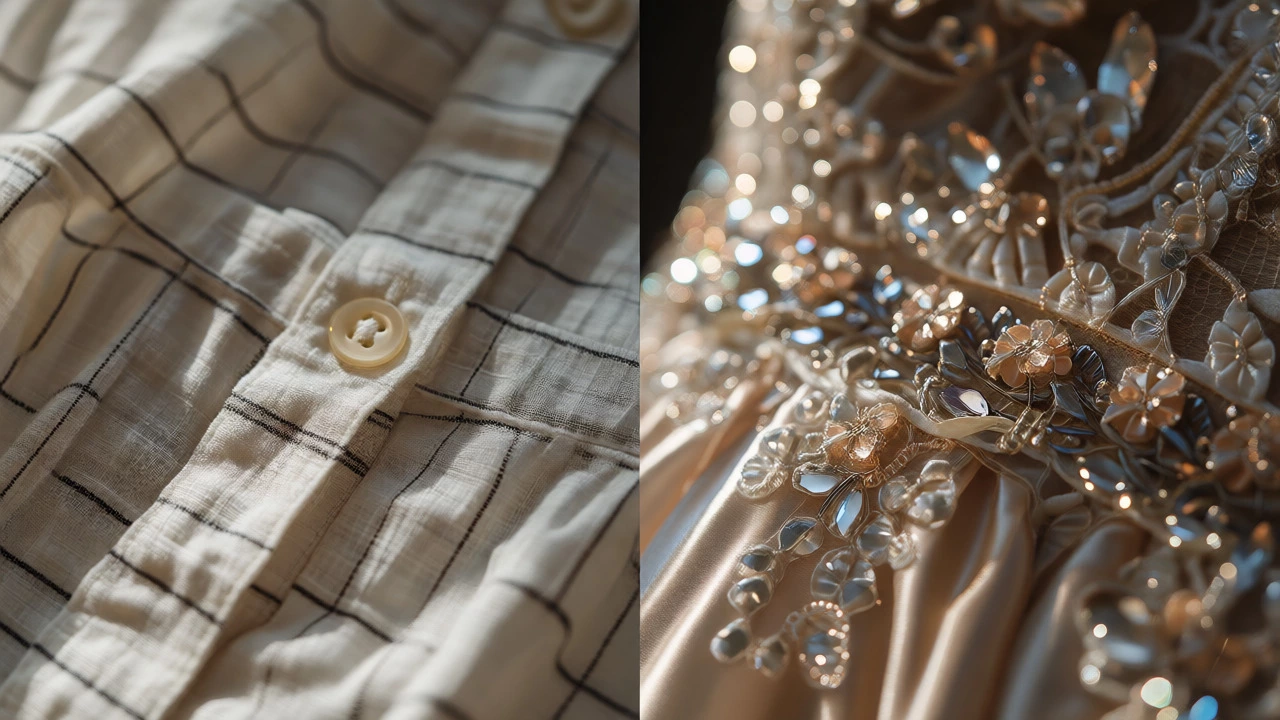
Daytime dresses keep decoration minimal. Buttons, simple zippers, and perhaps a small pocket or belt define the design. Patterns might include florals, stripes, or polka dots, but they are usually printed rather than applied.
Evening gowns are canvases for craftsmanship. Expect sequins, beadwork, embroidery, lace overlays, and crystal accents. These details aren’t just pretty; they reflect light. Under dim restaurant lighting or bright stage lights, plain fabric can look flat. Sparkle brings the outfit to life. Necklines also change. While day dresses stick to crew necks, V-necks, or square necks, gowns explore deep plunges, off-the-shoulder straps, halter tops, and open backs. The skin exposure is intentional, balanced by the heaviness of the lower half.
When to Wear Which: Decoding Dress Codes
Knowing the difference helps you navigate invitations. Here’s how to match the garment to the event:
- Casual: Sundresses, shirt dresses, knit dresses. Think picnics, shopping, or lunch dates.
- Business Casual: Sheath dresses, tailored wraps, modest lengths. Suitable for office environments or networking events.
- Cocktail: Shorter evening dresses (knee to tea-length) in luxe fabrics. Perfect for happy hours, weddings, or gallery openings.
- Black Tie / Formal: Floor-length evening gowns. Required for galas, operas, and high-end weddings.
- White Tie: The most formal category, often requiring full-skirted gowns with gloves and elaborate jewelry.
If the invite says "Cocktail Attire," a floor-length gown might make you look overdressed. Conversely, wearing a knee-length cocktail dress to a "Black Tie" event can feel underdressed. Always err on the side of caution-if unsure, go slightly more formal. It’s easier to remove a shawl than to add a train.
Shoes and Accessories: Completing the Look
Your choice of footwear changes based on the garment. With a day dress, you have options. Sneakers, flats, sandals, or low heels all work. Comfort is key because you’ll likely be walking or standing for hours.
Evening gowns demand height. Heels are standard, not optional. The length of the gown assumes you’re wearing shoes that lift you off the ground. Wearing flats with a floor-length gown usually results in dragging the hem through puddles or dirt. Accessories also scale up. Daytime jewelry is subtle-small earrings, a thin necklace. Evening wear invites chandeliers, statement clutches, and bold rings. The outfit is the centerpiece, so accessories should complement, not compete.
Budget and Investment: Cost Per Wear
Let’s talk money. A good quality day dress costs $50-$150. You’ll wear it ten times a year. Over five years, that’s fifty wears. An evening gown might cost $300-$800+. You’ll wear it maybe three times a year. The cost per wear is significantly higher.
This affects how you buy. For day dresses, prioritize durability and fit. For evening gowns, prioritize uniqueness and occasion. Since you won’t wear a gown often, don’t be afraid to take risks with color or cut. That neon green mermaid gown you love? Save it for New Year’s Eve. You won’t regret buying it because you’ll remember the night you wore it. You might regret the beige sheath dress you bought for work that felt too boring.
Frequently Asked Questions
Can I wear an evening gown during the day?
Technically, yes, but socially it’s tricky. Wearing a silk, floor-length gown to a daytime brunch can feel out of place unless the event is specifically themed. If you want to wear a formal piece during the day, opt for a shorter cocktail dress in a luxurious fabric like silk or satin, paired with casual shoes like sneakers or flats to balance the formality.
Is a cocktail dress the same as an evening gown?
No. A cocktail dress is typically shorter (knee-length or tea-length) and less formal than an evening gown. Cocktail attire bridges the gap between daywear and full formal wear. Evening gowns are strictly for formal, nighttime events and are usually floor-length with more elaborate detailing.
How do I care for an evening gown?
Most evening gowns require dry cleaning due to delicate fabrics like silk or embellishments like beads. Never put them in the washing machine. Store them hanging properly to avoid creases, and consider using a garment bag to protect them from dust and moths. Spot clean minor stains immediately with a damp cloth before taking them to a professional.
What if my evening gown is too long?
Hem adjustments are common. Take it to a tailor before the event. Do not attempt to cut it yourself, especially if it has a lining or complex seams. If you’re short, consider wearing platform heels underneath the gown to maintain the intended silhouette without altering the fabric.
Can men wear evening gowns?
Traditionally, no. Men wear tuxedos or suits for formal events. However, fashion norms are evolving. Some avant-garde designers create gender-neutral formal wear that resembles gowns, but in mainstream Western fashion, "evening gown" refers exclusively to women’s formal attire.