Cocktail Dress vs Evening Dress: The Key Differences Explained
- Cleo Fairchild
- 19 July 2026
- 0 Comments
Dress Code Decoder
Not sure if you need a cocktail dress or a floor-length gown? Enter your event details below for a recommendation.
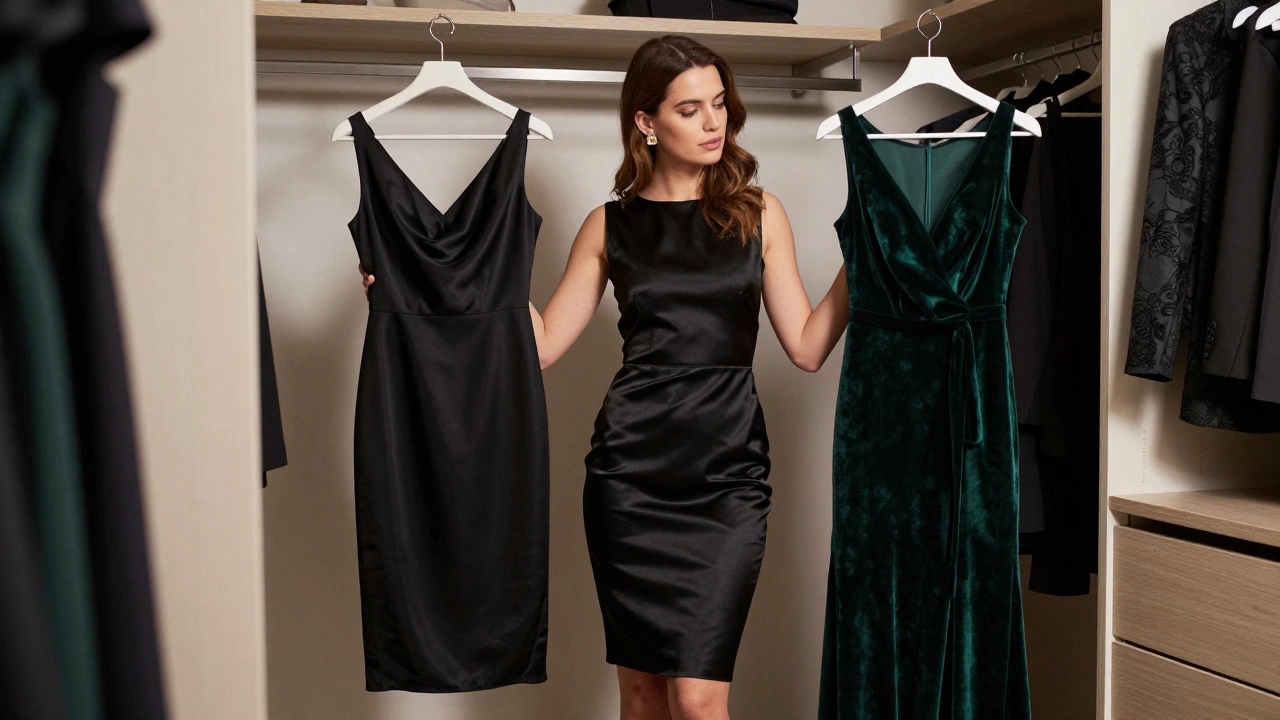
You’ve been invited to a wedding. The invitation says “Black Tie Optional.” You open your closet and stare at two dresses that look similar but feel different. One is shorter, sleeker, maybe a bit more playful. The other is longer, heavier, and feels like it belongs on a red carpet. Which one do you pick? If you choose the wrong one, you might feel underdressed or overdressed-and nobody wants that awkward moment.
The confusion between a cocktail dress and an evening dress is common because both are designed for special occasions. However, they serve distinct purposes in the world of formal wear. Understanding the difference isn’t just about fashion rules; it’s about respecting the host’s expectations and feeling confident in your outfit.
What Defines a Cocktail Dress?
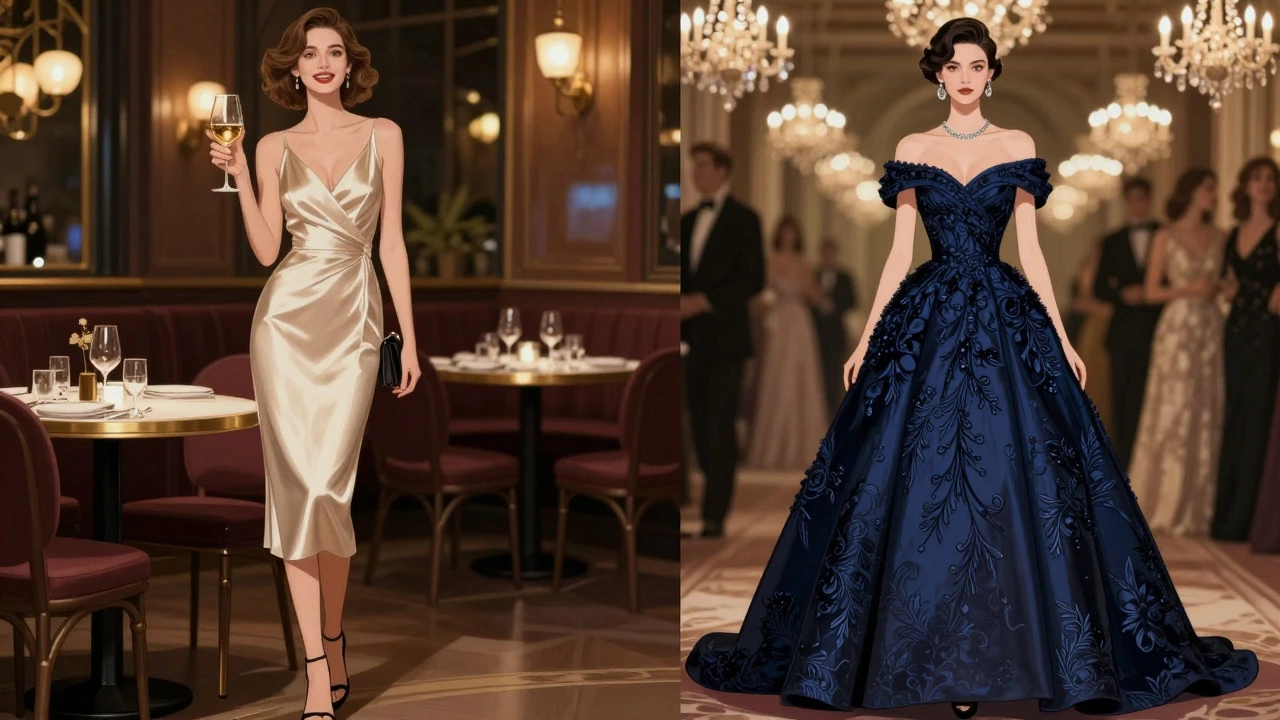
A cocktail dress is a semi-formal garment designed for social events that take place in the late afternoon or early evening. Think birthday parties, holiday office gatherings, cocktail receptions before a wedding dinner, or upscale dinners. The term itself gives you a clue: it’s meant for drinking cocktails, not necessarily for dancing until midnight or attending a state gala.
Cocktail dresses are typically defined by their length and fabric. They usually fall above the knee or at mid-calf (tealength). The hemline rarely goes below the knee unless it’s a specific design choice like a slit. The fabrics are often lighter-silk blends, jersey, lace, or satin-that allow for movement and comfort during socializing.
Key characteristics include:
- Length: Knee-length or midi (mid-calf).
- Silhouette: Fitted, A-line, sheath, or wrap styles. They often highlight the waist.
- Fabric: Lighter materials like chiffon, silk, crepe, or structured cotton blends.
- Vibe: Chic, sophisticated, but approachable. It’s elegant without being overwhelming.
If you’re going to a summer garden party or a Friday night date at a nice restaurant, a cocktail dress is your go-to. It’s versatile enough to be dressed up with heels and jewelry or toned down with a blazer.
What Is an Evening Dress?
An evening dress, also known as a formal gown, is designed for high-formality events that occur after 6 PM. These include galas, operas, charity balls, black-tie weddings, and award ceremonies. The expectation here is grandeur. You’re not just showing up; you’re making a statement.
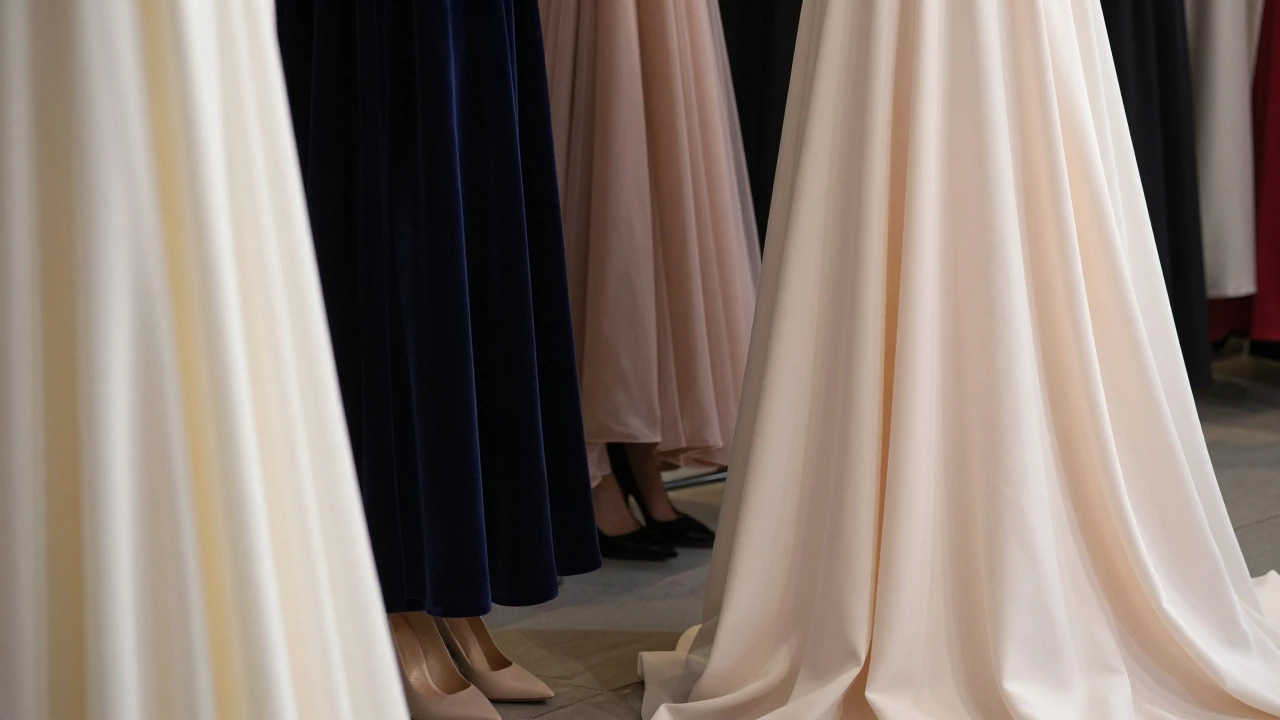
Evening dresses are almost always floor-length. The hem grazes the floor, sometimes with a train. The fabrics are heavier and more luxurious-velvet, heavy silk, brocade, taffeta, or embroidered satins. These materials drape differently, creating a sense of weight and importance.
Key characteristics include:
- Length: Floor-length. Shorter versions exist but are rare and usually reserved for very specific modern interpretations.
- Silhouette: Gown-style, mermaid, ballgown, or empire waist. They often have more volume or dramatic draping.
- Fabric: Heavy, luxurious materials that hold structure or flow dramatically.
- Vibe: Glamorous, serious, and traditional. It’s attire for moments that matter.
If you’re attending a New Year’s Eve gala or a black-tie wedding reception, an evening dress is the standard. It signals respect for the formality of the occasion.
Side-by-Side Comparison
To make the distinction crystal clear, let’s look at how these two types of dresses compare across key factors.
| Feature | Cocktail Dress | Evening Dress |
|---|---|---|
| Formality Level | Semi-formal to Formal | Very Formal / Black Tie |
| Typical Length | Knee-length or Midi | Floor-length |
| Fabric Weight | Light to Medium | Heavy / Luxurious |
| Event Time | Afternoon to Early Evening | Evening (after 6 PM) |
| Occasion Examples | Cocktail parties, daytime weddings, dinners | Galas, operas, black-tie weddings |
| Shoe Pairing | Pumps, stilettos, block heels | Elegant heels, often hidden by hem |
Decoding the Dress Code
The biggest reason people mix up cocktail and evening dresses is ambiguous dress codes. Invitations don’t always spell out what to wear. Here’s how to interpret common terms:
Cocktail Attire
This is the sweet spot for a cocktail dress. It means polished and stylish but not overly dramatic. A little black dress (LBD) is the classic example. You can add sparkle with accessories, but the dress itself should be relatively simple. Avoid floor-length gowns here-they’ll look like you’re trying too hard.
Black Tie
This is where the evening dress comes in. Black tie means long gowns, tuxedos, and formal suits. If you wear a cocktail dress to a black-tie event, you risk looking underdressed. The only exception is if the invitation says “Black Tie Optional,” in which case a very elegant, dark-colored cocktail dress might pass, but a long gown is safer.
White Tie
The most formal level. This requires a full-length ballgown with sleeves or cap sleeves, often with gloves. A standard evening dress might even be too casual here. White tie is rare today, mostly seen at state dinners or royal events.
Creative Black Tie
This allows for more experimentation. You can still wear a long evening dress, but you might choose bold colors, unique cuts, or unconventional fabrics. Cocktail dresses are generally still too short unless they are exceptionally glamorous and paired with statement accessories.
Why Fabric Matters More Than You Think
Length is the easiest way to tell the difference, but fabric is the secret signal. A cocktail dress made of heavy velvet might look too formal, while an evening dress made of lightweight chiffon might look too casual. Context matters.
For cocktail dresses, look for fabrics that breathe and move. Jersey is comfortable and forgiving. Lace adds texture without bulk. Satin provides shine without the weight of a gown. For evening dresses, the fabric needs to hold its shape. Silk dupioni, heavy crepe, and embroidered tulle create the visual impact expected at formal events. The weight of the fabric slows down your movement, adding grace and deliberation to your walk-a subtle cue that this is a serious occasion.
Seasonal Considerations
Don’t ignore the weather. A floor-length evening dress in July heat can be unbearable. In such cases, some hosts accept “summer black tie,” which might allow for lighter fabrics and slightly shorter hems, though floor-length is still preferred. Conversely, a knee-length cocktail dress in winter might feel chilly and inappropriate. Opt for darker colors, heavier fabrics like velvet, or pair your cocktail dress with a faux fur stole to bridge the gap between seasonal comfort and formality.
Common Mistakes to Avoid
Here are three frequent errors when choosing between these two styles:
- Wearing a mini dress to a formal event: Even if it’s a cocktail dress, keep the hemline respectful. Micro-minis are rarely appropriate for formal settings.
- Over-accessorizing a cocktail dress: Since cocktail dresses are simpler, it’s tempting to add huge necklaces and earrings. Keep it balanced. Let the dress speak.
- Ignoring the venue: A beach wedding might call for a light cocktail dress, even if it’s in the evening. A church wedding might require covered shoulders, regardless of whether it’s cocktail or evening attire.
When in Doubt, Ask
If the invitation is vague, don’t guess. Call the host or check with someone who knows them. It’s better to ask than to arrive in the wrong outfit. Most hosts appreciate guests who care enough to get it right.
Remember, fashion rules are guidelines, not laws. But understanding the difference between a cocktail dress and an evening dress helps you navigate social situations with confidence. You’ll feel comfortable, respected, and ready to enjoy the event rather than worrying about your outfit.
Can I wear a cocktail dress to a black-tie wedding?
Generally, no. Black-tie weddings expect floor-length evening gowns. However, if the invitation says "Black Tie Optional," a sophisticated, dark-colored cocktail dress may be acceptable. When in doubt, opt for a long gown to avoid looking underdressed.
What is the ideal length for a cocktail dress?
A cocktail dress should typically end at the knee or mid-calf (midi length). Hemlines above the knee are acceptable if they are modest and elegant, but avoid anything too short for formal settings. Midi lengths are increasingly popular and offer a chic, modern look.
Is a tea-length dress considered a cocktail or evening dress?
Tea-length dresses (ending mid-calf) can work for both categories depending on the fabric and design. If made from lighter fabrics like silk or chiffon, they lean toward cocktail attire. If made from heavier materials like velvet or brocade, they can serve as less formal evening wear. Always consider the overall formality of the event.
What shoes should I wear with a cocktail dress?
Pumps, stilettos, or elegant block heels are perfect for cocktail dresses. Since the hemline is higher, your shoes will be visible, so choose styles that complement the dress. Nude pumps elongate the leg, while metallics add glamour. Avoid sandals or flats unless the event is casual-cocktail.
Can I wear white to a cocktail party?
Yes, unlike weddings where white is reserved for the bride, white is perfectly acceptable for cocktail parties. A white cocktail dress can look fresh and elegant, especially in spring or summer. Just ensure the style is appropriate for the season and venue.