Why Not to Wear Leather Shoes: The Hidden Costs and Better Alternatives
- Cleo Fairchild
- 15 June 2026
- 0 Comments
Leather vs. Vegan Footprint Calculator
Calculate the estimated environmental savings by switching from traditional leather to sustainable vegan alternatives.
You step out the door in your favorite pair of polished oxfords or sleek ankle boots. They look sharp, they feel durable, and for decades, society has told us that real leather is the gold standard of footwear. But pause for a second. What if that durability comes at a cost you never agreed to? Whether you are concerned about animal rights, worried about the environmental footprint of your wardrobe, or simply dealing with sweaty feet, there are compelling reasons to rethink your reliance on leather shoes.
The fashion industry is shifting. More people are asking where their clothes come from and what impact their purchases have on the planet and its inhabitants. It’s not just about looking good anymore; it’s about feeling good about what you wear. Let’s break down why you might want to leave the leather behind and explore what else is out there.
The Ethical Dilemma: Where Does Leather Come From?
To understand why many people are ditching leather, you first have to look at the source. Leather is not a standalone product grown on trees like cotton or synthesized in a lab like polyester. It is a byproduct of the meat and dairy industries. This means that for every pair of leather shoes you buy, an animal was raised, slaughtered, and processed primarily for food, with its skin sold off as a secondary commodity.
If you care about animal welfare, this connection is hard to ignore. The conditions in which these animals live vary wildly, but industrial farming often involves overcrowding, lack of veterinary care, and stressful transport to slaughterhouses. Even if you eat meat, knowing that your footwear directly supports this system can be a dealbreaker. Many consumers choose to align their wallets with their values, opting for cruelty-free options that do not require killing an animal.
Is all leather derived from animals killed for meat?
The vast majority of commercial leather is indeed a byproduct of the meat and dairy industries. While some niche markets claim to use hides from animals that died of natural causes, this is extremely rare and not scalable for mass-market footwear. Buying leather generally supports the industrial farming complex.
The Environmental Toll: Tanning and Toxicity
You might think, "Well, since the animal is already dead, using the skin reduces waste." That sounds logical, but the process of turning a raw hide into soft, wearable leather is one of the most polluting processes in the textile industry. Raw skins rot quickly. To preserve them, they must undergo tanning.
Traditional chrome tanning uses chromium VI, a known carcinogen and heavy metal. When factories dump untreated wastewater containing these chemicals into rivers and streams, it devastates local ecosystems and poisons drinking water for nearby communities. In countries with lax regulations, this pollution is rampant. Even vegetable tanning, which uses natural tannins from bark and leaves, requires massive amounts of water and land resources. The carbon footprint of raising livestock for leather is also significantly higher than producing plant-based materials.
Consider the lifecycle. A cow emits methane, a potent greenhouse gas, throughout its life. Then, the energy-intensive tanning process adds more emissions. Compare that to mushrooms or pineapple leaves, which grow rapidly with minimal resources and no methane output. The environmental argument against leather is strong when you look at the full picture, not just the final product.
Comfort and Breathability Issues
Beyond ethics and ecology, let’s talk about how leather feels on your feet. Leather is often praised for being breathable, but it has limitations. Genuine leather is dense. In hot weather, it can trap heat and moisture, leading to sweaty, uncomfortable feet. If you live in a humid climate or walk long distances, this can be a genuine nuisance.
Furthermore, leather shoes often require a "break-in" period. New leather is stiff. You might spend weeks enduring blisters and sore heels before the material molds to your foot shape. Synthetic alternatives, especially modern knits and flexible vegan leathers, often offer immediate comfort without the painful adjustment phase. For people with sensitive feet or specific orthopedic needs, the rigidity of traditional leather can sometimes exacerbate issues rather than solve them.
Maintenance Hassles and Cost
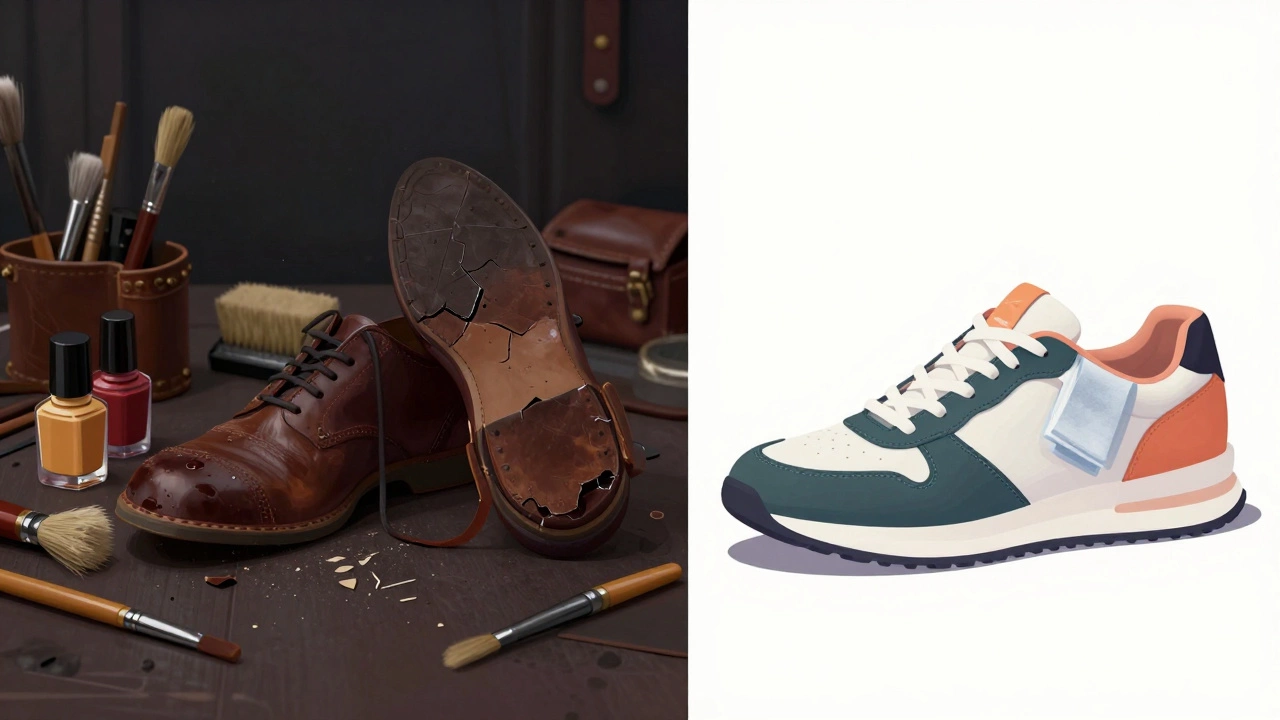
Leather shoes are high-maintenance. They need regular polishing, conditioning, and protection from water. If you spill coffee on your suede loafers or catch them in a rainstorm, you risk permanent stains or warping. You have to buy special cleaners, brushes, and creams. Over time, these maintenance products add up in both cost and effort.
Vegan and synthetic alternatives are often much easier to care for. Many can be wiped clean with a damp cloth or even tossed in the washing machine (check the label, of course). They resist water better and don’t dry out or crack in the same way leather does. For someone with a busy lifestyle who wants to grab their shoes and go, low-maintenance materials are a huge advantage.
Better Alternatives Exist Now
A decade ago, giving up leather meant settling for cheap, plastic-looking synthetics that fell apart after six months. That is no longer the case. Innovation in materials science has produced stunning alternatives that rival, and sometimes exceed, the quality of traditional leather.
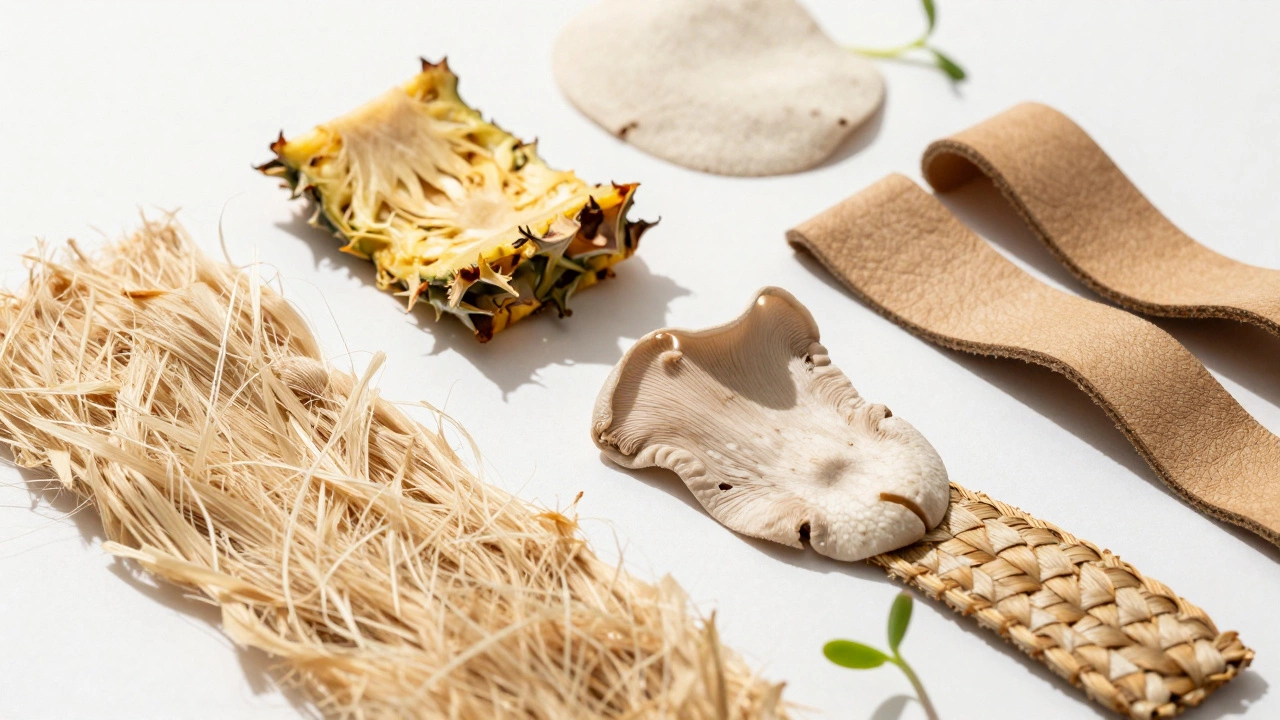
- Pineapple Leather (Piñatex): Made from waste pineapple leaf fibers, this material is durable, lightweight, and biodegradable. It supports farmers in tropical regions by providing extra income from crop waste.
- Mushroom Leather (Mylo): Grown from mycelium (the root structure of mushrooms), this material is soft, flexible, and has a texture very similar to calfskin. Major brands are already experimenting with it.
- Cactus Leather: Harvested from nopal cactus plants, this option requires very little water and no pesticides. It’s eco-friendly and surprisingly tough.
- Recycled Polyester and Rubber: High-quality sneakers and casual shoes made from recycled plastics reduce ocean waste while offering excellent performance and breathability.
These materials are not just novelties. They are engineered for longevity. Some mushroom leathers are treated to be water-resistant and scratch-proof. You don’t have to sacrifice style or durability to avoid leather.
| Feature | Traditional Leather | Mushroom/Pineapple Leather | Synthetic Recycled Materials |
|---|---|---|---|
| Animal Impact | High (byproduct of slaughter) | None (Plant/Fungi based) | None (Recycled plastic) |
| Environmental Footprint | High (Water, Methane, Chrome toxicity) | Low (Biodegradable, low water) | Medium (Reduces waste, but microplastics risk) |
| Durability | Very High (Lasts decades) | High (Improving rapidly) | Medium to High |
| Maintenance | High (Polishing, Conditioning) | Low (Wipe clean) | Low (Machine washable often) |
| Break-in Period | Long (Stiff initially) | Short (Flexible) | None (Immediate comfort) |
Health Concerns: Allergies and Chemicals
Some people have direct health reactions to leather. The tanning process leaves residual chemicals in the finished product. Chromium allergies are not uncommon. People wearing leather shoes may experience contact dermatitis, itching, or redness on their feet, especially if they sweat. Switching to hypoallergenic, chemical-free vegan materials can resolve these skin issues entirely.
Additionally, the glue used in many leather shoes contains volatile organic compounds (VOCs) that can cause headaches or respiratory irritation for sensitive individuals. Many modern alternative shoe brands use water-based adhesives that are safer for both the wearer and the environment.
How to Make the Switch
If you are convinced that leather isn't for you, making the transition doesn't mean throwing away your entire wardrobe overnight. Start small. Replace your oldest, most worn-out pair with a high-quality vegan alternative. Look for brands that are transparent about their supply chains.
Check labels carefully. Terms like "genuine leather" or "top-grain leather" always mean animal skin. Look for keywords like "vegan," "plant-based," "mycelium," or "recycled." Many mainstream retailers now offer dedicated vegan sections. Support smaller, independent designers who specialize in sustainable materials. Your purchase votes for the kind of world you want to live in.
Are vegan shoes as durable as leather?
It depends on the material. High-quality mushroom or cactus leather can last for years, comparable to mid-range leather. However, cheap synthetic PU leather may peel or crack sooner. Invest in reputable brands that use advanced bio-materials for the best longevity.
Do vegan shoes smell?
All shoes can develop odors if feet sweat inside them. However, some synthetic materials trap odor more than natural fibers. Look for vegan shoes with antimicrobial linings or breathable mesh panels to minimize smell. Regular washing helps too.
Is faux leather just plastic?
Traditional faux leather (PU or PVC) is petroleum-based plastic. However, new generations of "faux" leather are made from plants like pineapple, apple, grape, and mushrooms. These are biodegradable and far more sustainable than plastic.
Can I repair vegan shoes?
Yes, many vegan shoes can be repaired. Cobbler shops are increasingly skilled at working with synthetic and plant-based materials. Gluing soles and stitching tears are common repairs that extend the life of any shoe.
What is the most eco-friendly shoe material?
Currently, materials like Mylo (mushroom leather) and Piñatex (pineapple leaf fiber) are among the most eco-friendly due to low water usage, no toxic tanning, and biodegradability. Recycled rubber soles also help reduce landfill waste.