Best Summer Dresses: Types, Fabrics & Styling Guide for 2026
- Cleo Fairchild
- 23 August 2026
- 0 Comments
☀️ Summer Dress Comfort Checker
Select a dress type below to see how it performs in hot weather. We analyze ventilation, fabric quality, and overall comfort to give you a score out of 10.
Slip Dress Analysis
Walking into a room where the air conditioning is fighting a losing battle against August heat is a universal struggle. You want to look put-together, but you also want to feel like your skin can actually breathe. The right summer dress is a garment designed with lightweight materials and open silhouettes to maximize airflow and comfort in high temperatures. It’s not just about looking cool; it’s about functional engineering that keeps your body temperature regulated while maintaining style.
Many people assume any light-colored dress works for summer, but that’s a common misconception. A thick cotton maxi dress might look airy, but if the weave is tight, it will trap heat against your skin. Understanding the interplay between fabric weight, silhouette, and fit is what separates a comfortable outfit from one that makes you sweat by noon. This guide breaks down exactly which types of dresses perform best in hot weather, why certain fabrics fail, and how to style them for various occasions without sacrificing comfort.
The Fabric Factor: Why Material Matters More Than Color
Before you even look at the shape of a dress, you need to check the label. The material determines how much heat escapes your body. In 2026, sustainable synthetics are making a comeback, but natural fibers still hold the crown for breathability. Let’s look at the specific attributes of the top-performing fabrics.
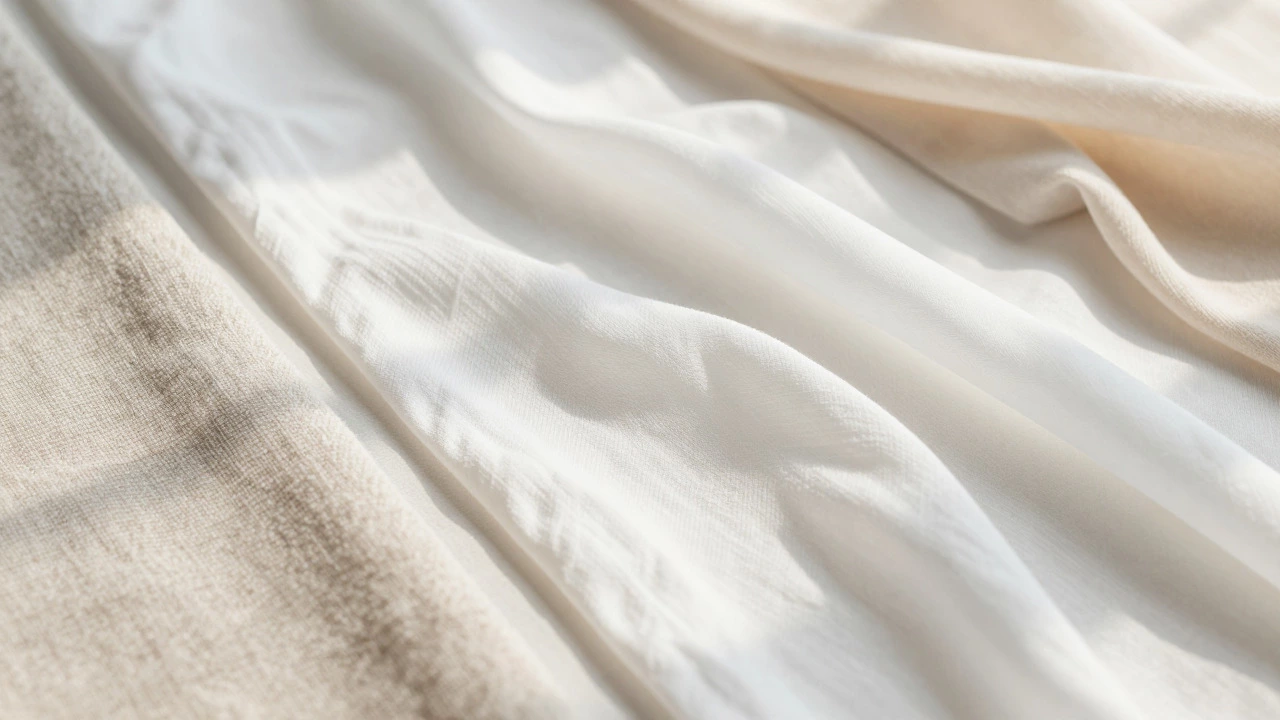
- Linen: Known for its coarse texture and excellent airflow. Linen wicks moisture away from the skin quickly. However, it wrinkles easily, so embrace the crumpled aesthetic or opt for linen-cotton blends for easier care.
- Cotton Poplin: Unlike heavy denim or jersey, poplin is a tightly woven but thin cotton. It holds its shape well, making it ideal for structured office wear. Look for "poplin" specifically, as generic "cotton" can be too heavy.
- Chiffon: Made from silk or polyester, chiffon is sheer and ultra-lightweight. It drapes beautifully and allows maximum air circulation. Because it’s sheer, layering is often required, which adds complexity but also elegance.
- Viscose (Rayon): A semi-synthetic fiber derived from wood pulp. It feels silky against the skin and drapes well. Modern viscose is more durable than older versions, but it can shrink if washed incorrectly.
Avoid heavy knits, thick denim, and wool blends unless they are extremely thin. These materials act as insulation, trapping body heat rather than releasing it. If you’re shopping online, look for fabric weights under 150 GSM (grams per square meter) for optimal summer performance.
Silhouettes That Keep You Cool
Once you’ve picked the right fabric, the cut of the dress dictates how much air reaches your skin. Tight-fitting dresses restrict airflow, causing sweat to accumulate. Open, flowing silhouettes create a chimney effect, pulling cool air up through the hem. Here are the most effective shapes for hot weather.
The Slip Dress
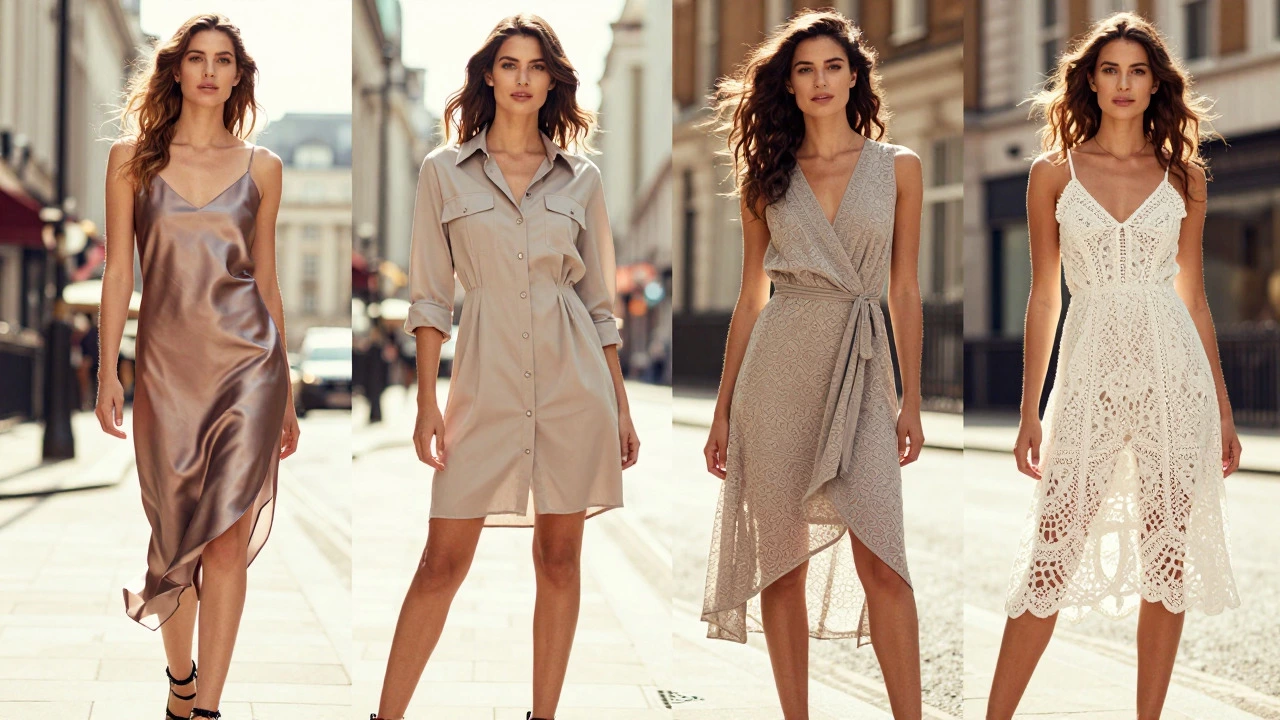
The slip dress has become a staple in modern wardrobes due to its minimal construction. Typically made from satin, silk, or chiffon, this style features thin straps and a bias cut that follows the body’s contours without clinging tightly. The lack of seams and excess fabric means less material to trap heat. It’s versatile enough to wear alone on mild days or layered over a bodysuit on cooler evenings.
The Shirt Dress
If you work in an environment where you need to look professional but stay cool, the shirt dress is your best friend. Usually crafted from cotton poplin or linen, it features a collar, button-down front, and a relaxed fit. The key here is to leave the top two or three buttons undone to create vertical ventilation. Pair it with loafers or sandals for a polished yet breezy look.
The Wrap Dress
Invented by Diane Frean in the 1970s, the wrap dress remains a timeless choice for summer. Its adjustable nature allows you to control the level of exposure. You can tie it snugly for a secure fit or loosely for a more relaxed vibe. The V-neckline created by the wrap design opens up the chest area, promoting better airflow around the core.
The Sundress
This is the quintessential summer garment. Characterized by short sleeves or sleeveless cuts, a waistband, and a flared skirt, the sundress is designed purely for warmth. Fabrics like eyelet lace or lightweight cotton are standard. The A-line shape ensures the skirt moves freely, preventing fabric from sticking to your legs.
| Dress Type | Best Fabric | Ventilation Level | Ideal Occasion | Comfort Rating |
|---|---|---|---|---|
| Slip Dress | Chiffon / Silk | High | Date Night / Casual | 4/5 |
| Shirt Dress | Cotton Poplin / Linen | Medium-High | Office / Business Casual | 4/5 |
| Wrap Dress | Viscose / Cotton | High | Daytime / Versatile | 5/5 |
| Sundress | Eyelet / Lightweight Cotton | Very High | Beach / Outdoor Events | 5/5 |
Styling Tips for Maximum Comfort
Even the best dress can feel uncomfortable if styled poorly. Small adjustments can make a significant difference in how you feel throughout the day. Start with your footwear. Avoid closed-toe shoes with thick soles, as they reduce foot ventilation. Opt for strappy sandals, espadrilles, or breathable canvas sneakers instead.
Accessories should be minimal. Heavy necklaces or large bags can add weight and friction, leading to discomfort. Stick to delicate jewelry and crossbody bags that sit lightly on your shoulder. If you’re wearing a sleeveless dress, consider adding a light cardigan or kimono for indoor spaces with aggressive air conditioning. This prevents the shock of cold air hitting bare arms while keeping the outfit cohesive.
Color psychology plays a minor role in thermal perception, but light colors reflect sunlight rather than absorbing it. White, pastels, and bright yellows are excellent choices for outdoor events. Dark colors like black or navy absorb heat, so save those for evening wear when the sun has set.
Caring for Your Summer Wardrobe
Lightweight fabrics are delicate. To ensure your dresses last through multiple seasons, follow these care instructions. Wash linen and cotton items in cold water on a gentle cycle to prevent shrinking and color fading. Hang dry these pieces whenever possible, as the heat from a dryer can weaken the fibers over time.
For chiffon and silk, hand washing is recommended. Use a mild detergent and avoid wringing the fabric out. Instead, press the water out gently with a towel. Store these dresses on padded hangers to maintain their shape and prevent creasing. Proper care extends the life of your garments, making them a worthwhile investment.
Common Mistakes to Avoid
One frequent error is ignoring the lining. Unlined dresses in sheer fabrics can be uncomfortable due to chafing. Look for dresses with a brief lining at the hips or choose opaque fabrics if you prefer no extra layers. Another mistake is buying sizes based on winter measurements. Summer fabrics stretch differently, so try on dresses before purchasing to ensure the fit is accurate. Finally, don’t underestimate the power of a good iron. Wrinkled linen looks intentional, but wrinkled cotton can look sloppy. Steaming is a quicker alternative that preserves fabric integrity.
Frequently Asked Questions
What is the coolest fabric for summer dresses?
Linen and cotton poplin are generally considered the coolest options. Linen offers superior airflow and moisture-wicking properties, while cotton poplin provides structure without excessive weight. Chiffon is also excellent for its sheer nature, allowing maximum air circulation.
Can I wear dark colors in the summer?
Yes, but with caution. Dark colors absorb more heat from the sun, making them warmer to wear during the day. They are better suited for evening events or indoor settings where direct sunlight is not a factor. If you love dark colors, choose lightweight fabrics like chiffon or silk to mitigate the heat absorption.
How do I stop my summer dress from clinging?
Clinging is usually caused by static electricity or moisture. Use a fabric softener sheet in the dryer to reduce static, or spray your clothes with anti-static spray. For moisture-related clinging, choose breathable natural fibers like cotton or linen, which wick sweat away from the skin rather than trapping it.
Is a maxi dress suitable for hot weather?
A maxi dress can be suitable if it is made from a lightweight, flowing fabric like chiffon or viscose. The long length creates a wind tunnel effect that cools the body. However, avoid heavy fabrics like denim or thick cotton, as they will weigh you down and trap heat.
What shoes pair best with summer dresses?
Strappy sandals, espadrilles, and flat leather shoes are ideal. They allow your feet to breathe and complement the lightness of the dress. Avoid closed-toe boots or thick-soled sneakers, as they can disrupt the visual balance and add unnecessary weight.