Best Shoes for Standing All Day: A Practical Guide
- Cleo Fairchild
- 25 October 2026
- 0 Comments
Find Your Perfect All-Day Standing Shoe
Not sure which shoe is right for your shift? Answer these three questions to get a personalized recommendation.
Top Pros
Key Cons & Tips
You know that feeling when your feet start throbbing around 2 PM? It’s not just tiredness; it’s a signal that your footwear is failing you. If you spend eight to ten hours on your feet-whether you’re a nurse, a retail associate, a chef, or a teacher-the wrong shoe can turn a manageable shift into an endurance test. The good news? You don’t have to sacrifice style for survival. Finding the best shoes for standing all day comes down to understanding what your body actually needs versus what marketing tells you it wants.
Let’s cut through the noise. There is no single "magic" shoe that works for everyone because foot mechanics vary wildly. However, there are non-negotiable features that separate a shoe you’ll hate by lunch from one you’ll forget you’re wearing. This guide breaks down exactly what to look for, which brands actually deliver, and how to maintain your new kicks so they last longer than a week.
Why Your Feet Hurt (And Why Cushioning Isn't Enough)
Most people think soft foam equals comfort. That’s half-true. If you stand still for hours, gravity pushes your blood down, causing swelling. If you walk constantly, impact forces travel up your legs. Soft foam compresses quickly under sustained weight, losing its bounce after a few months. What you actually need is a balance of cushioning and structural support.
Your foot has an arch that acts like a shock absorber. When that arch collapses or over-pronates (rolls inward), it twists your knee and hips, leading to pain far above your ankles. Therefore, the best shoe for standing all day isn’t just the squishiest one; it’s the one that keeps your skeletal alignment neutral while absorbing shock. Look for a firm heel counter (the back part of the shoe) and a midsole that offers energy return rather than just passive compression.
Key Features to Prioritize in Work Footwear
Before you buy anything, check these five specs. They matter more than brand names or trendy colors.
- Arch Support: This should match your specific foot type. Flat feet need motion control; high arches need cushioning. If the built-in support feels off, plan on buying custom orthotics immediately.
- Wide Toe Box: Your toes splay out when you bear weight. Narrow, pointed-toe shoes squeeze them together, causing bunions and nerve pain. Ensure there’s enough width so your toes aren’t crushed against each other.
- Heel Drop: This is the difference in height between the heel and the toe. For standing, a low drop (0-8mm) encourages natural posture. High heels force your calf muscles to stay contracted, leading to fatigue and varicose veins.
- Breathable Upper: Sweat leads to blisters and fungal issues. Materials like mesh, knit, or treated leather allow airflow. Avoid cheap synthetic plastics that trap heat.
- Slip Resistance: If you work in kitchens, hospitals, or warehouses, safety is paramount. Check for oil-resistant rubber outsoles with specific tread patterns designed to channel liquids away.
Top Contenders: What Actually Works?
After testing dozens of pairs across various industries, a few categories consistently rise to the top. Note that prices fluctuate, but quality generally correlates with cost in this niche. Cheap shoes often lack the durable materials needed for daily abuse.
| Shoe Type | Best For | Pros | Cons |
|---|---|---|---|
| Running Shoes | Nurses, Retail, Teachers | Lightweight, excellent cushioning, breathable. | Less durable on rough surfaces, poor lateral support. |
| Clogs | Chefs, Lab Technicians | Easy to clean, slip-resistant, roomy fit. | Can cause plantar fasciitis if used without socks/support. |
| Hiking Boots | Construction, Warehousing | Rugged, ankle support, weatherproof. | Heavy, hot, stiff break-in period. |
| Orthopedic Sneakers | People with foot conditions | Customizable, medical-grade support. | Bulky, expensive, less stylish. |
The Case for Running Shoes
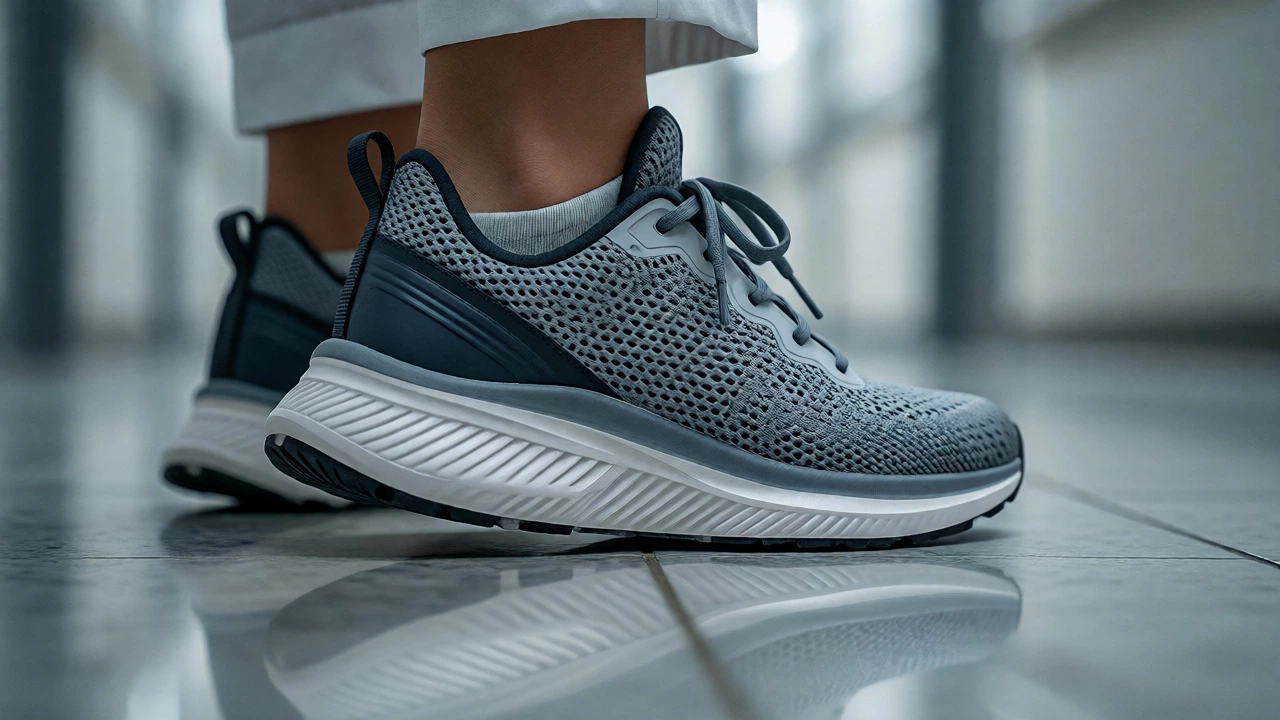
It might seem odd to wear athletic gear to a professional office, but modern running technology is unmatched for shock absorption. Brands like Brooks, Hoka, and New Balance dominate this space. Hoka, specifically, uses a thick, curved midsole that promotes a rolling gait, reducing strain on the calves. If you’re on hard floors like tile or concrete, a max-cushion runner is often the safest bet. Just ensure they have a wide base so you don’t roll your ankle.
When Clogs Make Sense
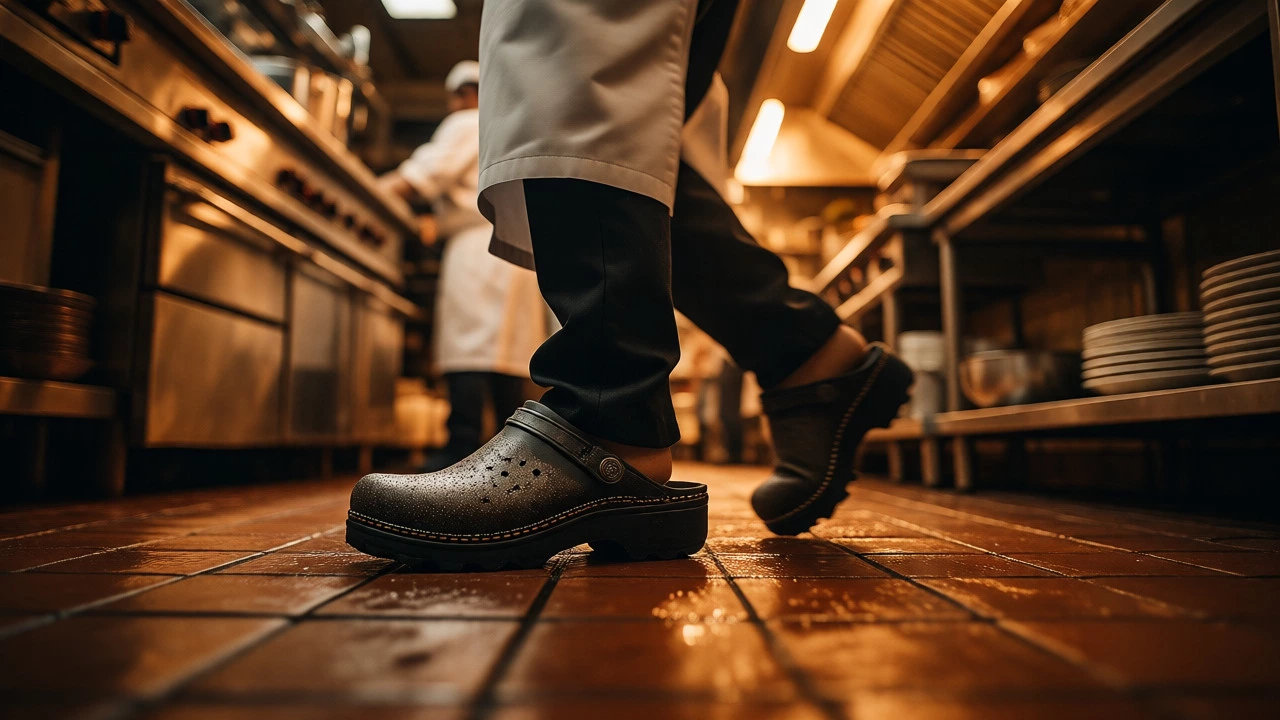
Birkenstock and Crocs get a bad rap for being ugly, but they solve real problems. Birkenstocks feature a cork-latex footbed that molds to your unique footprint over time. This creates a personalized support system. Crocs, particularly the Pro line, offer closed-toe protection and easy sanitization. The catch? Standard clogs lack heel stability. If you walk long distances, you might develop Achilles tendonitis because your foot slides forward. Pair them with supportive socks or consider models with adjustable straps.
Dress Codes vs. Comfort
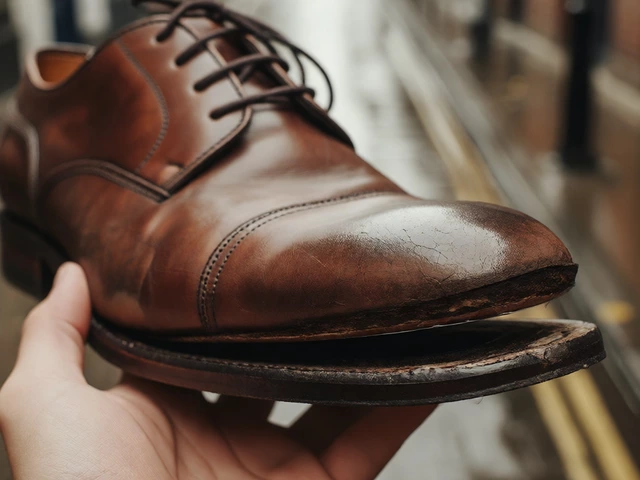
If you must wear dress shoes, avoid thin leather soles. Look for derbies or oxfords with embedded gel or memory foam insoles. Brands like Ecco and Clarks specialize in "comfort dress" footwear. They use flexible leathers and padded collars that prevent chafing. While they won’t feel like sneakers, they bridge the gap between professionalism and physical necessity. Never wear stiff, unbroken-in dress shoes for a full shift; you’ll regret it by hour three.
Common Mistakes That Ruin Your Feet
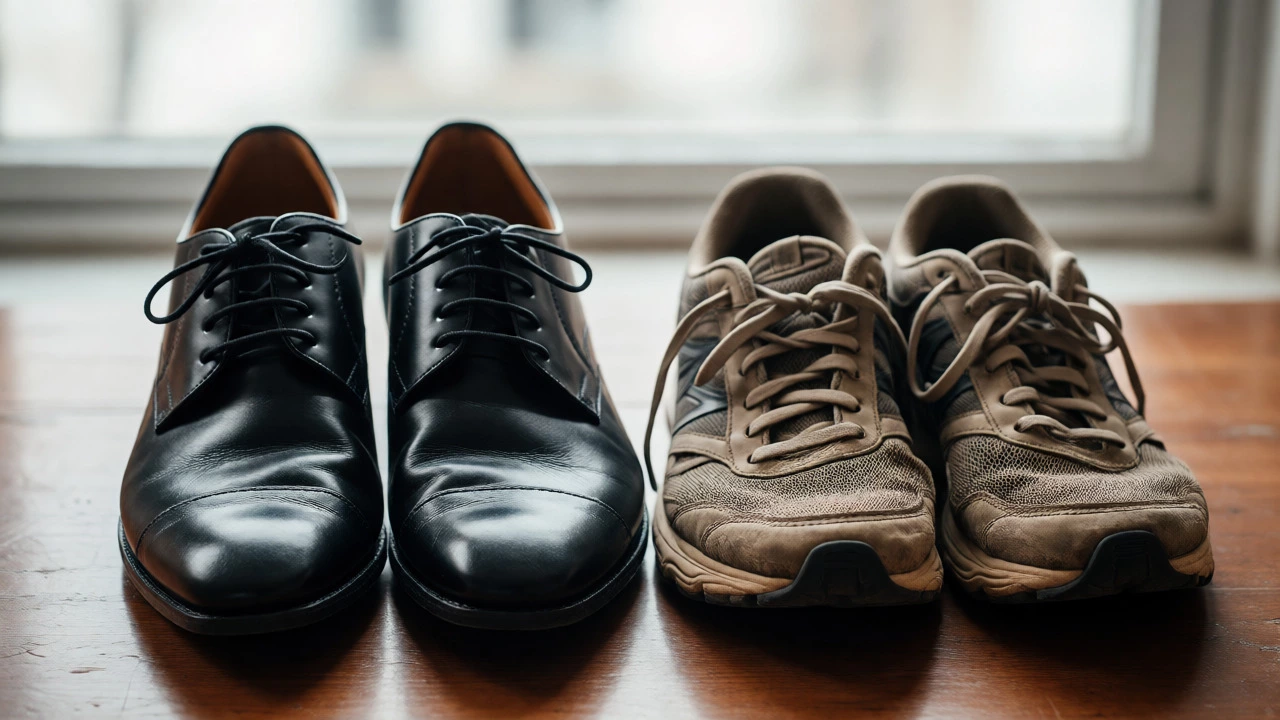
Even the most expensive shoe fails if you make these errors. First, never buy shoes at the end of the day when your feet are swollen unless you intend to accommodate that size permanently. Ideally, shop in the afternoon when feet are naturally slightly larger, ensuring a snug but not tight fit. Second, do not skip the break-in period. Wear new shoes for two-hour intervals initially, gradually increasing time. Third, rotate your shoes. Wearing the same pair every day prevents the foam from recovering its shape. Having two pairs allows 24 hours of rest between wears, extending their lifespan significantly.
Another pitfall is ignoring sock choice. Cotton socks hold moisture, leading to blisters. Invest in merino wool or synthetic blends designed for wicking. They regulate temperature and reduce friction, acting as a second skin that protects your feet inside the shoe.
Maintenance: Making Them Last
Standing all day destroys shoes faster than walking. The midsole compresses, and the outsole wears unevenly. To prolong life, replace insoles every three to six months. Most factory insoles are basic foam; swapping them for higher-quality ones (like Superfeet or Spenco) resets the comfort level without buying new shoes. Also, keep them dry. Moisture degrades adhesives and leather. Use shoe trees or stuff them with newspaper overnight to absorb sweat and maintain shape.
Frequently Asked Questions
Do I need custom orthotics if I buy good shoes?
Not necessarily. Many modern shoes come with decent arch support. However, if you have severe flat feet, high arches, or existing pain like plantar fasciitis, custom orthotics provide precise correction that generic insoles cannot. Try over-the-counter arch supports first before investing in custom ones.
How long should work shoes last?
For heavy daily use, expect 6 to 12 months. Running shoes lose cushioning effectiveness even if the outer looks fine. Once the midsole wrinkles excessively or you feel the ground more sharply, it’s time to replace them. Rotating two pairs can double this timeframe per pair.
Are expensive shoes always better for standing?
Generally, yes, but price doesn't guarantee fit. Expensive shoes often use higher-density foams and durable outsoles that resist compression longer. However, a $50 well-fitted shoe is better than a $200 poorly fitted one. Always prioritize fit and function over brand prestige.
Can I wear sandals if I'm allowed to?
Only if they have solid arch support and a secure strap, like Birkenstocks. Flip-flops are terrible for standing because your toes grip to keep them on, straining your tendons. Open-backed sandals also lack heel stability, forcing your calf muscles to work harder.
What is the best material for kitchen workers?
Water-resistant leather or synthetic microfiber uppers are ideal because they wipe clean easily. Avoid canvas or mesh if you deal with spills frequently, as they absorb liquids and odors. Ensure the sole is certified slip-resistant for wet, oily floors.
Next Steps for Better Feet
Start by assessing your current situation. Do you feel pain in your heels, arches, or knees? Identify the source. Next, measure your feet properly-length and width. Then, visit a specialty running store or a podiatrist-equipped shop where staff can analyze your gait. Don’t just order online based on reviews; try them on with the socks you wear to work. Finally, give yourself a transition week. Your muscles need time to adapt to proper support. Your future self will thank you when you clock out without limping to the car.