Why Is Canada Goose So Expensive? A Breakdown of Price and Value
- Cleo Fairchild
- 11 October 2026
- 0 Comments
Canada Goose Value Calculator
Determine if a high-end parka is worth the upfront cost by analyzing its lifespan and usage frequency.
Comparison with Cheap Alternatives
Assuming a cheap jacket costs $150 and lasts 2 years.
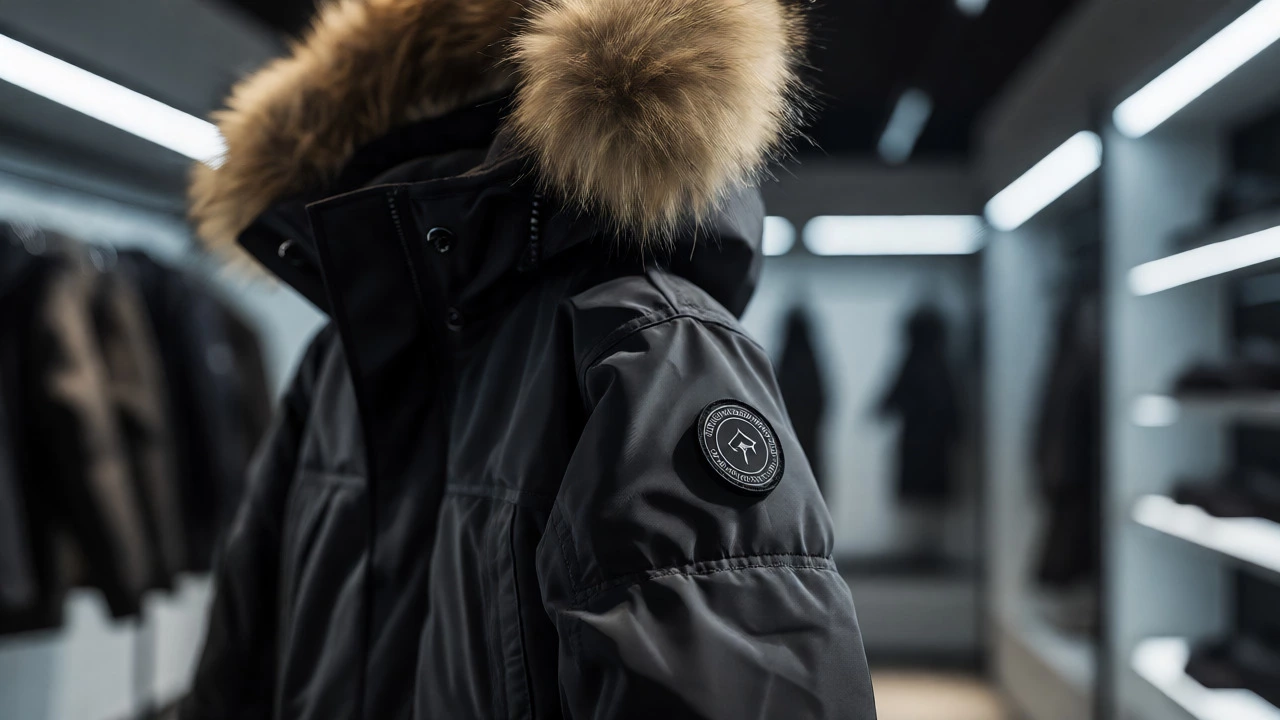
You’re standing in a store or scrolling online, staring at a price tag that makes you blink twice. $1,000 for a coat? It feels steep until you realize it’s not just fabric-it’s engineering designed to keep you alive in temperatures where water turns to ice instantly. But does the Canada Goose actually justify its premium status, or are you paying mostly for the logo on the sleeve?
The short answer is: it’s both. You are buying into a specific history of utility that evolved into high fashion. To understand the cost, you have to look under the hood-literally. This isn’t about markup; it’s about materials, manufacturing location, and a brand strategy that shifted from scientific expeditions to celebrity wardrobes.
Key Takeaways
- Materials Matter: The use of traceable, high-fill-power white duck down and durable Arctic Tech fabric drives up raw material costs significantly compared to synthetic alternatives.
- Labor Costs: Unlike most competitors who moved production to Asia decades ago, Canada Goose maintains significant manufacturing operations in Canada, where labor standards and wages are higher.
- Brand Equity: The transition from a functional workwear brand to a luxury lifestyle icon allows for premium pricing based on perceived status rather than just thermal performance.
- Durability vs. Cost: While the upfront cost is high, the lifespan of these jackets often exceeds cheaper alternatives by years, potentially lowering the cost-per-wear over time.
The Materials Behind the Warmth
When you pay for a Canada Goose parka, you aren’t buying polyester fill. You are buying Canadian Down. Specifically, they use Hutterite down, which comes from geese raised on farms in the Canadian Prairies. These birds are raised in harsh climates, producing down clusters with higher loft (fluffiness) than those from milder regions. Higher loft means more warmth for less weight. This is critical when you’re trying to stay warm without looking like a marshmallow.
The outer shell isn’t standard nylon either. They utilize Arctic Tech, a proprietary blend of polyester and cotton. This fabric is engineered to resist wind penetration and repel moisture while remaining breathable. Cheaper jackets often use thin, crinkly nylon that tears easily and lets the wind cut right through. If you’ve ever worn a $50 ski jacket in a real blizzard, you know the difference. The wind chill factor can drop your effective temperature by 20 degrees in seconds. Arctic Tech blocks that wind, keeping your body heat trapped inside.
Manufacturing: Made in Canada vs. Abroad
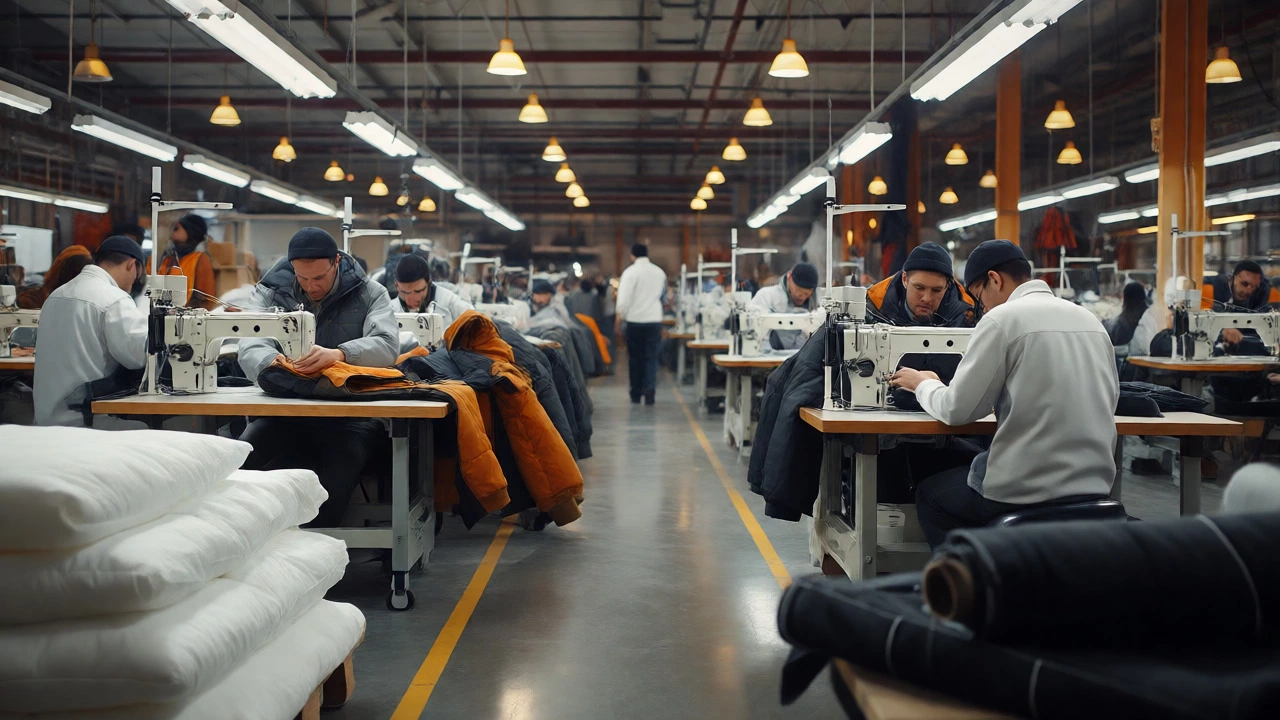
Here is the biggest differentiator in the cost structure: Made in Canada. Since its founding in Toronto in 1957, Canada Goose has kept a large portion of its production domestic. In 2026, this remains a core part of their identity. Most apparel brands, including many competitors, outsourced manufacturing to countries with lower labor costs years ago. By keeping factories in Winnipeg, Toronto, and Montreal, Canada Goose pays Canadian minimum wages and adheres to stricter labor laws.
This doesn’t mean every single stitch is done in Canada today-they do source some components globally-but the final assembly and quality control remain largely domestic. Labor is expensive. Skilled sewers who can handle heavy-duty fabrics and intricate insulation patterns command higher wages. When you compare this to a brand that produces millions of units in Vietnam or Bangladesh, the per-unit labor cost difference is substantial. You are effectively subsidizing local employment and higher ethical labor standards with your purchase.
From Scientific Tool to Luxury Status Symbol
It wasn’t always this way. Originally, these jackets were tools for people working outdoors-park rangers, scientists, and film crews. The famous red-and-white roundel logo was meant to signal durability, not wealth. However, the brand underwent a massive pivot starting in the mid-2000s. Strategic partnerships with Hollywood stylists placed their products on celebrities in movies and on the streets of New York and London.
This shift changed the economic model. Once a product becomes a Status Symbol, its price elasticity changes. People aren’t just buying warmth; they are buying recognition. The visible logo serves as a social signal. This allows the company to charge a premium that exceeds the sum of its parts. If you buy a generic down jacket with similar specs but no brand recognition, you might save $400. But you won’t get the same resale value or the social capital associated with the name.
Comparison: Where Does Your Money Go?
To put things in perspective, let’s look at how Canada Goose stacks up against other popular options. Note that prices fluctuate, but the relative positioning remains consistent.
| Feature | Canada Goose | Moncler | Patagonia | The North Face |
|---|---|---|---|---|
| Average Price Range | $800 - $1,500+ | $1,000 - $2,000+ | $300 - $600 | $200 - $500 |
| Primary Insulation | Traceable White Duck Down | Goose Down (European) | Recycled Synthetic / Down | Synthetic / Down Hybrid |
| Main Manufacturing Hub | Canada | Europe / Asia | Global (Vietnam, China, etc.) | Global (Vietnam, China, etc.) |
| Best For | Extreme Cold / Urban Luxury | Fashion / Mild Cold | Outdoor Activity / Sustainability | Versatility / Budget Conscious |
Notice the gap between Patagonia/The North Face and the luxury tier. The former prioritize sustainability metrics and technical performance for active use. The latter prioritize heritage, aesthetics, and extreme static warmth. Moncler is even pricier because it leans heavily into Italian design and fashion houses, whereas Canada Goose retains a rugged, utilitarian aesthetic despite its luxury price point.

Is It Worth the Investment?
This depends entirely on your environment and values. If you live in Miami, you will never need the thermal capacity of a Expedition Parka. You’ll be paying for capability you don’t use. However, if you live in Chicago, Minneapolis, or Toronto, the cost-per-wear calculation shifts dramatically.
A cheap jacket might last two winters before the zippers break or the down leaks out. A well-maintained Canada Goose can last ten to fifteen years. Divide $1,000 by 10 years, and it’s $100 a year. That’s comparable to buying a mid-range jacket annually. Plus, the resale market for used Canada Goose jackets is robust. Because the brand holds its value better than fast-fashion alternatives, you can recoup 30-50% of your initial investment when you sell it later.
There is also the ethical component. Some consumers prefer paying more to ensure fair labor practices and traceable sourcing. The Fur Policy controversy has settled somewhat, with the brand phasing out fur trim, but the debate highlights how consumer values influence spending. If you dislike the idea of animal products entirely, you might find the price hard to swallow regardless of quality, opting instead for high-end synthetic alternatives.
Tips for Buying Without Regret
If you decide to take the plunge, here is how to make sure you get your money’s worth:
- Check the Fill Power: Look for jackets with 625+ fill power. Lower numbers mean less warmth per ounce. Don’t pay premium prices for mediocre insulation.
- Consider the Fit: These jackets run large. You need room for layering underneath, especially in sub-zero weather. Try them on with a thick sweater.
- Wait for Sales Carefully: Canada Goose rarely discounts current-season items heavily. Look for end-of-season sales on previous colors or sizes, but avoid "final sale" items unless you are certain of the fit.
- Beware of Fakes: The market is flooded with counterfeits. If the price seems too good to be true, it is. Buy directly from the brand or authorized retailers.
Frequently Asked Questions
Do Canada Goose jackets really keep you warm in extreme cold?
Yes, specifically models rated for temperatures below -30°C (-22°F). Their use of high-loft down and wind-resistant shells creates an effective thermal barrier. However, individual tolerance varies, so proper layering is still essential for comfort.
Are all Canada Goose jackets made in Canada?
Not all. While a significant portion of their production remains in Canada, they also manufacture in the USA and Europe. Check the label inside the garment for the specific country of origin. The "Made in Canada" designation is reserved for items assembled domestically.
How long do Canada Goose jackets typically last?
With proper care, they can last 10-15 years or more. The materials are durable, and the construction is robust. Many owners repair minor issues like zipper replacements rather than replacing the entire coat, extending its life further.
Is the fur on Canada Goose jackets real?
Historically, yes, they used coyote fur. However, as of recent policy changes announced by the company, they are phasing out the use of new fur. Existing inventory may still feature it, but new designs are moving toward fur-free hoods.
Can I wash my Canada Goose jacket at home?
Most down-filled jackets require professional cleaning or very careful home washing following strict guidelines (gentle cycle, low heat drying with tennis balls). Always check the specific care label, as improper washing can ruin the down’s loft and effectiveness.