Why Is a Jacket Called a Jacket? The Etymology and History of the Word
- Cleo Fairchild
- 7 May 2026
- 0 Comments
Jacket Etymology Timeline
Explore how a generic term for a man evolved into the name for one of the most iconic garments in fashion history.
The Origin: "Jack"
Meaning: A generic term for a common man.
In the Middle Ages and Renaissance, a "jack" was a rough or ordinary fellow doing ordinary work. It had nothing to do with clothes yet.
The Linguistic Shift: Diminutives
The Math: Jack + French suffix "-et" = Jacket.
Linguists added the diminutive suffix "-et" (meaning small) to create "jacket." Initially, this meant a "small jack" or a toy figure, not a garment.
From People to Objects
Usage: Small boxes for dice or cards.
The word shifted from people to objects. A "jacket" became a small container. Shortly after, it began describing short upper-body garments worn by men for practicality.
Military Innovation
The Shape: Cutting coats at the waist.
Armies needed mobility. They shortened long robes and cloaks to the hips. This functional "short coat" became the standard definition of a jacket.
Cultural Symbolism
The Vibe: Rebellion and Identity.
Leather jackets adopted by bikers and rock stars turned the garment into a symbol of independence. Denim jackets became icons of youth culture.
Have you ever stopped to wonder why we call that piece of clothing a jacket? It’s not just any coat. It’s not a blazer or a parka. It’s specifically a jacket. We throw the word around constantly-leather jacket, bomber jacket, denim jacket-but the origins are far more interesting than the simple definition suggests. The story isn't about a specific inventor or a royal decree. It’s about language evolution, military uniforms, and how words shrink over time.
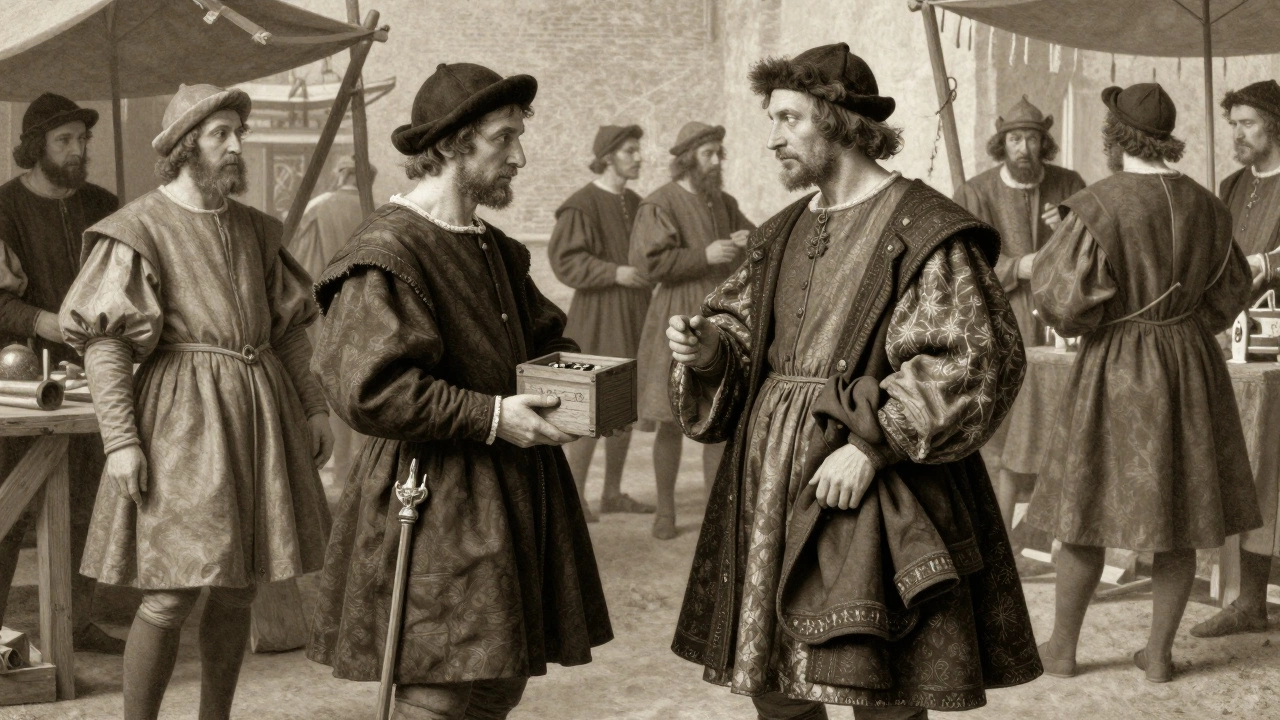
The journey starts way back in the 16th century. You won’t find the word "jacket" in Shakespeare’s plays, but you will find its ancestor: jack. In the Middle Ages and Renaissance, a "jack" was a generic term for a man, often implying someone who was common, rough, or perhaps even a bit mischievous. Think of it like calling someone a "lad" today, but with slightly more grit. If you were a "Jack," you were an ordinary fellow doing ordinary work.
From "Jack" to "Jacke": The Power of Diminutives
Linguists love diminutives. These are suffixes added to words to make them sound smaller, cuter, or less significant. In English, we use "-let" (booklet, piglet) or "-y" (doggy). In French, which heavily influenced English during the medieval period, the suffix "-et" served a similar purpose. So, when you take the word "jack" (the man) and add the French diminutive "-et," you get "jacket." Originally, this didn’t refer to a garment at all. It referred to a small jack-a little man, or perhaps a toy figure of a man.
By the mid-1500s, the meaning shifted from people to objects. A "jacket" began to describe a small box or case, often used to hold dice or cards. Why would a box be called a small man? Probably because these boxes were shaped like little houses or containers for games played by men. But here is where the fashion connection clicks into place. By the late 16th and early 17th centuries, the word started being applied to clothing. Specifically, it described a short upper-body garment worn by men.
This shift makes sense if you think about the context. Men wore long coats or gowns indoors. But when they went outside, especially for work or travel, they needed something shorter and more practical. This shorter garment was essentially a "small coat" or a "man's short covering." The term stuck because it perfectly described the item: a garment for a "jack" (a man), made shorter (diminutive) than a full-length coat.
The Military Influence on Modern Jackets
If the 16th century gave us the name, the 18th and 19th centuries gave us the shape. The modern concept of a jacket as distinct from a coat is largely due to military innovation. Before the 1700s, most men’s outerwear was either a long robe-like gown or a heavy, floor-sweeping cloak. Movement was restricted, and warmth came at the cost of mobility.
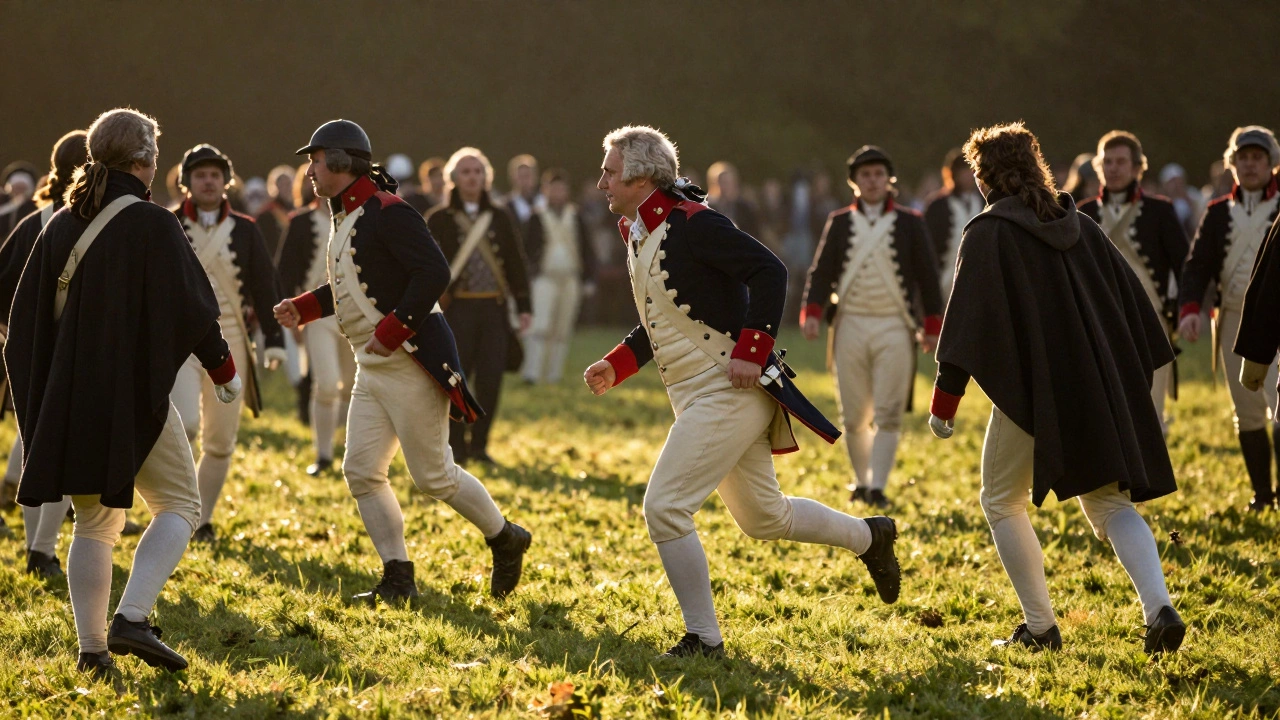
Enter the military uniform. Armies needed soldiers who could run, climb, and fight without tripping over their own clothes. The solution was to cut the length of the coat up to the waist or hips. This new garment allowed for freedom of movement. It became known simply as a jacket. As military styles trickled down to civilian life, the jacket became a staple of men’s wardrobes across Europe and eventually America.
During the Industrial Revolution, different types of jackets emerged based on function. Sailors needed waterproof protection, leading to oilskin jackets. Workers needed durability, leading to canvas and leather jackets. Each type retained the core definition: a short, upper-body garment. The word "coat" remained reserved for longer, heavier garments meant for extreme cold or formal occasions.
How Different Jackets Got Their Names
Once the basic category of "jacket" was established, specific subtypes developed names based on their origins, materials, or cultural associations. Understanding these helps clarify why some items are jackets and others aren’t.
| Jacket Type | Origin Story | Key Characteristic |
|---|---|---|
| Blazer | Royal Naval Academy in England (19th Century) | Bright red or blue color; metal buttons |
| Bomber Jacket | WWII US Army Air Corps pilots | Knit cuffs and hem; originally leather, now nylon |
| Denim Jacket | American workwear (Levi's 1853) | Durable cotton twill; five-pocket design |
| Trench Coat | WWI British Army officers | Waterproof gabardine fabric; double-breasted |
| Parka | Inuit hunters in Arctic regions | Hooded; insulated; designed for extreme cold |
Notice the distinction? A trench coat is technically a coat because it extends below the knee. A parka can be borderline, but traditionally, if it’s long and heavily insulated, it leans toward coat. A blazer, however, is firmly a jacket because it ends at the waist and mimics the structure of a suit jacket but without matching trousers.
Jacket vs. Coat: What’s the Real Difference?
This is the most common question people have once they understand the etymology. If a jacket is just a short coat, why do we use two words? The difference lies in length, weight, and intent.
- Length: Jackets typically end at the waist or hips. Coats extend below the hips, often to the knees or ankles.
- Weight: Jackets are usually lighter and designed for layering over shirts or sweaters. Coats are heavier, often lined, and designed to be the outermost layer against harsh weather.
- Formality: Jackets can be casual (denim, bomber) or semi-formal (blazer, sport coat). Coats are generally more formal or functional for severe weather (overcoats, topcoats).
There is overlap, of course. A "sport coat" is a jacket. An "anorak" is sometimes called a jacket, sometimes a coat. But the linguistic root remains consistent: the jacket is the "little one," the shortened version of the full-length garment.
The Cultural Evolution of the Jacket
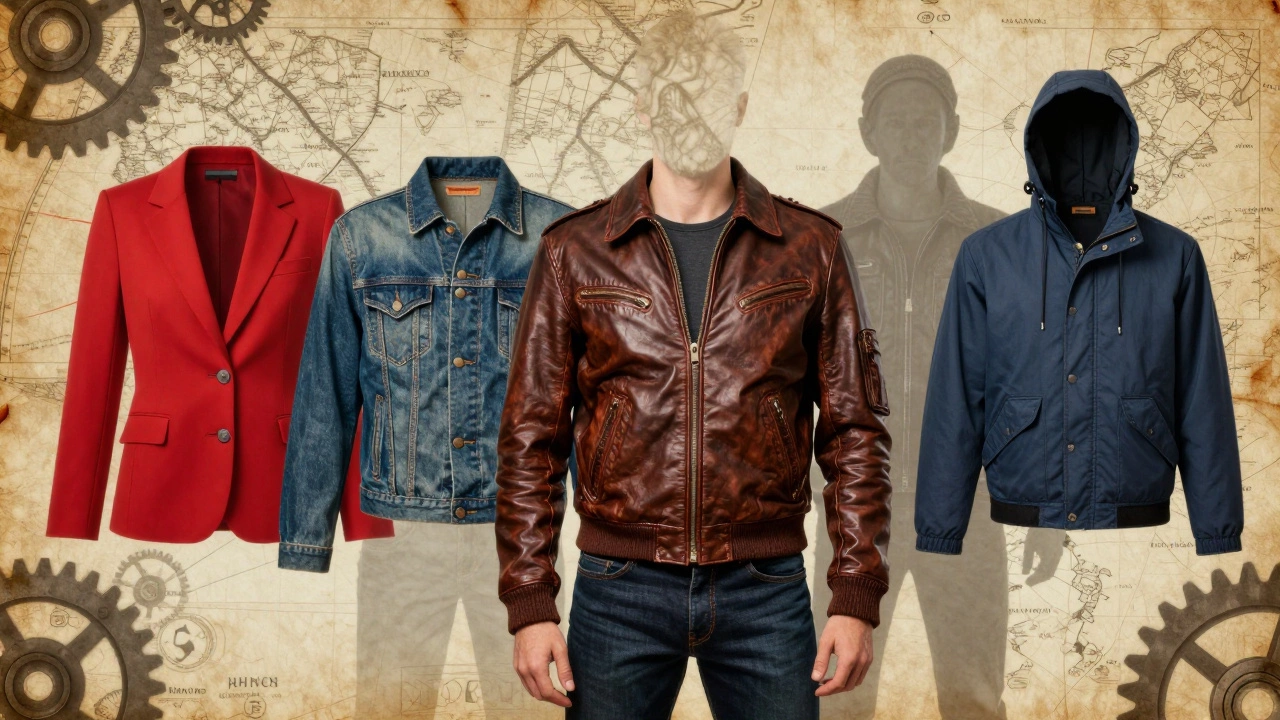
In the 20th century, the jacket became a symbol of rebellion and identity. The leather jacket, initially designed for motorcycle riders in the 1920s, was adopted by biker gangs and then by rock musicians like Elvis Presley and James Dean. Suddenly, the "jack’s garment" wasn’t just practical; it was a statement. It said, "I am independent, rugged, and don’t care about traditional norms." Similarly, the denim jacket evolved from pure workwear to a symbol of youth culture and counter-culture movements in the 1960s and 70s. Today, jackets are gender-neutral, diverse in material, and central to streetwear fashion. Yet, despite all these changes, the name hasn’t changed. We still call them jackets because the original definition-short, upper-body garment for a person-still fits perfectly.
Why Language Sticks
We don’t rename things every time their function changes. We adapt old words to new contexts. The word "jacket" survived because it was simple, descriptive, and already embedded in daily speech. When women began wearing jackets in the early 20th century, breaking strict Victorian dress codes, they didn’t need a new word. They just adopted the existing one. When synthetic fabrics replaced wool and leather, the word stayed. The essence of the garment remained: a short cover for the torso.
So, next time you zip up your bomber jacket or button your blazer, remember you’re wearing a piece of linguistic history. You’re wearing a "small jack," a garment born from the need for mobility, refined by war, and popularized by pop culture. It’s a humble word with a rich past, proving that sometimes the simplest explanations are the most accurate.
Is a hoodie considered a jacket?
Technically, no. A hoodie is a sweatshirt with a hood. It is made of soft fabric like cotton fleece and lacks the structured lining, zippers, or buttons typical of jackets. However, in casual conversation, many people group hoodies with jackets because they serve a similar layering purpose. Fashion experts distinguish them by construction: jackets are outerwear, hoodies are mid-layers.
What is the difference between a blazer and a suit jacket?
A suit jacket is part of a matched set, meaning the fabric exactly matches the trousers. A blazer is a standalone jacket, often in a solid color like navy or black, with metal buttons. Blazers are more versatile and can be worn with chinos, jeans, or dress pants, whereas suit jackets should only be worn with their matching trousers.
When did women start wearing jackets?
Women began adopting tailored jackets in the early 20th century, particularly during World War I when they entered the workforce in larger numbers. Designers like Coco Chanel popularized the look in the 1920s, moving away from corsets and long skirts toward more practical, masculine-inspired suits and jackets. By the 1960s, the jacket was a standard item in women's fashion.
Why is a raincoat called a mac?
"Mac" is short for "mackintosh," named after Charles Macintosh, the Scottish chemist who invented the waterproof fabric in 1823. He combined rubber with cloth to create a water-resistant material. Over time, "mackintosh" was shortened to "mac," becoming a generic term for any waterproof coat, similar to how "jacket" became a generic term for short outerwear.
Can a vest be called a jacket?
No. A vest (or waistcoat) has no sleeves. A jacket, by definition, must have sleeves to cover the arms. While vests are often worn under jackets as part of a three-piece suit, they are distinct garments. Calling a vest a jacket is incorrect both linguistically and fashion-wise.