Why Do They Call It Sportswear? A Look at Athletic Apparel History
- Cleo Fairchild
- 12 October 2026
- 0 Comments
Sportswear vs. Athleisure Classifier
Confused by retail labels? Answer these three questions to find out what category your current outfit actually belongs to.
Classification Result
Pro Tip
You’re sitting on a sofa in your sweatpants, sipping coffee, and wearing a hoodie that hasn’t seen a gym floor since the Obama administration. You feel comfortable, sure. But have you ever stopped to wonder why we call this stuff sportswear when you haven’t played a sport since primary school PE?
It’s a linguistic quirk that trips up a lot of people. The term suggests activity, movement, and sweat. Yet, for most of us, it describes the uniform of relaxation. To understand why the name stuck-and why it still makes sense despite our sedentary habits-we need to look back at how clothing evolved from strict utility to global lifestyle.
The Shift from Uniforms to Everyday Wear
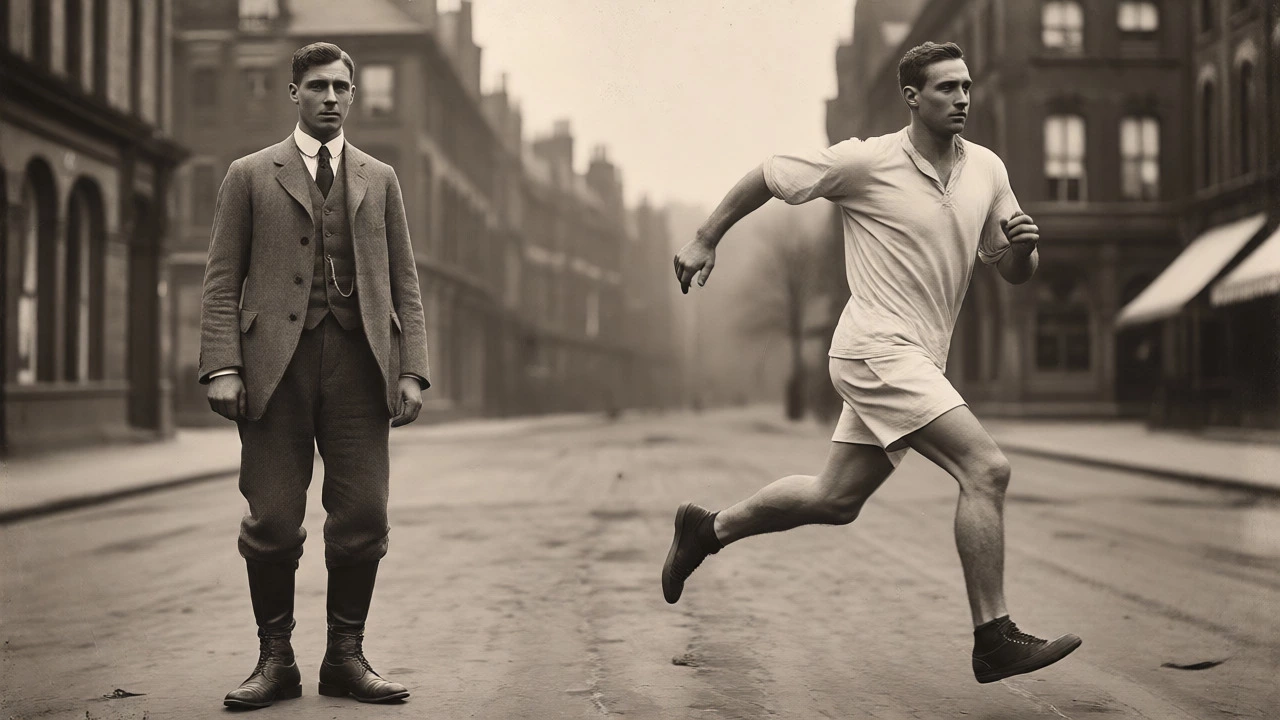
For centuries, what you wore dictated what you could do. If you were playing tennis, you wore long sleeves and heavy fabrics because modesty mattered more than mobility. If you were working, you wore stiff collars and structured suits. There was no middle ground. You didn’t wear "workout clothes" to the grocery store; that would have been bizarre.
The real change happened in the early 20th century. As sports became more organized and accessible, manufacturers realized they needed clothes that allowed freedom of movement. This wasn’t just about comfort; it was about performance. Cotton jerseys replaced wool sweaters because they breathed better. Rubber-soled sneakers replaced leather boots because they gripped better.
But here is the twist: these functional innovations didn’t stay on the field. People started noticing that clothes designed for athletes were incredibly comfortable for everyone else. Once you’ve worn a pair of track pants that don’t restrict your stride, going back to tight denim feels like punishment. The name "sportswear" persisted because the design DNA remained rooted in athletic function, even as the context shifted to leisure.
Defining Sportswear vs. Activewear
This is where things get messy. In modern retail, you’ll see terms like activewear and athleisure thrown around interchangeably with sportswear. While they overlap, they aren’t identical. Understanding the difference helps clarify why the old term still holds weight.
| Category | Primary Purpose | Material Focus | Typical Context |
|---|---|---|---|
| Sportswear | Performance & Durability | Cotton blends, wool, basic synthetics | Gym, team sports, casual wear |
| Activewear | High-Intensity Movement | Moisture-wicking, compression fabrics | Running, yoga, HIIT classes |
| Athleisure | Fashion & Comfort | Stylish cuts, premium finishes | Cafes, travel, office (casual) |
Sportswear is the broad umbrella. It refers to any clothing originally designed for sporting activities. Think of the classic Adidas tracksuit or a Nike windbreaker. These items are durable and simple.
Activewear is a subset focused on technical performance. If you buy leggings specifically engineered to keep you dry during a marathon, that’s activewear. It’s less about looking cool and more about not chafing at mile ten.
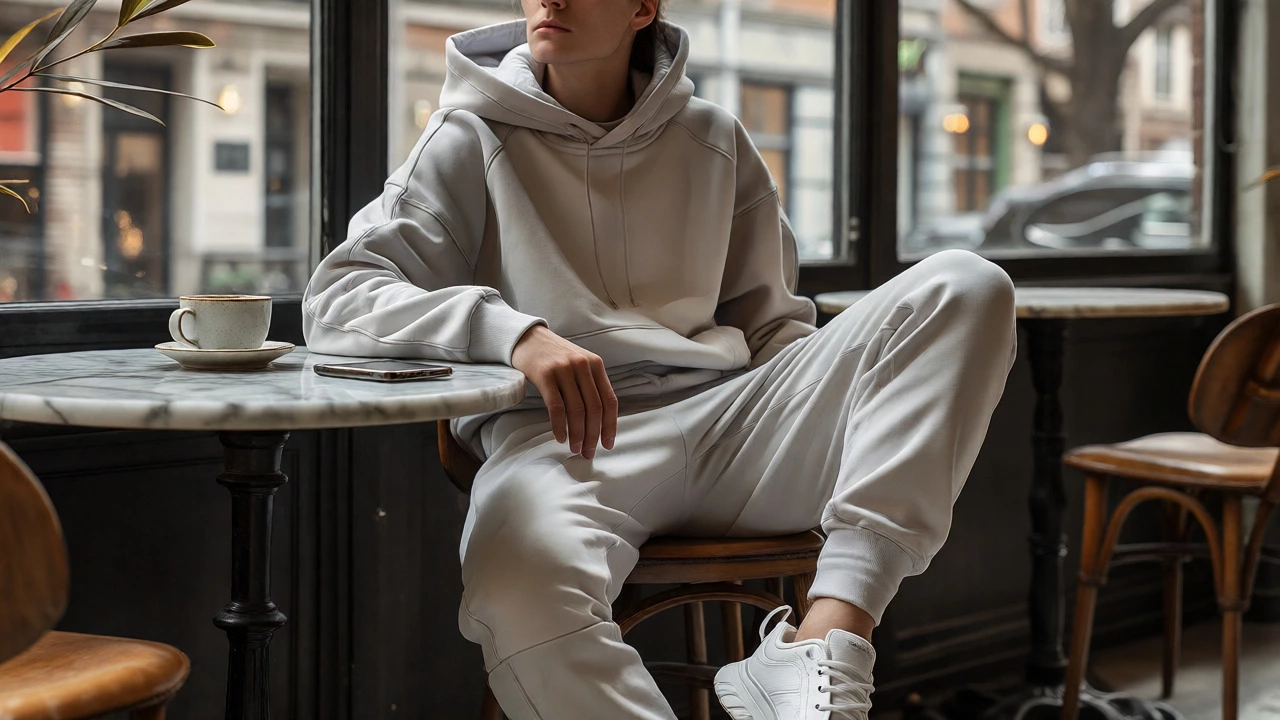
Athleisure is the cultural phenomenon that blurred the lines. It’s fashion-first clothing that looks like sportswear but isn’t necessarily built for actual sports. Those $100 joggers you wear to brunch? That’s athleisure. They might be made of cotton, which absorbs sweat poorly, but they look sleek.
The Cultural Impact of Iconic Brands
You can’t talk about the naming convention without mentioning the brands that cemented it. In the 1970s and 80s, companies like Nike and Adidas did something revolutionary: they marketed their products based on aspiration, not just utility.
Before this era, buying running shoes meant you planned to run. After Michael Jordan signed his deal with Nike in 1984, wearing Air Jordans meant you wanted to *be* like Mike. You didn’t need to dunk a basketball to justify the purchase. The shoe became a symbol of status and style.
This shift changed the language. "Sportswear" stopped being a description of use and started being a description of identity. When you put on a jersey, you’re signaling allegiance to a team or a culture. The word "sport" remains in the name because the emotional connection to athletics is the core value proposition. We buy the gear to feel connected to the energy and success associated with professional athletes.
Why the Name Persists in the Digital Age
In 2026, with remote work normalizing comfortable dress codes, you might think the term "sportswear" should have died out. Why not call it "comfort wear" or "home wear"? Because those terms lack prestige.
Marketing psychology plays a huge role here. "Comfort wear" sounds lazy. "Sportswear" sounds active, healthy, and disciplined. Even if you’re just walking the dog, wearing sportswear tricks your brain into feeling slightly more productive. It’s a subtle psychological cue that you’re ready to move, even if you’re not.
Furthermore, the global supply chain relies on standardized categories. Retailers, search engines, and algorithms all categorize these items under "Sportswear." Changing the name would require retraining millions of consumers and updating billions of product tags. The inertia of language is powerful. As long as the garments retain their athletic silhouettes-elastic waists, drawstrings, breathable meshes-the label will likely stick.
Practical Tips for Choosing Your Gear
Since the terminology is confusing, focus on what the clothes actually do for you rather than what they’re called. Here is a quick guide to picking the right piece for your needs:
- Check the Fabric Content: If the tag says 100% cotton, it’s likely traditional sportswear or athleisure. It will absorb sweat and get heavy. If it lists polyester, nylon, or spandex, it’s technical activewear designed to wick moisture away.
- Consider the Fit: Compression gear is tight for a reason-it supports muscles. Loose-fitting joggers are for range of motion. Don’t buy loose pants for weightlifting if you need stability.
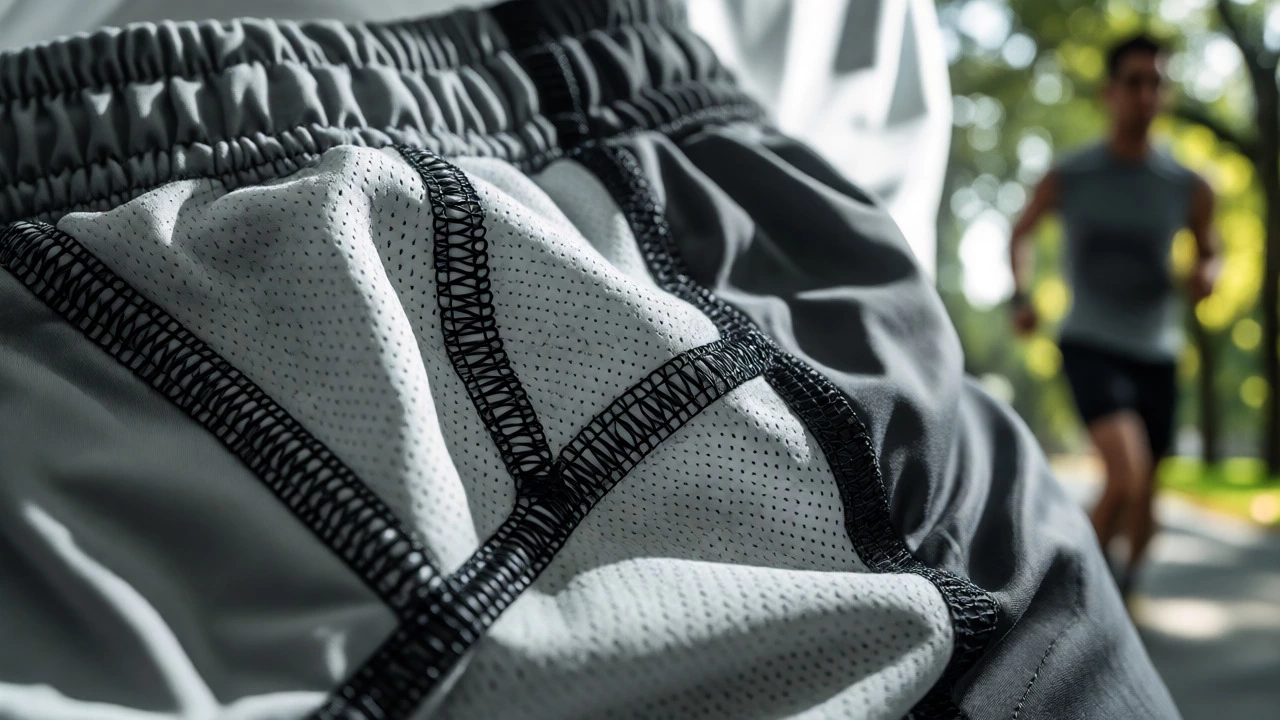
- Look for Flatlock Seams: This is a manufacturing detail where seams lie flat against the skin. It prevents chafing during movement. If you plan to actually exercise, this feature is non-negotiable.
- Evaluate the Intended Use: Are you buying it for the gym or the couch? If it’s for the gym, prioritize durability and breathability. If it’s for the couch, prioritize softness and style.
The Future of Functional Fashion
We are currently seeing a convergence of technology and textile science. Smart fabrics are emerging that can monitor heart rate or regulate temperature automatically. Will we start calling this "smartwear" instead of sportswear? Possibly. But for now, the root of the industry remains tied to physical activity.
The next time you pull on your favorite hoodie, remember: you’re wearing a piece of history. It represents a century-long journey where functionality met fashion, and where the desire to move freely finally outweighed the need to look formal. The name might seem outdated to some, but it accurately reflects the origin story of one of the most dominant trends in modern fashion.
Is there a difference between sportswear and athleisure?
Yes. Sportswear is designed primarily for athletic performance and durability, often using robust materials suitable for rigorous activity. Athleisure is a fashion trend that borrows elements from sportswear but prioritizes style and comfort for everyday wear, often sacrificing technical performance features like moisture-wicking capabilities.
Can I wear sportswear to work?
This depends entirely on your workplace dress code. In creative industries or tech startups, smart sportswear (like clean sneakers and tailored joggers) is increasingly acceptable. However, in conservative fields like law or finance, traditional sportswear may still be viewed as too casual unless styled very carefully with blazers or structured outerwear.
Why is cotton common in sportswear if it gets wet?
Cotton is used in many sportswear items because it is breathable, hypoallergenic, and soft against the skin. While it does absorb moisture and can become heavy when sweaty, it is ideal for low-intensity activities, warm weather, or casual wear where maximum wicking isn't necessary. Many modern blends mix cotton with synthetic fibers to balance comfort with performance.
What is the main purpose of sportswear?
The original and primary purpose of sportswear is to enhance physical performance by providing freedom of movement, protection from the elements, and comfort during exercise. Over time, its purpose has expanded to include social signaling, fashion expression, and general comfort for daily life.
Does expensive sportswear perform better?
Not always. Higher prices often reflect brand marketing, aesthetic design, and specific proprietary technologies. For casual wear or light exercise, mid-range options often provide nearly identical performance to luxury brands. For elite competitive sports, however, specialized high-end gear can offer marginal gains in weight reduction, aerodynamics, or durability.