Slippers: The Hawaiian Slang for Flip-Flops
- Cleo Fairchild
- 1 November 2026
- 0 Comments
Hawaiian Slipper Slang Quiz
Loading question...
You land in Honolulu, grab your bag, and head to the car. Your friend points at your feet and asks, "Did you bring your slippers?" You look down. You're wearing sandals. Or maybe you're barefoot. Confusion sets in. In most of the world, a slipper is that soft, fuzzy thing you wear inside the house to keep warm. But in Hawaii, things work differently.
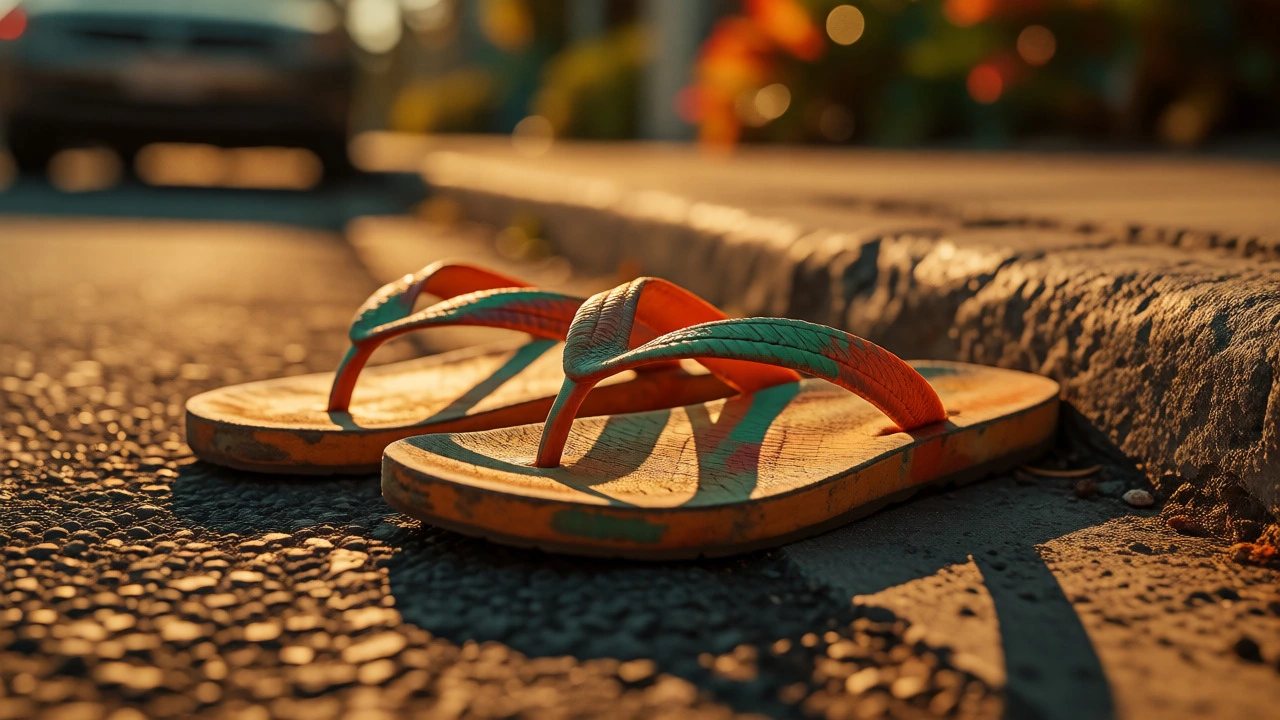
Here is the quick answer: Hawaiian slang for slippers refers to flip-flops. That's it. No mystery, no complex etymology lesson required. If someone in Hawaii talks about their "slippers," they mean those rubber-soled, thong-style shoes you wear to the beach, the grocery store, or even a casual office. It’s one of the most common linguistic quirks visitors encounter, and understanding it saves you from awkward moments at the airport or the local bar.
Why Do Hawaiians Call Flip-Flops Slippers?
This isn't just random wordplay. Language evolves based on utility and environment. In Hawaii, the climate dictates behavior. You don't need heavy boots. You don't need dress shoes for 90% of your life. You need something easy to kick off when you enter a home, easy to rinse sand off, and tough enough for volcanic rock trails. The term "slipper" stuck because these shoes function like indoor slippers do elsewhere-they are your default, go-anywhere, comfortable footwear.
Think about it. When was the last time you wore actual house slippers outside? Never, right? But in Hawaii, your "slippers" go everywhere. They go to the mall. They go to dinner. They go to church. Because they serve the same role as slippers-comfort and ease-the name transferred. It’s practical linguistics. Why use two words (flip-flop) when one (slipper) works perfectly fine?
The influence likely traces back to early Japanese immigrants who settled in Hawaii in large numbers during the plantation era. In Japan, indoor shoes are called "uwabaki" or simply "slippers." As cultures mixed, the term blended into local pidgin English. Over decades, it became standard vernacular. Today, if you call them "flip-flops" in a local shop, people will understand you, but they might smile slightly. Calling them "slippers" signals you know how things work here.
Slippers vs. Flip-Flops: A Cultural Divide
On the mainland United States, saying "I'm wearing slippers to the restaurant" sounds sloppy. It implies you forgot to change out of your pajamas. In Hawaii, it’s normalcy. This distinction matters more than just vocabulary; it reflects a broader cultural attitude toward formality. Hawaii operates on "island time" and relaxed social codes. Footwear follows suit.
| Feature | Mainland US Context | Hawaii Context |
|---|---|---|
| Term Used | Flip-flops, sandals, thongs | Slippers |
| Acceptable at Dinner | Rarely, unless very casual | Yes, at many restaurants |
| Worn Indoors | No (shoes off or house slippers) | Yes (slippers often worn inside) |
| Cultural Signal | Beach/Pool only | Everyday lifestyle staple |
Notice the line about wearing them indoors. In many Hawaii homes, you take your shoes off at the door. But what do you put on? Often, nothing. Or sometimes, you slide into a pair of clean "house slippers" which are distinct from your outdoor "beach slippers." Wait, didn't I say slippers were flip-flops? Yes. Locals differentiate by context. If you say "my beach slippers," everyone knows you mean the rubber ones with the strap. If you say "my house slippers," they mean the soft foam kind. The ambiguity disappears once you add the adjective.
The Rise of the Local Slipper Brand
You can’t talk about Hawaiian slippers without mentioning Kahala. While Kahala is famous for aloha shirts, their footwear line helped cement the slipper as a fashion item rather than just utility gear. But the real king of the hill? Islander.
Islander is a brand synonymous with Hawaiian slippers. Founded in 1946, Islander produced durable, colorful flip-flops that could withstand saltwater, sun, and rough terrain. For decades, locals bought Islanders exclusively. They weren't just cheap knockoffs; they were built specifically for island life. The soles were thick enough for lava rocks but flexible enough for long walks.
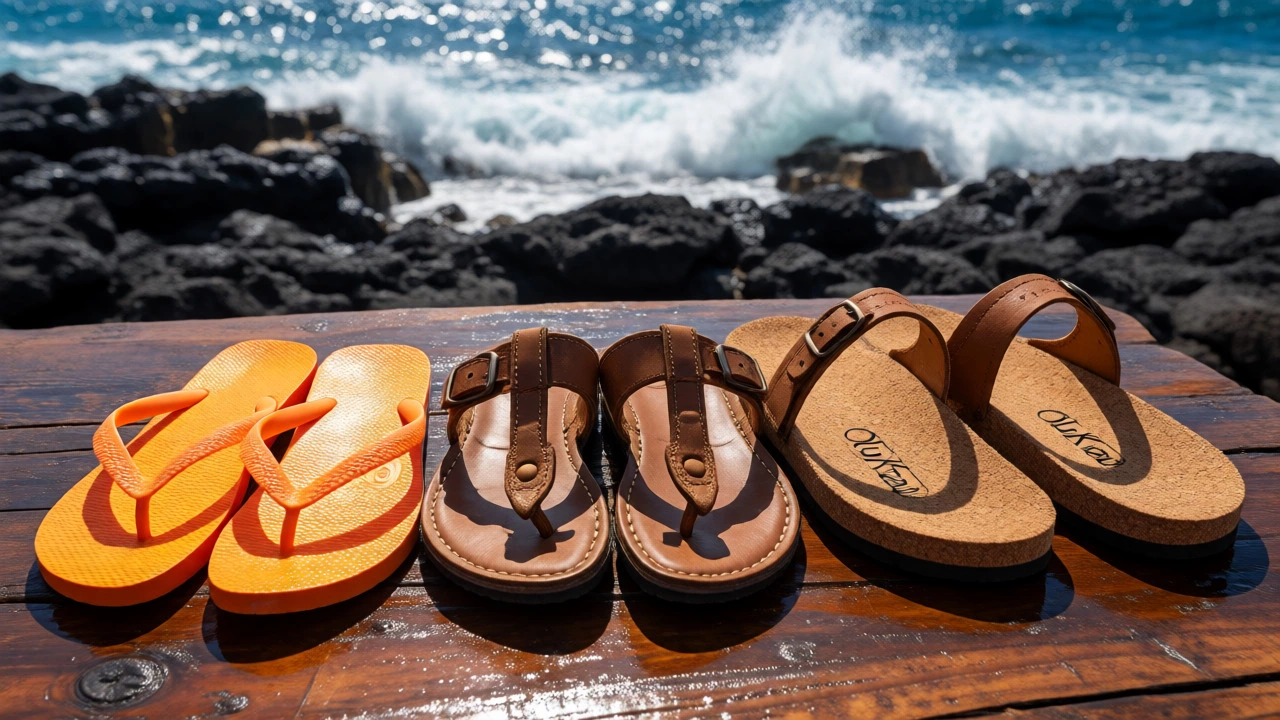
Today, brands like OluKai have taken over the premium end of the market. OluKai slippers feature natural materials like cork and leather, designed for comfort and style. They cost more-often $50 to $80 per pair-but they last years. Tourists buy them as souvenirs. Locals buy them because they actually feel good on your feet after a day of hiking Diamond Head.
Then there are the cheap plastic ones you find at Walmart or ABC Stores. These are disposable. You lose them, they break, you replace them. They cost $5. There is no shame in this. In fact, many locals prefer them because they don't mind losing them in the ocean. The hierarchy of slippers is real: Islander for nostalgia and durability, OluKai for status and comfort, and generic plastic for pure utility.
Etiquette: Where Can You Wear Slippers?
So you've bought your slippers. Now, where do you wear them? This is where tourists get tripped up. Just because locals wear them doesn't mean you should wear them everywhere immediately.
- At the Beach: Obviously. Sand gets everywhere. Slippers are perfect because they rinse clean.
- Grocery Store: Totally acceptable. You'll see families shopping in full slipper regalia.
- Restaurants: Check first. Many casual spots allow them. Upscale places in Waikiki or Lahaina might require closed-toe shoes or nicer sandals. If you're wearing fancy OluKais, you're usually safe. If you're wearing dirty, broken plastic ones, maybe leave them at the hotel.
- Nightlife: Clubs and bars vary. Some dive bars love slippers. Trendy cocktail lounges might judge you. Use your best judgment.
- Workplaces: Only if it's a casual environment. Construction sites? No. Offices? Maybe, if it's "Aloha Friday" or a very relaxed startup.
A crucial rule: Watch the feet of the locals around you. If everyone else is in sneakers or boots, don't be the only person in flip-flops. It’s not about rules; it’s about fitting in. Blending in is the ultimate goal in Hawaii. Standing out too much marks you as a tourist instantly.
Beyond Slippers: Other Hawaiian Footwear Terms
While "slipper" is the big one, there are other terms worth knowing. For instance, "sandals" is still used, but it often refers to strappy, more structured footwear-not the thong style. If you ask for "sandals," you might get something with buckles. If you want the thong, say "slippers."
You might also hear "rubber man" or similar derogatory terms for tourists who act foolishly, but that's not footwear-specific. However, note the term "haole." It’s a general term for non-Polynesian foreigners, often Caucasians. Haole often wear expensive hiking boots or running shoes even to the beach. Locals watch this with amusement. The slipper is a badge of assimilation. Wearing them shows you respect the local pace.
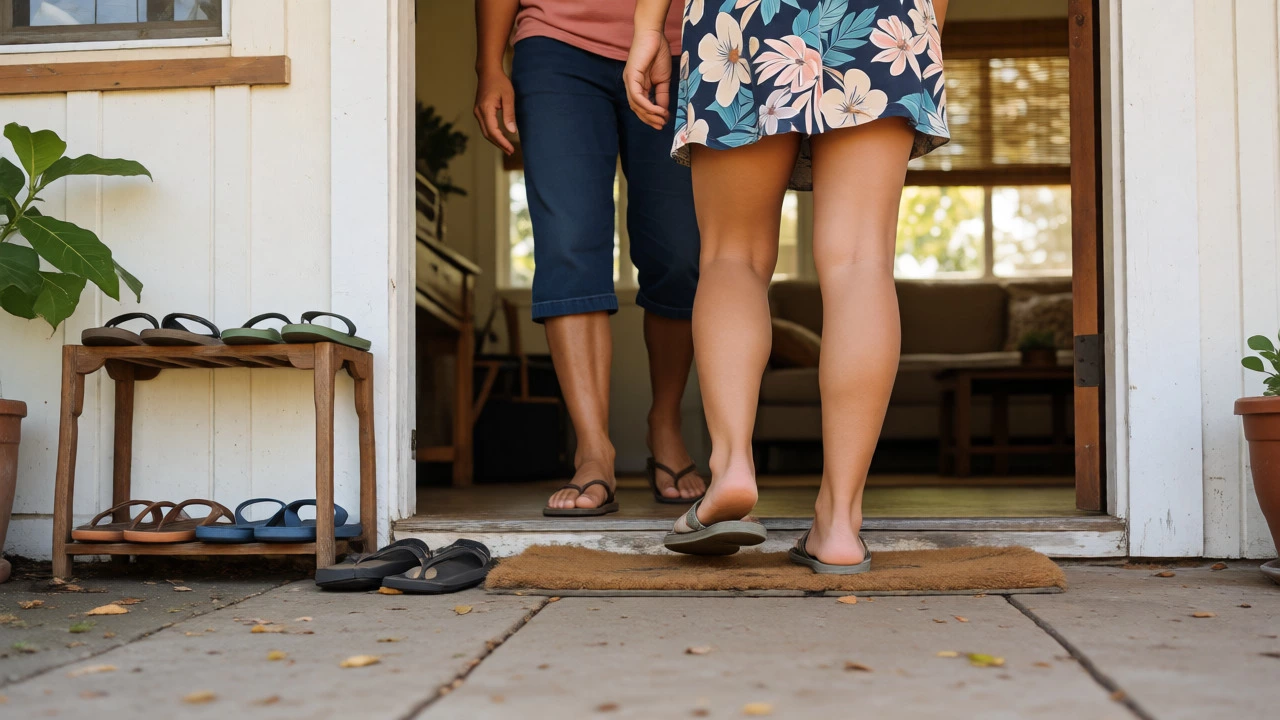
Another related concept is the "no-shoe" policy. In Hawaii, it is customary to remove shoes before entering a home. Sometimes, you enter barefoot. Sometimes, you enter in your slippers if they are clean. Always ask. "Should I take my slippers off?" is a polite question. It shows you care about cleanliness and respect the host's space.
How to Choose the Right Pair
If you're planning a trip, buying a pair of slippers locally is a smart move. Here’s why: shipping costs are high, and local stores stock sizes and styles suited for island activities. Online orders might arrive late or fit poorly.
- Assess Your Activity Level: Are you mostly lounging by the pool? Get the cheap plastic ones. Are you hiking waterfalls? Get OluKai or similar with arch support.
- Check the Strap Material: Plastic straps can rub blisters. Fabric-lined straps are better for long walks. Leather looks cool but needs maintenance against saltwater.
- Sole Thickness: Thin soles feel every pebble. Thick soles protect your feet on uneven ground. Hawaii has jagged coral and sharp lava rock. Don't skimp on sole thickness.
- Dry Time: You will get wet. Ensure the material dries quickly. Cork takes longer than EVA foam. Foam dries in minutes.
Remember, you might lose them. Keep a backup pair in your car or backpack. It happens. A sudden wave sweeps them away, or you leave them at a picnic table while swimming. Losing slippers is a rite of passage for visitors.
The Economic Impact of Slipper Culture
Slippers aren't just shoes; they're an industry. Tourism drives massive sales of footwear in Hawaii. During peak season, stores like Longs Drugs, Target, and specialty boutiques sell thousands of pairs daily. Local businesses benefit from this demand. Buying locally supports the economy directly.
Moreover, the design of Hawaiian slippers influences global trends. Brands worldwide copy the bright colors, tropical patterns, and laid-back aesthetic. When you wear Hawaiian slippers back home, you carry a piece of the island culture with you. It’s a small souvenir that serves a purpose. Unlike a keychain gathering dust, your slippers remind you of the freedom and relaxation you felt on vacation.
Environmental concerns are rising, though. Cheap plastic slippers end up in landfills or oceans. Sustainable options are growing. Brands now offer recycled rubber soles and biodegradable straps. As a conscious traveler, consider these eco-friendly choices. They perform just as well and reduce your footprint on the fragile island ecosystem.
Frequently Asked Questions
Is it rude to wear slippers in Hawaii?
No, it is generally not rude. In fact, it is the norm for casual settings. However, avoid wearing dirty or damaged slippers to upscale restaurants or formal events. Clean, presentable slippers are widely accepted.
What is the difference between slippers and flip-flops?
In Hawaii, there is no physical difference. "Slipper" is simply the local term for flip-flops. On the mainland, "slipper" usually means indoor house shoes, while "flip-flop" means outdoor beach shoes. In Hawaii, both functions merge under the word "slipper."
Can I wear slippers to a nice dinner in Honolulu?
It depends on the restaurant. Casual dining spots and food halls accept them. High-end establishments like Roy's or Duke's Waikiki may prefer closed-toe shoes or elegant sandals. Check the dress code online or call ahead if unsure.
Which brand is best for Hawaiian slippers?
OluKai is top-tier for comfort and style. Islander is great for traditional durability. For budget options, generic brands from ABC Stores or Walmart work fine for short-term use. Choose based on your budget and activity level.
Do I need to take my slippers off inside houses?
Usually, yes. Most Hawaii homes follow a no-shoes policy. You might switch to indoor slippers or go barefoot. Always observe the host or ask politely. Keeping outdoor dirt out of the living room is a strong local custom.